
 en
en


Tourists usually get to Machu Picchu by traveling from Cusco to the Sacred Valley, taking a train to Aguas Calientes, and then taking a shuttle bus or walking uphill to the archaeological site's entrance.
You do not have to climb a mountain to visit the famous Inca ruins. However, if by “the top of Machu Picchu” you mean the summit of Machu Picchu Mountain, you need a specific ticket and must complete an additional uphill hike.
That difference confuses many first-time visitors.
Machu Picchu is not simply a mountain summit. The name can refer to the famous archaeological site and also to the larger mountain rising above it.
This guide explains each option so you know exactly where you are going and how to get there.
Tourists usually get to Machu Picchu by travelling from Cusco to the Sacred Valley, taking a train to Aguas Calientes, and then taking a shuttle bus or walking uphill to the archaeological site's entrance.
You do not have to climb a mountain to visit the famous Inca ruins. However, if by “the top of Machu Picchu” you mean the summit of Machu Picchu Mountain, you need a specific ticket and must complete an additional uphill hike.
That difference confuses many first-time visitors.
Machu Picchu is not simply a mountain summit. The name can refer to the famous archaeological site and also to the larger mountain rising above it.
This guide explains each option, so you know exactly where you are going and how to get there.
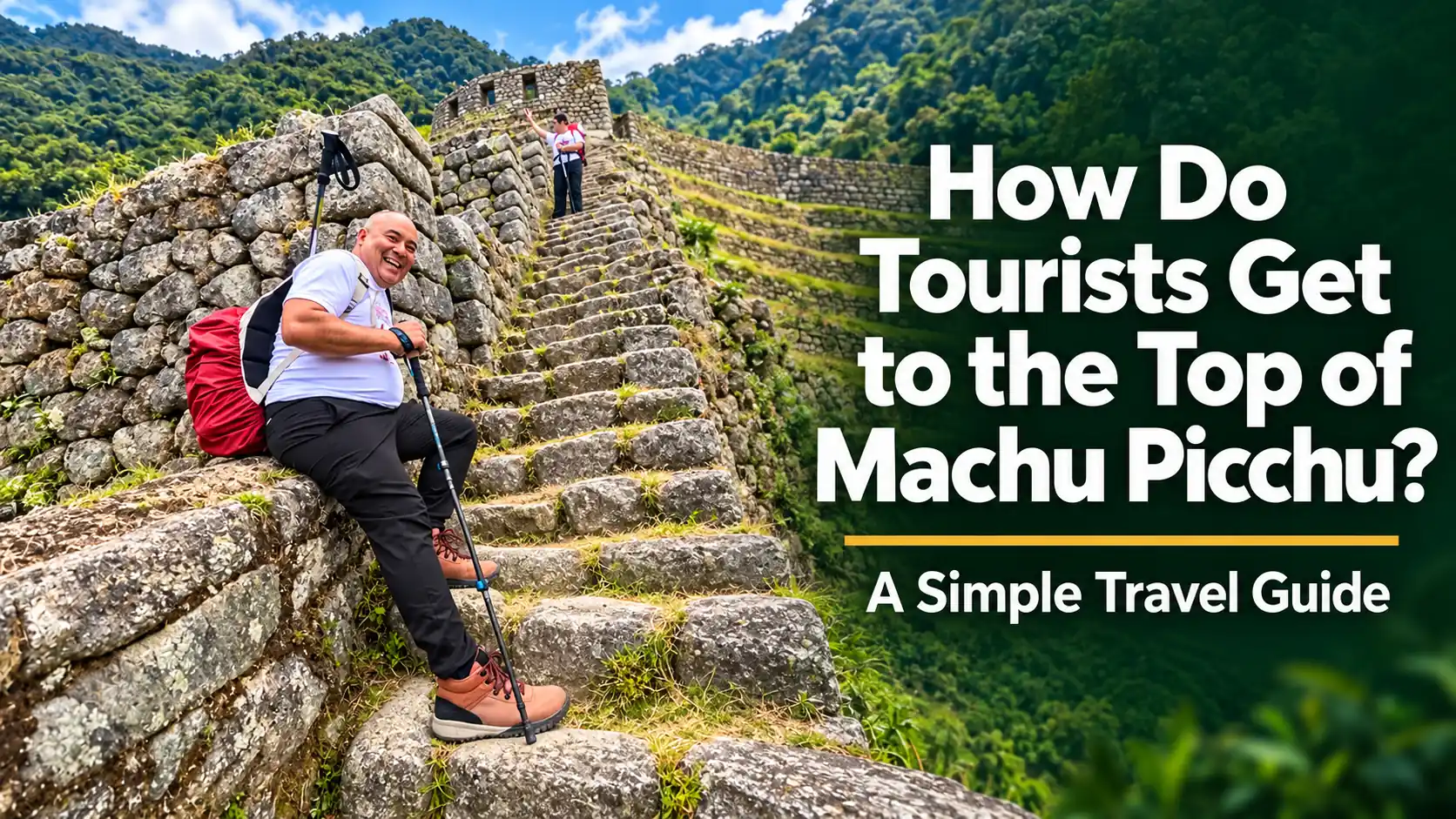
How Do Tourists Actually Reach Machu Picchu?
For most travellers, the journey is simple once it is broken into stages:
Cusco → Ollantaytambo → Aguas Calientes → Machu Picchu entrance
- Most tourists:
- Start in Cusco.
- Travel by road to Ollantaytambo in the Sacred Valley.
- Take a train to Aguas Calientes, also called Machu Picchu Pueblo.
- Take a shuttle bus or walk uphill to the Machu Picchu entrance.
- Enter using the route and time shown on your Machu Picchu ticket.
You therefore do not need to complete a multi-day hike to visit Machu Picchu.
That makes the archaeological site accessible to many travellers who do not want to trek for several days.
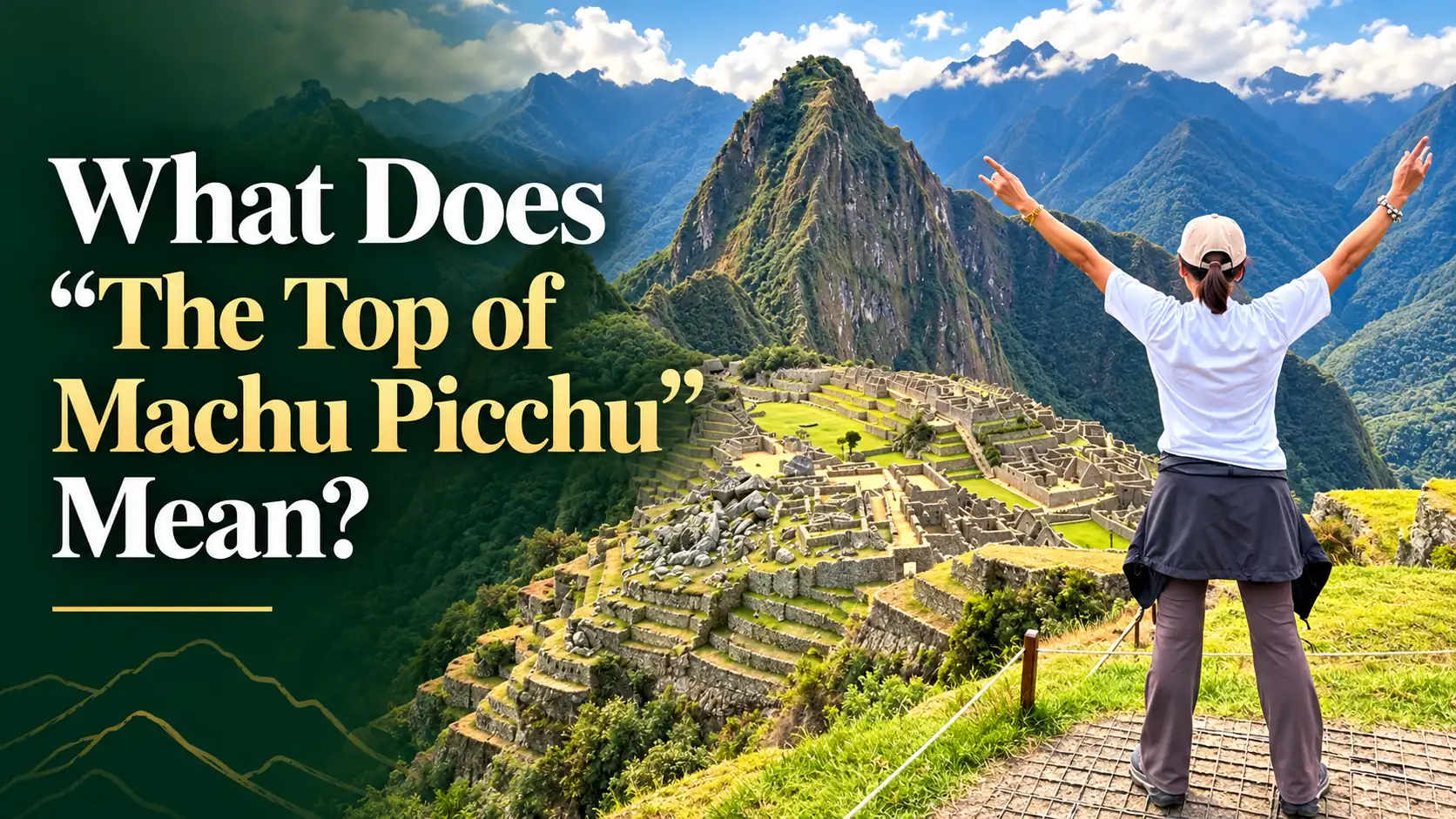
Before buying tickets, understand which place you actually want to reach.
Machu Picchu Archaeological Site
This is the famous Inca city seen in most photographs.
It includes ancient stone buildings, terraces, temples, pathways, and viewpoints.
This is what most tourists mean when they say:
“I'm visiting Machu Picchu.”
You can reach the entrance by shuttle bus from Aguas Calientes. You do not need to climb Machu Picchu Mountain.
Machu Picchu Mountain
Machu Picchu Mountain, or Montaña Machupicchu, rises above the archaeological complex.
Reaching its summit requires a substantial uphill walk.
Under the current official visitor system, access is through Circuit 1, Route 1-A: Machu Picchu Mountain Route.
This is different from simply entering the ruins.
Huayna Picchu
Huayna Picchu, officially listed as Waynapicchu, is the steep mountain seen directly behind the citadel in many classic photographs.
It also requires its own route.
Under the current circuit system, access is through Circuit 3, Route 3-A: Waynapicchu Mountain Route.
If mountain hiking is important to you, compare Huayna Picchu vs. Machu Picchu Mountain before choosing your ticket.
How to Get to Machu Picchu From Cusco
For many U.S. visitors, Cusco is the practical starting point for a Machu Picchu journey.
The easiest non-hiking route normally involves road transportation and a train.
Step 1: Travel From Cusco to Ollantaytambo
Ollantaytambo is in the Sacred Valley northwest of Cusco.
Many travelers reach it by:
- Private transfer
- Organized tour transportation
- Taxi
- Shared local transportation
It is an important departure point because many Machu Picchu trains operate between Ollantaytambo and Aguas Calientes.
Allow plenty of time between your road arrival and train departure.
Traffic, weather, and other delays can affect travel times.
Step 2: Take the Train to Aguas Calientes
From Ollantaytambo, the railway follows the Urubamba Valley toward Aguas Calientes.
Aguas Calientes is also called Machu Picchu Pueblo.
The town lies below the archaeological site and serves as the main base for visitors arriving by train.
Travelers comparing their options can also use this guide to Inca Rail vs. PeruRail trains to Machu Picchu.
Do not assume that buying a train ticket also gives you admission to Machu Picchu.
Your train reservation and archaeological-site entrance are separate.
Step 3: Take the Bus or Walk to Machu Picchu
Once you reach Aguas Calientes, you have two practical ways to reach the Machu Picchu entrance:
- Take the shuttle bus
- Walk uphill
Most tourists choose the bus because it saves time and energy.
The ride normally takes around 25 to 30 minutes, depending on road and traffic conditions.
Walking is possible, but it involves a long, steep climb.
If you plan to spend several hours exploring the site afterward, saving your energy by taking the bus can make the visit more comfortable.
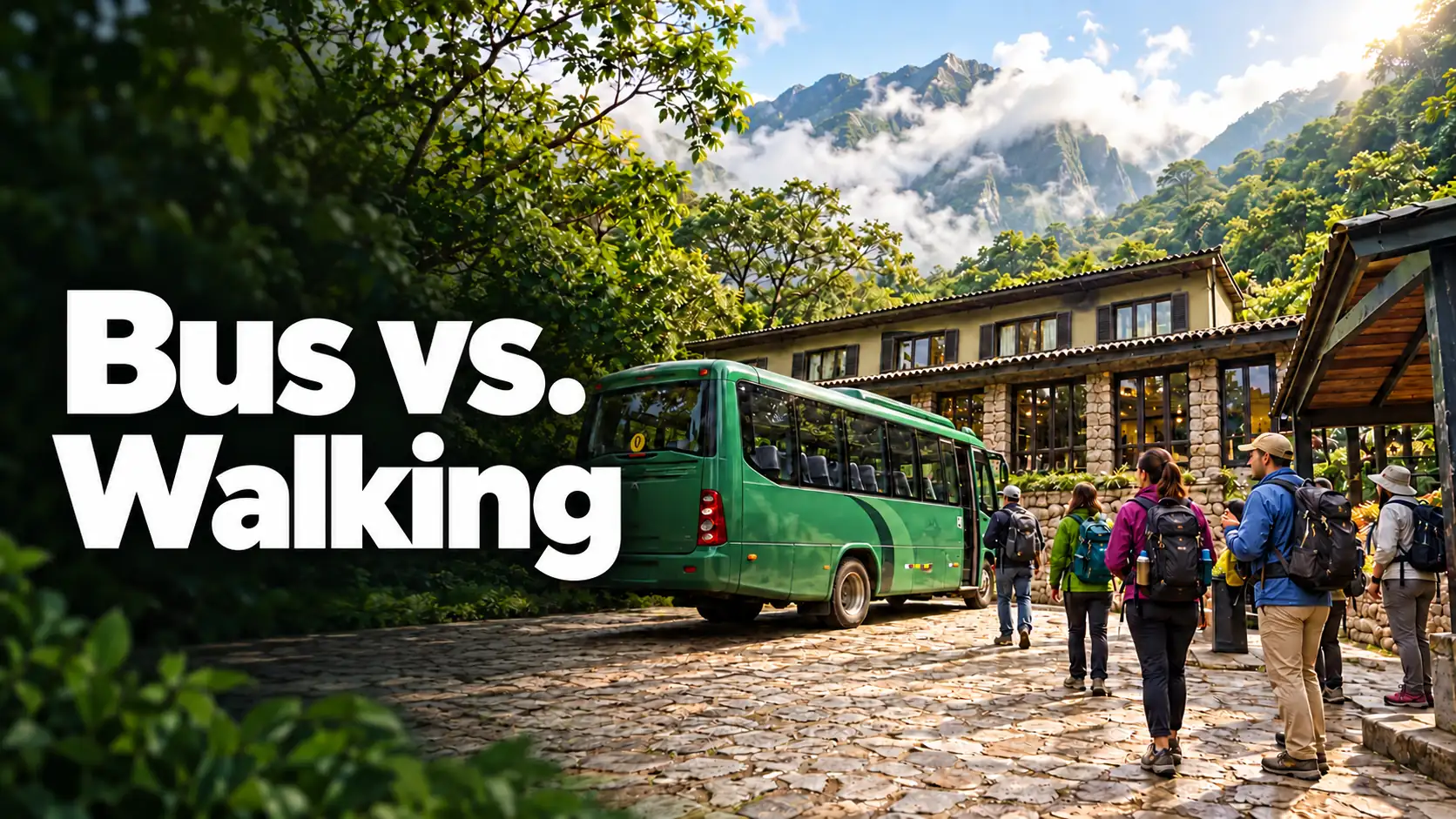
Bus vs. Walking From Aguas Calientes
| Option | Best For | Main Advantage | Main Drawback |
|---|---|---|---|
| Shuttle bus | Most visitors | Saves time and energy | Extra cost and possible lines |
| Walking uphill | Fit travelers | No bus ride needed | Steep and tiring climb |
| Inca Trail arrival | Trekkers | Historic approach to Machu Picchu | Requires advance planning and trekking |
The uphill walk can take roughly 1.5 to 2 hours depending on your fitness, pace, and trail conditions.
Do not plan the walk too tightly around your timed admission.
Build in extra time.
Can You Drive Directly to Machu Picchu?
No conventional tourist road allows you to simply drive a private vehicle from Cusco directly to the Machu Picchu archaeological entrance.
That is one reason the journey feels unusual compared with many major tourist attractions.
Visitors normally combine road transportation with rail travel, walking, or trekking.
Aguas Calientes itself is mainly reached by rail or on foot rather than by the normal highway system used between Peruvian cities.
So if someone tells you that you can “drive to Machu Picchu,” ask exactly where the vehicle journey ends.
Can You Hike Into Machu Picchu Instead?
Yes.
For travelers who want the journey itself to be part of the experience, the Inca Trail provides a very different way to approach Machu Picchu.
Classic Inca Trail
The multi-day Classic Inca Trail follows part of the historic Inca road network through the Andes before reaching the Machu Picchu area.
It is best for travellers who want:
- Several days of hiking
- Inca archaeological sites along the route
- Mountain scenery
- A more immersive journey
For a fuller overview, see the 4-Day Classic Inca Trail hike.
Short Inca Trail
Travellers who want an Inca Trail experience without a four-day trek can consider the shorter version.
Champions Peru Travel also offers a 2-Day Short Inca Trail hike.
The exact route, permits, and Machu Picchu access rules matter, so these trips should be arranged well in advance.
Rules can change from one season to another, so always verify the arrangement that applies to your travel year.
How Do You Get to the Summit of Machu Picchu Mountain?
If your goal is literally to reach the top of Machu Picchu Mountain, the bus only gets you to the archaeological-site area.
You must then hike.
The important point is that Machu Picchu Mountain is not included automatically with every Machu Picchu admission option.
Under the current official system, it is identified as:
Circuit 1 – Panoramic
Route 1-A – Machu Picchu Mountain
So do not buy a random Machu Picchu entrance ticket and assume you will be allowed to climb the mountain.
Choose your route first.
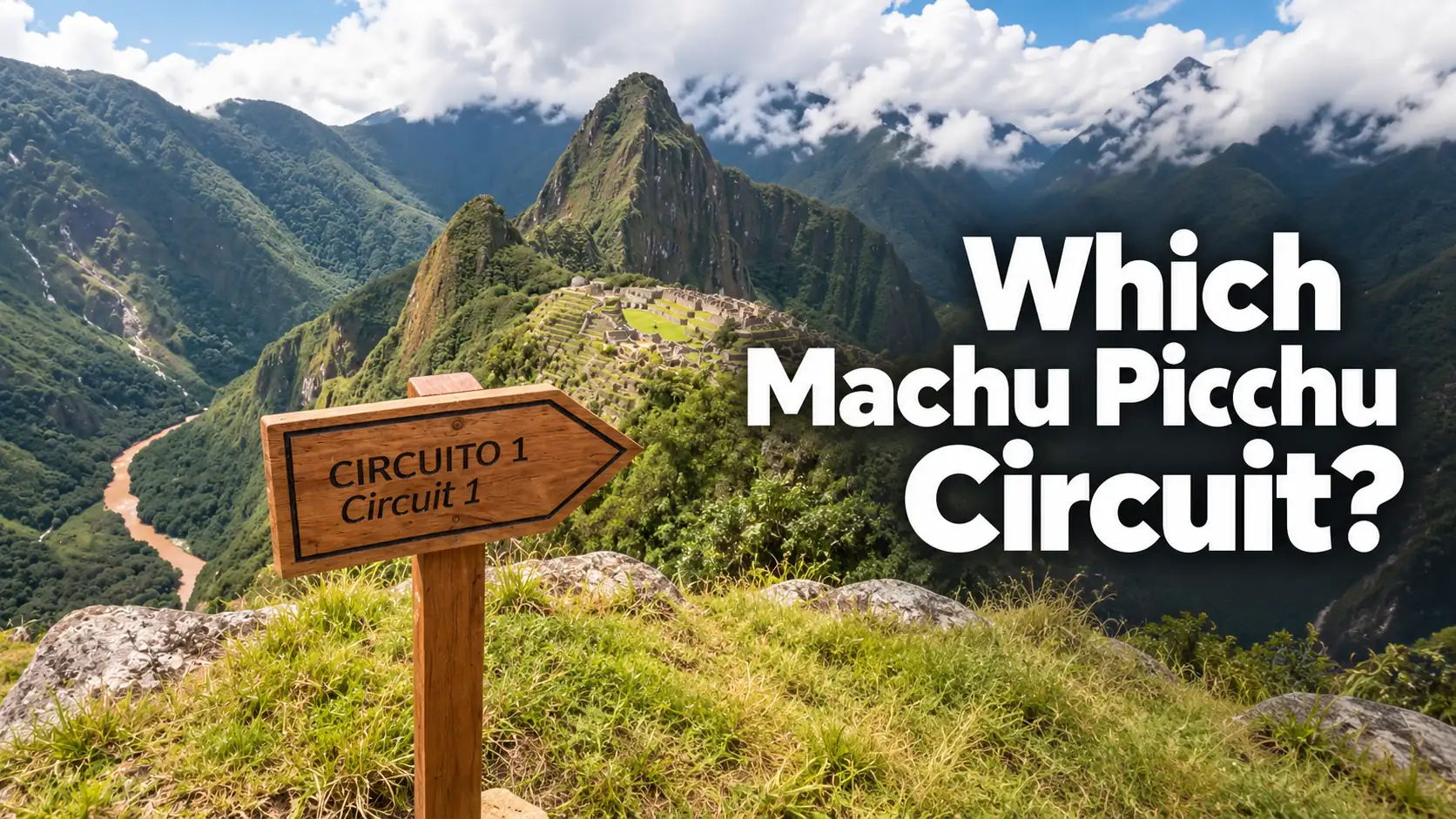
The current official system has three circuits containing 10 routes.
In simple terms:
| Circuit | General Focus | Example Routes |
|---|---|---|
| Circuit 1 | Panoramic scenery | Machu Picchu Mountain, Upper Terrace |
| Circuit 2 | Classic Machu Picchu experience | Designed Route, Lower Terrace |
| Circuit 3 | Lower sector and mountain options | Waynapicchu, Royal Route |
Your choice affects what you can see.
It is therefore better to choose your preferred Machu Picchu experience before arranging every other part of the day.
For a deeper comparison, see the Machu Picchu circuits guide.
What Should You Book First?
A common mistake is booking transportation before checking Machu Picchu availability.
A safer planning order is:
- Decide which Machu Picchu experience you want.
- Check the official route and entry-time availability.
- Secure the Machu Picchu ticket or arrange it through your tour provider where appropriate.
- Match your train schedule to the entrance time.
- Arrange transportation from Cusco or the Sacred Valley.
- Plan the Aguas Calientes bus or walking time.
- Leave a safety buffer between connections.
Your Machu Picchu ticket includes a specific route and entry time, so the admission choice should guide the rest of your itinerary.
Planning a Machu Picchu Trip for 2027
If you are planning an Inca Trail or Machu Picchu trip for 2027, start researching early.
However, be careful with websites claiming exact 2027 availability before Peru's Ministry of Culture publishes the applicable schedule.
For context, official advance reservations for the 2026 season opened in November 2025.
That does not guarantee that 2027 reservations will open on the same date.
Travellers should monitor official announcements instead of relying on an assumed booking date.
Machu Picchu access rules and visitor capacities can change from one season to another, which makes early planning especially important for popular dates.
If you are considering the Inca Trail in 2027, prepare your preferred travel dates and backup dates before reservations become available.
When Is a Good Time to Travel in 2027?
For Inca Trail planning, many travelers favor the drier part of the Andean year because clearer conditions can make trekking easier.
However, the weather varies.
Do not treat any month as guaranteed to be dry or sunny.
Your choice should consider:
- Weather
- Trail conditions
- Crowds
- Ticket availability
- Your fitness
- Your wider Peru itinerary
Travellers considering a trek can review the site's guide to the best time to hike the Inca Trail.
Common Mistakes to Avoid
1. Thinking the Train Goes to the Archaeological Entrance
It does not.
The train brings most travellers to Aguas Calientes. You still need to reach the entrance above the town.
2. Confusing Machu Picchu With Machu Picchu Mountain
These are related, but they are not the same visitor experience.
You can visit the archaeological site without reaching the mountain summit.
3. Confusing Machu Picchu Mountain With Huayna Picchu
These are different mountains with different official routes.
4. Booking a Train Before Checking Entry Availability
Your Machu Picchu ticket has a specific route and time.
Make the transport work around that booking whenever possible.
5. Leaving No Connection Buffer
Train arrivals, bus lines, and walking time can vary.
Avoid building an itinerary where a minor delay could make you miss your entrance.
6. Assuming 2027 Rules Will Be Identical to 2026
Machu Picchu access rules have changed before.
Always verify current official information before finalising a future trip.
Do Tourists Have to Be Very Fit to Reach Machu Picchu?
Not necessarily.
Tourists who take the train and shuttle bus do not need to complete the strenuous multi-day hikes associated with the Inca Trail.
There is still walking inside the archaeological site, including uneven stone surfaces and slopes.
Travellers choosing Machu Picchu Mountain or Huayna Picchu should expect a much more demanding experience than a standard archaeological-site visit.
Is It Better to Stay Overnight in Aguas Calientes?
For some travellers, yes.
Staying overnight can make an early Machu Picchu visit easier because you are already in the town below the ruins.
It also removes the need to coordinate an early Cusco departure, road transfer, and morning train immediately before your entrance.
A same-day trip can still work when schedules align correctly.
Final Thoughts: How Do Tourists Get to the Top of Machu Picchu?
For most visitors, getting to Machu Picchu does not mean climbing all the way up a mountain.
The standard journey is:
Cusco → Ollantaytambo → train to Aguas Calientes → shuttle bus → Machu Picchu entrance.
If you want to reach the actual summit of Machu Picchu Mountain, you must choose the appropriate mountain route and complete the additional hike.
Knowing that difference before booking can save you from buying the wrong ticket or creating an itinerary that does not match the experience you want.
For travellers planning Machu Picchu, the Short Inca Trail, or the Classic Inca Trail, Champions Peru Travel provides locally organised Peru travel experiences. You can contact the team at +51 986 029 262, email info@championsperutravel.com, or use the Champions Peru Travel inquiry form to discuss your travel dates and preferred route.
Frequently Asked Questions
Is there an elevator or cable car to Machu Picchu?
The normal tourist approach uses the shuttle bus or pedestrian route from Aguas Calientes. There is no normal tourist cable car or elevator taking visitors directly to the archaeological complex.
Can you take a bus all the way from Cusco to Machu Picchu?
Not directly.
Most standard journeys combine road transportation to a rail departure point, train travel to Aguas Calientes, and the final shuttle bus.
Can seniors visit Machu Picchu without hiking the Inca Trail?
Yes.
The Inca Trail is not required for a normal Machu Picchu visit. Travelers can reach Aguas Calientes by train and continue toward the site by shuttle bus.
Individual mobility needs should still be considered because the archaeological area contains steps, slopes, and uneven surfaces.
Is Machu Picchu Mountain the same as Machu Picchu?
No.
Machu Picchu usually refers to the famous archaeological complex. Machu Picchu Mountain is the larger mountain above it and requires a separate hiking route under the current visitor system.
Do I need a special ticket to climb Machu Picchu Mountain?
Yes.
Under the current system, visitors should select Circuit 1, Route 1-A, Machu Picchu Mountain Route rather than assuming a standard site ticket includes the climb.
Can I walk from Aguas Calientes instead of taking the bus?
Yes.
There is a steep pedestrian approach. The uphill walk generally takes around 1.5 to 2 hours depending on fitness, pace, weather, and trail conditions.
How do most American tourists get to Machu Picchu?
A common route is to reach Cusco, travel through the Sacred Valley to Ollantaytambo, take a train to Aguas Calientes, and then take the shuttle bus to the Machu Picchu entrance.