
 en
en
 es
es


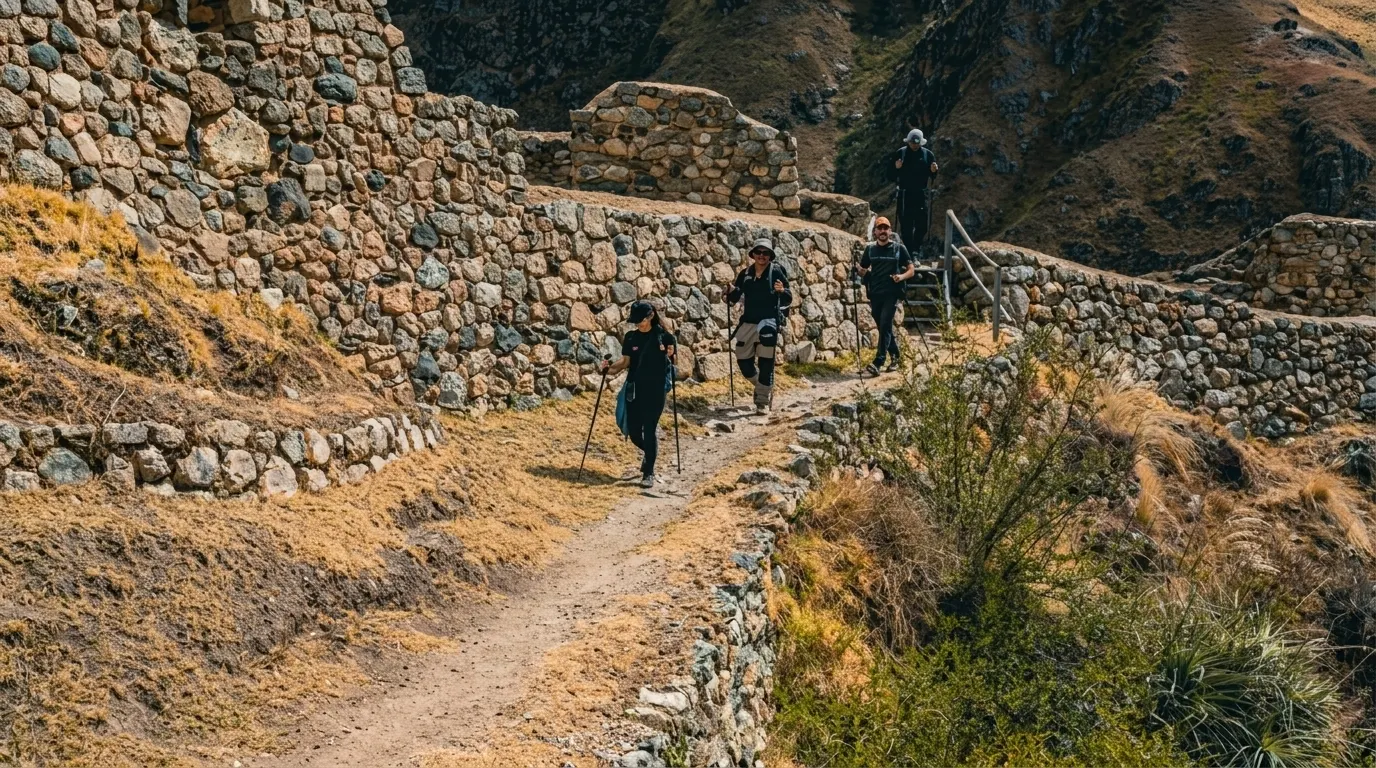
Trekking the historic Inca Trail to Machu Picchu is one of the most sought-after journeys in South America. This ancient path winds through cloud forest, Andean passes, and remote archaeological sites before reaching the iconic citadel.
The best time to hike the Inca Trail is during the dry season, from May to September, when you'll enjoy sunny days and clear mountain views. However, many experienced hikers consider April, May, September, and October the ideal months for fewer crowds, pleasant weather, and lush scenery.
The big question for many travellers is when to go. Peru's Andes have a clear dry and wet season, and the Inca Trail is regulated with limited permits. Knowing the best time to hike not only improves your experience but also helps you secure coveted permits well in advance.
This long-form guide explains seasonal weather, peak crowds, 2027 permit release dates, luxury options, and practical tips so you can plan the perfect Inca Trail trek, whether you're considering a classic four-day expedition or a glamping-style luxury adventure.
Trekking the historic Inca Trail to Machu Picchu is one of the most sought-after journeys in South America. This ancient path winds through cloud forest, Andean passes, and remote archaeological sites before reaching the iconic citadel.
The best time to hike the Inca Trail is during the dry season, from May to September, when you'll enjoy sunny days and clear mountain views. However, many experienced hikers consider April, May, September, and October the ideal months for fewer crowds, pleasant weather, and lush scenery.
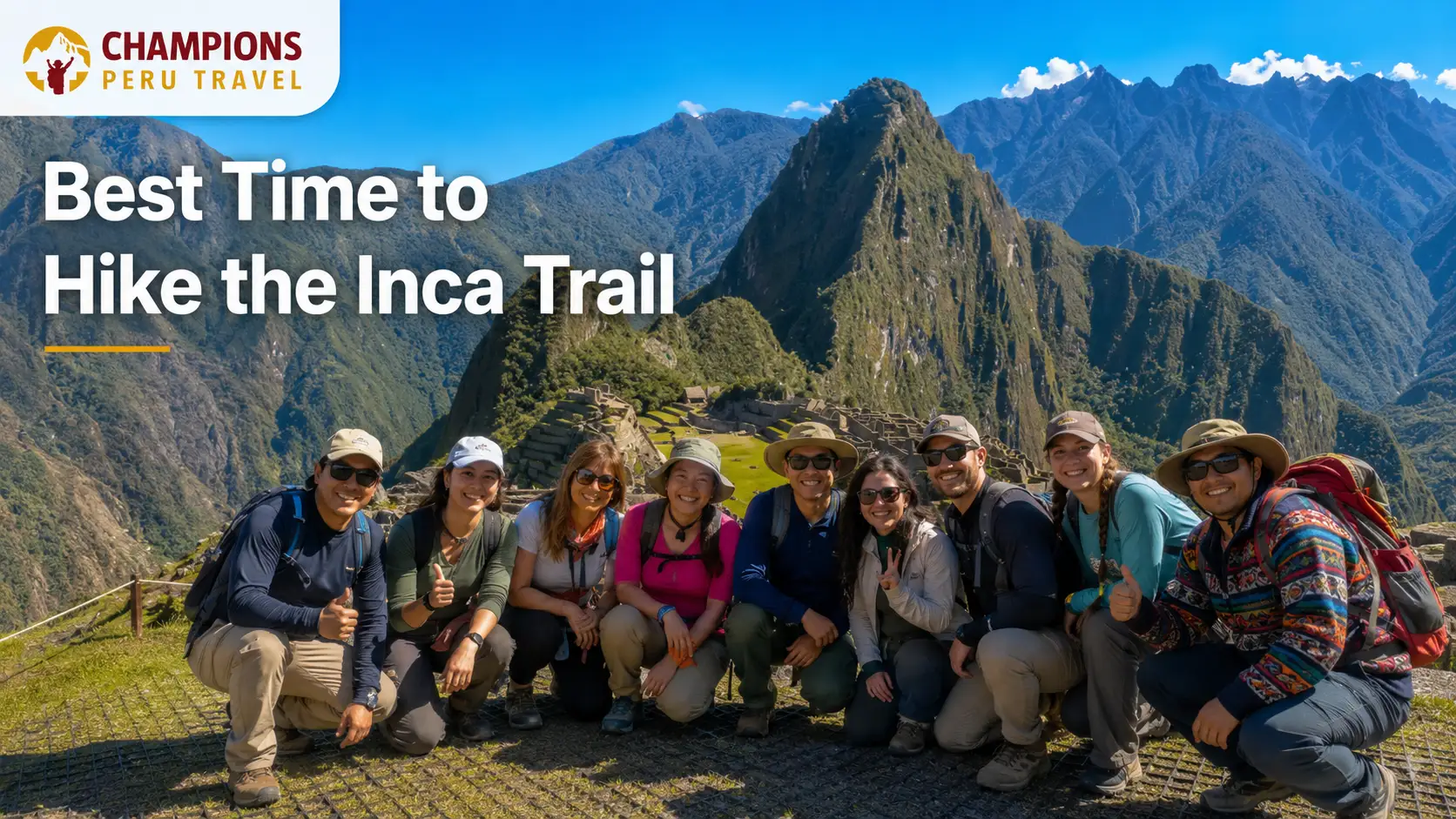
The big question for many travellers is when to go. Peru's Andes have a clear dry and wet season, and the Inca Trail is regulated with limited permits. Knowing the best time to hike not only improves your experience but also helps you secure coveted permits well in advance.
This long-form guide explains seasonal weather, peak crowds, 2027 permit release dates, luxury options, and practical tips so you can plan the perfect Inca Trail trek, whether you're considering a classic four-day expedition or a glamping-style luxury adventure.
Quick answer: When is the best time to hike the Inca Trail?
The Inca Trail in Peru is open from March through January (closed in February for maintenance) and can technically be hiked year-round, but conditions vary. The best months to trek are generally from May to September, when the dry season offers clear skies and little rain. Within that window, June, July, and August have the most reliable weather, though they're also the busiest.
For fewer crowds with decent weather, aim for the shoulder months: late April, early May, late September or early October. Permits for the classic trail sell out quickly in these high-demand months, so plan six to ten months in advance. For a 2027 trek in peak season, that means reserving during 2027.
If you want to avoid the four-day camping experience but still enter via the Sun Gate, consider the Short Inca Trail, a two-day trek starting at KM 104.
Understanding the Seasons on the Inca Trail
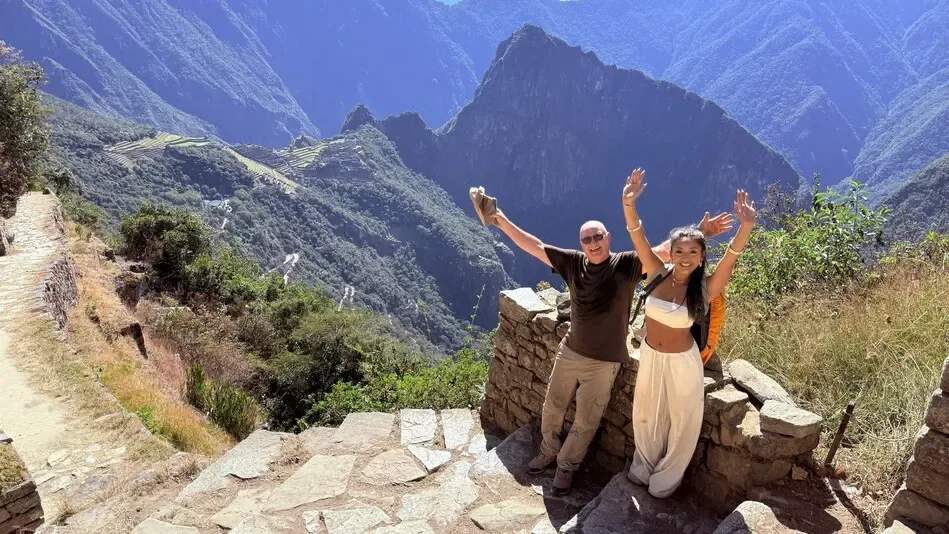
Dry season (May to September)
The Andes near Cusco have two main seasons. May through September is the dry season, with mostly clear skies and stable weather. During these months, you're more likely to enjoy panoramic views of snow-capped mountains and Inca ruins without constant rain. May, June, July, August, and September are widely considered the five best months to hike in Peru. These months coincide with the North American summer holidays, so expect peak demand. Permits often sell out as soon as they're released.
Mornings and nights can be cold, especially at higher camps. Daytime temperatures are mild, but nights can dip below freezing at high elevations. Bring layers, including a warm down jacket for evenings and a hat for early starts.
Shoulder season (late April, early May, late September and early October)
If you want good weather with fewer hikers, plan for the shoulder months. Late April and early May offer lush scenery as the rainy season ends. The mountains are still green, and wildflowers bloom. Late September and early October mark the start of spring with mild conditions but fewer travellers. These shoulder months bring quieter trails, a less crowded citadel, and relatively good weather.
Wet season (November to April) and the February closure
The wet season runs from November through April, with heavy rainfall in December and January. Trails can be slippery and cloudy, and river crossings may be more challenging. November and March can still be hiked if you don't mind occasional showers and smaller crowds, but plan for mud and bring waterproof gear. The Peruvian government closes the Inca Trail every February for maintenance. Travellers can still visit Machu Picchu by train during that month, but trekking is not allowed.
Daytime vs night-time temperatures
Machu Picchu's subtropical climate means moderate daytime temperatures and cold nights year-round. Average highs hover around 20 °C (68 °F) while lows drop to about 8 °C (46 °F). At higher campsites on the trail, temperatures can fall below freezing at night. Bring layered clothing and a quality sleeping bag to stay comfortable.
Best Months to Hike the Inca Trail
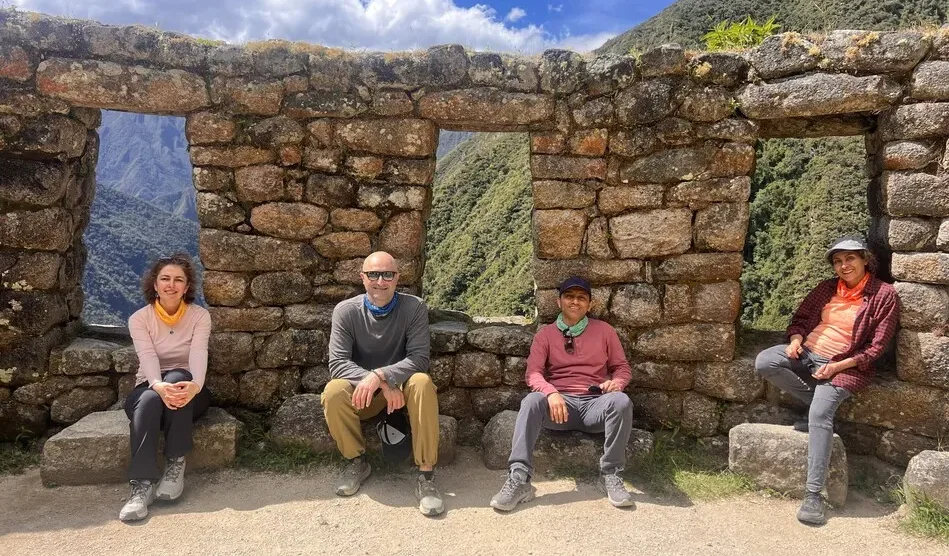
If you are planning to hike the Inca Trail in 2027, the best travel window is generally from mid-April through October. Peru's official tourism information identifies April through October as the period with more favourable conditions for hiking the Classic Inca Trail, while May through September typically brings the lowest rainfall in the Cusco region.
For most travellers, May, June, July, August, and September are the best months to hike the Inca Trail in 2027 if drier trails and a greater chance of clear mountain views are the priority. June through August sit in the heart of the dry season, but these months are also among the most popular, so availability can become limited.
Travellers looking for a balance between good weather, green landscapes, and slightly fewer peak-season visitors should consider late April, May, September, or early October. Weather in the Andes can change quickly, so even during the dry season, hikers should still carry rain protection and warm layers.
If your main goal is the Classic 4-Day route, May and September are especially attractive because they combine favourable seasonal conditions with travel dates outside part of the June-to-August peak period. You can review the 4-Day Classic Inca Trail itinerary to see what the full trek involves.
Which Month Should You Choose for the Inca Trail in 2027?
| July | Dry but cold at higher camps | Summer vacation travellers |
| August | Dry conditions and high demand | Reliable trekking weather |
| September | Relatively dry with easing peak demand | Couples and flexible travelers |
| Early October | More variable but still favourable | Shoulder-season travel |
If your main goal is the Classic 4-Day route, May and September are especially attractive because they combine favourable seasonal conditions with travel dates outside part of the June-to-August peak period. You can review the 4-Day Classic Inca Trail itinerary to see what the full trek involves.
When Should You Book the Inca Trail for 2027?
Travellers interested in the Inca Trail 2027 should start planning their preferred dates early, especially for departures between May and August.
Access to the Classic Inca Trail is strictly regulated. Peru's official tourism information limits the route to 500 people per day, including tourists, guides, porters, and other support personnel, so the number of actual trekking permits is much smaller than 500.
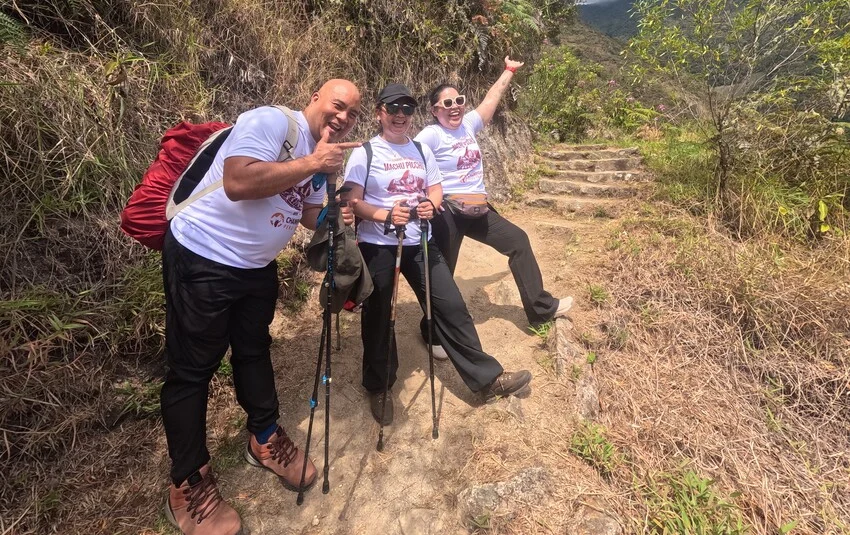
However, planning or making an advance reservation for 2027 should not be confused with receiving an official government permit. The final permit depends on the official release process and availability.
For updates about the next season, permit planning, and when to reserve, see our complete guide to planning the Inca Trail in 2027 and our guide to Inca Trail permits and availability.
Booking early is particularly important if:
- You want to hike between May and August 2027.
- Your international flights and vacation dates are fixed.
- Several people in your group need permits for the same departure.
- You want a private, luxury, or small-group Inca Trail experience.
- You have only one possible trekking date.
The Inca Trail is also closed every February for annual conservation and maintenance, so February 2027 should not be included in your trekking plans. Official tourism information recommends the dry-season period from April through October and confirms that access is regulated through authorised agencies with advance reservations.
If you are already considering an Inca Trail hike in 2027, choosing two or three possible departure dates now can give you more flexibility once official permit availability is confirmed.
Permits and Booking Guidelines
Permit limits and why they matter
Access to the Inca Trail is strictly regulated to protect the environment. Only 500 permits are available per day, and this number includes around 200 hikers and 300 guides, porters, and support staff. The Short Inca Trail (2-day trek) has about 250 permits per day. Permits are issued by Peru's Ministry of Culture and are personal, non-transferable, and non-refundable.
Release dates and how early to book for 2027
Permits for the following year usually go on sale in October of the previous year. Inca Trail permits for 2027 are expected to be released in the first week of October 2027, although the exact date is confirmed only shortly beforehand by the Peruvian authorities.
Demand is highest for dry-season months. For high-season departures (May to August 2027), book 6 to 10 months in advance, and ideally reserve with us before the October release so we can secure your date the moment the system opens.
For shoulder months (March, April, September to November), a lead time of 3 to 6 months is often sufficient. December and January are easier to secure but come with rainier weather.
Check what is currently available on our Inca Trail permit availability page.
Costs and packages
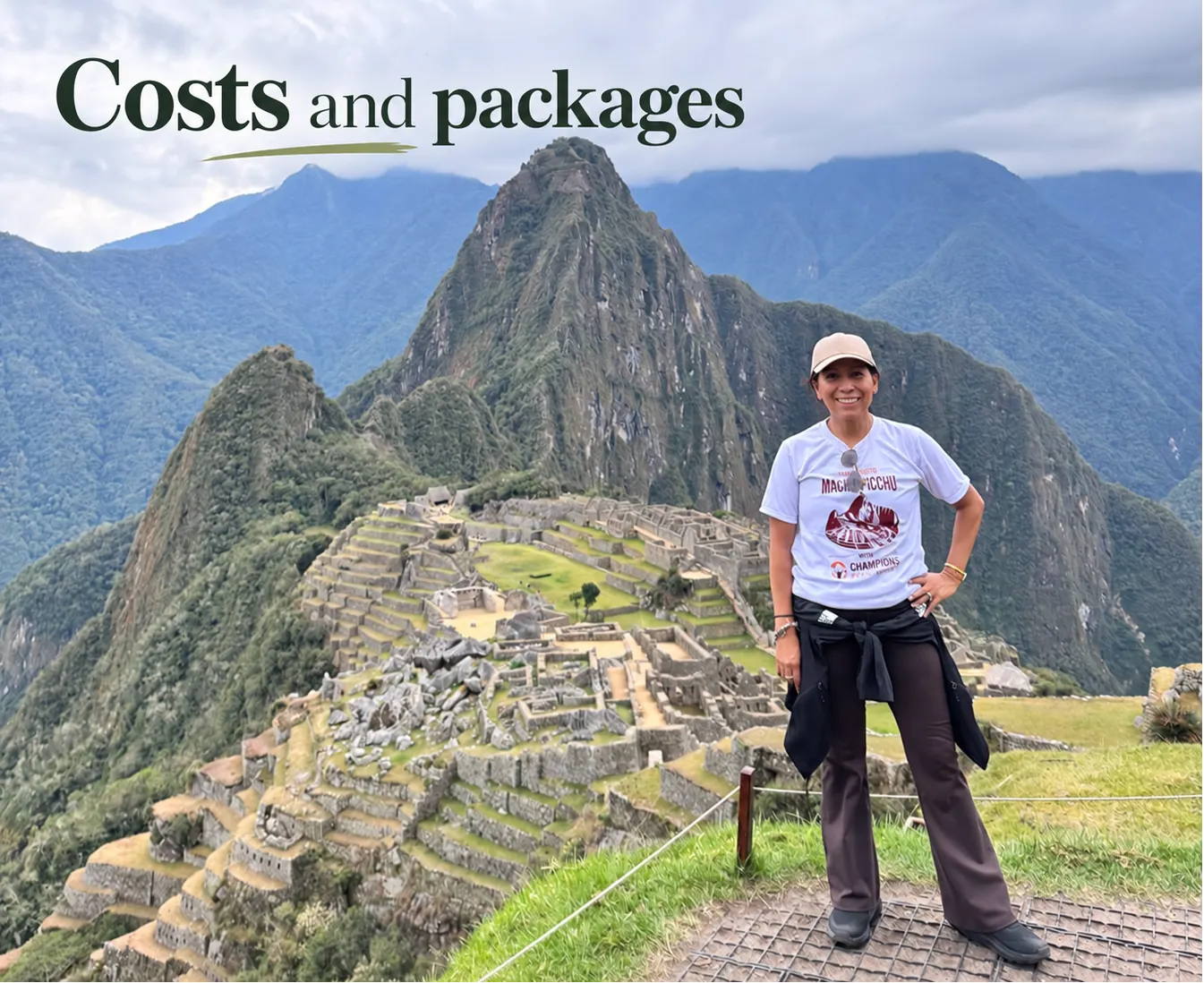
A standard four-day Inca Trail package typically includes the permit, licensed guides, porters, camping equipment, meals, and transportation from Cusco. Standard packages cost roughly USD 745 to 900 per person. Luxury packages with glamping tents, gourmet dining, and upgraded transport can exceed USD 2,500 per person.
Confirm with your operator exactly what is included, particularly the Machu Picchu entrance ticket, since several Peruvian operators now report that the citadel ticket is a separate purchase under updated Ministry of Culture rules. Contact us for confirmed 2027 pricing on your dates, or see our full Inca Trail cost guide.
Tips for securing a permit
- Plan: decide your travel window one year out and be ready to book when 2027 permits open in October 2027.
- Be flexible: have several potential start dates to increase your chances of securing a permit.
- Choose an authorised operator: only licensed agencies in Peru can obtain permits.
- Consider travel insurance: permits are non-refundable. Insurance can cover unforeseen cancellations.
- Opt for the Short Inca Trail: if the classic trail is sold out, the 2-day version is easier to book and still offers a trek through the Sun Gate.
The Classic 4-Day Inca Trail
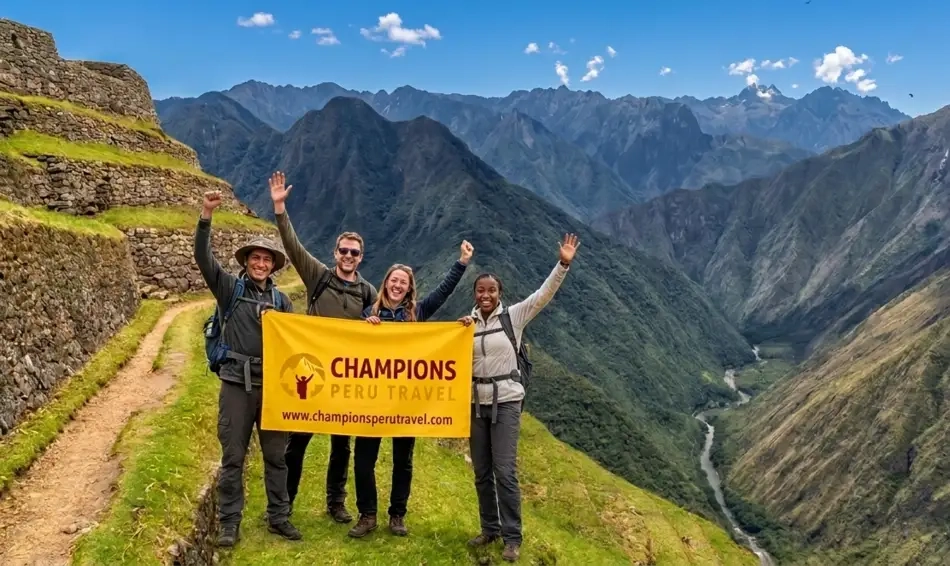
Route overview and elevation profile
The classic Inca Trail covers about 42 km (26 mi) over four days and follows an undulating path through Andean valleys and mountain passes. Elevation ranges between 2,200 m and 4,215 m above sea level. The trail begins at KM 82 (2,600 m) and climbs steadily to Dead Woman's Pass at 4,215 m, then descends and crosses two more passes before descending again to Machu Picchu.
Day 1 typically starts at KM 82 and passes the Llactapata ruins (2,250 m). You camp at Wayllabamba (around 3,100 m). Day 2 is the toughest, with a steep ascent to Dead Woman's Pass (4,215 m) and a descent into the Pacaymayo Valley.
Day 3 crosses the Runquraqay Pass (3,975 m) and passes Phuyupatamarca and Wiñay Wayna ruins before reaching the final campsite. Day 4 starts before dawn. You walk to Inti Punku (the Sun Gate) for the first view of Machu Picchu and then descend to the citadel for a guided tour.
Full trip details are on our Classic 4-Day Inca Trail page.
Difficulty level and acclimatisation
The Inca Trail is considered easy to moderate in difficulty. Millions of people of all ages have completed it, and most of the trek fallshttps://championsperutravel.com/4-day-classic-inca-trail-hike into that easy to moderate range. However, altitude can make the hike strenuous. The highest point (Dead Woman's Pass) sits above 4 km, and altitude sickness is a real risk.
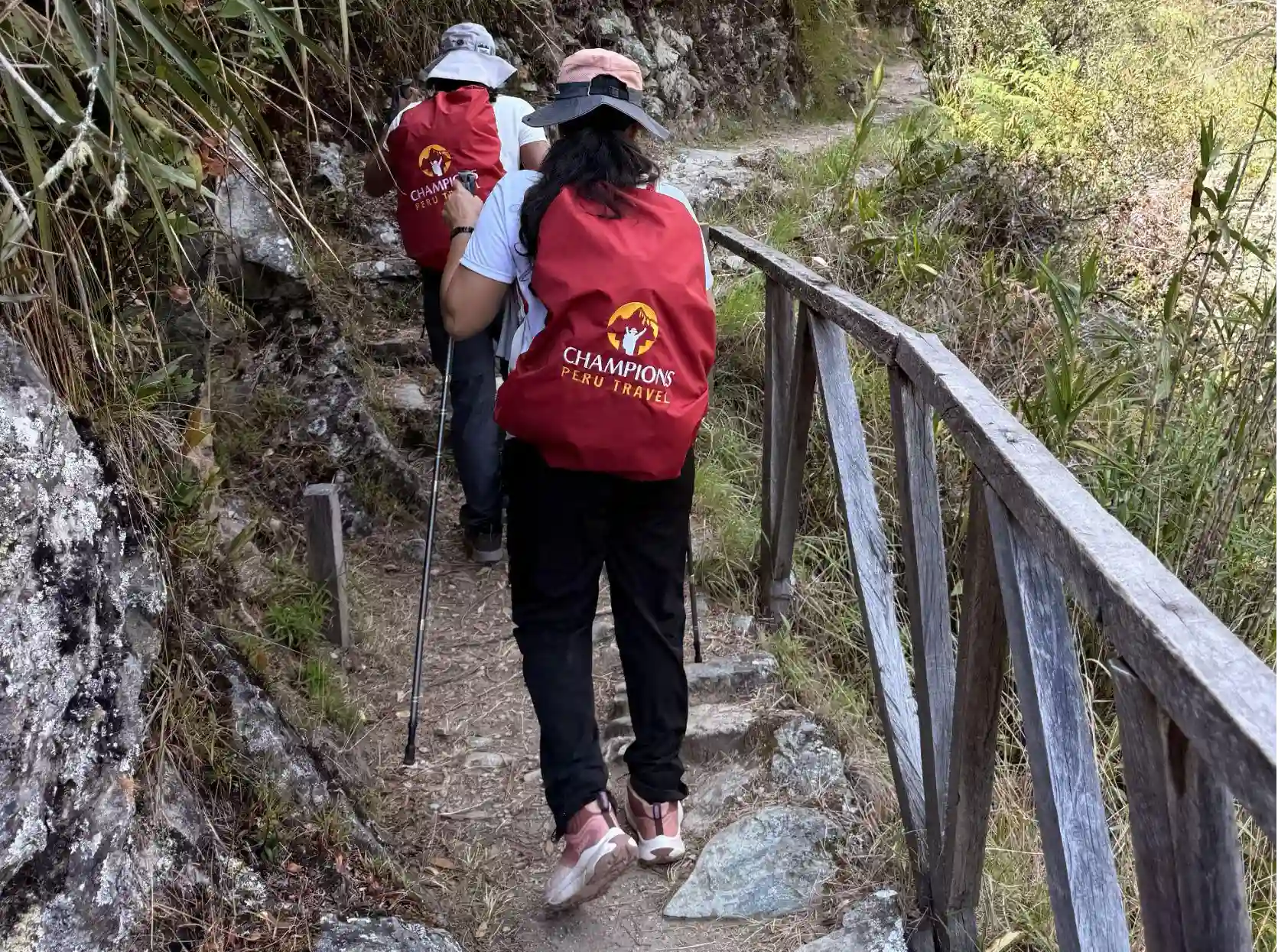
Spending a couple of days acclimatising in Cusco (3,400 m) before starting the trek is essential. Training with cardio, stair climbing, and hikes at home will make the ascent easier. Those with knee problems should be prepared for long descents and numerous stone steps.
For a fuller breakdown, see our guide on how difficult the Inca Trail is.
Logistics and experience
- Guided only: You must hike with a licensed guide. Independent trekking is not allowed anywhere on the Inca Trail in Peru.
- Camping: Campsites are designated. Porters carry tents, kitchen equipment, and up to 7 kg (15 lb) of your personal gear, but you carry your own daypack.
- Historical sites: Along the way, you'll explore sites such as Llactapata, Runkurakay, Sayacmarca, Phuyupatamarca, and Wiñay Wayna before finally reaching Machu Picchu.
- Cultural immersion: Guides provide historical context and help you learn a few Quechua words. Local porters are often from nearby villages, and tipping is customary.
The Luxury Inca Trail
What makes a trek "luxury"
Luxury or glamping Inca Trail tours follow the same path as standard tours, but transform the camping experience. A luxury trek often includes hotel-style benefits such as gourmet meals, cosy sleeping arrangements, and other special surprises.
Instead of crowding into small tents with shared bathrooms, hikers stay in spacious tents outfitted with stretcher beds, cotton sheets, and duvets. Porters set up private bathroom facilities with portable chemical toilets and even hot showers.
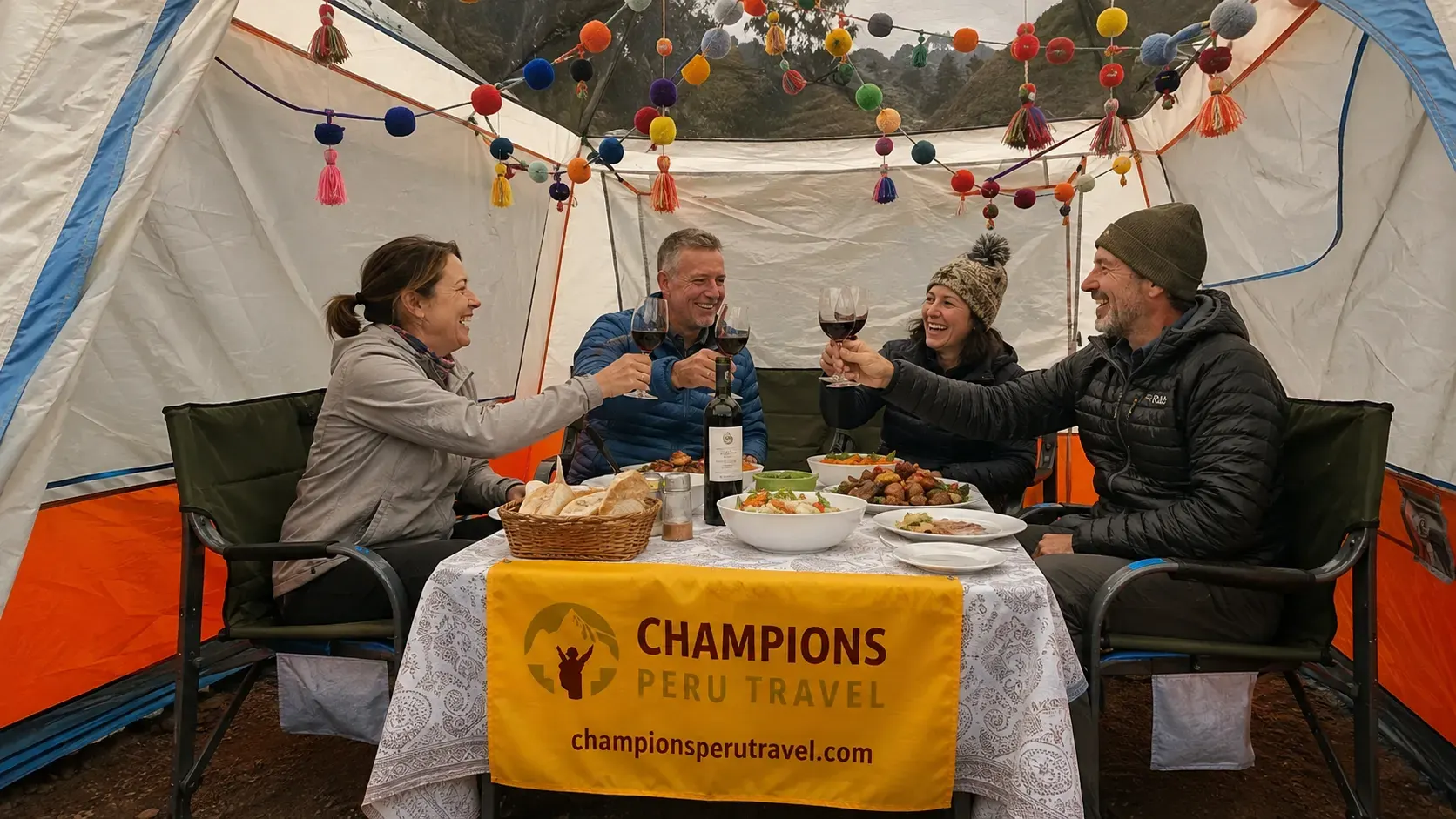
Luxury operators also prioritise fine dining. Meals are freshly prepared by trained chefs and served on tables set with linens and silverware. Some tours include afternoon tea service and a selection of wines or cocktails. The difference lies not in the distance walked but in the comfort and service at camp.
Exclusive services and transport
Higher-end tours offer exclusive arrangements such as a private guide, flexible pace and customised itineraries. Transportation upgrades may include private car transfers from your hotel in Cusco and luxury train services like the Hiram Bingham train.
Our comparison of Inca Rail and PeruRail covers the train options in detail. When you reach Machu Picchu, a private guide often leads you through less crowded circuits, giving you more time at terraces and temples.
Pros and cons
Pros: Unmatched comfort, gourmet food, private bathrooms, smaller groups and personalised service. Ideal for special occasions or those who want a premium experience.
Cons: Significantly higher cost, from around USD 2,500 per person. Even on a luxury trip, you still walk the same distance and climb the same passes. You'll work just as hard to reach the Sun Gate.
Our comparison of the luxury and standard Inca Trail sets out exactly what differs.
Who should choose a luxury tour?
If you're celebrating an anniversary, honeymoon, or milestone birthday, a luxury trek adds extra romance. It's also perfect for travellers who dislike camping or who want to treat themselves after other adventures. Families or private groups may enjoy the exclusivity of a private guide and camp staff. For budget travellers, a standard trek delivers the same spectacular scenery and sense of achievement at a fraction of the cost.
The Short (2-Day) Inca Trail
Overview of the route
The Short Inca Trail is a condensed trek for those who want the experience of hiking into Machu Picchu via the Sun Gate but cannot commit to four days of camping. The hike starts at KM 104 on the railway line and covers roughly 11 to 12 km.
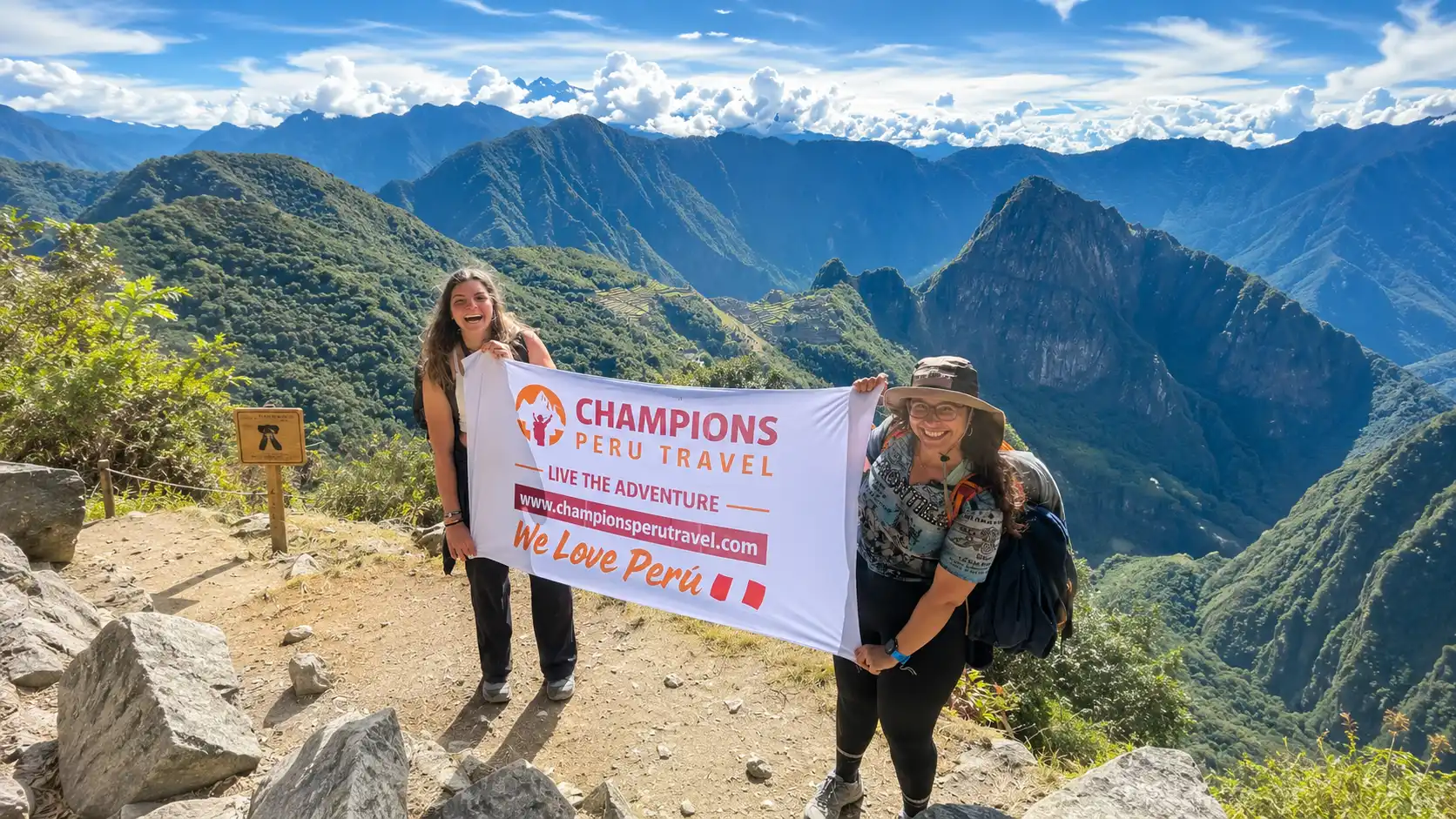
You walk for about 6 to 7 hours through cloud forest and Inca ruins, then arrive at Machu Picchu in the late afternoon. After spending the night in a hotel in Aguas Calientes (the town at the base of Machu Picchu), you return to the citadel early the next morning for a guided visit.
What you actually do
On Day 1, you take a train from Ollantaytambo or Cusco to KM 104. From the trailhead, you visit Chachabamba ruins, then climb through cloud forest to Wiñay Wayna, one of the most beautiful Inca sites. After lunch, you ascend to Inti Punku (Sun Gate) for a panoramic view of Machu Picchu. You then descend by bus to Aguas Calientes for a hot shower and a comfortable bed.
On Day 2, you take an early bus back up to Machu Picchu. Regulations require timed entry and fixed circuits, so confirm your ticket time the night before. Our Machu Picchu circuits guide explains which route gives which view. You explore the citadel with your guide, then return to Cusco by train.
Ideal candidates and tips
This trek is perfect for travellers who want the thrill of the Sun Gate arrival but prefer day hiking with hotel accommodation. You still need a permit and must book through an authorised operator.
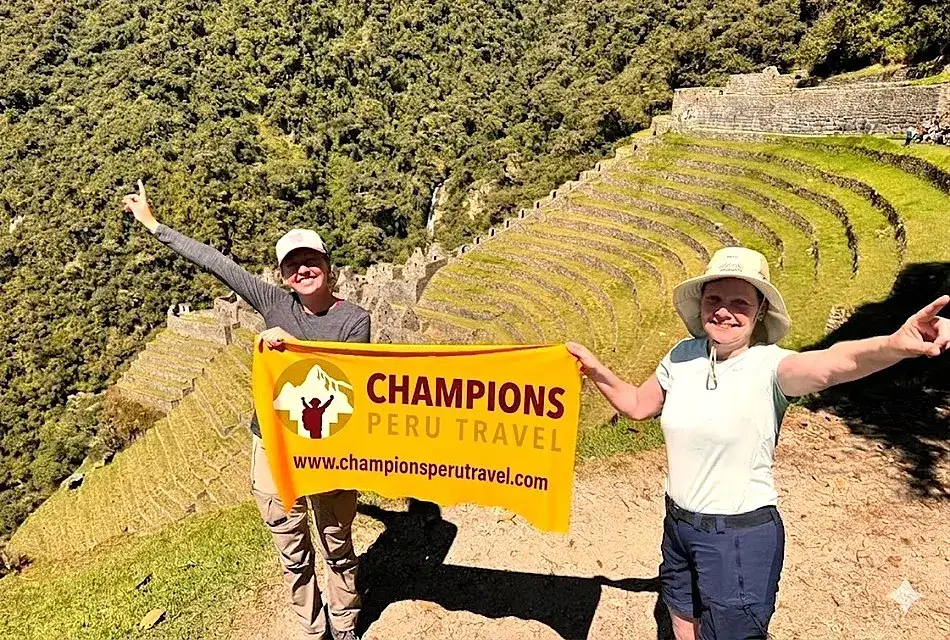
The shorter distance makes it suitable for moderately fit travellers, including families with older children. Pack light, because Machu Picchu enforces backpack size limits. As with the classic trail, acclimatise in Cusco beforehand to avoid altitude issues.
See our short versus classic Inca Trail comparison if you are deciding between the two.
Cost and Budget Considerations
Standard vs luxury pricing
- Standard 4-day trek: Expect to pay USD 745 to 900 per person for a package that includes permits, guides, porters, meals, tents, and transportation. Tip porters and guides separately at the end of your trek.
- Luxury 4-day trek: Premium glamping experiences cost USD 2,500 or more per person. This includes gourmet dining, spacious tents, private bathrooms, and sometimes upgraded train services.
- Short 2-day trek: Prices vary by operator, but costs are generally lower than the classic route because there are fewer camping nights and porters. Packages usually include the permit, train tickets, a hotel in Aguas Calientes, and a guide.
Additional expenses
- Tips: Budget around USD 10 to 20 per porter and USD 30 to 40 per guide for the four-day trek, adjusted for group size.
- Train upgrades: For a more comfortable return to Cusco, upgrade to the Vistadome or Hiram Bingham train (additional USD 75 to 450 depending on class).
- Extra nights: Many travellers spend extra nights in Cusco or the Sacred Valley before or after the trek. Factor in hotel costs, meals, and local tours.
- Travel insurance and vaccinations: Always include health and cancellation insurance. Some vaccines (for example, Yellow Fever) are recommended if you're travelling elsewhere in Peru.
Difficulty and Fitness
Is the Inca Trail hard?
While the trail involves multiple mountain passes, most of the hike is classified as easy to moderate. With proper preparation, hikers of all ages have completed it. The main challenge is altitude, as the air gets thinner as you approach 4 km above sea level.
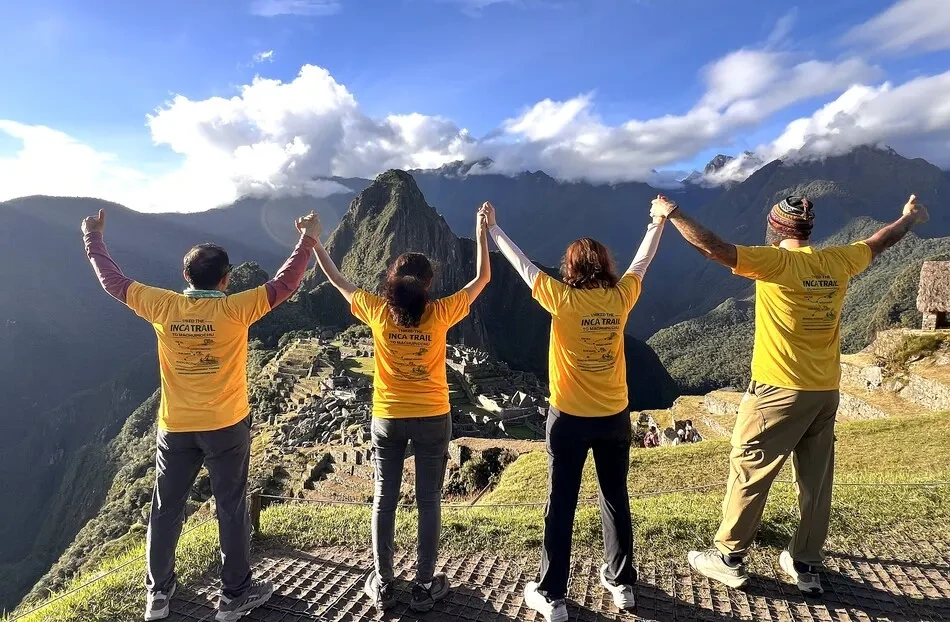
Trekking days vary from 5 to 10 km (3 to 6 mi) with a mix of ascents and descents. The most difficult section is the steep climb to Dead Woman's Pass, which can take three to five hours of continuous uphill.
If you are unsure whether you are ready, see our guide on whether beginners can hike the Inca Trail.
Training tips
- Aerobic conditioning: Start training at least two months before your trip. Jogging, swimming, cycling, and stair climbing build endurance.
- Hiking practice: Regular day hikes with a loaded backpack strengthen your legs and help you become comfortable on uneven terrain.
- Stair workouts: The trail features long stone staircases. Practice climbing and descending stairs to prepare your knees for the descent.
- Flexibility and strength: Add yoga or stretching and core exercises to improve balance and reduce injury.
Acclimatization
Spend two to three days in Cusco (3,400 m) to acclimatise before the trek. Drink plenty of water, avoid alcohol, and eat light meals. The CDC Yellow Book notes that for destinations like Cusco, sleeping at a lower elevation than the airport for a night or two can help, which is one reason many travellers start in the Sacred Valley.
Consider visiting nearby sites like Sacsayhuamán and the Sacred Valley while adjusting to the altitude. If you're prone to altitude sickness, consult your doctor about medications such as acetazolamide.
Packing List
Essential items for your daypack
Although porters carry the bulk of your gear (up to 7 kg), you'll need a daypack with essentials. The trail passes through misty cloud forest and exposed alpine passes where it can be cold, blazing hot, or unexpectedly wet on the same day, so pack for all of it. Key items include:
- Small daypack (15 to 25 L) with rain cover.
- Waterproof hiking boots and trekking poles.
- Hydration reservoir or water bottles.
- High-energy snacks and electrolyte mix.
- Layered clothing: base layers, fleece or synthetic mid-layer, insulated jacket, and waterproof shell. Temperatures can change dramatically throughout the day.
- Sun protection: hat, sunglasses, sunscreen, and neck gaiter.
- First-aid kit, headlamp, and personal toiletries.
- Passport and permits. You must carry your original passport for checkpoint controls.
Our full Inca Trail packing list covers everything in detail.
Gear carried by porters
Porters typically carry your duffel bag (provided by the tour operator), including your sleeping bag, sleeping pad, change of clothes, toiletries, and camp shoes. Pack your belongings in waterproof bags to prevent moisture. For the luxury trek, your duffel may include luxury bedding and personal bathroom items.
Packing tips for the short trek
Because the Short Inca Trail ends at Machu Picchu, where backpack size rules are enforced, pack lightly and keep daypacks under the allowed dimensions. A small overnight bag goes to Aguas Calientes with the train. Bring only essentials for the trail.
Safety and Acclimatisation
Altitude sickness
Altitude sickness, or soroche, can affect anyone regardless of fitness. Symptoms include headache, nausea, dizziness, and shortness of breath. To minimise risk:
- Spend a few days in Cusco to acclimatise.
- Drink plenty of water and avoid alcohol.
- Eat light meals and rest.
- Consider coca tea or prescribed altitude medication.
- Descend if symptoms persist or worsen.
Guides carry emergency oxygen and first-aid kits, and luxury operators often provide oxygen bottles at camp. Always tell your guide if you feel unwell.
Trail safety
- Stay on the trail: The Inca Trail winds along steep drop-offs. Stepping off can lead to accidents.
- Pace yourself: The high altitude makes exertion harder. Walk slowly, breathe deeply, and take short breaks.
- Proper footwear: Wear broken-in waterproof boots with ankle support.
- Hydration: Carry at least two litres of water per day. Many operators provide boiled water in the mornings and evenings.
- Respect the porters: They work hard to make your trek comfortable. Avoid overpacking and follow weight limits. See our responsible travel policy.
Health precautions
Travel insurance that covers medical evacuation is advisable for any high altitude trek in Peru. Bring personal medications and a basic first-aid kit (plasters, blister care, painkillers, antihistamines, hand sanitiser). The sun at altitude is strong, so wear high-SPF sunscreen and lip balm.
Weather and When to Visit
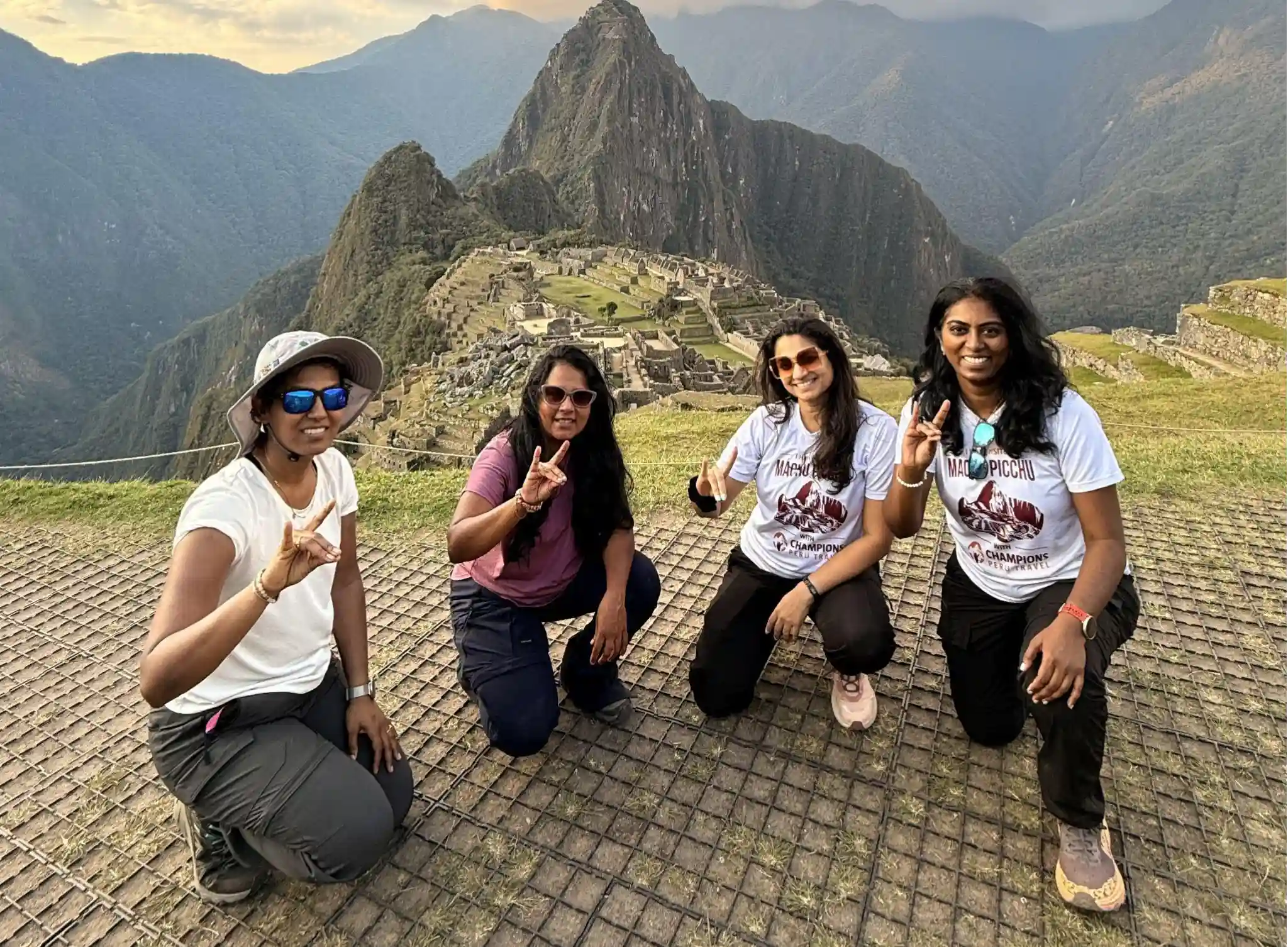
Temperature and rainfall patterns
Machu Picchu has relatively consistent daytime temperatures but notable seasonal differences in rainfall. Daytime highs remain around 20 °C (68 °F), while nights cool to 8 °C (46 °F). During the dry season, rain is rare, and skies are clear. The wet season (November to April) brings heavy precipitation, especially in December and January. May through September is the driest window, but plan for cold nights.
Sunrise and sunset
Because Cusco sits in the Southern Hemisphere, sunrise is latest around June and July, at roughly 6:10 am, and earliest around December, at roughly 5:00 am. Most trekkers wake before dawn on the final day to reach the Sun Gate for sunrise. Evening comes quickly, so bring a headlamp and be prepared for early nights.
Festivals and cultural events
Travel in late June to coincide with Inti Raymi, the Andean Festival of the Sun, celebrated in Cusco. July 28 is Peru's Independence Day, another busy time. If you travel during these festivals, expect high demand for accommodation and permits.
Alternative Treks and Routes
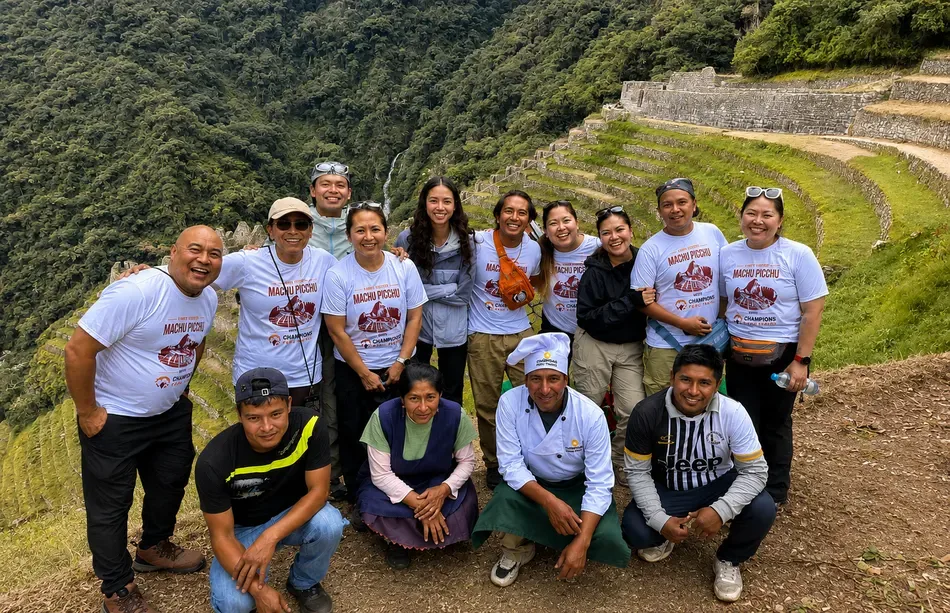
If Inca Trail permits are sold out or you want a different challenge, several alternative treks lead to Machu Picchu:
- Salkantay Trek: A five-day route covering about 74 km (46 mi). It is more demanding and remote, with high passes and glacier views. Camping is required.
- Lares Trek: A 39 km (24 mi) trek completed in 2 to 3 days. The route passes through Andean villages and involves fewer stairs. It's considered easier than the classic trail.
- Vilcabamba Trek: An off-the-beaten-path option reaching altitudes above 4,000 m. Best for experienced hikers.
- Choquequirao Trek: Leads to another Inca city and can take 4 to 8 days. It's more strenuous but offers solitude and stunning ruins.
- Ausangate and Rainbow Mountain: Multi-day high-altitude trek with dramatic landscapes, often combined with Rainbow Mountain.
These treks don't require an Inca Trail permit, though you will still need a Machu Picchu entrance ticket. They are longer and can be more challenging, and they're excellent alternatives if you crave adventure without the permit rush. Our comparison of Salkantay and the Inca Trail covers the main differences.
Travel Tips and Practical Advice
Getting to Cusco and acclimatisation
Most international flights arrive in Lima, Peru's capital. From Lima, fly to Alejandro Velasco Astete International Airport (CUZ) in Cusco, a 75-minute flight. Spend a few days exploring Cusco and the Sacred Valley to adjust to the altitude before trekking. Visit the San Pedro Market, the Sacsayhuamán ruins, and the colonial plazas while acclimatising.
Currency and language
The Peruvian Sol (PEN) is the local currency. Carry cash for tips and small purchases, as ATMs are widely available in Cusco. Spanish is the official language of Peru, and learning basic phrases or Quechua greetings can enhance your interactions with porters and locals.
Power and connectivity
In Cusco and Aguas Calientes, you'll find Wi-Fi in most hotels and cafés. On the trail, there is no cell service, so use offline maps and inform family of your itinerary. Bring a power bank to keep your phone and camera charged.
Responsible travel
The Inca Trail is a fragile environment and sacred to local communities. Pack out all trash, use biodegradable toiletries, and stay on marked paths. Support operators who treat porters fairly and adhere to Peru's environmental regulations.
For USA travellers
- Time zone: Peru is typically one hour behind Eastern Daylight Time during the Northern Hemisphere summer. No visa is required for tourist visits up to 90 days.
- Flights: Many airlines offer overnight flights from the USA to Lima with connecting morning flights to Cusco.
- Health: Up-to-date vaccinations (tetanus, hepatitis A and B) are recommended. Travel insurance with evacuation coverage is essential due to the remote location.
Plan Your 2027 Trip with Champions Peru Travel
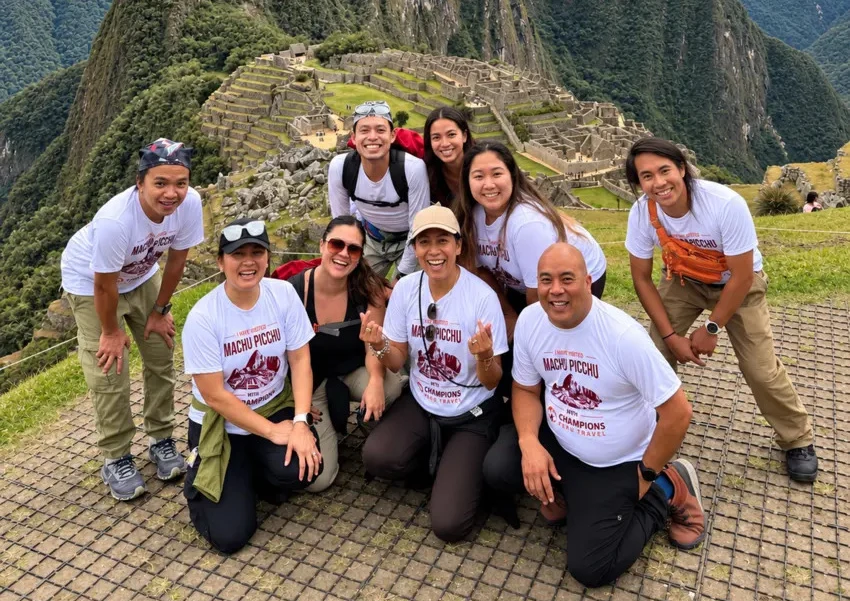
Champions Peru Travel is a locally owned tour operator based in Cusco. Our team of experienced guides, porters, and travel experts specialises in the Inca Trail, Sacred Valley excursions, and tailor-made Peru itineraries. When you book with us, you benefit from:
- Local expertise: Our guides are born and raised in the region and share deep knowledge of Inca history, flora, and fauna.
- Personalised itineraries: We offer small-group and private departures. Choose from classic or luxury Inca Trail tours, Short Inca Trail packages, or bespoke Peru adventures.
- Seamless logistics: We manage permits, train tickets, transportation, and accommodations so you can focus on the experience.
- Safety first: Our team carries first-aid kits and emergency oxygen. Porters receive fair wages and proper equipment.
- Authentic experiences: Beyond the Inca Trail, we organise visits to indigenous communities, Rainbow Mountain hikes, and gourmet food tours.
You can also read why travellers choose us.
Whether you're seeking a classic four-day trek or a glamping-style luxury adventure, Champions Peru Travel can craft the perfect itinerary. Planning a 2027 Inca Trail trek? Contact Champions Peru Travel, email info@championsperutravel.com, or call +51 986 029 262 to start planning your once-in-a-lifetime journey.
Frequently Asked Questions
When is the best time to hike the Inca Trail?
The best months are May through September during the dry season. June to August have the most reliable weather, but also the most crowds. For fewer hikers with good conditions, choose late April, May, or October.
Is the Inca Trail open year‑round?
The trail is open from early March through late January. It closes every February for maintenance and conservation work. Wet‑season months (December–March) are wetter and less ideal for hiking.
How far in advance should I book my Inca Trail permit?
For high‑season dates (May–August), reserve 6–10 months ahead. For shoulder months (March–April, September–November), booking 3–6 months in advance is often sufficient. Permits go on sale each October.
What is the difference between the classic and short Inca Trail?
The classic trek is a four‑day, 42 km hike through multiple passes, requiring camping and porters. The Short Inca Trail is a two‑day trek starting at KM 104 that covers 11–12 km and includes one hotel night. Both routes require permits and end at Machu Picchu via the Sun Gate, but the short version suits those with limited time or lower fitness.
How difficult is the Inca Trail?
The trek is generally graded as easy to moderate. The altitude, particularly the climb to Dead Woman’s Pass at 4,215 m, is the main challenge. Regular training and acclimatization help mitigate difficulties. Most relatively fit travellers can complete the trail.
What should I pack for the Inca Trail?
Bring a daypack with a rain cover, layered clothing, waterproof boots, trekking poles, hydration system, sun protection, a first‑aid kit, headlamp and your passport. Porters carry your duffel bag. Pack lightly for the Short Inca Trail because Machu Picchu enforces backpack size limits.
How much does it cost to hike the Inca Trail?
Standard four‑day packages range from USD 745–900 and include permits, guides, porters, meals, and transportation. Luxury packages exceed USD 3,500. The Short Inca Trail is cheaper since it requires fewer nights and porters.
Do I need a guide and porters?
Yes. Independent trekking is not allowed. Licensed guides lead groups and ensure safety. Porters carry camping gear and up to 7 kg of your personal items. Hiring porters helps preserve local employment and minimizes impact on the trail.
What happens if Inca Trail permits sell out?
Consider alternative treks like Salkantay (5 days), Lares (2–3 days), Choquequirao (4–8 days), or Vilcabamba. These routes don’t require permits and offer equally beautiful scenery. You can also still visit Machu Picchu by train while waiting for a trek permit.
Is a luxury trek worth it?
Luxury treks provide high‑end comfort, spacious tents, private bathrooms, and gourmet food. They cost significantly more but are ideal for special occasions or travellers who dislike rough camping. The scenery and physical challenge are the same on both luxury and standard treks.