
 en
en
 es
es


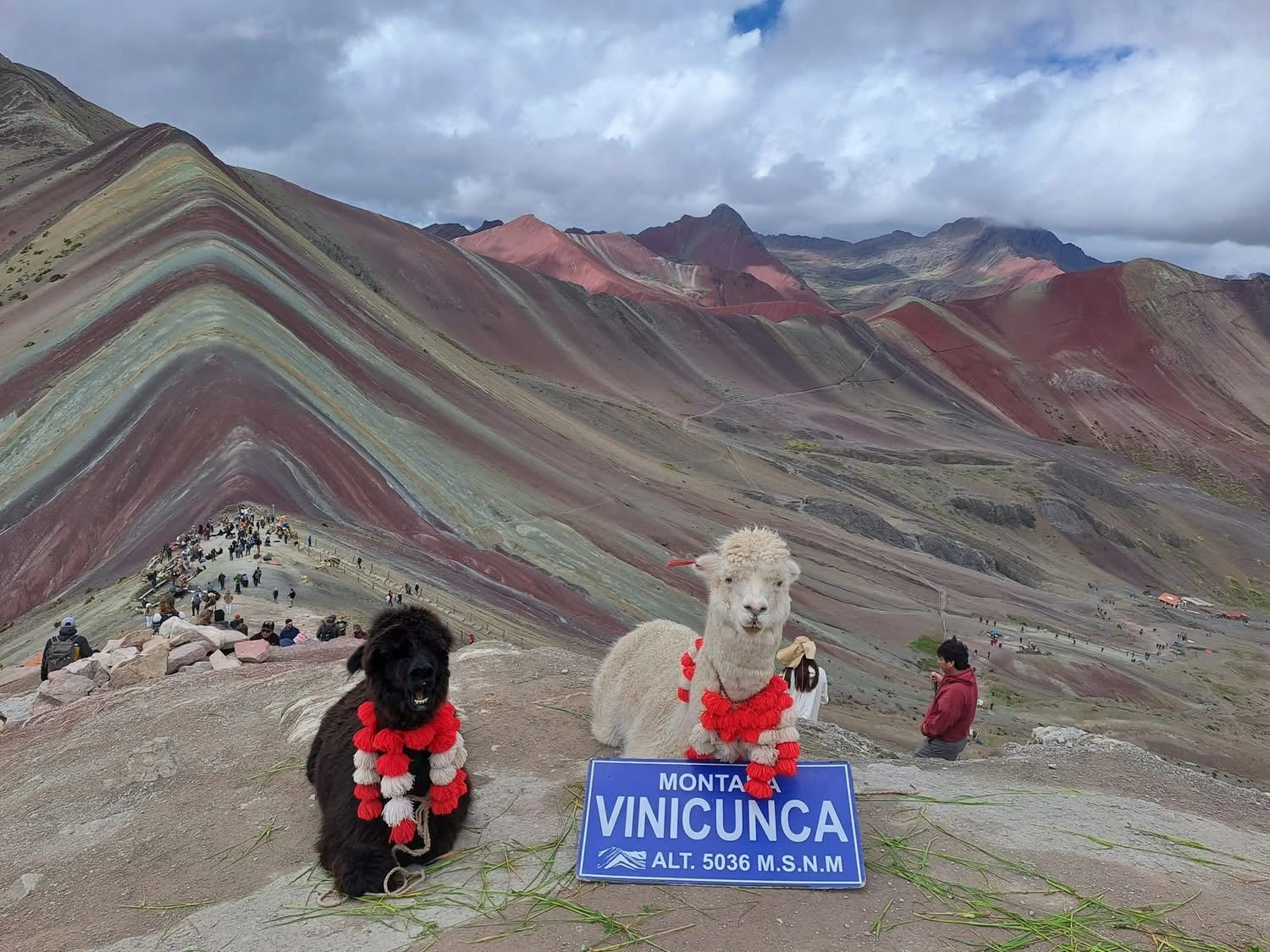
If you're deciding between the Rainbow Mountain hike and the ATV tour, the best choice depends on your fitness level, travel style, and the type of experience you're looking for. The hike offers a more rewarding trekking experience with spectacular mountain scenery, while the ATV tour reduces the amount of hiking required, making it a better option for travelers who prefer less physical effort. Both are full-day tours from Cusco and visit the same Rainbow Mountain destination.
Located about 100 km southeast of Cusco in the Ausangate range, the mountain rises to roughly 5 200 m (17 060 ft) above sea level. Reaching it requires a long, pre‑dawn drive from Cusco and a climb at altitudes where oxygen levels are roughly half those at sea level. This combination of altitude, isolation, and jaw‑dropping scenery prompts travellers to ask: Should I hike or ride an ATV to Rainbow Mountain?
The answer depends on your fitness, budget, travel style, and the experience you seek. This guide compares the classic hiking route with newer ATV tours, drawing from authoritative sources and local operators to help you choose the best option.
We’ll explore distances, difficulty, costs, seasonal considerations, health and safety tips, and which tour fits different travellers. Whether you’re preparing for a trip from the United States or already exploring Cusco, Champions Peru Travel offers both experiences, and this article will help you decide which one to book.
Understanding Rainbow Mountain and Its Appeal
Why Is Rainbow Mountain So Popular?
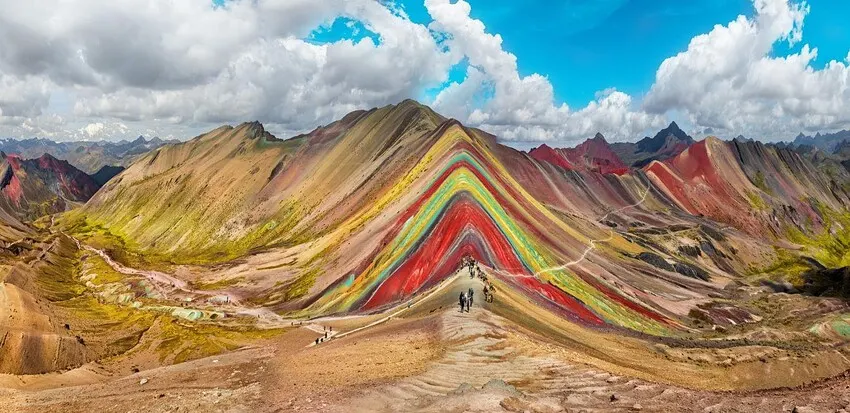
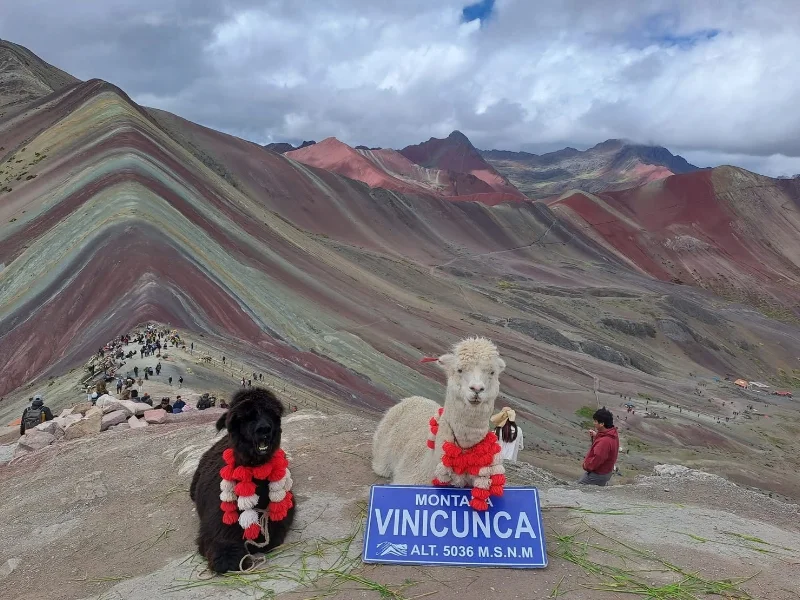
Rainbow Mountain, known locally as Vinicunca, has become one of Peru’s signature day‑trips. Instagram images of sweeping candy‑coloured ridges drew travellers to this remote Andean peak after its colours were revealed when surrounding glaciers receded around 2015.
Where Is Rainbow Mountain?
Rainbow Mountain sits in Peru’s Cordillera Vilcanota, within the region of Cusco. The nearest communities are Pitumarca and the smaller hamlet of Llacto, which serve as trailheads for tours. From Cusco, the drive takes 3–4 hours each way, with tours leaving as early as 3:00 a.m. and returning around 5–6 p.m.
Although remote, the mountain’s striking layers of red, turquoise, yellow, and green, created by sedimentary minerals such as iron oxide, iron sulfide, and chlorite, make the long day worthwhile.
Geology and Cultural Significance
Vinicunca’s unique colours come from oxidised mineral deposits. Iron oxide produces reds, iron sulfide and goethite create yellows and greens, while magnesium and other compounds add turquoise and brown hues. These bands were hidden under ice for centuries until warming temperatures and glacier retreat exposed them, turning the mountain into a natural wonder.
Locally, Ausangate and its peaks are considered Apus, sacred mountain spirits by Quechua communities. Visiting Rainbow Mountain often includes passing llamas and alpacas grazing on puna grasslands, and some tours incorporate stops at local villages or the Red Valley, another stunning landscape of crimson slopes.
Altitude Challenges
Altitude is the primary difficulty. Rainbow Mountain’s summit at 5 200 m sits well above the 3 500 m threshold where many travellers begin to feel acute mountain sickness. On the traditional hike, the trailhead sits around 4 800 m and climbs roughly 400 m over 3–4 km to reach the viewpoint.
At 5 200 m, the air contains about 50 % of the oxygen at sea level, making even moderate slopes feel strenuous. Symptoms such as headaches, nausea, dizziness, and fatigue are common, especially for travellers arriving directly from low‑lying cities. Adequate acclimatisation in Cusco (3 400 m) for two to three days is essential to reduce risk.
The Classic Rainbow Mountain Hike
Distance and Terrain
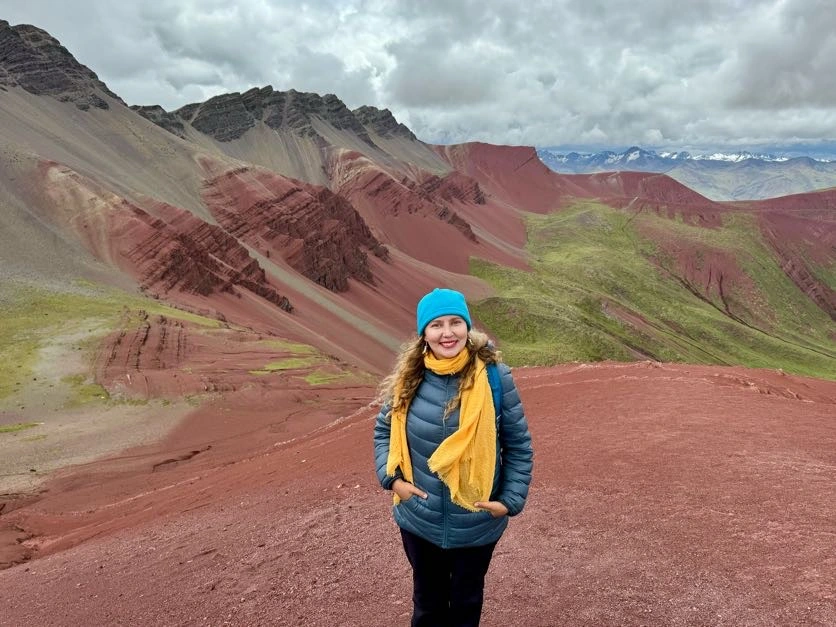
The traditional hike from Llacto covers about 8 km (5 mi) round trip. Most sources report 3 km to 4 km (around 2 mi) each way with an elevation gain of 400–500 m. A typical ascent takes 1.5–2 hours and the descent 1–1.5 hours.
The first half of the hike is a gentle path across meadows; the second half gets steeper as you climb to the coloured ridge. The final section near the summit is a short, steep hill. The trail is well‑marked but can be muddy or snowy, especially during the rainy season.
Typical Itinerary
Most hiking tours follow a similar schedule:
- Early Departure – Pick‑up from Cusco hotels around 3:00–4:00 a.m. and a drive of roughly 3–4 hours to the trailhead near Llacto.
- Breakfast Stop – A quick breakfast in a local village, often included in the tour price.
- Begin the Hike – Start hiking between 7:00 - 8:00 a.m. You can hike independently, ride a horse (70–100 soles) for about 80 % of the route, or take a combination.
- Summit – Reach the viewpoint after 1.5–2 hours of hiking. Spend 20–30 minutes taking photos, exploring, and admiring the view.
- Optional Red Valley – Many tours offer an optional side hike to the Red Valley, costing an additional fee and adding 1–2 hours.
- Return – Descend back to the trailhead in 1–1.5 hours. Lunch is served at a local restaurant or homestay before the drive back to Cusco, arriving between 5:00–6:00 p.m.
Fitness Requirements
The classic hike requires a moderate to good level of fitness and some experience walking at altitude. The middle section is a constant uphill climb at over 15 000 ft, which causes many hikers to suffer from altitude sickness. Travellers with heart, respiratory or knee problems should not attempt it. Even healthy individuals will feel breathless, and many take frequent breaks. The final steep climb can be slippery or icy. Carrying walking sticks helps with balance and reduces strain on the knees.
Rewards of the Hike
Despite its difficulty, hiking to Rainbow Mountain delivers a profound sense of achievement. You earn every metre of elevation and can set your own pace. Along the trail you pass herds of alpacas, small Quechua communities and panoramic views of the Vilcanota range. The slower pace lets you appreciate the landscape, chat with fellow hikers and adapt gradually to the altitude. The trip also feels more “authentic,” offering a deeper connection with the Andean environment.
Group Tour Costs
Rainbow Mountain hikes are affordable compared with many Andean treks. Budget group tours cost around $15–30 USD per person, typically including breakfast, lunch and transport. Mid‑range tours charge $40–60 USD, offering smaller groups, bilingual guides and sometimes Red Valley add‑ons. Private tours range from $100–200 USD for two people. These prices do not include the entrance fee, which is about 20 soles for foreigners. Renting a horse adds another 70–100 soles, and tipping guides and drivers is customary.
The Rainbow Mountain ATV Tour
How the ATV Tour Works
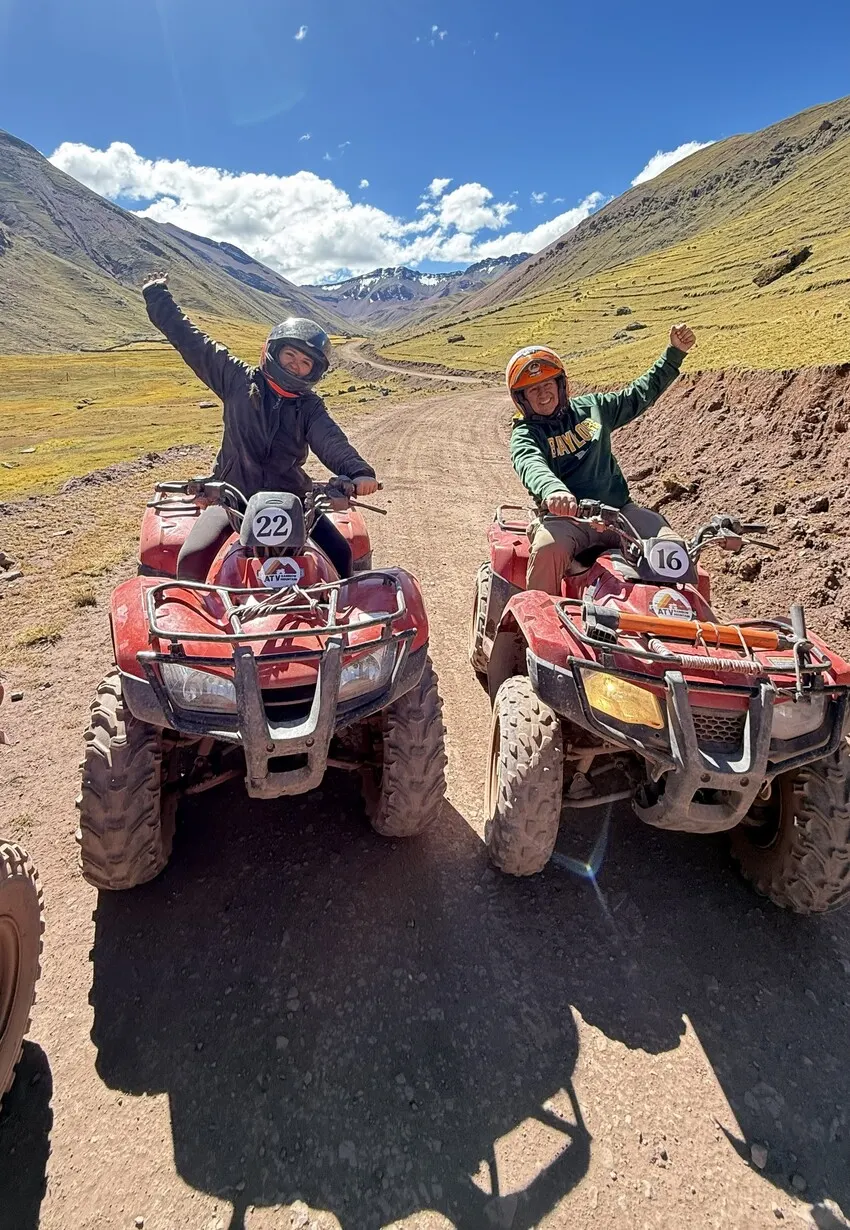
ATV tours are a relatively new way to reach Rainbow Mountain. Rather than walking the full trail, you ride an all‑terrain vehicle from the village of Llacto to a point near the viewpoint. From there, you walk the last 0.6 miles (20–30 minutes) to the summit. This reduces physical effort by around 80 % compared with hiking. The vehicles travel along dirt roads and avoid the main hiking trail, so you don’t pass as many hikers.
Time and Duration
Because the ATVs cut most of the walking, the tour takes slightly less time overall. Most ATV tours last 10–12 hours door‑to-door, whereas classic tours can take 12–14 hours. The early start is still required; you depart from Cusco between 3:00 and 4:00 a.m. and return by early evening. The ride to the drop‑off point takes roughly an hour from Llacto, and the ride back is similar.
Physical Difficulty
ATV tours are rated low difficulty. You only need to walk the final steep section, so travellers who may struggle with a 3–4 km uphill hike, such as older adults, families with young children, or people with mild physical limitations, can still experience the mountain. However, the altitude remains the same; the ATV drop‑off point is still over 5 000 m. Even with reduced exertion, altitude sickness is still possible, and 1–2 days of acclimatisation in Cusco are recommended.
Cost of ATV Tours
Because of vehicle rental and the need for specialised guides, ATV tours cost more than classic hikes. Expect to pay 120–180 soles per person (roughly $35–50 USD). Tours usually include breakfast, lunch, safety equipment (helmet and gloves), and sometimes insurance. Private ATV tours or those combined with the Red Valley are more expensive. Entrance fees to Rainbow Mountain (20 soles for foreigners) are not included, and drivers often expect tips. Some companies offer shared ATVs (driver plus passenger) to reduce the cost.
Experience and Scenery
Riding an ATV is undeniably fun and adventurous. The route passes through high‑altitude grasslands and remote Andean villages at a faster pace. For travellers who enjoy motorsports or want to feel the wind rushing past while seeing the mountains, the ride is exhilarating. However, there are trade‑offs:
- Noise and Dust – ATVs are noisy, and you’ll likely share the dirt road with other riders. Dust can obscure views and cover your clothes.
- Less Immersion – You move quickly past landscapes that hikers savour slowly. There’s less time to stop for photographs or talk to locals.
- Fixed Schedule – ATV tours follow a set timeline; there’s little flexibility to linger at viewpoints or take side trips.
- Environmental Impact – Motorised vehicles have a greater environmental footprint. Although regulations limit where ATVs can go, they still contribute to erosion and noise pollution.
Who Should Consider an ATV Tour?
An ATV tour is ideal if you:
- Have physical or health limitations that make a steep, high‑altitude hike impractical.
- Are you travelling with children or seniors who may tire easily?
- Have a limited budget or schedule that still allows for the higher tour price but shorter duration.
- Want a more adventurous, adrenaline‑powered experience rather than a meditative hike.
However, if you relish hiking, want to fully immerse yourself in nature, and are on a tighter budget, the classic hike offers greater value and authenticity.
Comparing Hiking and ATV Tours - Summary Table
Below is a side‑by‑side comparison of the key differences between the classic hike and the ATV tour. Keep in mind that exact distances and prices vary slightly between tour companies and routes.
| Aspect | Classic Hike | ATV Tour |
| Distance walked | 3–4 km each way, ~8 km round trip | 1 km total (0.6 mile) |
| Time on trail | 1.5–2 h ascent + 1–1.5 h descent | 20–30 min walking at altitude |
| Total tour duration | 12–14 hours | 10–12 hours |
| Altitude | 4 800–5 200 m (trailhead to summit) | Same altitude; drop‑off point near 5 000 m |
| Difficulty level | Moderate to high; constant uphill at altitude | Low; only the final steep section was walked |
| Acclimatisation needed | 2–3 days recommended | 1–2 days is still advised |
| Price per person | 40–60 soles (budget group) | 120–180 soles (includes ATV rental) |
| Experience | Immersive, quiet, authentic; better wildlife viewing | Adventurous, fun; less contemplative |
| Best for | Fit hikers seeking challenge; budget travellers | Travellers with limited fitness or time, families, adventure seekers |
Note: Prices exclude entrance fees to Rainbow Mountain (20 soles for foreigners) and additional options such as Red Valley or horse hire.
Pros and Cons in Detail
Advantages of Hiking
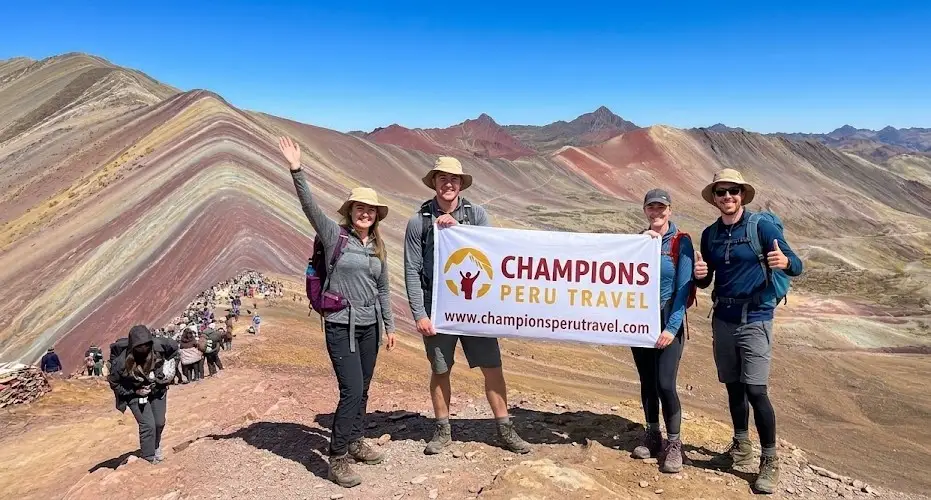
Stronger connection with nature: Walking allows time to soak in the vistas, listen to the wind, and watch herds of alpacas wander across the high plateau. There’s something meditative about placing one foot in front of the other and gradually earning the view at the summit.
Sense of accomplishment: For many hikers, reaching 5 200 m under their own power is a once‑in‑a‑lifetime achievement. You’ll have stories of overcoming breathlessness, steep ascents, and high altitude.
Cost‑effective: Budget‑friendly tours make the hike accessible to travellers with limited funds. Even mid‑range or private tours are typically cheaper than ATV tours.
Lower environmental impact: Hiking leaves fewer traces than motorised vehicles. Trails are maintained by local communities, and there’s less noise, exhaust, and soil disturbance.
Disadvantages of Hiking
Physical challenge: The hike is strenuous, especially if you’re not acclimatised to high altitude. Constant uphill walking at over 15 000 ft causes many to feel headaches, nausea or shortness of breath.
Time commitment: The full tour takes 12–14 hours. Early departures and long drives mean a very early wake‑up call and late return to Cusco.
Crowds: During peak season (June–September), several thousand people may hike to Rainbow Mountain each day. Trails can feel congested, and you may have to queue for photos.
Unpredictable weather: Sudden snowstorms, hail or heavy rain are common at high altitude. Muddy or icy trails can make walking difficult.
Advantages of the ATV Tour
Less physical exertion: Riding an ATV reduces walking by about 80 %, which is ideal if you’re concerned about fitness or altitude.
Shorter day: Saving an hour or two on the trail may mean more time for rest or other activities later. The total tour is typically 10–12 hours.
Adventure factor: Driving an ATV across Andean terrain is thrilling for many travellers. It adds an element of adrenaline to the day.
Suitability for families: Older travellers, children or those with mild mobility issues can still experience the mountain without the strain of a long hike.
Disadvantages of the ATV Tour
Higher cost: Renting an ATV and hiring specialised guides increases prices to 120–180 soles per person.
Less intimate connection: Moving quickly through the landscape means less time to absorb details, meet locals or spot wildlife.
Environmental and cultural impact: Motorised tours contribute to noise and soil erosion. Locals sometimes view them as less respectful of the mountain’s sacredness.
Limited availability: Not all companies offer ATV tours, and mechanical issues or bad weather can disrupt the ride.
Seasonal Considerations and Weather
Dry Season (April–October)
The dry season is generally the best time to visit. Clear blue skies and crisp mornings provide excellent visibility of the colourful ridges. Nights and early mornings are cold, sometimes below freezing, but the lack of rain means fewer muddy trails. June to August is the peak tourist period, so expect larger crowds and earlier start times to beat the queues. April and October are shoulder months with fewer visitors and still relatively dry weather.
Wet Season (November–March)
Rain showers and even snowstorms are common during the wet season. Clouds often obscure the colours of the mountain, and heavy rains can make the trail slippery or cause landslides. Tour cancellations are more likely. On the upside, there are far fewer tourists and the landscape is lush and green. If you choose to visit during this period, be prepared for variable weather and pack waterproof gear.
Shoulder Seasons (March–April and September–October)
Some travellers prefer the shoulder seasons, when the weather is less predictable than the dry season but crowd levels are lower. According to travel blogs, March–April and September–October offer a balance of decent weather and fewer tour groups. Colours can be vibrant after rains, and you might capture more unique photos. However, weather conditions can change quickly, so layering and waterproof clothing are essential.
Health and Safety Tips
Acclimatisation
- Spend at least two to three days in Cusco (altitude 3 400 m) before attempting the hike. During this time, avoid strenuous exercise, get plenty of sleep and stay hydrated.
- Ascend slowly: If you can, break up your ascent to high altitude with day trips like the Sacred Valley or Humantay Lake before Rainbow Mountain.
- Consider medication: Some travellers consult a doctor about acetazolamide (Diamox) to help prevent acute mountain sickness. Always follow medical advice.
On the Trail
- Hydrate: Dehydration exacerbates altitude sickness. Drink at least two litres of water throughout the day. Many local guides provide coca tea and leaves, which Andean cultures believe help with altitude.
- Go at your own pace: Walk slowly, particularly in the steep sections. Frequent short breaks help your body adjust to the altitude.
- Recognise symptoms: Headaches, dizziness, nausea or confusion are warning signs. Stop ascending if symptoms worsen. Descending is the only cure for severe altitude sickness.
- Carry essentials: Sun protection is vital at altitude. Wear a hat, sunglasses and SPF 50 sunscreen. Dress in layers-temperatures swing from freezing in the morning to warm at midday. Bring gloves and a windproof jacket.
- Fuel up: Pack snacks such as fruit, nuts or energy bars. The high altitude can suppress appetite, so small, frequent snacks help maintain energy.
- Emergency plan: Choose a reputable company with oxygen and a first‑aid kit. Many operators bring oxygen tanks and portable stretchers for emergencies.
Additional Considerations for ATV Tours
- Helmet and protective gear: Ensure the operator provides a helmet and gloves. Dust goggles are helpful.
- Driver skill: If you drive the ATV yourself, ask for a short training session. Some tours require you to share an ATV with a guide; others let you drive solo if you have a driver’s licence.
- Weather conditions: Rain or snow makes the dirt roads slippery. Tours may be cancelled if conditions are unsafe. Always confirm the cancellation policy.
Budgeting for Your Rainbow Mountain Adventure
Understanding the costs helps you plan your trip. The table below summarises typical expenses per person (in U.S. dollars). All prices are approximate and vary by operator, season, and exchange rate.
| Expense | Hiking (Group Tour) | Hiking (Private Tour) | ATV Tour |
| Tour price | $15–30 budget; $40–60 mid‑range | $100–200 for two people | $35–50 (120–180 soles) |
| Entrance fee | $5–6 (20 soles) | Same | Same |
| Red Valley add‑on | $5–10 | $5–10 | Usually included or optional |
| Horse rental | $20–25 (70–100 soles) | $20–25 | Not needed |
| Tips | $5–10 for guide & driver | $10–20 | $5–10 |
| Total (low end) | $30–50 | $135 | $45–60 |
These estimates exclude personal purchases such as snacks, souvenirs, and renting walking poles. While the ATV tour costs more, it may make sense if you value comfort and speed. Conversely, the hike can be extremely affordable, particularly if you’re travelling on a tight budget.
Tips for Choosing a Tour Operator
- Look for reputable companies: Choose operators with solid reviews and a commitment to safety. Champions Peru Travel has experienced guides, provides oxygen and first‑aid kits, and offers both hiking and ATV options.
- Ask about group size: Smaller groups mean a more personalised experience and less waiting for photos. Mid‑range and private tours typically limit groups to 8–10 people.
- Check equipment quality: For ATV tours, ensure the vehicles are well-maintained, and the protective gear fits properly.
- Confirm what’s included: Some tours include breakfast, lunch, and entrance fees, while others don’t. Read the itinerary and ask about extra costs (e.g., Red Valley or horse rental).
- Verify departure time: To beat the crowds, choose tours that leave earlier (3:00–4:00 a.m.). Later departures risk arriving at Rainbow Mountain with hundreds of other travellers.
- Ask about sustainability: Responsible operators follow designated trails, limit group sizes, and support local communities. Avoid companies that overload ATVs or cut corners on safety.
Combining Rainbow Mountain With Other Experiences
Many travellers combine a visit to Rainbow Mountain with other attractions in the Cusco region. Here are a few options:
- Red Valley – A dramatic landscape of crimson hills adjacent to Rainbow Mountain. Some ATV and hiking tours include it as an add‑on for a small fee.
- Humantay Lake – A turquoise glacier lake on the way to Salkantay Pass. A day trip from Cusco offers high‑altitude hiking and stunning views.
- Ausangate Circuit – A multi‑day trek around the sacred Ausangate mountain, passing glaciers, hot springs, and remote villages. It’s a challenging alternative for experienced hikers.
- Sacred Valley – If you’re acclimatising for a few days, the Sacred Valley’s lower altitude (2,800 m) offers gentle hikes, Inca ruins, and markets.
- Machu Picchu – Many visitors schedule Rainbow Mountain after visiting Machu Picchu via the Inca Trail, Salkantay Trek, or train. Be sure to plan for enough rest between high‑altitude activities.
Which Option Is Right for You?
Ultimately, there’s no one‑size‑fits‑all answer. Consider the following questions to help make your decision:
- How fit am I, and how well do I handle altitude? If you regularly hike and feel comfortable at altitude after a couple of days in Cusco, you may relish the challenge of the classic hike. If you have knee issues, heart or lung conditions, or are travelling with children, an ATV tour may be safer and more enjoyable.
- What type of experience do I want? Do you want to savour the landscape slowly, meet locals, and feel every step? Hiking offers a deeper connection with nature. Do you crave speed and a sense of adventure? Riding an ATV might be more fun.
- How much time do I have? Both tours require a full day, but the ATV option typically shaves an hour or two off the walking time. If you’re on a tight schedule with multiple day trips planned, that saved time may matter.
- What’s my budget? Budget travellers will find hiking tours cheaper, especially if booked through local agencies. If you can afford the extra cost and value comfort, the ATV tour offers a less strenuous alternative.
- Am I travelling with others? Groups with varied fitness levels might consider booking a private tour that offers both ATVs and horses so each person can choose their preferred mode. Some travellers ride an ATV one way and hike the other.
Final Thoughts
Rainbow Mountain is one of Peru’s most photogenic and memorable destinations. Whether you hike or ride an ATV, you’ll witness a palette of natural colours and feel the exhilaration of standing on a ridge at 5,200 m.
The classic hike rewards you with a sense of achievement and a deeper connection to the landscape, while the ATV tour makes the experience accessible to those with less time or physical stamina. Both options require acclimatisation, early starts and respect for the mountain’s extreme conditions.
When planning your trip from the United States, factor in the altitude, weather and your own priorities. Champions Peru Travel offers well‑organised tours for both hiking and ATV experiences. Whichever path you choose, the mountain’s vibrant stripes will stay with you long after you return home.