
 en
en


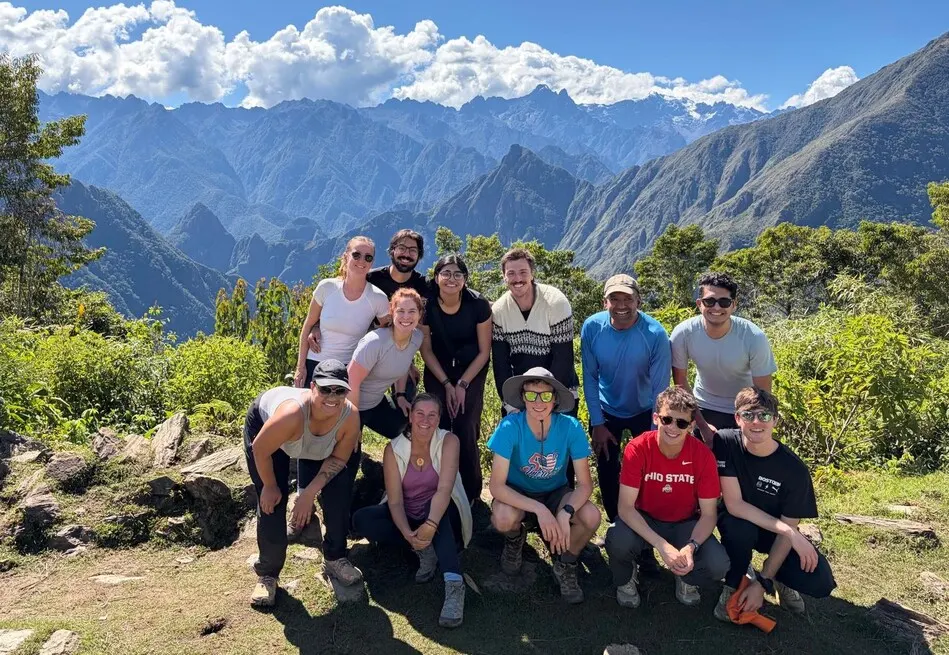
Machu Picchu, the mystical stone city tucked into the eastern Andes, has long captured travelers’ imaginations. While many people reach the citadel by train, trekking to Machu Picchu offers a deeper connection to the landscape, history, and culture of Peru.
Two routes dominate conversations: the Classic Inca Trail, Peru’s most famous trek following an Inca‑built road to the Sun Gate, and the Salkantay Trek, an alternative path around the sacred Salkantay mountain. Both journeys provide a rewarding way to approach Machu Picchu, yet their terrain, difficulty, and overall experience are very different.
This guide unpacks everything you need to know about both treks. It compares distances, altitudes, daily itineraries, costs, permit requirements, seasonal weather, and what type of traveler each route suits best. By the end, you’ll understand which trek aligns with your interests and fitness level and how to plan an unforgettable visit from the U.S. through local tour operator Champions Peru Travel.
Why Trek to Machu Picchu Instead of Taking the Train?
In the 21st century, it’s easy to take a luxury train from Cusco to Aguas Calientes and board a bus up to Machu Picchu. Yet trekking offers several advantages:
- Meaningful arrival – Hiking into the citadel fosters a sense of pilgrimage. On the Inca Trail, you actually enter through the Sun Gate at sunrise, just as the Incas did. With Salkantay, you see the ruins from a distant viewpoint at Llactapata and then take a short train or bus to the site.
- Immersion in nature and culture – Both treks traverse ecosystems from high‑altitude puna grassland to cloud forest, passing small villages. You sleep in tents or lodges under the Milky Way rather than in a busy town.
- Fitness and acclimatization – Trekking lets your body gradually adjust to altitude and improves overall well‑being. This is useful because Cusco sits at 3,399 m (11,152 ft), high enough that many travelers feel symptoms of altitude illness when they arrive.
- Avoid crowds and tourist infrastructure – While Machu Picchu itself always attracts crowds, parts of the treks provide solitude, especially Salkantay, which has fewer hikers.
A Brief History of the Inca Trail and Salkantay Route
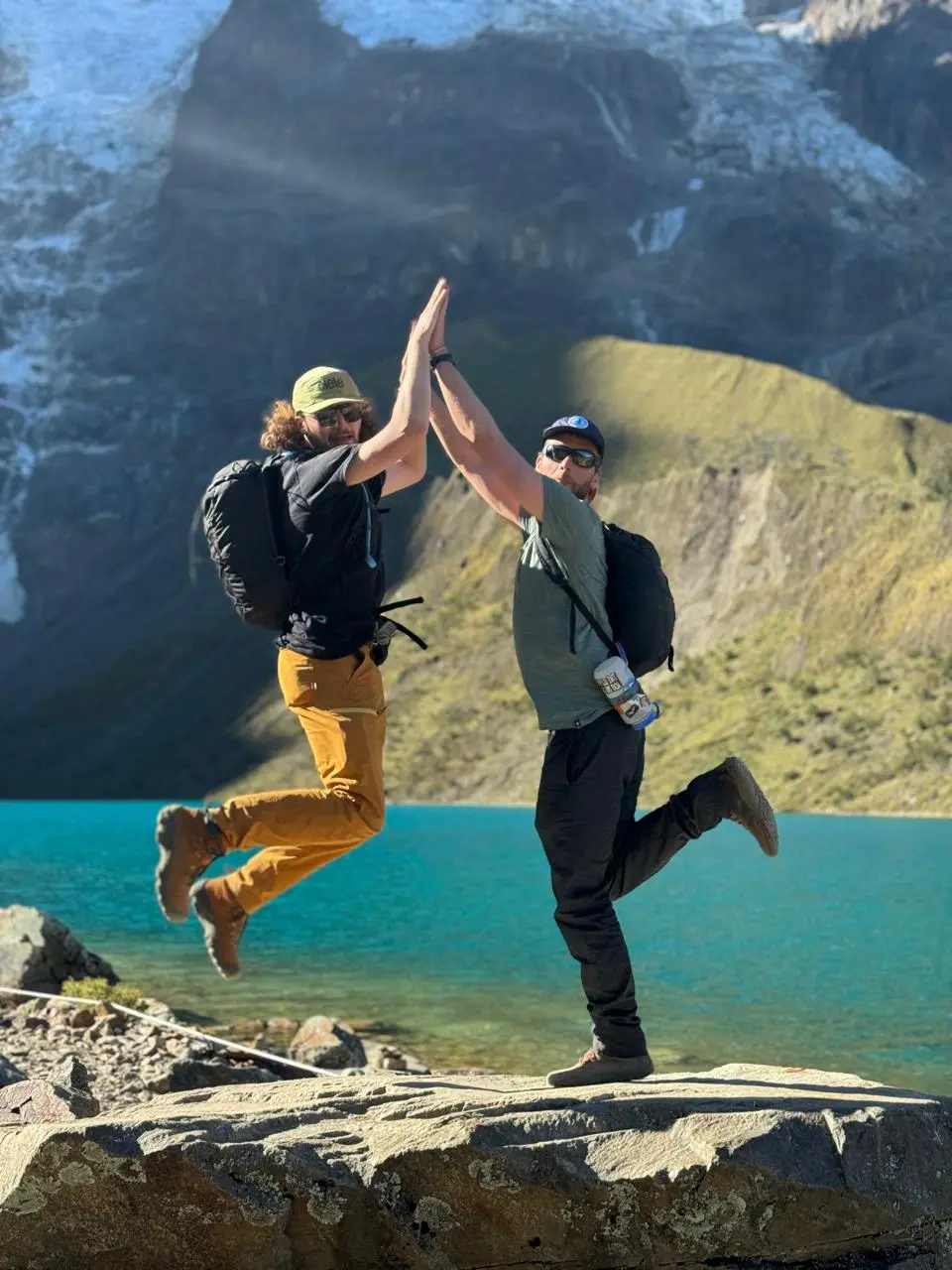
The Inca Trail is a 43 km (26 mi) section of the Qhapaq Ñan, the vast road network that connected the Inca empire. Archaeologists believe it functioned as a pilgrimage route linking the Urubamba Valley with Machu Picchu.
Along the trail, hikers encounter stone staircases, original tunnels, and ruins such as Wiñay Wayna, Sayaqmarka, and Phuyupatamarca. The trail ascends over Dead Woman’s Pass (4,215 m/13,830 ft) and then descends through cloud forest before arriving at Machu Picchu through the Sun Gate.
The Salkantay Trek is not an Inca road but a high‑mountain path around Mount Salkantay (6,271 m/20,574 ft). Its highest point, Salkantay Pass, reaches 4,630 m/15,090 ft, making it one of the highest trekking passes in Peru. The route was named one of the “World’s 25 Best Treks” by National Geographic due to its glacial scenery.
It passes turquoise Humantay Lake, snow‑capped peaks, coffee plantations, hot springs, and dense rainforest. Because it does not end at the Sun Gate, trekkers typically finish in Aguas Calientes and then ride a bus up to Machu Picchu.
Comparing the Treks at a Glance
To decide between the two routes, it helps to compare their core metrics. The table below summarizes key differences (all numbers are approximate as routes vary slightly by operator). Don’t worry – details and context follow in subsequent sections.
| Feature | Inca Trail | Salkantay Trek |
| Standard duration | 4 days / 3 nights | 5 days / 4 nights (4‑day version available) |
| Total distance | ~43 km (27 mi) | ~74 km (46 mi) |
| Highest altitude | 4,215 m (13,830 ft) at Dead Woman’s Pass | 4,630 m (15,090 ft) at Salkantay Pass |
| Difficulty | Moderate | Challenging |
| Permits required | Yes – 200 tourist permits/day, sold 6–8 months in advance | No permit needed |
| Best months | May, June, September & October | April to October, especially May & September |
| Ends at Machu Picchu Sun Gate? | Yes | No – arrives via Aguas Calientes |
| Typical cost (2026) | ~US$700–$900 | ~US$450–$700 |
| Crowd level | Moderate (capped by permit) | Lower – fewer hikers daily |
| Ruins along the route | Multiple major Inca sites | Few, but includes the Llactapata viewpoint |
| Scenery profile | Cloud forest, alpine tundra, archaeological sites | Glaciers, snow‑capped peaks, jungle, lakes |
Deep Dive into The Classic Inca Trail
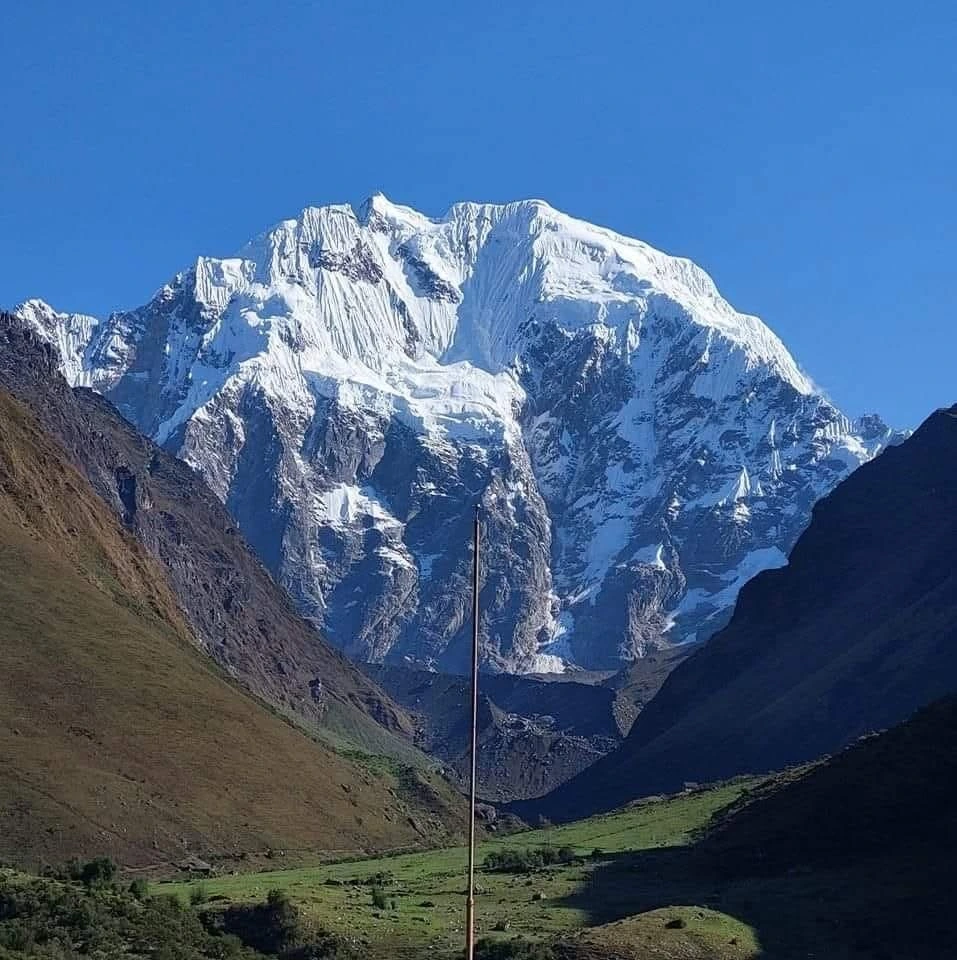
Historical Significance and Route Overview
The Inca Trail owes its fame to its ancient engineering and direct route to Machu Picchu. Starting near the town of Ollantaytambo (km 82), the trail traverses 43 km over four days. On Day 1, you hike a relatively gentle path along the Urubamba River and camp at Wayllabamba (around 3,000 m).
The difficulty intensifies on Day 2 with the steep climb up stone steps to Dead Woman’s Pass at 4,215 m, where thin air makes breathing slower, and hikers often use trekking poles for support.
Day 3 descends into cloud forest past archaeological sites such as Runkurakay, Sayaqmarka, Phuyupatamarca, and Wiñay Wayna, offering glimpses into Inca urban planning and agricultural terraces. Day 4 begins pre‑dawn: you hike the last 5 km to the Inti Punku (Sun Gate) for a sunrise view of Machu Picchu.
This route’s key attraction is walking literally in the footsteps of the Inca. The trail is paved with original stones and features carved staircases and tunnels. The high point at Dead Woman’s Pass is lower than the Salkantay Pass but still demanding. Because the route is maintained by Peru’s national park service and uses porters instead of pack animals, it is considered more controlled and less rugged than Salkantay.
Permit System and Booking Logistics
A strict permit system preserves the Inca Trail. Only 200 tourist permits are issued per day, with an additional 300 spots reserved for guides and porters. These permits include the trekker’s name and passport number and cannot be resold.
February is closed each year for maintenance, and permits for May–September typically sell out 6–8 months in advance. Because of the permit cost and stricter porter regulations, the Inca Trail is pricier.
Tour operators usually charge around US$700–$900 for a four‑day trek (including permit, guide, porters, food, and Machu Picchu entrance). Luxury or private tours can exceed $1,000.
To join the Inca Trail, you must book through a licensed Peruvian operator. Many U.S. visitors plan their Peru trip around securing this permit; failing to book early often pushes travelers toward the Salkantay or other alternative treks.
Daily Itinerary Details and Highlights
Day 1 – KM 82 to Wayllabamba (~12 km): After a bus ride from Cusco, you cross a pedestrian bridge over the Urubamba River and walk through arid farmland dotted with Inca terraces. The trail gently climbs to Wayllabamba, a village at about 3,000 m. The first night is a chance to adjust to trekking with porters and sleeping in tents.
Day 2 – Wayllabamba to Pacaymayo via Dead Woman’s Pass (~12 km): This day is the hardest. The path climbs steeply through cloud forest before emerging into puna grassland. Over roughly four hours, you ascend nearly 1,200 m to the top of Dead Woman’s Pass (4,215 m). Cold winds and thin air make this a test of stamina. Most trekkers take celebratory photos at the top before descending to Pacaymayo (3,600 m) for camp.
Day 3 – Pacaymayo to Wiñay Wayna (~16 km): Many consider this the most beautiful day. You climb to a second pass at 3,975 m and explore Runkurakay and Sayacmarca ruins before descending stone steps into lush cloud forest. The trail passes through the agricultural complex Phuyupatamarca (“Place Above the Clouds”) and finishes at Wiñay Wayna (2,650 m), where small terraces cling to the hillside.
Day 4 – Wiñay Wayna to Machu Picchu (~5 km): A pre‑dawn start ensures that hikers reach the Sun Gate at sunrise. The final stretch follows a narrow cliff‑side path. After glimpsing Machu Picchu bathed in golden light, you descend into the citadel for a guided tour. Most groups then take a bus down to Aguas Calientes and return to Cusco by train.
Pros and Cons of the Inca Trail
Pros
- Historic authenticity: Walk on original Inca stonework and finish at the Sun Gate.
- Archaeological richness: Ruins along the way provide context for the Inca Empire.
- Regulated experience: Guides, porters, and campsites ensure safety and comfort.
- Moderate difficulty: Although challenging, the trek’s shorter distance makes it suitable for reasonably fit hikers.
Cons
- Permit restrictions: Must book months in advance; dates cannot be changed.
- Higher cost: Permits and porter regulations make it pricier.
- Crowds: Even with limits, 200 tourists plus 300 staff mean campsites can feel busy.
- Limited flexibility: The set itinerary and closure in February restrict scheduling.
Deep Dive into The Salkantay Trek
Geography and Route Overview
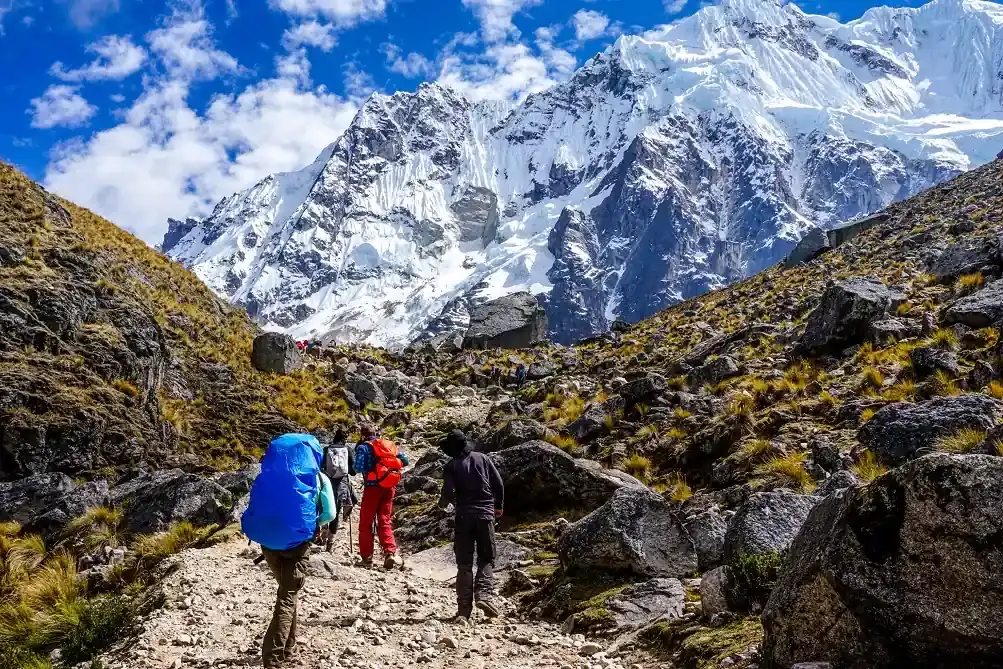
The Salkantay Trek circles Mount Salkantay, a snow‑capped mountain sacred to the Quechua. Its name means “Savage” or “Stormy” in Quechua, reflecting the unpredictable weather near the summit. The trek begins near Soraypampa or Mollepata and covers around 74 km over five days. The route’s defining feature is the climb over Salkantay Pass at 4,630 m, followed by a dramatic descent from glacial tundra into warm cloud forest and eventually to Aguas Calientes.
What Each Day Looks Like
Day 1 – Cusco to Soraypampa (~12 km): A bus transports you from Cusco (3,399 m) to Mollepata (3,000 m) and then to the trailhead at Soraypampa (~3,900 m). Many groups take an afternoon hike to Humantay Lake (4,200 m), a turquoise glacial lake nestled beneath sharp peaks – one of the trek’s postcard moments. Camping at Soraypampa helps acclimatization, though night temperatures can drop below freezing.
Day 2 – Soraypampa to Chaullay via Salkantay Pass (~22 km): This is the trek’s “King Day” and its most demanding. You start early, climbing switchbacks to the Salkantay Pass at 4,630 m for panoramic views of the Salkantay massif. After conquering the pass, you descend nearly 1,700 m into green valleys. The long descent can be tough on the knees and often ends in Chaullay (2,900 m).
Day 3 – Chaullay to Lucmabamba (~16 km): The landscape transitions into cloud forest. You hike past waterfalls, orchids, coffee, and banana plantations. Many operators allow time to soak in nearby Cocalmayo hot springs.
Day 4 – Lucmabamba to Aguas Calientes via Llactapata (~14 km): A morning climb leads to Llactapata, a lesser‑visited Inca ruin with a view across the valley toward Machu Picchu. After lunch, you descend to the Hidroeléctrica train station and follow railroad tracks through the jungle to Aguas Calientes.
Day 5 – Machu Picchu Tour and Return to Cusco: On the final day you rise early, board a shuttle up to Machu Picchu, and take a guided tour before returning to Cusco via train and bus. Some operators shorten the trek to four days by combining the last two stages or by taking a vehicle part of the way.
Pros and Cons of Salkantay
Pros
- Varied scenery: Snow‑covered peaks, turquoise lakes, cloud forest, coffee farms, and hot springs all in one trek.
- Fewer crowds: Only about 50 hikers per day, creating a wilderness feel.
- No permit required: Flexible booking allows last‑minute decisions and travel during February when the Inca Trail is closed.
- Lower cost: Without expensive permits, tours typically cost US$450–$700.
- Glamping options: Some operators offer sky‑domes or lodges at lower elevations, providing creature comforts.
Cons
- Higher altitude and longer distance: The Salkantay Pass is 415 m higher than Dead Woman’s Pass, and the trek is roughly 70 % longer.
- Greater physical demand: Longer daily distances and steep descents can strain knees and require better fitness.
- No Sun Gate arrival: You reach Aguas Calientes and ride a bus to Machu Picchu, missing the iconic first view.
- Fewer ruins: Aside from Llactapata, there are few archaeological sites on the route.
Seasonal Weather and Best Times to Trek
Shared Climate Patterns
Both treks experience a distinct dry season from May to September and a wet season from November to March, with shoulder months in between. Days can be sunny and warm, but nights at high camps drop below freezing. Rain falls mostly in the wet season, and trails can become muddy.
Best Months for the Inca Trail
- May, June, September, October: Clear skies and moderate crowds make these months ideal.
- July & August: Peak season with excellent weather but heavy demand for permits.
- February: Completely closed for maintenance.
- Shoulder months (April, November): Some rain but less competition for permits; a good option if you don’t mind occasional showers.
Best Months for the Salkantay Trek
- April to October: The prime season; May and September are particularly pleasant with fewer crowds and stable weather.
- June to August: Most reliable weather but cold nights at Soraypampa.
- December to March: Wet season; trekking is possible, but expect rain and muddy trails.
- February: A good alternative to the closed Inca Trail, though heavy rains can occur.
Altitude Acclimatization and Health Considerations
Altitude is a serious factor. Cusco itself stands at 3,399 m (11,152 ft). While Machu Picchu is lower at about 2,430 m, both treks climb above 4,200 m. Altitude sickness can cause headaches, nausea, and fatigue; severe cases involve dizziness and vomiting. Symptoms are most common during the first 48 hours in Cusco.
Tips for Avoiding Altitude Sickness
- Spend a few days acclimatizing: Gradually increase elevation by visiting lower towns such as Arequipa (2,335 m) or Ollantaytambo (2,792 m) before Cusco.
- Take it easy in the first 48 hours: Keep activities light, explore Cusco slowly, and delay strenuous hikes.
- Stay hydrated and avoid alcohol: Drink plenty of water; alcohol is a diuretic and can worsen symptoms.
- Consider medication: Diamox (acetazolamide) prescribed by a doctor, can help your body acclimate; local remedies like coca tea or Soroche pills are commonly used.
- Listen to your body: If you experience severe symptoms, descend to a lower altitude and seek medical help.
Travelers from the U.S. often fly from sea level directly to Cusco. To minimize shock, it’s advisable to spend at least two nights in Cusco or the Sacred Valley before starting either trek. Champions Peru Travel can help plan itineraries that incorporate acclimatization days and local tours.
Costs and Value - Why Prices Differ
Price is often a deciding factor. Several elements explain why the Inca Trail costs more:
- Permit fee: The SERNANP permit alone is about US$90 per person.
- Porter welfare: Regulations limit porter loads and mandate fair wages, increasing operating costs.
- Logistics: The Inca Trail has no road access, so all food and gear must be carried by porters.
- Demand: High demand drives up prices; many operators include comfortable tents, food, and return train tickets.
For Salkantay, costs are lower because there is no permit fee, pack animals can carry gear, and the route is accessible by road in places. Nevertheless, you should choose a reputable operator to ensure safety and fair treatment of staff. Avoid extremely low‑cost tours that cut corners on wages or equipment.
Environmental and Cultural Considerations
Natural Diversity
The Inca Trail winds through protected cloud forest, high grasslands, and archaeological sites. Because of its permit system and strict camping regulations, the trail’s environmental impact is closely monitored. Carry out all trash, use designated bathrooms, and stick to the stone path to avoid damaging fragile ecosystems.
The Salkantay Trek traverses more varied ecosystems, from glacial highlands to tropical valleys filled with orchids and coffee plantations. Because there are fewer restrictions, the risk of environmental degradation is higher if operators or trekkers are careless. Choose companies committed to Leave No Trace principles and consider bringing a water filter to reduce plastic bottle waste.
Cultural Interactions
On the Inca Trail, most human interactions are with your guide, porters, and fellow hikers. You pass a few settlements at the beginning, but spend most of the trek in remote areas. In contrast, the Salkantay route often passes through small villages and farmland where you can buy fruit or coffee and speak with locals. The route also provides opportunities to learn about Quechua culture and the spiritual significance of mountains like Salkantay.
Who Should Choose the Inca Trail?
Choose the Inca Trail if:
- You value history and archaeology: The trail’s Inca ruins and Sun Gate finish are unmatched.
- You have time to book in advance: Permits sell out months ahead, so this is ideal for planners.
- You prefer a structured experience: Porters, set campsites and a shorter distance make it more comfortable, though still physically demanding.
- You want a moderate challenge: The trek is tough but manageable for most active travelers. If you worry about fitness or have knee issues, the shorter distance and stone pathway may be appealing.
Who Should Choose the Salkantay Trek?
Choose the Salkantay Trek if:
- You crave breathtaking mountain scenery: Glaciers, turquoise lakes and lush valleys are the main attractions.
- You want flexibility: No permits means you can book closer to your travel dates and even trek in February.
- You’re physically fit and seeking a challenge: Longer days, higher elevation and steep descents demand endurance.
- You desire fewer crowds: With about 50 hikers per day, the trail feels more remote.
- You have a smaller budget: Tours generally cost 33–66 % less than the Inca Trail.
Preparing for Your Trek - Logistics for U.S. Travelers
Getting to Peru and Cusco
Most travelers from the U.S. fly into Lima’s Jorge Chávez International Airport (LIM) and then take a domestic flight to Cusco (CUZ). It’s advisable to plan at least one extra day in Lima or the Sacred Valley to cushion against flight delays and adjust to altitude. Champions Peru Travel can assist with flights, transfers, and hotel bookings.
When to Book
- Inca Trail: Reserve your spot 8+ months ahead for peak season (May–September). Shoulder season permits sometimes remain 3–4 months out.
- Salkantay: You can book 1–2 months before departure or even closer for the low season. However, to secure a quality operator and preferred travel dates, booking earlier is wise.
What to Pack
- Passport and permits: You’ll need your passport for checkpoints on either trek. Inca Trail permits are linked to your passport number; you must carry the original.
- Layered clothing: Weather varies; bring base layers, a warm jacket, a waterproof shell, a hat, and gloves. Nights on both treks can drop below freezing.
- Good hiking boots: Sturdy, broken‑in boots with ankle support are essential. Consider light trail shoes for camp.
- Trekking poles: Helpful for steep ascents and descents.
- Sleeping bag: Many operators include or rent bags rated to at least –10 °C (14 °F). Higher-quality bags improve sleep.
- Water purification: Carry a filter or purification tablets to reduce plastic use.
- Personal medications: Bring any prescription medicines, altitude medication (Diamox), pain relievers, and blister care.
- Cash: Small soles for tips, snacks, and optional activities like hot springs.
Fitness Preparation
Both treks require moderate to strong fitness. Build endurance with long walks or hikes, stair climbing, and cardiovascular exercise. If possible, do training hikes with similar elevation gain. Include strength work for your legs and core to help with descents and carrying a daypack.
Safety Tips
- Respect altitude: Follow acclimatization guidelines; do not ignore symptoms of altitude sickness.
- Choose a reputable operator: Look for companies with strong safety records and fair porter policies. Champions Peru Travel partners with licensed operators that provide oxygen and first aid on treks.
- Travel insurance: Purchase insurance that covers high-altitude trekking and medical evacuation.
- Follow Leave No Trace principles: Pack out waste, avoid single‑use plastics, stay on designated trails, and respect local customs.