
 en
en
 es
es


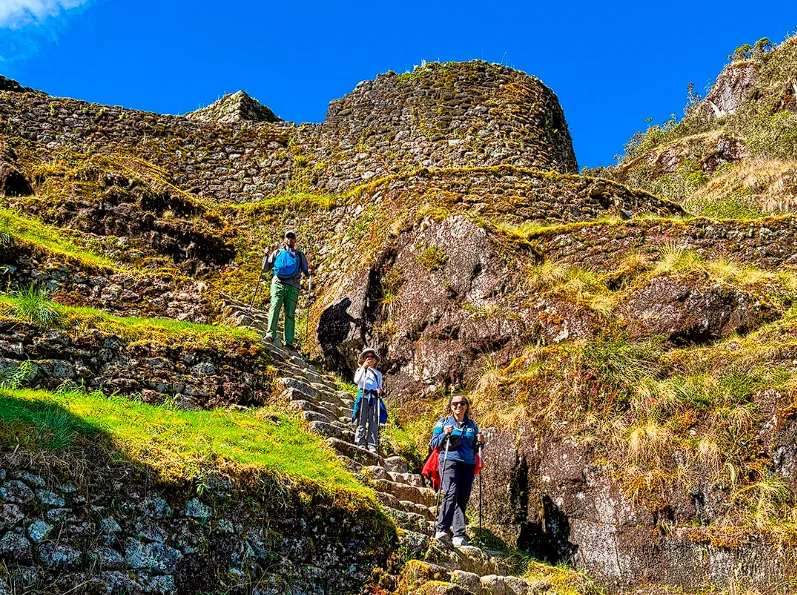
Common mistakes on the Inca Trail include arriving in Cusco without enough time to acclimatize, underestimating the effects of altitude, overpacking, wearing new hiking boots, and choosing the wrong tour operator. Fortunately, with proper preparation, you can avoid these issues before your trek begins. Every trekking season, local guides see hikers struggle, not because the trail is too difficult, but because small planning mistakes make the journey far more challenging than it needs to be.
In many cases, preparing well before arriving in Peru has a greater impact on a successful trek than physical fitness alone. Whether you're planning the Classic Inca Trail to Machu Picchu (4 Days / 3 Nights) or preparing for your first multi-day hike in Peru, understanding these common mistakes will help you hike with greater confidence, stay safer on the trail, and enjoy one of the world's most iconic trekking experiences.
This guide is based on years of experience leading hikers on the Inca Trail and the real situations our local guides encounter every trekking season. You'll discover the 15 most common mistakes travelers make before and during the trek, along with practical advice to help you avoid them and make the most of your journey to Machu Picchu.
Quick Summary
- Tour: Classic Inca Trail to Machu Picchu – 4 Days / 3 Nights
- Who Is This Guide For?: First-time hikers and anyone getting ready for the Inca Trail.
- Biggest Mistake: Arriving in Cusco without giving yourself enough time to adjust to the altitude.
- Best Preparation: For optimal preparation, spend 4 to 5 days in Cusco or the Sacred Valley before beginning the trek.
- Recommended Fitness: A moderate level of fitness, including regular walking or hiking prior to your trip, is recommended.
- Essential Gear: Broken-in hiking boots, layered clothing, reliable rain gear, and a lightweight daypack.
- Important Documents: Check your passport's expiration date and notify your tour operator if you renew it after booking.
- Key Takeaway: The key to enjoying the Inca Trail to Machu Picchu is thorough preparation rather than speed or strength.
Why Preparation Matters on the Inca Trail
The Classic Inca Trail 4 Day Trek is widely regarded as one of the world's premier hiking adventures. Each year, thousands of travelers of all ages, backgrounds, and fitness levels complete the journey to Machu Picchu. Although the trail poses physical and mental challenges, most hikers can succeed with adequate preparation.
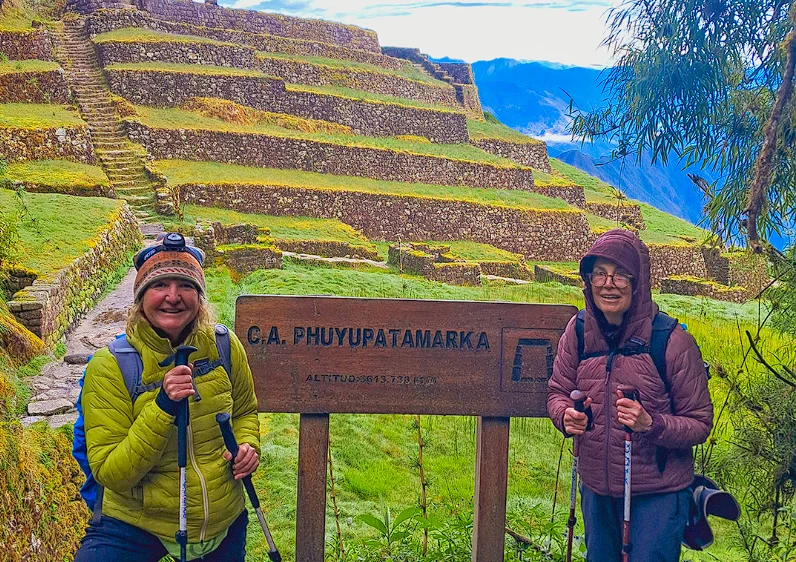
Many first-time trekkers are surprised to find that the hardest parts of the Inca Trail often come from mistakes made before the hike starts. Problems like not adjusting to the altitude, having the wrong gear, not training enough, or forgetting travel documents can make the trek harder than it needs to be.
Fortunately, most of these issues can be prevented with proper planning and realistic expectations. Knowing what to expect before arriving in Peru allows you to enjoy the trek more comfortably and focus on the unique landscapes, archaeological sites, and cultural experiences of the Inca Trail.
Most Inca Trail Problems Are Preventable
Many hikers believe physical fitness is the main challenge on the Inca Trail. While endurance is important, guides often find that preparation is a stronger predictor of success than athletic ability.
For example, travelers who arrive early to acclimatize typically perform better than fit hikers who arrive at the last minute. Likewise, those who pack wisely and use tested gear have a smoother experience than those with new or unnecessary equipment.
In summary, preparation prevents many challenges on the Inca Trail that physical strength alone cannot overcome.
What Local Guides See Every Trekking Season
After years of leading groups on the Inca Trail, local guides start to see the same issues come up again and again.
Each trekking season, some hikers don’t give themselves enough time to get used to the altitude. Others don’t prepare for the mountain weather, forget important documents, or bring backpacks that are much too heavy. Sometimes, travelers renew their passports after booking their permits and forget to tell their tour company, which causes problems before the trek starts.
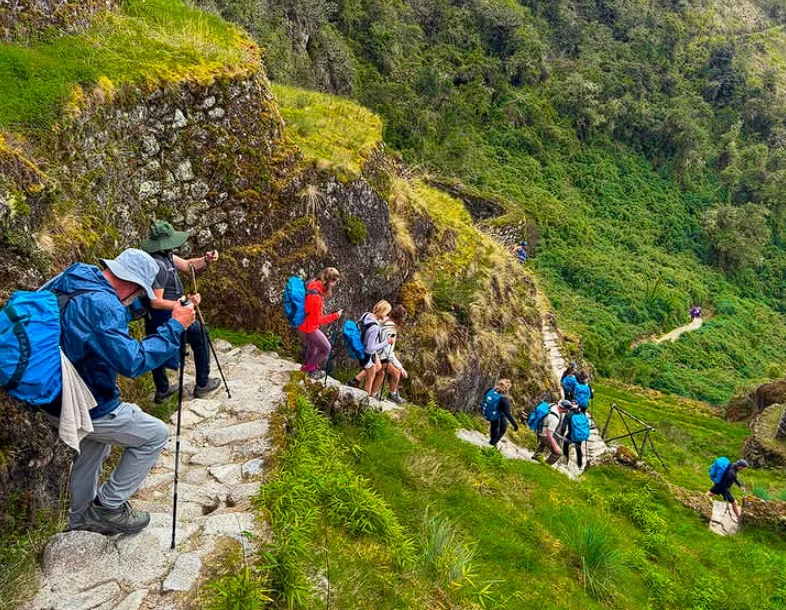
Interestingly, these mistakes don’t usually depend on age or hiking experience. Many first-time hikers finish the trek because they prepare well, while some experienced hikers have trouble because they miss important details.
That’s why guides often stress the importance of preparing well before you even start the trail.
How This Guide Will Help You
This guide isn’t meant to discourage you from hiking the Inca Trail. In fact, it’s here to help you feel ready and excited for the journey.
By learning from what other travelers have experienced, you can avoid many common mistakes that make the trek harder than it needs to be. If you know about things like altitude, packing, shoes, permits, or picking a tour company ahead of time, you’ll feel more prepared and confident when you arrive.
The mistakes listed below are based on what guides see again and again on the Inca Trail to Machu Picchu. If you avoid these, you’ll have a much better chance of enjoying one of the world’s most rewarding treks.
Arriving in Cusco Too Late
A common mistake before the Classic 4 days, 3 nights Inca Trail is arriving in Cusco without sufficient time to acclimatize. Many travelers prepare physically but underestimate the impact of altitude on their performance in Peru.
Cusco is located at about 3,400 m (11,150 ft) above sea level, much higher than most visitors’ home cities. For those from sea level or low-altitude areas, this sudden elevation can stress the body, making even simple activities like climbing stairs or carrying a daypack feel unexpectedly difficult.
Some hikers only give themselves a day in Cusco before starting the Inca Trail. While this might seem like a good way to save time, it doesn’t give your body enough chance to get used to the thinner air. This can make the first days of the trek much harder and less fun.
Why Altitude Affects New Arrivals
A common misconception is that physical fitness alone determines performance at high altitude on the Inca Trail.
In reality, altitude affects individuals differently. Local guides often see even highly active travelers struggle with headaches, fatigue, shortness of breath, or poor sleep after arriving in Cusco. Meanwhile, less athletic travelers may adapt well if they allow enough time to acclimatize.
Altitude is not a fitness issue but an adaptation issue. At higher elevations, lower oxygen levels force the body to work harder, and until it adjusts, many travelers experience symptoms of altitude sickness.
That’s why taking time to acclimatize is one of the most important parts of getting ready for the Inca Trail to Machu Picchu.
How Many Days Should You Acclimatize?
There’s no perfect number of days that works for everyone, since people react to altitude in different ways. Still, most local guides suggest arriving in Cusco at least 3 to 4 days before your trek, based on their years of experience.
If you’re coming straight from sea level, 4 to 5 days is even better. This gives your body more time to adjust and lets you explore Cusco, the Sacred Valley, and other nearby sights at a relaxed pace.
Many hikers find that after a few days at high altitude, their energy, breathing, and comfort improve a lot. In fact, spending extra time acclimatizing often helps more than weeks of extra training.
What Local Guides Recommend
Experienced Inca Trail guides always stress how important it is to acclimatize.
Instead of jumping right into the trek, guides suggest spending your first few days in Peru taking it easy. Go for light walks around Cusco, visit the Sacred Valley, drink plenty of water, eat well, and get enough rest to help your body adjust.
Guides have noticed that hikers who arrive early and give themselves time to adjust usually enjoy the trek more, recover faster after long days, and have fewer problems with the altitude.
Local guides’ most repeated advice is to allow enough time in Cusco before starting the Inca Trail. These extra days can significantly improve your experience and help you enjoy the journey to Machu Picchu with greater comfort and confidence.
Underestimating the Effects of Altitude
Many travelers planning for the Inca Trail prioritize distance, hiking duration, and physical demands. However, altitude often presents an unexpected challenge.
Even after acclimatizing in Cusco, many travelers underestimate the impact of high elevation on energy, breathing, and performance. Altitude is a primary reason the 4 Day Inca Trail Trek is more demanding than expected.
Even after acclimatizing in Cusco, many travelers underestimate the impact of high elevation on energy, breathing, and performance. Altitude is a primary reason the 4 Day Inca Trail Trek is more demanding than expected.
Preguntas Frecuentes
¿Cuál es el error más grande que cometen los excursionistas en el Camino Inca?
No todos los viajeros cometen el mismo error, pero los guías locales a menudo dicen que no aclimatarse adecuadamente es un problema común. Si llegas a Cusco demasiado cerca de tu trek, especialmente desde el nivel del mar, la caminata puede sentirse mucho más difícil. Permitir que tu cuerpo se acostumbre a la altitud es una de las mejores formas de tener una mejor experiencia en el Camino Inca.
¿Cuántos días debería aclimatarme antes del Camino Inca?
Recomendamos altamente quedarte en Cusco o el Valle Sagrado durante al menos 3 a 4 días antes de comenzar el trek. Si vienes del nivel del mar, 4 a 5 días es aún mejor. Esto le da a tu cuerpo tiempo para ajustarse a la altitud y ayuda a reducir la posibilidad de sentirte mal durante la caminata.
¿Cuánto peso debería cargar en el Camino Inca?
Solo deberías traer lo que necesitas para el día, como agua, snacks, equipo de lluvia, protector solar, cualquier medicina que necesites y documentos importantes. La mayoría de las compañías de tours ofrecen apoyo de porteadores, así que cargar peso extra solo hace que el trek sea más difícil sin ninguna ventaja real.
¿Qué zapatos son mejores para el Camino Inca?
La mejor opción son botas o zapatos de senderismo cómodos con buen agarre y soporte. Importa más que tu calzado esté ya usado que la marca que elijas. Las botas nuevas son una razón común de ampollas y pies doloridos en el sendero.
¿Puedo hacer el Camino Inca sin entrenar?
Muchos viajeros completan el trek sin experiencia previa en senderismo, pero algo de preparación física es altamente recomendada. Caminar regularmente, subir escaleras, hacer senderismo y ejercicio cardiovascular pueden hacer que el trek sea más agradable y manejable.
¿Qué sucede si renuevo mi pasaporte después de reservar el Camino Inca?
Si renuevas tu pasaporte después de reservar tu permiso, contacta a tu operador turístico de inmediato. Los permisos se emiten con los detalles del pasaporte proporcionados al momento de la reserva, por lo que tu operador puede necesitar información actualizada. Si tu permiso fue emitido con tu pasaporte viejo, lleva ambos pasaportes (el viejo y el nuevo) cuando viajes.
¿El Camino Inca es más difícil que la mayoría de las caminatas de un día?
Sí. El Camino Inca es más exigente que la mayoría de las caminatas de un día debido a varios días de trekking, ascensos y descensos empinados, senderos de piedra irregulares y gran altitud. Con preparación adecuada, aclimatación y control de ritmo, la mayoría de los viajeros razonablemente en forma pueden completar el trek exitosamente.
¿Debería reservar con un operador local o un revendedor?
Muchos viajeros prefieren reservar directamente con un operador local para una comunicación más clara y gestión directa de guías, logística y equipo. Independientemente de tu elección, siempre verifica quién opera el trek y qué servicios están incluidos antes de reservar.