
 en
en


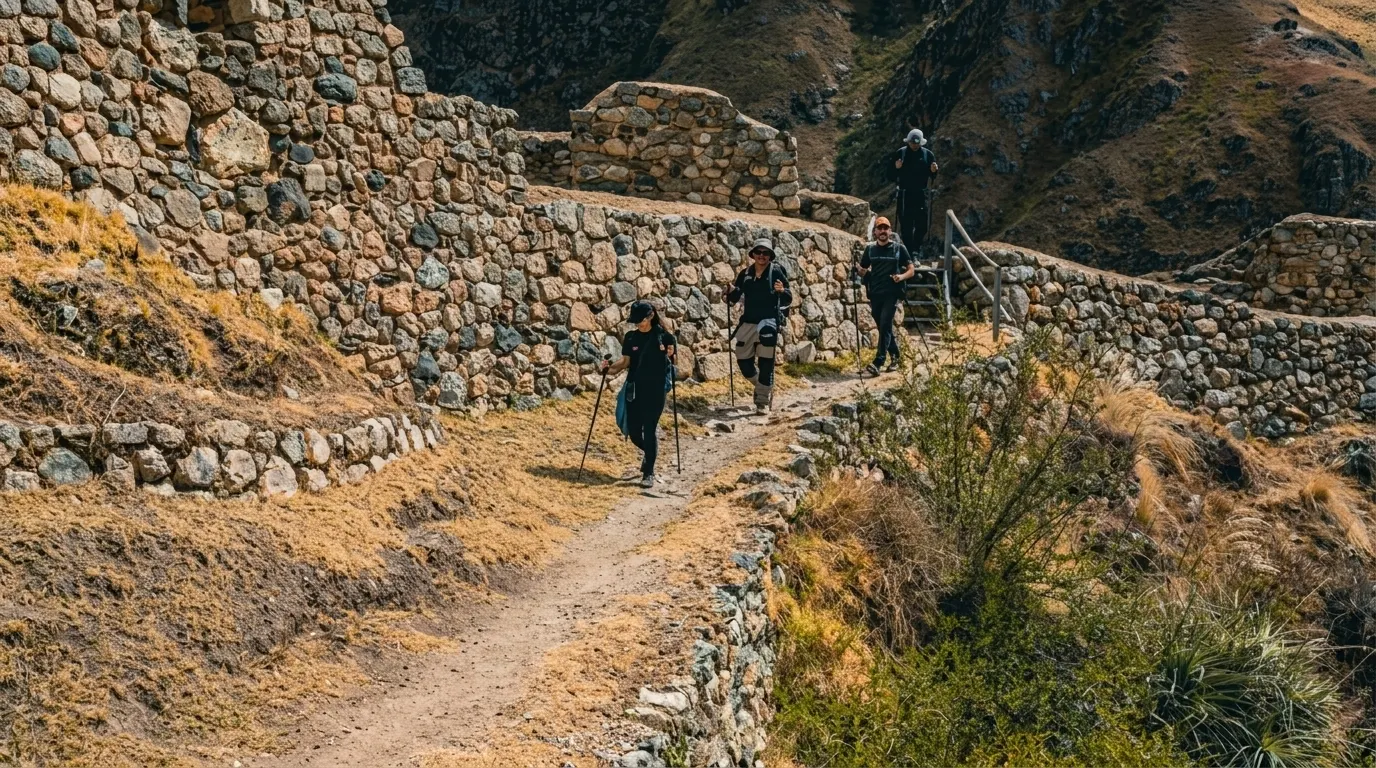
Yes, beginners can hike the Inca Trail. The Classic Inca Trail 4 days is a moderate to challenging trek, but most people with average fitness, some time to adjust to the altitude, and good preparation finish the hike every year.
For most first-time hikers, altitude is a greater challenge than distance. The trail rises above 4,200 m (13,800 ft), and those arriving from sea level often find the thin air more demanding than the hike itself. With sufficient acclimatization in Cusco and a positive attitude, beginners can enjoy this rewarding trek.
This guide will explain what makes the Inca Trail challenging, which beginners might find it harder, how fit you need to be, and whether the Classic or Short Inca Trail is better for you.
Quick Answer: Can a Beginner Complete the Inca Trail?
Yes, most beginners can finish the Classic Inca Trail to Machu Picchu if they prepare well and give themselves time to adjust to the altitude. The trek is rated moderate to challenging, but you do not need any technical climbing skills or past trekking experience. For most first-time hikers, the hardest parts are the high altitude, steep stone steps, and hiking for several days in a row, not the distance.
Each year, thousands of people with little or no trekking experience make it to Machu Picchu by hiking the Inca Trail. Travelers who spend a few days in Cusco before starting, keep up a basic level of fitness, and walk at a steady pace usually do better than they expect.
Before you decide if the Inca Trail is a good fit, it’s helpful to know what the trek includes and what can make it harder for some people than others.
Inca Trail Quick Facts for Beginners
- Difficulty: Moderate to challenging.
- Duration: 4 days and 3 nights.
- Distance: Approximately 42 km (26 miles).
- Highest Altitude: Dead Woman’s Pass at 4,215 m (13,828 ft).
- Technical Skill Required: None.
- Fitness Level: Moderate fitness recommended.
- Main Challenge: High altitude and long uphill sections.
- Success Rate: Most properly prepared hikers complete the trek successfully.
- Best Preparation: Arrive in Cusco four to five days before the trek and establish a consistent walking routine prior to your trip.
What Makes the Inca Trail Difficult for Beginners?
Many first-time hikers are surprised that the Inca Trail’s difficulty does not stem from technical climbing or extreme distances. Instead, most beginners struggle due to altitude, steep stone steps, and the cumulative challenge of hiking several days in a row.
The Inca Trail is part of the ancient Qhapaq Ñan, the vast network of roads built by the Incas centuries ago and follows mountain paths that go up and down along the way. Some parts are easy, but others have long climbs and steep descents on uneven stone paths. Knowing about these challenges ahead of time can help beginners get ready and enjoy the hike more.
High Altitude Is the Biggest Challenge
For most beginners, altitude is the biggest challenge on the Inca Trail. The highest point is Dead Woman's Pass (Warmiwañusca), which is 4,215 meters (13,828 feet) above sea level.
Travelers from sea level or those new to high altitudes often experience stronger effects, such as shortness of breath, headaches, fatigue, loss of appetite, and difficulty sleeping. For many, altitude is more challenging than the physical demands of hiking.
That’s why it’s a good idea to spend a few days in Cusco or the Sacred Valley before you start the trek.
Long Days of Hiking
Unlike a typical day hike, the Classic Inca Trail requires several hours of walking each day over four consecutive days.
Most beginners find the second day the most demanding, with 6–8 hours of hiking and a long ascent to Dead Woman's Pass. Although daily distances are manageable, the combination of altitude and continuous movement often makes the trek more challenging than expected.
The good news is that the pace is usually slow, so you have time to get used to the altitude instead of rushing.
Thousands of Stone Steps
Many people don’t realize just how many stone steps there are on the Inca Trail.
Some of these stairways were built over 500 years ago and can be very different in height and width. They aren’t like modern stairs and are often uneven, so you have to watch your step.
A lot of hikers find that going down these steps is actually harder on the body than climbing up. Your knees and leg muscles can really start to feel it, especially on the third and fourth days.
Mountain Weather Can Change Quickly
The weather in the Andes can change very quickly. A sunny morning might turn into rain, wind, or fog just a few hours later.
If you’re not used to mountains, these changes can be surprising. Temperatures can be very different at campsites, mountain passes, and in the cloud forest along the trail.
It’s important to pack the right layers, rain gear, and sun protection so you stay comfortable during the whole trek.
Do You Need Hiking Experience to Hike the Inca Trail?
Many travelers wonder if previous hiking experience is required for the Inca Trail. The answer is no. Each year, thousands complete the trek to Machu Picchu without prior multi-day hiking experience.
Having hiking experience can help, but it is not required for the Inca Trail. What really matters is your fitness, your ability to stay active for hours, and how you handle the altitude. Many first-time hikers reach Machu Picchu by preparing well, arriving in Cusco early, and listening to their guide’s advice.
Why Experience Is Helpful but Not Essential
If you have hiked before, the trek might feel more familiar. Experienced hikers usually know how to pace themselves, save energy, stay hydrated, and handle changing trail conditions. They may also be more comfortable walking for long stretches on uneven ground.
But you can learn these practical skills even if you have not hiked much before. Many people pick the Inca Trail as their first big hike and finish it successfully. The trail does not need technical climbing, ropes, special gear, or advanced outdoor skills. What you need most is determination, patience, and the willingness to walk for several hours each day.
So, beginners should not feel discouraged if they have never done a trek before. With good preparation and realistic expectations, many first-time hikers find the Inca Trail both doable and very rewarding.
What Matters More Than Hiking Experience
For most people, being physically prepared matters more than past hiking experience. If you can walk for hours, climb stairs, and stay active for several days in a row, you are more likely to succeed than someone who has just done many hikes before.
People who stay active usually find it easier to handle the trail. Walking, jogging, cycling, swimming, going to the gym, or doing any regular exercise can help you build the endurance you need for the trek.
The Inca Trail is not a race. Many people finish the trek by moving slowly and steadily, taking breaks, and letting their bodies adjust to the altitude. If you focus on being consistent instead of fast, you will likely enjoy the experience more and feel stronger at the end.
Why Some Experienced Hikers Still Struggle
It is a common misconception that experienced hikers will find the Inca Trail easy. In reality, even strong trekkers may struggle if they underestimate the effects of altitude.
The trail reaches elevations above 4,000 m (13,123 ft), where the air contains much less oxygen than at sea level. Hikers may experience fatigue, headaches, shortness of breath, reduced energy, and slower recovery.
Many guides have seen experienced hikers arrive feeling confident because they have done tough hikes before, but then realize that altitude is a whole new challenge. Being fit helps, but it does not remove the effects of high elevation.
That is why getting used to the altitude is one of the most important things you can do to succeed, no matter your hiking background.
What Local Guides Often Notice
Guides often notice that the most successful hikers are not always the youngest, strongest, or most experienced. Often, those who do best are well prepared, keep a positive attitude, and know how to pace themselves.
Guides often see beginners finish the Inca Trail comfortably because they listen to instructions, drink enough water, eat well, and respect the altitude. Meanwhile, some experienced hikers struggle because they go too fast or do not realize how tough the trail can be.
A key lesson from the Inca Trail is that success does not depend only on experience. Being prepared, patient, and consistent usually matters much more than how many hikes you have done before.
The good news for beginners is that you do not need years of hiking experience to reach Machu Picchu. With decent fitness, time to adjust to the altitude, and a positive attitude, most travelers can achieve this goal.
Which Beginners Face the Most Challenges on the Inca Trail?
A common misconception is that age determines success on the Inca Trail. However, experience shows that acclimatization, physical conditioning, and overall health are far more important factors.
Some first-time hikers complete the trek easily, while others struggle. Preparation and individual response to altitude are usually the deciding factors. Knowing which travelers face the most challenges helps beginners prepare and enjoy the journey.
Travelers Arriving Directly from Sea Level
Altitude is often the biggest challenge on the Inca Trail. People who live near sea level and haven’t been to high places before usually have the hardest time adjusting.
The Inca Trail climbs above 4,200 m (13,800 ft), where oxygen levels are much lower than most visitors are used to. This can cause headaches, fatigue, shortness of breath, dizziness, poor sleep, or loss of appetite during the first days in Cusco.
Many travelers believe physical fitness alone prevents altitude sickness, but altitude affects everyone differently. Even highly active individuals can struggle if they ascend too quickly without proper acclimatization.
Arriving in Cusco at least 4 to 5 days before the trek is highly recommended. This time allows your body to adapt to the thinner air before starting the Inca Trail.
People Who Rarely Exercise
Travelers who don’t get much exercise in their daily lives often find the trek more challenging.
The Inca Trail isn’t technically hard, but it does take steady effort for several days. Hikers spend hours walking on mountain paths, climbing stone steps, and dealing with rough ground. For people who don’t exercise much, this can be tiring, especially with the altitude.
This doesn’t mean people who aren’t active can’t finish the trek. Many do. But they usually do better if they start preparing a few months ahead by walking, hiking, climbing stairs, cycling, or doing other cardio exercises regularly.
Even taking daily walks can really help. Travelers who exercise regularly before their trip usually enjoy the trek much more than those who don’t prepare at all.
Overweight Travelers May Face Additional Challenges
Your weight by itself doesn’t decide if you can finish the Inca Trail. Every year, hikers of all shapes and sizes make it to Machu Picchu.
Carrying extra body weight increases the physical demands of the trek, especially during long ascents like Dead Woman's Pass. It places more stress on joints and the cardiovascular system, leading to quicker fatigue and longer recovery.
Altitude can further amplify these challenges. Some overweight travelers become short of breath more quickly during steep climbs, especially above 3,500 m (11,500 ft).
With good preparation, a steady pace, and time to get used to the altitude, many overweight hikers finish the trail successfully. The main thing is to know what to expect and give yourself enough time to train before coming to Peru.
Travelers With Asthma or Respiratory Conditions
Many people with asthma do complete the Inca Trail, but they should prepare extra carefully and talk to their doctor first.
Since the trail goes to high elevations, anyone with asthma, chronic bronchitis, sleep apnea, or other breathing problems should check with their doctor before booking. A doctor can say if the hike is safe and suggest any needed precautions.
Less oxygen in the mountains can sometimes make breathing problems worse. Cold mornings, dusty parts of the trail, and long periods of exercise can also affect some hikers.
It’s important to bring your prescribed medicine, let your guides know about any health issues, and talk to your doctor before you travel. These steps can help you stay safe on the trek.
The Travelers Who Usually Perform Best
Surprisingly, the hikers who do best aren’t always the youngest or the most athletic.
Guides often notice that successful trekkers have a few things in common. They arrive early to get used to the altitude, keep fit, drink plenty of water, listen to their guides, and remember that the Inca Trail isn’t a race.
These hikers move at a steady pace, save their energy, and focus on enjoying the trip instead of trying to compete. Because of this, they usually have a more comfortable and rewarding experience, no matter their age or hiking history.
This should give beginners hope. You don’t have to be the strongest hiker. What matters is being prepared, respecting the altitude, and giving your body time to adjust to one of the world’s most amazing treks.
How Fit Do You Need to Be for the Inca Trail?
A common concern for first-time hikers is whether they are fit enough for the Inca Trail. Fortunately, you do not need to be an athlete or experienced mountaineer to reach Machu Picchu.
The Inca Trail is a moderate to challenging trek that rewards consistency over speed. Most travelers with reasonable fitness and preparation can complete the route. The main challenge is the combination of multiple days of hiking, high altitude, steep climbs, and uneven terrain.
Rather than asking if you are "fit enough," consider whether you can remain active for several hours across consecutive days.
What Does “Reasonable Fitness” Actually Mean?
Many travel websites say you need a "moderate fitness level," but they rarely explain what that actually looks like in real life.
As a general guideline, most hikers should be able to:
- Walk 10–15 km (6–9 miles) comfortably in a day.
- Climb several flights of stairs without excessive exhaustion.
- Stay active for 5–7 hours with regular breaks.
- Recover well after a long walk or workout.
- Participate in moderate physical activity several times per week.
Exceptional endurance is not required. However, better physical preparation will make the trek more enjoyable.
Can an Average Person Complete the Inca Trail?
Yes, most people hiking the Inca Trail are regular travelers, not expert trekkers.
Every year, people of all ages, jobs, and fitness levels finish the trek. Many have never done a multi-day hike before.
What these hikers share is not special athletic skill, but a willingness to prepare ahead of time. Even a few months of regular walking, stair climbing, and cardio can make your trek much better.
For most people, determination and good preparation matter much more than natural athletic talent.
Why Endurance Matters More Than Strength
Some travelers spend a lot of time on strength training before the trek, thinking strong muscles alone will get them ready.
Strength can help, but endurance is usually more important.
The Inca Trail is not about lifting heavy weights or doing short, intense bursts of effort. It is about moving steadily for hours at a time. People who are used to walking long distances at a steady pace often do better than those who focus only on strength.
Hiking, brisk walking, cycling, swimming, and running are all great ways to build the endurance you need for the trek.
How Much Training Should Beginners Do?
Most beginners find it helpful to start getting ready at least 8 to 12 weeks before the trek.
You do not need an extreme fitness plan. The goal is to slowly increase your activity over time.
Simple preparation may include:
- Walking several times per week.
- Taking longer weekend hikes.
- Practicing stair climbing.
- Improving cardiovascular fitness.
- Wearing the footwear you plan to use on the trail.
Being consistent matters much more than working out intensely. Making small improvements over a few months usually works better than training hard just before you leave.
A Guide's Perspective on Fitness
After years of guiding on the Inca Trail, one observation stands out: those who enjoy the trek most are not always the fittest.
The best-performing hikers are usually those who prepare, pace themselves, stay hydrated, and respect the altitude. Some athletic travelers struggle by moving too quickly, while many average hikers succeed by maintaining a steady pace.
This should reassure beginners: exceptional fitness is not required for the Inca Trail. Instead, focus on reasonable conditioning, proper acclimatization, and patience as your body adapts to the mountains.
Why Acclimatization Matters More Than Fitness
Many travelers preparing for the Inca Trail focus mainly on fitness, spending weeks training at the gym, running, or hiking. While physical conditioning is important, acclimatization often has a greater impact on your experience.
Local guides often notice that hikers with average fitness sometimes do better than very athletic travelers. The main reason is that they give their bodies enough time to get used to the altitude before starting the trek.
The Inca Trail is not just a physical challenge; it is also a challenge because of the altitude. Knowing how your body responds to high elevation can be the difference between struggling through the hike and really enjoying one of the world’s most famous trekking routes.
Why Altitude Affects Everyone Differently
A key aspect of high-altitude trekking is that fitness does not determine how your body responds to altitude.
Some travelers assume physical fitness protects against altitude sickness, but this is not the case. The body needs time to adapt to lower oxygen levels, regardless of age or athletic ability.
Each season, guides see strong hikers and athletes experience headaches, fatigue, shortness of breath, and poor sleep after arriving in Cusco. In contrast, less athletic travelers often adapt well because they arrive earlier and allow time to adjust.
Because altitude affects everyone differently, acclimatization is one of the most important aspects of preparing for the Inca Trail.
Why Arriving in Cusco the Day Before Is a Mistake
A common mistake is flying into Cusco and starting the trek immediately or the next day.
Cusco is about 3,400 meters (11,150 feet) above sea level. For people coming from coastal cities or low-altitude places, this quick jump in elevation can put a lot of stress on the body.
Without proper acclimatization, even simple activities like walking uphill or carrying a backpack can feel difficult. Beginning the Inca Trail before adjusting increases fatigue and reduces enjoyment.
Many hikers who struggle on the trail are not unfit; they simply did not allow enough time to acclimatize.
How Many Days Should You Acclimatize Before the Inca Trail?
From years of guiding trekkers in the Andes, most people do best when they arrive at least 4 to 5 days before the trek.
These extra days help your body slowly get used to the altitude. They also give you a chance to explore Cusco and the Sacred Valley without rushing.
Many travelers find that mild headaches, shortness of breath, and tiredness get much better after a few days at higher elevation.
If you do not have much time, try to spend at least 2 to 3 days in Cusco. Still, 4 to 5 days usually makes the adjustment much easier, especially if you are coming from sea level.
The Sacred Valley Advantage
Many experienced travelers spend part of their acclimatization period in the Sacred Valley.
Towns like Ollantaytambo and Urubamba are at lower elevations than Cusco, making them easier places for some visitors to adjust while still benefiting from acclimatization.
Exploring the Sacred Valley before the trek lets travelers stay active without overexertion. Gentle walks, cultural visits, and short excursions help prepare both body and mind for the trek.
What Guides Recommend for Better Acclimatization
While there is no guaranteed way to prevent altitude sickness, experienced guides commonly recommend:
- Arriving several days before the trek.
- Staying well hydrated.
- Avoiding excessive alcohol consumption.
- Eating light meals during the first days in Cusco.
- Getting adequate sleep.
- Taking physical activity slowly upon arrival.
- Consulting a doctor regarding altitude medication if appropriate.
These steps can significantly improve comfort and reduce the risk of altitude-related problems during the trek.
The Reality Guides See Every Season
After guiding hundreds of hikers on the Inca Trail, one thing is clear: being fit by itself does not guarantee success.
Many strong travelers have a hard time because they do not realize how much altitude can affect them. At the same time, many beginners finish the trek comfortably just because they arrive early and take time to acclimatize.
For most first-time hikers, spending a few extra days getting used to the altitude is one of the best things they can do. Often, those extra days help more than months of extra training.
Classic Inca Trail vs Short Inca Trail: Which Is Better for Beginners?
Every beginner has different goals, fitness levels, and time to spend in Peru. Luckily, if you want to hike the Inca Trail, you can choose between two main routes: the Classic Inca Trail and the Short Inca Trail.
Both routes let you reach Machu Picchu on the historic Inca Trail and offer amazing views, ancient sites, and a memorable hike. But they are quite different in distance, difficulty, altitude, and how much time and effort they require.
Knowing these differences can help beginners choose the trek that suits them best.
The Classic Inca Trail: The Full Experience
The Classic Inca Trail 4 Days is the most well-known route to Machu Picchu and is usually what people picture when they think of hiking the Inca Trail.
Over four days, hikers cover about 42 km (26 miles) through cloud forests, mountain passes, Inca ruins, and varied Andean landscapes before reaching the Sun Gate and viewing Machu Picchu.
This route includes:
- Four days and three nights.
- Dead Woman's Pass at 4,215 m (13,828 ft).
- Multiple archaeological sites.
- Camping experience.
- Greater physical challenge.
For adventurous beginners who are well-prepared and seek a comprehensive trekking experience, the Classic Inca Trail is often the most rewarding choice.
The Short Inca Trail: A More Accessible Alternative
The Short Inca Trail features many highlights of the traditional route but requires much less hiking.
This trek starts at Km 104 and covers about 12 km (7 miles) before you reach the Sun Gate and Machu Picchu. Most people finish the hike in one day, then spend the night in Aguas Calientes and visit Machu Picchu with a guide the next morning.
This route includes:
- Two days and one night.
- Approximately 12 km (7 miles) of hiking.
- Lower physical demands.
- No camping required.
- Access to Wiñay Wayna and the Sun Gate.
For many first-time hikers, the Short Inca Trail is a great way to start trekking in the Andes.
Which Trek Is Easier?
For most people, the Short Inca Trail is much easier than the Classic route.
Because it is shorter, has less elevation gain, and takes only one day to hike, the Short Inca Trail tour is easier for people with little hiking experience or those concerned about their fitness.
However, the Short Inca Trail 2 Day Trek still has uphill parts, stone steps, and a few hours of walking. It is not an easy stroll, but it is much less demanding than the four-day trek.
Which Option Should Beginners Choose?
The best choice depends more on your goals than just your experience.
The Classic Inca Trail may be the better choice if you:
- Want the complete trekking experience.
- Enjoy outdoor adventures.
- Have time to acclimatize properly.
- Are prepared for several days of hiking.
- Want to experience the full route to Machu Picchu.
The Short Inca Trail may be the better choice if you:
- Have limited time in Peru.
- Prefer a shorter trek.
- Are concerned about your fitness level.
- Want to avoid camping.
- Still want to enter Machu Picchu through the Sun Gate.
A Guide's Recommendation
Many beginners think they should pick the Short Inca Trail because it seems easier, but that is not always the case.
Guides often see first-time hikers finish the Classic Inca Trail successfully if they are well acclimatized and prepared. For those who want the full experience, the four-day trek is often more rewarding than they expected.
Choosing the 2-day short trek is also a good option. It is still one of the best ways to experience part of the original Inca Trail without as much physical effort.
In the end, the best trek is the one that fits your fitness, travel style, and personal goals.
Beginner Tips from Local Inca Trail Guides
Years of guiding on the Inca Trail show that those who enjoy the trek most are not always the strongest or most experienced. Instead, they are prepared, listen to their guides, and value consistency over speed.
Although each trek is unique, local guides consistently share advice that significantly improves hikers’ experiences. If you are preparing for your first trek to Machu Picchu, these tips can help ensure a safer, more comfortable, and enjoyable journey.
Arrive Earlier Than You Think You Need To
One of the most important tips for beginners is to spend several days acclimatizing before the trek.
Many travelers focus on physical training and overlook the challenge of altitude. Arriving in Cusco four to five days before the trek allows your body to adapt to the thinner air, making the hike more enjoyable.
Guides often observe that hikers who arrive early have more energy, recover better, and experience fewer altitude-related issues.
Walk Slowly from the Start
Many first-time hikers make the mistake of starting too quickly on the first day.
Excitement and fresh energy often lead hikers to walk at a pace they cannot sustain. The Inca Trail is not a race, and there is no benefit to reaching camp first.
Guides recommend establishing a comfortable pace from the beginning and maintaining it throughout the day. Conserving energy early leads to better performance on challenging sections.
Focus on Breathing, Not Speed
At high altitude, efficient breathing is more important than speed.
Many hikers feel frustrated when they cannot maintain their usual pace. This is normal, as reduced oxygen levels affect everyone.
When climbing steep parts, guides often suggest taking shorter steps, slowing down, and paying attention to steady breathing instead of speed. This simple change helps many beginners feel better during the climb.
Stay Hydrated Throughout the Trek
Getting dehydrated can make altitude symptoms much worse.
Many travelers don’t drink enough water during the trek, especially when it’s cool or cloudy. But your body still loses fluids all the time through breathing and exercise at high altitude.
Drinking water regularly helps your body adjust, keeps your energy up, and helps you recover. Most guides recommend sipping water throughout the day instead of waiting until you feel thirsty.
Do Not Underestimate Recovery Time
Recovery after each hiking day is almost as important as the hike itself.
Eating well, staying hydrated, changing into dry clothes, and getting enough sleep all support better recovery and improved performance the next day.
Many beginners focus on reaching camp and overlook the importance of recovery. Those who care for their bodies each evening often feel stronger throughout the trek.
Enjoy the Journey, Not Just Machu Picchu
Many travelers focus so much on reaching Machu Picchu that they overlook the trail itself.
The Inca Trail is much more than just a path to Machu Picchu. Along the way, you’ll walk through cloud forests, ancient ruins, mountain passes, and see landscapes that most visitors to Peru never get to experience.
Some of the best memories happen long before you reach the Sun Gate. Slowing down, enjoying the views, and appreciating the journey often become the highlights of the whole adventure.
The Best Advice Guides Give Every Beginner
If local guides could give just one piece of advice, it would be this: prepare well, respect the altitude, and trust your own pace.
The hikers who enjoy the trek most are rarely the fastest. They’re the ones who stay patient, listen to their bodies, and let themselves enjoy every step.
For beginners, this way of thinking often means the difference between just finishing the trek and truly enjoying one of the world’s most famous hikes.
Final Verdict: Is the Inca Trail Suitable for Beginners?
Can beginners hike the Inca Trail? Yes, they can.
Although the Inca Trail is considered moderate to challenging, it does not require technical climbing or advanced outdoor skills. Each year, thousands of first-time hikers complete the route and reach Machu Picchu through the Sun Gate.
The main challenges are altitude, steep stone steps, and consecutive days of hiking, rather than the distance itself. Proper acclimatization and physical preparation are often more important than prior trekking experience.
Beginners Can Complete the Inca Trail Successfully
Many people think the trek is only for experienced hikers, but guides often see beginners finish the route without much trouble.
Most first-time hikers who succeed have a few things in common:
- They arrive in Cusco early to acclimatize.
- They maintain a reasonable level of fitness.
- They hike at a comfortable pace.
- They stay hydrated throughout the trek.
- They follow their guides' recommendations.
These simple habits often help more than having past trekking experience.
The Inca Trail May Not Be Ideal for Everyone
Even though many beginners finish the trek, it is important to be honest about your fitness and health.
Travelers who rarely exercise, have significant mobility limitations, or certain respiratory or cardiovascular conditions may find the trek more challenging. In these cases, consulting a healthcare professional before booking is strongly recommended.
For some, the Short Inca Trail offers a more comfortable introduction to trekking in the Andes, while still providing access to the Sun Gate and Machu Picchu.
The Most Important Factor Is Preparation
Local guides consistently observe that preparation is more important than experience.
Travelers who train moderately, acclimatize in Cusco, and set realistic expectations often perform better than expected. Even experienced hikers can struggle if they underestimate the altitude or arrive unprepared.
The Inca Trail rewards patience, consistency, and preparation over speed or athletic ability.
Our Recommendation for First-Time Hikers
If you are a beginner dreaming of hiking the Inca Trail, do not let limited trekking experience discourage you.
With proper acclimatization, reasonable fitness, and the right mindset, the trek is achievable for most travelers. The journey is challenging, but for many, reaching Machu Picchu through the Sun Gate is among their most rewarding experiences.
For most beginners, the real question is not if they can hike the Inca Trail, but if they are ready to prepare for it.
Conclusion
The Inca Trail is challenging but more achievable than many beginners expect. With preparation for altitude, terrain, and consecutive hiking days, most first-time hikers succeed with proper acclimatization, reasonable fitness, and the right mindset.
We have guided people of all ages and backgrounds on this historic trail to Machu Picchu. Many start out unsure about their fitness or hiking experience, but they soon find that good preparation and a steady pace matter more than past trekking experience.
At Champions Peru Travel, our local guides are trained in first aid, wilderness emergencies, and high-altitude safety. They carry first-aid kits and are ready to help hikers at any point, offering support, encouragement, and expert guidance all along the way.
Our guides know that everyone hikes at their own pace. Their goal is not just to get you to Machu Picchu, but to help you enjoy the journey, face challenges, and finish the Inca Trail safely and with confidence.
If you are new to trekking and thinking about this famous trail, remember that experience is not the only thing that matters. With good preparation, time to adjust, and help from skilled guides, the Inca Trail can be one of the best adventures you will ever have.
Are you ready for an adventure? Check out our Best Inca Trail tours and see why so many travelers pick this famous trek to Machu Picchu each year.
Frequently Asked Questions
Can a Complete Beginner Hike the Inca Trail?
Yes, you can. Most people who hike the Inca Trail each year are not experienced trekkers. The route is considered moderate to challenging, but you don’t need technical climbing skills or special outdoor experience. If you arrive in Cusco early, stay reasonably fit, and prepare well, you’ll likely finish the trek successfully.
For most first-time hikers, the altitude is a bigger challenge than the hike itself. If you give yourself time to adjust and keep realistic expectations, many beginners find the Inca Trail doable.
What Is the Hardest Day of the Inca Trail?
Most hikers say Day 2 is the toughest part of the trek.
On this day, hikers ascend to Dead Woman's Pass (Warmiwañusca), the highest point on the route at 4,215 m (13,828 ft). The altitude and sustained uphill climb make this section physically demanding.
Many travelers manage this challenge by hiking at a steady pace and taking regular breaks.
How Many People Fail to Complete the Inca Trail?
Most hikers who begin the Inca Trail successfully complete the trek.
Those unable to finish usually stop due to altitude issues, illness, injury, or pre-existing conditions, not lack of experience. Proper preparation, acclimatization, and selecting a reputable tour operator greatly increase your chances of success.
Is the Short Inca Trail Easier Than the Classic Inca Trail?
Yes. The Short Inca Trail is significantly easier than the traditional 4-day route.
The 2-day Short Inca Trail Trek covers about 12 km (7 miles) and requires only one day of hiking before reaching Machu Picchu. In contrast, the Classic Inca Trail spans about 42 km (26 miles) over four days, with higher passes and more demanding climbs.
For travelers concerned about fitness or limited by time, the Short Inca Trail is an excellent alternative.
How Many Days Should I Stay in Cusco Before the Inca Trail?
Most local guides recommend arriving in Cusco at least four to five days before starting the trek.
This allows your body to adapt to the altitude and reduces the risk of altitude-related problems. While some travelers acclimatize quickly, spending extra time in Cusco or the Sacred Valley generally improves comfort and performance on the trail.
Can People With Asthma Hike the Inca Trail?
Many travelers with well-controlled asthma complete the Inca Trail each year.
Because the trek reaches elevations above 4,000 m (13,123 ft), anyone with asthma or other respiratory conditions should consult a doctor before traveling. Carry prescribed medications, inform your guide of your condition, and discuss any concerns with a healthcare professional before attempting the trek.