
 en
en


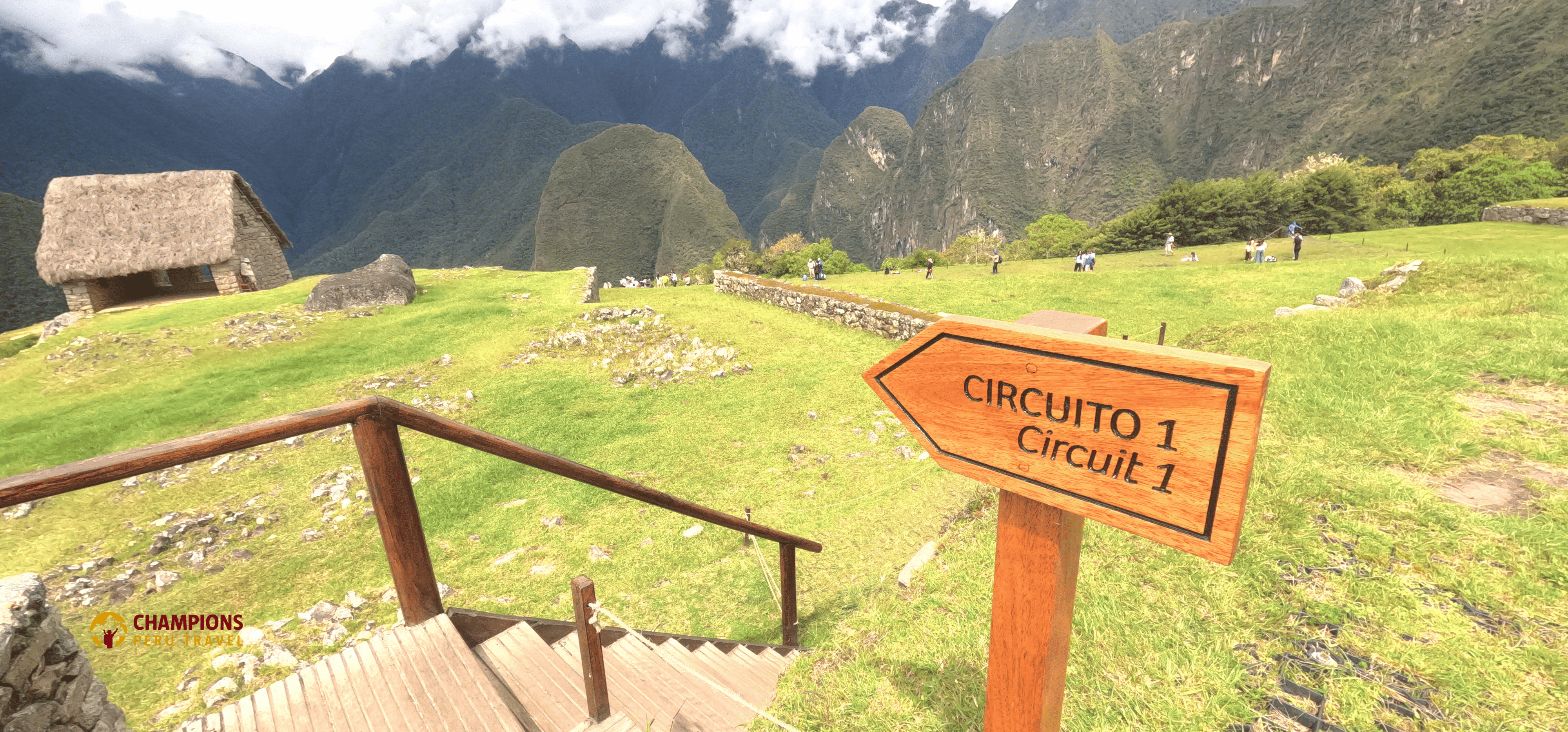
Planning a visit to Machu Picchu in Peru now takes a bit more effort. To help protect this UNESCO World Heritage Site in Peru and manage crowds, the Peruvian Ministry of Culture has set up official circuits. Since June 1, 2024, everyone must follow one of three main one-way routes through the citadel.
This Machu Picchu circuit guide for 2027 explains how the circuit system in Peru works, the differences between each of the official Machu Picchu routes, the current rules on tickets, and most importantly, how to pick the best circuit for your visit, whether it is your first time or you are coming back.
What Are the Machu Picchu Circuits in Peru?
The Machu Picchu circuits are the official visitor routes set by Peru’s Ministry of Culture. They help protect the site and give people a good experience. Every circuit in Peru runs one-way, so once you start, you need to finish the route without turning back or changing paths.
This system was designed to:
- Distribute visitors more evenly
- Reduce overcrowding
- Protect fragile Inca structures
- Improve the overall visitor experience
Because of these rules, Machu Picchu, one of the seven wonders of the world and one of the most important UNESCO World Heritage Sites, can be protected for future generations while still letting travelers enjoy their visit.
Understanding Machu Picchu Zones and Itinerary Planning
To properly plan your Machu Picchu itinerary, it helps to understand how the ancient city is geographically divided. The archaeological site features two distinct Machu Picchu zones: the agricultural sector with its massive farming terraces, and the urban sector where the sacred temples and living quarters are located.
The official Machu Picchu routes are designed to guide visitors through these specific zones. This controlled movement prevents overcrowding in sensitive archaeological areas and preserves the stone pathways, allowing you to experience the magic of the Inca empire at a comfortable pace. If you are still building the wider trip around your visit, our complete Machu Picchu travel guide covers transport, altitude and how many days to allow.
How Do the Routes Inside the Citadel Work?
Machu Picchu circuits have strict one-way rules that everyone must follow.
- Each circuit only goes in one direction
- How long you spend at Machu Picchu depends on the route you choose
- You need to enter with the ticket, circuit and time slot you bought
- Once you go in, you cannot come back if you leave
- You cannot visit more than one circuit during the same trip
- These rules help keep visitors moving smoothly and protect Machu Picchu.
Difference Between Circuits and Routes
What is a circuit?
A circuit is the main path set up inside Machu Picchu. It is designed to control visitor movement, prevent congestion and protect Peru’s most visited archaeological structures. Circuits only go one way, so once you start, you cannot turn back. Each circuit has several routes, so you have some choices, but you still need to follow the conservation rules.
What is a route?
A route is a specific choice within a circuit. It decides what areas you visit, how long you stay, the physical difficulty and the type of experience, whether that is photos, history, adventure or panoramic views. When you buy your ticket, you pick one route and need to stick to it for your whole visit.
Official Machu Picchu Tickets and Circuits for 2027
Every entry to the citadel is controlled by the Peruvian Ministry of Culture, and that is worth understanding before you buy anything. Official Machu Picchu tickets in Peru for 2027 are sold with a circuit, a route and a time slot already attached. You do not choose your circuit at the gate.
Where Official Machu Picchu Tickets in Peru Come From
Peru’s Ministry of Culture releases every ticket through its own government platform, and authorised tour operators buy from that same system. There is no separate inventory and no private allocation.
A few points that catch travelers out:
- Tickets are personalised with your name and passport number, and they cannot be transferred
- Each ticket is valid for one circuit and one route only
- Your entry time is printed on the ticket
- Tickets for the popular circuits sell out months ahead, especially between June and October
- Resellers charging well above the official rate are common, so check what you are actually buying
When you book with us, we handle the government platform for you and confirm which circuit you have before you travel. Our Machu Picchu guided tour and full day tour both include the official ticket.
What Peru’s Ministry of Culture Changed
Before May 2024, Machu Picchu used a five circuit system that started in 2021. The current rules aim to better protect the site and manage visitor flow.
Key changes still in force in Peru for 2027:
- Three main circuits, in operation since June 1, 2024
- 10 total routes distributed among the three circuits
- Daily visitor limits of up to 5,600 in high season, meaning June to October plus the December holidays, and up to 4,500 in low season
- Entry times are strict, with a 30 to 45 minute grace period depending on the season
- Tickets are personalised and non-transferable
- All routes are one way only
Is There a Circuit 4 at Machu Picchu?
No, and this trips up a lot of travelers. Circuit 4 and Circuit 5 belonged to the older five circuit system used between 2021 and mid-2024. They no longer exist.
If you are reading an older blog post, an out of date guidebook or a forum thread that mentions Circuit 4, that information is retired. For 2027 there are only three circuits at Machu Picchu in Peru, each with its own set of numbered and lettered routes. Anyone offering to sell you a Circuit 4 ticket is working from stale information.
Machu Picchu Daily Ticket Limits by Circuit in Peru
Availability in Peru is not spread evenly across the three circuits, which matters when you are choosing dates:
- Circuit 2, Classic: 3,050 visitors per day, the largest allocation
- Circuit 3, Royalty: 1,450 visitors per day
- Circuit 1, Panoramic: the remaining allocation, which shifts between high and low season
Circuit 2 has the most tickets and still sells out first, because it is the route most first-time visitors want.
Machu Picchu Circuits Map and Route Durations
When checking a Machu Picchu circuit map to plan your day, knowing how much time you will spend walking is crucial. You will receive a physical or digital map when you collect your Machu Picchu circuit tickets, and here is a quick breakdown that answers the question travelers ask most often: how long does Circuit 2 at Machu Picchu actually take?
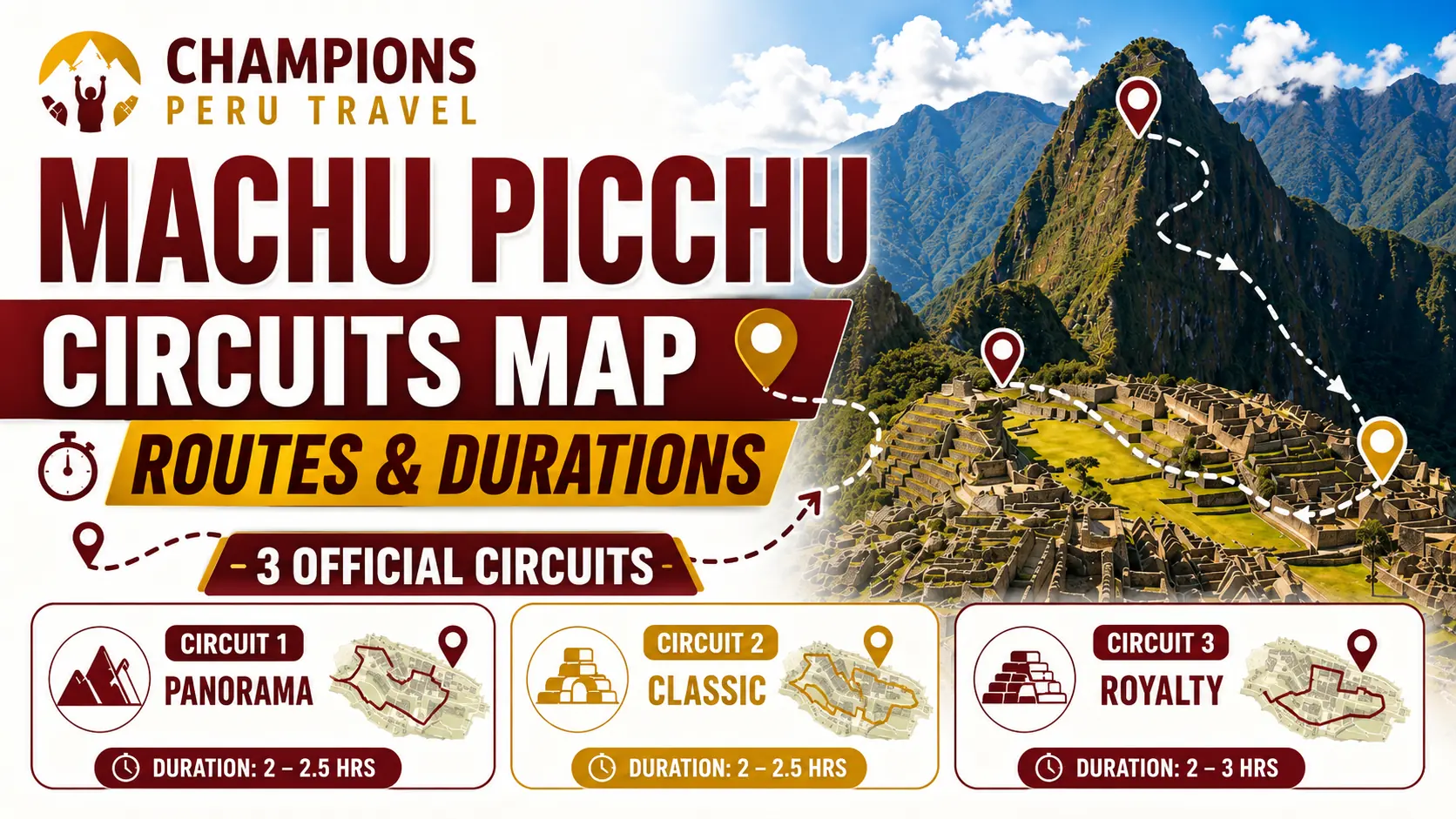
Average duration by circuit:
- Circuit 1, Panoramic: 1.5 to 2.5 hours. Best for classic postcard photos with minimal ruins exploration.
- Circuit 2, Classic, routes 2A and 2B: 2.5 to 3 hours. The most complete archaeological tour.
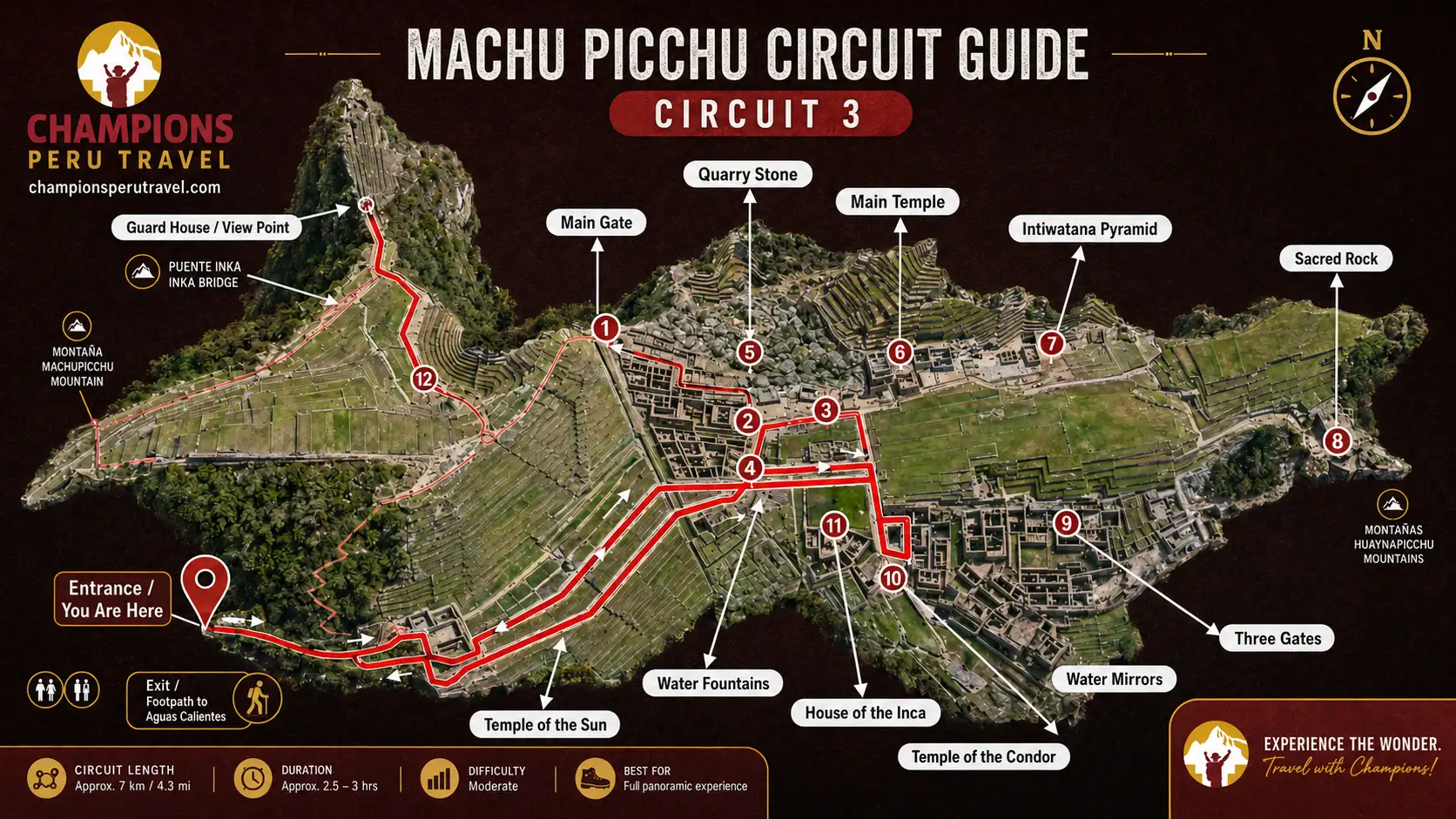
- Circuit 3, Royalty: 2 to 2.5 hours. Lower temples, easier walking and access to the mountain hikes.
- Huayna Picchu hike, Route 3A: 4 to 5 hours in total. For thrill seekers wanting a steep, adventurous climb.
Where to Find a Machu Picchu Route Map in Peru
Travelers often search for a Machu Picchu Circuit 2 guide PDF or a Circuit 3A map before they travel, usually to work out how much walking is involved. A few things worth knowing:
- Peru’s Ministry of Culture publishes the official circuit maps on its ticketing platform, and those are the only versions guaranteed to be current
- Printed maps are handed out at the entrance gate on the day of your visit
- Many PDF maps circulating online still show the retired five circuit layout, so check the date before you trust one
- Your guide carries the route map and will walk you through the sequence at the gate
If you want the route explained in advance rather than on the day, that is exactly what a guide is for. Our team briefs you on your assigned circuit the evening before your visit.
Routes to Machu Picchu vs Routes Inside Machu Picchu
One quick clarification, because these two things get confused constantly. When people search for routes to Machu Picchu, some mean the circuits inside the citadel and others mean how to physically get there from elsewhere in Peru. They are separate decisions.
Getting to Machu Picchu:
- By train to Aguas Calientes, then the shuttle bus up. Our comparison of IncaRail vs PeruRail covers the classes and costs
- On foot via the Classic Inca Trail, 4 days or the Short Inca Trail, 2 days
- On foot via an alternative trek such as Salkantay
- As part of a longer Cusco and Machu Picchu tour package or a wider Peru tour circuit taking in Lima, Cusco and the Sacred Valley
Once you are inside the gate, your circuit determines everything. How you arrived does not change which circuit you walk, with one exception covered further down for Inca Trail hikers.
Types of Machu Picchu Circuits Available in Peru
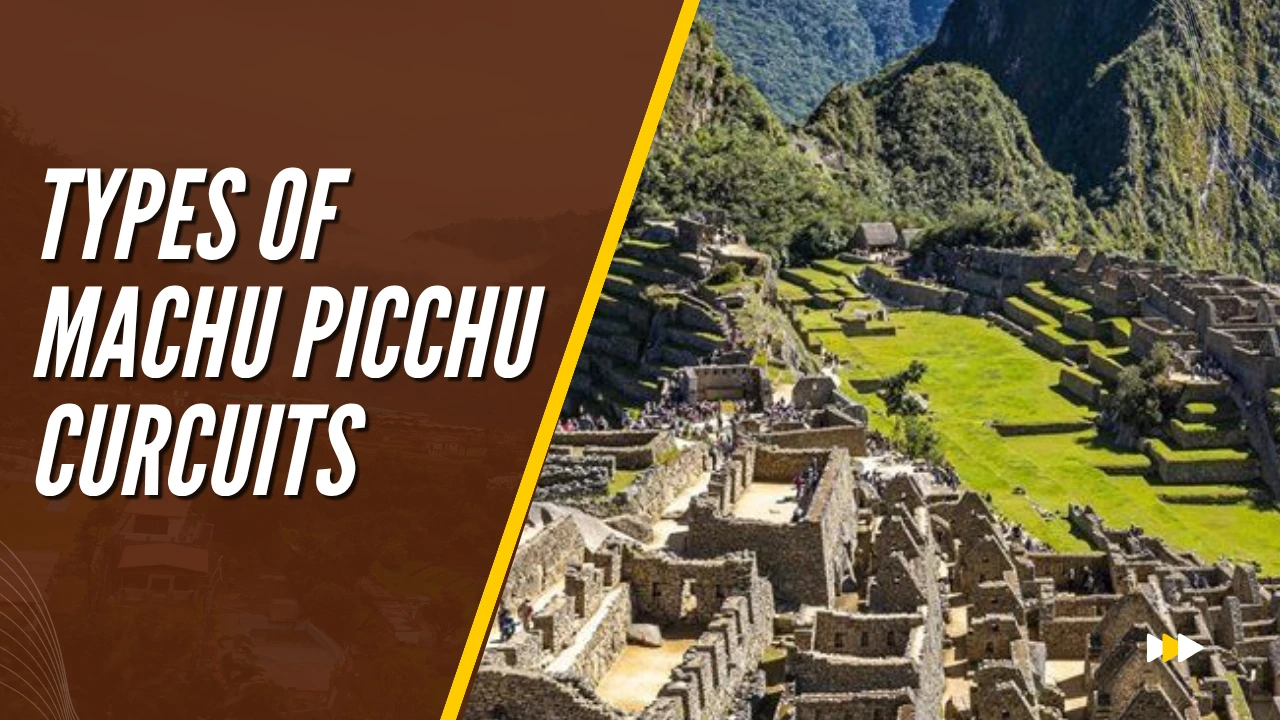
Circuit 1, Panoramic: The Top Choice for Views and Iconic Photos
If you want to see Machu Picchu from above and take the classic postcard photos, Circuit 1 Panoramic is your best option. This route takes you to the highest viewpoints in the Historic Sanctuary, where you can enjoy sweeping views of the ruins, the mountains and the Urubamba River below.
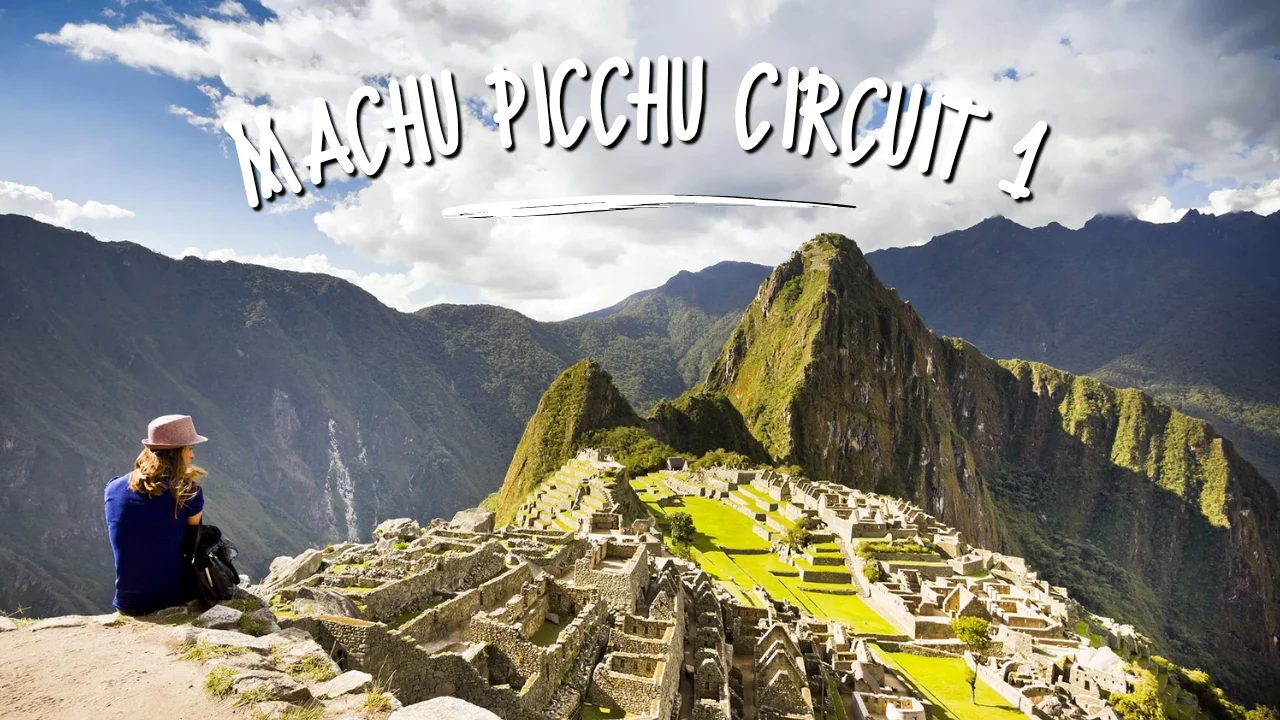
While other circuits highlight temples and city areas, Circuit 1 focuses on the scenery. From the upper terraces and lookouts, you can really see why the Incas picked this dramatic spot, set between jungle covered peaks and carefully built into the Andes.
Since Circuit 1 follows a higher path, it is usually less crowded. That makes it a great choice for photographers, nature lovers and anyone who wants more space and clear views. We have a dedicated breakdown in our guide to everything about Machu Picchu Circuit 1 .
Why choose Circuit 1?
- The classic Machu Picchu photo from the Guardian's House viewpoint
- Panoramic views of the entire citadel from above
- Access to exclusive hikes including Machu Picchu Mountain, Intipunku and the Inca Bridge
- A less congested, more relaxed visit compared with the central circuits
This circuit does not include the main temples in the lower city, so it may not suit travelers whose main interest is archaeology. For scenery and photography it is unmatched.
Route 1A: Machu Picchu Mountain
Machu Picchu Mountain is the highest point in the sanctuary at 3,082 metres, or 10,111 feet, above sea level. This Machu Picchu Mountain route combines the panoramic circuit with a challenging and rewarding summit hike.
The trail ascends gradually along stone steps and mountain paths, passing lush vegetation and scenic viewpoints. At the summit you get a 360 degree view of the entire citadel, the winding Urubamba River and the surrounding Andean peaks.
- Includes: Machu Picchu entry plus the Machu Picchu Mountain hike
- Difficulty: Moderate
- Hiking time: Around 3 hours round trip
- Maximum time inside: Up to 7 hours
- Crowd level: Lower than Huayna Picchu
- Availability: All year
Ideal for travelers who want a physical challenge without extreme exposure and prefer a quieter hike. If you are torn between the two summits, our comparison of Huayna Picchu vs Machu Picchu Mountain lays out the difference in gradient, exposure and views.
Route 1B: Upper Terrace, the Classic Photo Route
Route 1B is the top choice for visitors who want the classic Machu Picchu photo without a long hike. It takes you straight to the Upper and Lower Observatory platforms and the Guardian's House viewpoint.
From these viewpoints you can see the agricultural terraces on the mountain, the urban area below and Huayna Picchu in the background.
- Includes: Upper terraces and main viewpoints
- Difficulty: Easy
- Time allowed: Up to 2.5 hours
- Entry times: Morning 06:00 to 09:00 and afternoon 12:00 to 15:00
- Availability: All year
This route works well for short visits, for catching the sunrise, or for travelers with limited mobility. Sunrise and sunset light changes the site completely, which is the thinking behind our Machu Picchu sunset and sunrise tour .
Route 1C: Intipunku, the Sun Gate
Intipunku, also called the Sun Gate, was the first ceremonial entrance to Machu Picchu for Inca Trail travelers. This route follows part of the old Qhapaq Ñan and leads to a great overlook above the citadel.
From Intipunku, Machu Picchu slowly comes into view in the distance. It is a special moment, especially for anyone interested in history. Read more about the Sun Gate at Machu Picchu and why trekkers rate it so highly.
- Includes: Machu Picchu entry plus the Intipunku hike
- Difficulty: Easy
- Hiking time: Around 40 minutes each way
- Time allowed: Up to 4 hours
- Entry times: Morning only, 08:00 to 11:00
- Availability: High season only, June to October
Route 1D: Inca Bridge
The Inca Bridge is a great example of Inca engineering. Built on a narrow cliffside path, this wooden and stone structure once served as a travel route and a defensive barrier.
The walk to the bridge follows quiet trails with dramatic views and fewer visitors than the main areas.
- Includes: Machu Picchu entry plus the Inca Bridge trail
- Difficulty: Intermediate
- Hiking time: Around 30 minutes each way
- Time allowed: Up to 3 hours
- Entry times: Morning only, 08:00 to 11:00
- Availability: High season only, June to October
You cannot cross the bridge for safety reasons, but the viewpoint makes the walk worthwhile.
What You Will See on Circuit 1
- Upper agricultural terraces: massive stone platforms built for stability, farming and ceremony
- Guardian's House: the most famous viewpoint in Machu Picchu
- Lower and upper observatories: open platforms with 360 degree views
- Huayna Picchu and Machu Picchu Mountain: dominating the skyline
- Urubamba River valley: far below, wrapping around the citadel
Is Circuit 1 Right for You?
Choose Circuit 1 if:
- You want the best Machu Picchu photos
- You prefer fewer crowds and open viewpoints
- You enjoy scenic walks and mountain landscapes
- You are short on time but want maximum visual impact
Choose another circuit if:
- You want an in-depth exploration of temples and ceremonial structures
- You are visiting Machu Picchu only once and want full archaeological access
Circuit 2, Classic: The Most Complete Machu Picchu Experience
Circuit 2 Classic is often seen as the best and most complete way to visit Machu Picchu, especially if it is your first time. This route takes you through the heart of the Inca citadel, letting you walk among its main temples, plazas, ceremonial spaces and urban areas. It gives you a real sense of how the site worked during the Inca Empire.
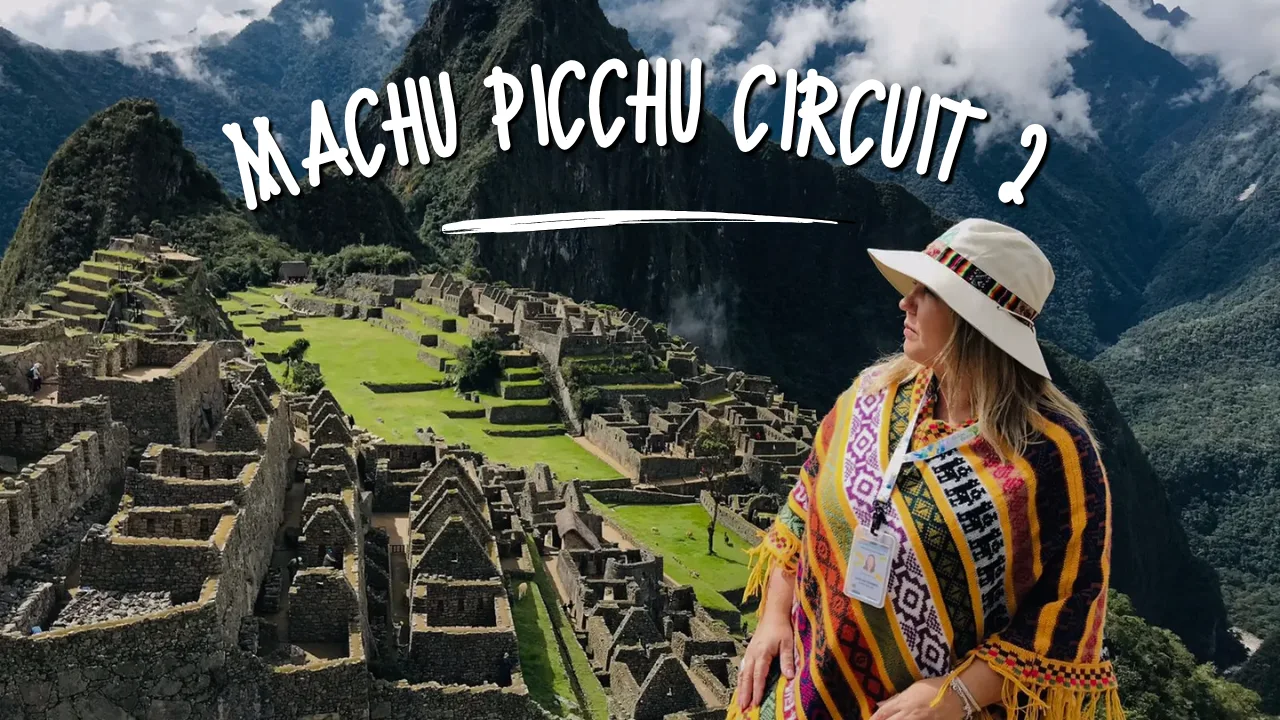
Where Circuit 1 is about panoramic views, Circuit 2 takes you right into the centre of Machu Picchu. You visit the religious, residential and ceremonial areas that were once the heart of the citadel. If you want to really understand Machu Picchu's history and daily life, Circuit 2 is the top choice.
- Daily ticket limit: 3,050 visitors
- Best for: First-time visitors, history fans, seniors and anyone who wants a full experience
Why choose Circuit 2?
- To see Machu Picchu's most important temples and ceremonial spaces
- The classic viewpoint along with a full tour of the citadel
- A route that is easy to walk and not too tiring
- A better understanding of Inca religion, astronomy and city planning
This circuit is closest to the traditional Machu Picchu visit that existed before the circuit system started in 2020. It is the top pick for travelers who want to see everything in one trip.
Route 2A: Classic Designed, the Most Comprehensive Route
Route 2A is the most complete route inside Machu Picchu and the top choice for travelers who want the most from a single visit.
It leads you through Machu Picchu's main religious, ceremonial and residential areas. You see the important buildings, sacred places and famous viewpoints. There is also a lower observatory where you can take a panoramic photo of the citadel, though from a lower angle than Circuit 1.
● Includes: Access to Machu Picchu's main archaeological sectors
● Difficulty: Easy
● Time allowed: Up to 2.5 hours
● Entry times: Morning 06:00 to 11:00 and afternoon 12:00 to 15:00
● Availability: All year
Route 2B: Lower Terrace, the Easiest Classic Route
Route 2B is the easiest way to explore Circuit 2. It is made for travelers who want to see Machu Picchu's main highlights without steep stairs or long climbs. The route takes you through the lower part of the citadel and still includes the most important religious, ceremonial and urban sites.
It suits anyone who prefers a gentle walk, including seniors, families with children, and travelers recovering from altitude fatigue. Even though it is easier on the body, Route 2B still gives you a deep look into Inca culture and the spiritual meaning of Machu Picchu.
● Includes: Lower access to Machu Picchu's main archaeological highlights
● Difficulty: Easy
● Time allowed: Up to 2.5 hours
● Entry times: Morning 06:00 to 11:00 and afternoon 12:00 to 15:00
● Availability: All year
Although this route stays in the lower part of the site, you can still reach the Guardian's House viewpoint from a lower angle and take the classic photo without climbing to the higher terraces.
Machu Picchu Circuit 2A vs 2B: What Is the Difference?
If you are deciding between Circuit 2A or 2B, you are not alone. This is one of the most common dilemmas travelers face. Here is the simple breakdown:
- Circuit 2A, Classic Designed: slightly longer, with more stone steps to climb. It takes you a little higher into the urban sector before winding down, which gives you a broader view of the central ruins.
- Circuit 2B, Lower Terrace: skips the steepest staircases. It stays on the lower levels, making it faster and much friendlier on the knees, while still reaching the most important temples.
The verdict: choose 2A if you are fit and want to see every possible corner. Choose 2B if you want the classic experience without the heavy cardio.
How Difficult Is Circuit 2 at Machu Picchu?
Circuit 2 is rated easy, but that rating is relative to the mountain hikes rather than to a flat city walk. What to expect in practice:
- Route 2A involves a few hundred stone steps spread across the visit, uneven ancient stonework and no handrails in most sections. Most reasonably mobile visitors manage it comfortably in 2.5 to 3 hours.
- Route 2B cuts out the steepest staircases. If stairs are a concern, this is the version to book.
- Altitude is the bigger factor for most people. Machu Picchu sits at 2,430 metres, lower than Cusco, so travelers who have already acclimatised in Cusco usually find it easy going.
- Weather matters more than gradient. Wet stone in the rainy season, from November to March, is the main reason people slip.
Neither route requires hiking experience. Trainers with decent grip, water and a rain layer are enough. Anyone worried about pacing should book a morning slot, when it is cooler and less crowded.
Who Is Circuit 2 Best For?
Choose Circuit 2 if:
- It is your first time visiting Machu Picchu
- You want both history and iconic views
- You prefer an easy, non-strenuous walk
- You want the most value from a single ticket
It is also strongly recommended for families and senior travelers, visitors with limited time who want maximum coverage, and anyone booking a guided tour, since guides can explain the site in a logical order.
Important notes about Circuit 2:
- Routes are one way only and you cannot return or re-enter once you exit
- You must enter at your assigned time slot
- Circuit 2 tickets sell out quickly, especially in high season
- This is the only circuit that offers free entry to Cusco residents on Sundays
Circuit 3, Royalty: Sacred Spaces and Legendary Mountain Hikes
Circuit 3 offers the most exclusive and challenging way to experience Machu Picchu. It focuses on the royal and ceremonial parts of the citadel, once reserved for the Inca elite, priests and nobility. Where Circuits 1 and 2 highlight panoramic views or a classic city tour, Circuit 3 blends spiritual meaning with serious mountain hiking.
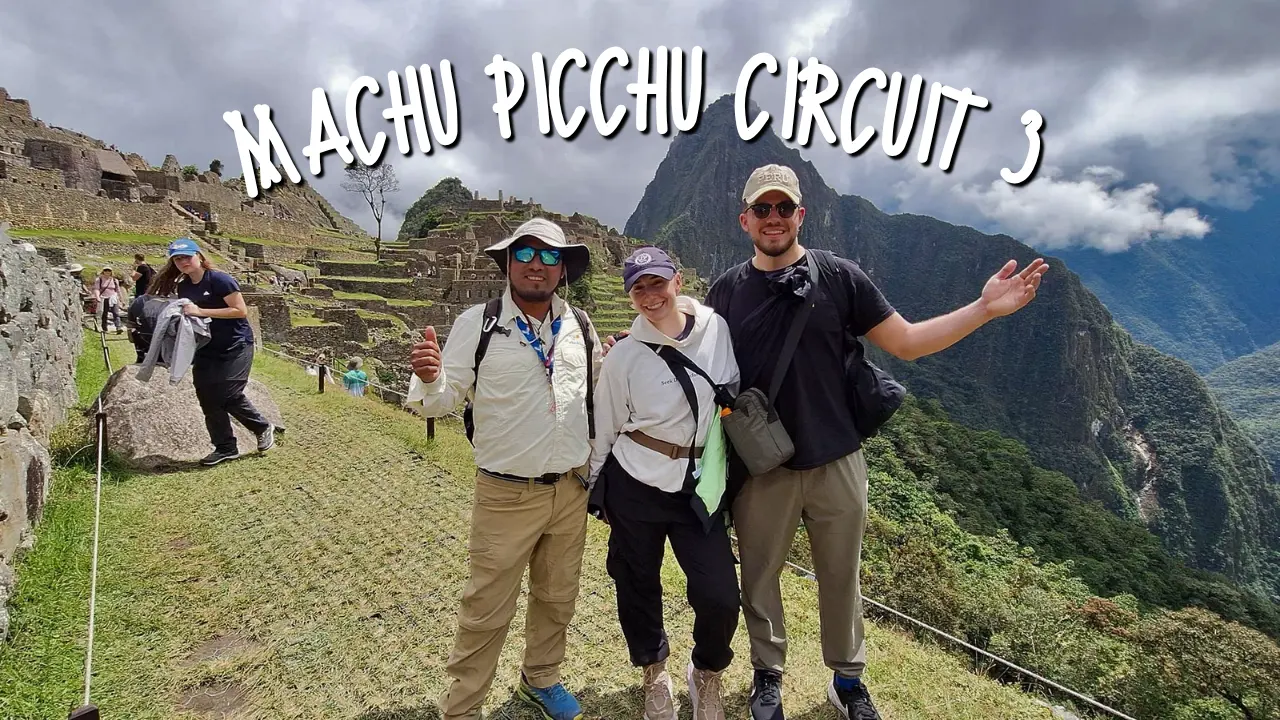
This circuit includes Machu Picchu's most famous adventure routes: Huayna Picchu, Huchuy Picchu and the Great Cavern, also known as the Temple of the Moon. Its challenging paths, limited access and complex terrain make Circuit 3 ideal for travelers wanting a more intense experience.
● Daily ticket limit: 1,450 visitors
● Best for: Adventure travelers, experienced hikers, repeat visitors
● Focus: Royal temples, ceremonial spaces and sacred mountain routes
● Physical level: Moderate to high, depending on the route
● Availability: All year, with some seasonal routes
Why choose Circuit 3?
● You want to hike Huayna Picchu or another sacred mountain
● You are interested in Inca royalty, rituals and ceremonial architecture
● You prefer the less crowded, more exclusive areas of the citadel
● You enjoy physically demanding routes with unusual viewpoints
This circuit does not include the classic postcard view from the upper terraces. Instead it gives you dramatic angles and access to places most travelers never see.
Route 3A: Huayna Picchu Mountain
Route 3A is the most famous and challenging hike at Machu Picchu, and one of the most sought-after permits in Peru. The mountain rises steeply behind the citadel, creating that iconic silhouette and offering some of the best views in the Andes.
The trail follows ancient Inca stone steps through narrow passages and across open sections with safety cables. Along the way you pass agricultural terraces, small ceremonial platforms and hidden Inca structures built into the mountainside.
● Includes: Machu Picchu entry plus Huayna Picchu Mountain
● Difficulty: High
● Time allowed: Up to 6 hours inside the sanctuary
● Hike duration: Around 2 hours round trip
● Availability: All year
● Minimum age: Recommended for travelers over 12
Highlights of Huayna Picchu:
● Views from above the citadel. At the summit you look down on Machu Picchu, ringed by the Urubamba River and tall Andean peaks. Completely different from the Circuit 1 angle.
● The Stairs of Death. A steep section of original Inca stairs carved into the rock. It looks intimidating but is safe if you take it slowly, and it is the part everyone remembers.
● Inca engineering in extreme terrain. Terraces, stairways and ceremonial spaces on a mountain this steep show just how far Inca building skill went.
Important notes:
● Book well ahead, since permits sell out weeks or months in advance in high season
● The route is one way and you must follow the assigned path
● Trails get slippery in the rainy season, November to March
● Not recommended for travelers with vertigo or mobility issues
Route 3B: Royalty Designed, the Ceremonial Heart
Route 3B is the easiest option in Circuit 3 and takes you through the lower ceremonial and royal areas. Unlike the mountain hikes, this route suits travelers who want to understand the citadel's spiritual, political and symbolic importance without a tough climb.
You walk through the areas connected to Inca nobility, priests and ritual. A good choice for visitors more interested in history and sacred architecture than in adventure hiking.
● Includes: Machu Picchu entry, lower ceremonial sector only
● Difficulty: Easy
● Time allowed: Up to 2 hours 30 minutes
● Best for: Cultural travelers, seniors, families, history lovers
● Availability: All year
● Mountain access: None
Main highlights of Route 3B:
● Temple of the Sun. One of the most important religious buildings at Machu Picchu, dedicated to Inti, the sun god. Its carved windows align with the solstices.
● Temple of the Condor. A striking example of symbolic architecture, where natural rock and carved stone form the shape of a condor. In Andean belief the condor connects to Hanan Pacha, the upper world.
● Water mirrors. Sacred carved basins used to reflect the sky, showing how far Inca astronomy went and the spiritual value placed on water.
● Royal storehouses and ceremonial patios. Used for rituals and offerings, marking out this part of the citadel as elite space.
Many of these names come straight from Quechua, which is still spoken across the Andes today. Our guide to the Quechua language explains the terms you will hear from your guide.
Route 3C: Great Cavern, the Temple of the Moon
Route 3C, the Great Cavern or Temple of the Moon, is one of Machu Picchu's most mysterious and least visited paths. It sits on the far side of Huayna Picchu and takes you deep into the forest along narrow Inca trails to a carved sacred cave complex.
This hike is not easy. Route 3C is long, physically demanding and deeply atmospheric. A favourite for adventurous travelers and anyone drawn to Inca ritual spaces linked to the underworld.
● Includes: Machu Picchu entry plus the Great Cavern
● Difficulty: High
● Time allowed: Up to 7 hours
● Hike duration: Around 4 to 5 hours round trip
● Availability: High season only, June to November
● Minimum age: 12
For the Incas, caves represented Ukhu Pacha, the inner or under world, associated with fertility, ancestors and transformation. The Great Cavern was likely a ritual centre dedicated to Pachamama and Killa, the moon. Inside you find finely carved niches, altars and ceremonial platforms, with stonework that rivals the main temples in the citadel.
What you will see on Route 3C:
● Hidden Inca trails behind Huayna Picchu
● Dense cloud forest with orchids and birdlife
● The Great Cavern's ceremonial chamber
● Lower citadel sectors including the Temple of the Sun, Sacred Rock, 12 Doorways, water mirrors and the Temple of the Condor
Route 3D: Huchuy Picchu, an Easy Hike with Great Views
Route 3D is the shortest and easiest mountain hike at Machu Picchu. A good choice if you want a summit without a hard climb. The trail leads to a smaller peak beside Huayna Picchu and gives you elevated views for far less effort.
● Includes: Machu Picchu entry plus Huchuy Picchu
● Difficulty: Easy
● Time allowed: Up to 3 hours 30 minutes
● Hike duration: Around 40 to 50 minutes round trip
● Availability: High season only, June to November
Highlights:
● Short mountain ascent on original Inca stone steps, manageable for most visitors
● Alternative panoramic views of the citadel and the Urubamba River, different from Circuit 1 or Huayna Picchu
● Lower citadel exploration before or after the hike, including the Temple of the Sun, Sacred Rock, water mirrors and Temple of the Condor
Note that no grace period applies at the Machu Picchu Mountain, Huayna Picchu or Huchuy Picchu checkpoints. Miss your slot and you miss the hike.
Machu Picchu Circuit 3A vs 3B
These two sit at opposite ends of the same circuit, and travelers mix them up constantly when booking.
● Route 3A is Huayna Picchu. High difficulty, up to 6 hours inside the sanctuary, roughly 2 hours of steep climbing on exposed Inca stairs. You get the dramatic aerial view of the citadel. Not suitable for anyone with vertigo.
● Route 3B has no mountain access at all. Easy, 2.5 hours, flat ceremonial paths through the Temple of the Sun and Temple of the Condor. You get close-up archaeology instead of altitude.
Both include the lower ceremonial sector, so 3A is essentially 3B plus the mountain. If you book 3A and decide on the day that the climb is not for you, you can still walk the lower sector. The reverse is not possible, since the Huayna Picchu checkpoint only admits ticket holders.
Machu Picchu Circuit 1 vs 2 vs 3: Full Comparison
Which Machu Picchu circuit is best depends entirely on what you came to Peru for. Here is the honest comparison across all three.
Circuit 1, Panoramic. The classic postcard photo from above, the fewest crowds, and access to Machu Picchu Mountain, the Sun Gate and the Inca Bridge. You do not walk through the main temple complex. Best for photographers and repeat visitors.
Circuit 2, Classic. The only circuit that takes you through the main plazas, the Sacred Plaza and the Intihuatana. The most complete archaeological visit and the largest ticket allocation. Best for first-time visitors.
Circuit 3, Royalty. Close-up access to the Temple of the Sun and the House of the Inca, plus every mountain hike including Huayna Picchu. Easier walking on the lower routes, no panoramic photo. Best for adventure hikers and returning travelers.
Circuit 1 vs Circuit 2 Machu Picchu
This is the most common decision travelers face.
● Choose Circuit 1 if you care mostly about the world-famous high-angle photograph and want to avoid large crowds. It is less about the ruins and more about the landscape.
● Choose Circuit 2 if you want to walk inside the ancient city. As the best Machu Picchu circuit overall, Circuit 2 is the only route that lets you walk through the main plazas, the Sacred Plaza and the Intihuatana pyramid.
Circuit 2 vs Circuit 3 Machu Picchu
A closer call than most people expect, since both spend time in the urban sector.
● Coverage: Circuit 2 covers more of the citadel, including the upper urban sector and the main plazas. Circuit 3 concentrates on the lower ceremonial and royal sectors.
● The classic photo: available on Circuit 2 from the lower observatory. Not available on Circuit 3.
● Mountain hikes: only Circuit 3 includes Huayna Picchu, Huchuy Picchu and the Great Cavern.
● Effort: Circuit 3B is the gentlest walk at Machu Picchu. Circuit 2A involves the most steps of the two.
● Availability: Circuit 2 has 3,050 daily tickets against 1,450 for Circuit 3, but Circuit 2 still sells out first.
If it is your only visit and you are not hiking a summit, take Circuit 2. If you want Huayna Picchu, the choice is already made for you: Circuit 3.
Machu Picchu Circuit 1A vs 1B
Travelers planning their visit often ask whether Circuit 1 at Machu Picchu is worth it. The answer is yes if sweeping landscapes are your priority. On the specific difference between 1A and 1B:
● Route 1A requires a demanding hike up Machu Picchu Mountain, granting the highest vantage point in the entire sanctuary
● Route 1B focuses on the upper terraces, giving you the iconic postcard picture without the strenuous climb
Both guarantee unforgettable views of the surrounding peaks and valleys. The difference is three hours of uphill walking.
Is Circuit 3 Machu Picchu Worth It?
Yes. Circuit 3 is overlooked, but it gets you closest to the Temple of the Sun and the House of the Inca. It is the right choice if you are booking the Huayna Picchu hike, and it is also worth considering if you simply prefer an easier walk with fewer stairs.
Best Machu Picchu Circuit by Traveler Type
● First-time visitor with one day: Circuit 2, Route 2A
● Photographer: Circuit 1, Route 1B
● Serious hiker: Circuit 3, Route 3A for Huayna Picchu
● Senior traveler or limited mobility: Circuit 2, Route 2B or Circuit 3, Route 3B
● Family with young children: Circuit 2, Route 2B
● Repeat visitor: Circuit 1 or Circuit 3, whichever you did not do last time
● Inca Trail trekker: Circuit 3, Route 3B, assigned automatically
Pick the circuit that matches your interests, fitness and the time you have.
What Is a Tour Like at Machu Picchu in Peru?
If you have never visited Peru, here is how a typical day at Machu Picchu runs so you know what your ticket actually buys.
Most visitors start in Aguas Calientes, the town below the site, and take the 25 to 30 minute shuttle bus up the switchback road. Buses start running at 05:30. You queue at the gate with your passport and your timed ticket, and the staff check both before letting you through.
Inside, a licensed guide takes groups of around 10 to 16 people along the assigned circuit, stopping at the main structures to explain the archaeology, the astronomy and how the site was built. Guided tours generally run 2 to 2.5 hours, after which you continue along the remainder of the circuit at your own pace until your time is up.
A few practical points:
● There are no toilets inside the citadel, only at the entrance
● Large backpacks, tripods, drones and food are not allowed inside
● You cannot backtrack, so take your photos when you reach a viewpoint
● Guides are strongly recommended and required on some routes
Booking a guided Machu Picchu tour means the ticket, circuit, bus and guide are all arranged together, which removes most of the friction from the day. Travelers wanting the full context can combine it with the Sacred Valley beforehand, or go higher end with our luxury Machu Picchu tours .
Inca Trail Hikers: Which Machu Picchu Route Do They Visit?
All Inca Trail hikers, whether on the Classic Inca Trail 4 days, the Short Inca Trail 2 days, or a longer alternative, enter Machu Picchu through Circuit 3, Royalty Designed. The Peruvian Ministry of Culture sets this rule and it applies to every Inca Trail permit without exception.
The Inca Trail is a heritage trekking route, and the final entrance to the citadel is managed to protect the site and control visitor movement inside.
Which Route Do Inca Trail Hikers Follow?
Every Inca Trail hiker follows Route 3B, Royalty Designed, once inside Machu Picchu. This applies to every Inca Trail permit, including the Classic Inca Trail 4 days , the Short Inca Trail 2 days and any official Inca Trail based program. Current Ministry of Culture regulations allow no exceptions.
Why Route 3B Specifically?
Route 3B links to the ceremonial entrance and helps prevent overcrowding on the upper terraces. It includes the Temple of the Sun, Temple of the Condor, water mirrors, Sacred Rock, royal storehouses and plazas, and the lower terraces and ceremonial sectors. The focus is the royal and spiritual centre of Machu Picchu rather than the panoramic viewpoints.
What About the Classic Panoramic Photo?
Circuit 3 does not include the postcard view from the upper terraces, but Inca Trail hikers still get their panoramas:
● Short Inca Trail, 2 days: on Day 1 hikers reach Machu Picchu in the afternoon via the Sun Gate, where they can access Circuit 1 viewpoints for photos before overnighting in Aguas Calientes
● Classic Inca Trail, 4 days: hikers enter at sunrise through Intipunku, one of the most memorable moments of the whole trek
The next day, your guided tour inside the citadel follows Circuit 3 only, as the regulations require.
If you are still choosing between the two treks, our short vs classic Inca Trail comparison covers the difference, and the full breakdown of Inca Trail costs explains what each option includes. Permits are limited, so check current Inca Trail permit availability before fixing your dates.
Final Tips to Enjoy Machu Picchu in Peru
● Book Machu Picchu tickets in Peru 2 to 3 months in advance, and 4 to 5 months for high season
● Arrive early, between 06:00 and 09:00, for cooler air and thinner crowds
● Hire an officially licensed guide
● Pack light, since large backpacks are not allowed
● Respect the circuit rules, because there is no going back
● Bring your passport, as it is checked against your ticket at the gate
Our travel information page covers what to pack, altitude and payment, and the booking information page explains deposits and deadlines.
Machu Picchu Circuits in Peru: FAQs
Which Machu Picchu circuit is best?
Circuit 2, Route 2A for most people. It is the only circuit that walks through the main plazas and central temples while still offering a panoramic photo from the lower observatory. Choose Circuit 1 instead if the classic high-angle photo matters more than the ruins, or Circuit 3 if you are hiking Huayna Picchu.
How many Machu Picchu circuits are there in 2027?
Three, split into 10 routes. Circuit 1 Panoramic, Circuit 2 Classic and Circuit 3 Royalty. The old Circuit 4 and Circuit 5 were retired when the system changed in June 2024.
Can I visit two circuits on the same ticket?
No. Each ticket covers one circuit and one route, in one direction, with no re-entry. Visiting a second circuit means buying a second ticket for a different day or a different time slot.
How long does Circuit 2 at Machu Picchu take?
Around 2.5 to 3 hours, including a guided tour of roughly 2 hours. Your ticket allows up to 2.5 hours inside for both Route 2A and 2B.
Is Circuit 2 difficult?
It is rated easy. Route 2A includes several hundred uneven stone steps, while Route 2B skips the steepest staircases. Altitude and wet stone cause more trouble than the gradient does.
Where do I buy official Machu Picchu tickets in Peru?
Through Peru’s Ministry of Culture on its own government ticketing platform, or through an authorised operator who buys from that same system. Your ticket is issued in your name with your passport number and cannot be resold or transferred.
Which circuit do Inca Trail hikers get?
Route 3B on Circuit 3, automatically and without exception. Trekkers still see the panoramic views from the Sun Gate on arrival.
Do I need a guide inside Machu Picchu?
A licensed guide is required on some routes and strongly recommended on all of them. Guides handle the circuit sequence and explain structures you would otherwise walk straight past.
Conclusion: Choosing Your Machu Picchu Circuit
Picking the right Machu Picchu circuit is important for a memorable trip to Peru. Whether you want the great views, the ancient temples or a challenging hike, planning ahead is what makes the visit smooth.
Let us take care of it for you. We can help you choose the best circuit, secure your tickets and plan your whole Machu Picchu experience in Peru.
At Champions Perú Travel we work hard to get you Machu Picchu Circuit 2 tickets, since that route gives you the most complete and classic tour of the citadel. If Circuit 2 is sold out, we book Circuit 3 along with an extra Circuit 1 ticket so you still get the full experience. We explain every ticket option when you book, so you know exactly what to expect.
Because tickets are limited and sell out fast, we recommend booking 4 to 5 months ahead to secure the best circuits and travel dates. Browse our Machu Picchu tours , or start with the option to visit Machu Picchu today.