
 en
en


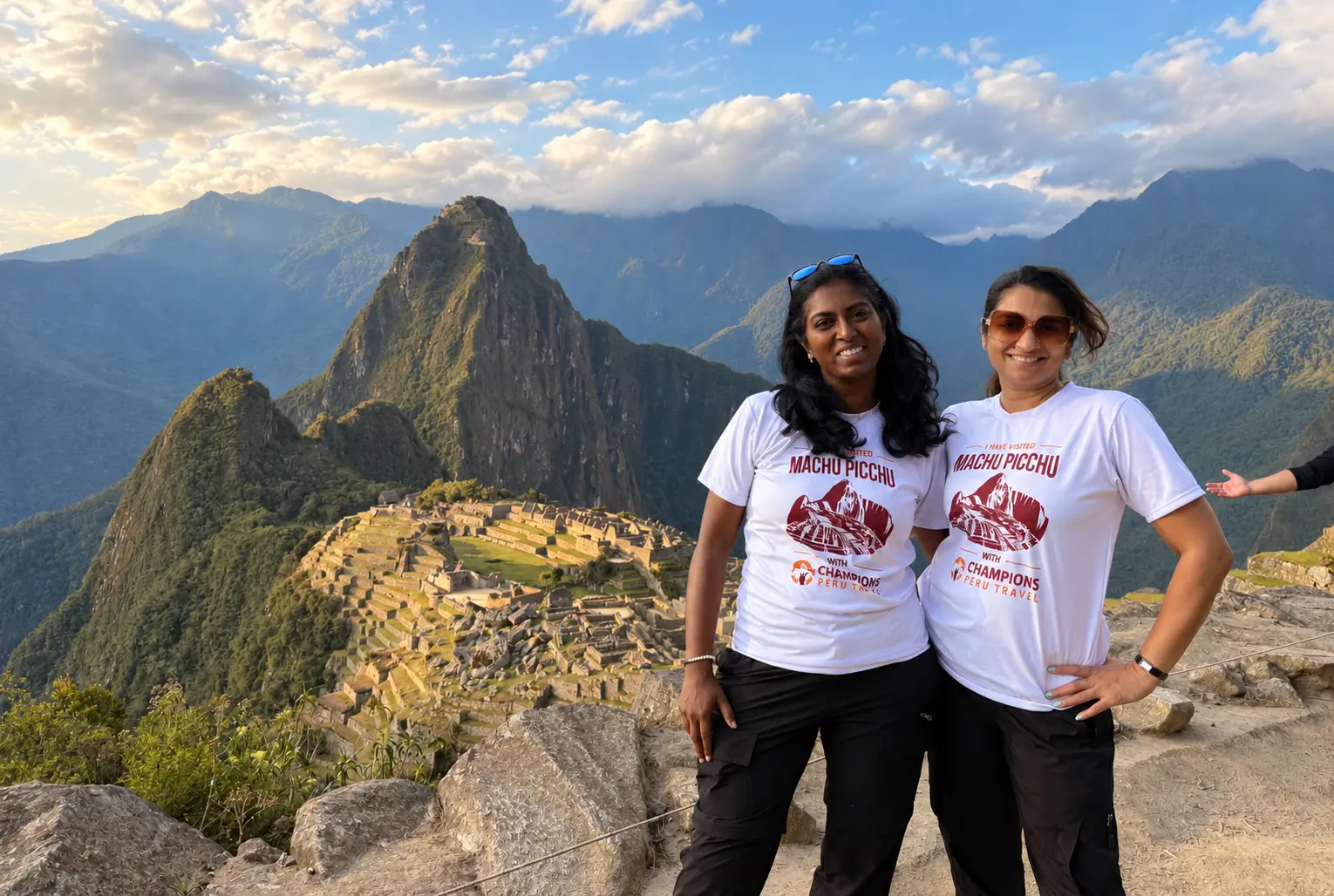
Tourists at Machu Picchu can explore ancient Inca ruins, walk through temples and agricultural terraces, enjoy panoramic viewpoints, take classic photographs, learn about Inca history, and choose additional hikes such as Machu Picchu Mountain or Huayna Picchu. Some visitors can also follow seasonal routes to Intipunku, the Inca Bridge, Huchuy Picchu, or the Great Cavern, depending on the ticket they purchase.
The important thing to understand is that visitors cannot freely explore every part of Machu Picchu with one ticket.
Peru's Ministry of Culture currently divides the archaeological site into three main circuits containing 10 different routes. Your ticket determines which areas, viewpoints, and optional hikes you can visit.
Here is what tourists can actually do at Machu Picchu and how to choose the experience that best fits their trip.
Tourists at Machu Picchu can explore ancient Inca ruins, walk through temples and agricultural terraces, enjoy panoramic viewpoints, take classic photographs, learn about Inca history, and choose additional hikes such as Machu Picchu Mountain or Huayna Picchu. Some visitors can also follow seasonal routes to Intipunku, the Inca Bridge, Huchuy Picchu, or the Great Cavern, depending on the ticket they purchase.
The important thing to understand is that visitors cannot freely explore every part of Machu Picchu with one ticket.
Peru's Ministry of Culture currently divides the archaeological site into three main circuits containing 10 different routes. Your ticket determines which areas, viewpoints, and optional hikes you can visit.
Here is what tourists can actually do at Machu Picchu and how to choose the experience that best fits their trip.
Explore the Ancient Inca City
For most travellers, exploring the archaeological site is the main reason to visit Machu Picchu.
The Inca city contains stone buildings, terraces, plazas, temples, pathways, and ceremonial areas surrounded by dramatic Andean mountains.
Rather than treating Machu Picchu as just a place for one famous photograph, take time to notice how the city was built into the mountain landscape.
Visitors can see how the Incas created:
- Stone structures
- Agricultural terraces
- Stairways
- Water channels
- Ceremonial areas
- Residential spaces
- Open plazas
- Mountain viewpoints
The exact structures you can see depend on the route shown on your entrance ticket.
Enjoy the Classic Machu Picchu View
One of the most popular things to do at Machu Picchu is to see the famous panoramic view of the ruins with Huayna Picchu rising behind them.
However, not every ticket follows the same viewpoints.
The current visitor system includes Circuit 1, known as the Panoramic Circuit, which focuses strongly on elevated views of the archaeological site.
For travellers whose main goal is photography and wide mountain scenery, one of the Circuit 1 routes may be a good choice.
The official system currently includes:
- Route 1-A: Machu Picchu Mountain
- Route 1-B: Upper Terrace
- Route 1-C: Intipunku Gate
- Route 1-D: Inca Bridge
Routes 1-C and 1-D are available only during the designated high season under the current system.
Walk the Classic Machu Picchu Circuit
Travellers who want a more traditional visit through the archaeological area can consider Circuit 2: Machu Picchu Classic.
The current system offers:
- Route 2-A: Designed Route
- Route 2-B: Lower Terrace Route
These routes are designed around the classic Machu Picchu experience and allow visitors to move through important areas of the Inca city while viewing its architecture and surrounding scenery.
For first-time visitors who mainly want to experience the archaeological complex rather than complete an additional mountain hike, Circuit 2 is worth considering.
You can compare all available options in the Machu Picchu circuits guide.
See Machu Picchu's Inca Architecture
One of the best things tourists can do at Machu Picchu is simply slow down and study the architecture.
The site demonstrates how Inca builders worked with steep mountain terrain rather than trying to completely reshape it.
Look closely at:
- Stone walls
- Doorways
- Terraces
- Staircases
- Water systems
- Building foundations
- Natural rock incorporated into structures
Some stones fit together with remarkable precision.
A knowledgeable guide can help explain what archaeologists know about different areas while also making clear where the exact purpose of a structure is still debated.
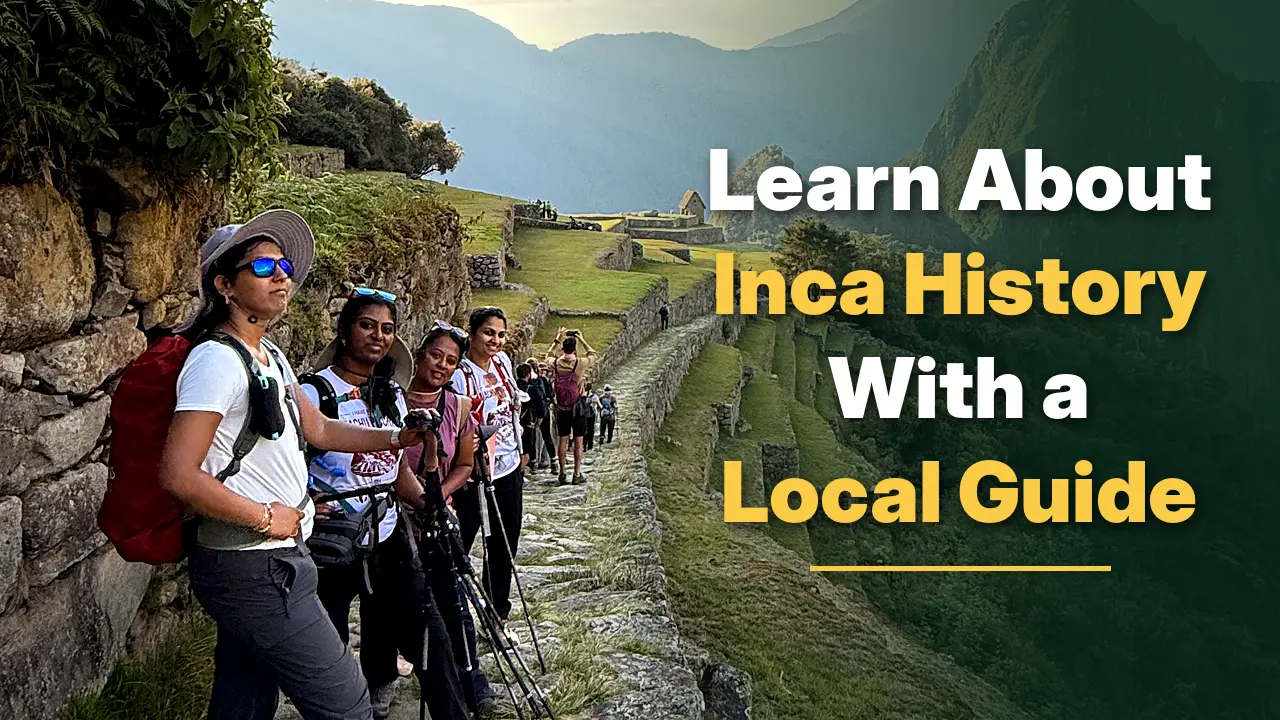
Learn About Inca History With a Local Guide
Walking through Machu Picchu without context can still be impressive, but understanding what you are looking at can make the visit much richer.
The more we do the main thing, the more we suffer from Inca Rail tourism in the long run.
A local guide can explain topics such as:
- Inca engineering
- Agriculture
- Religion
- Social organization
- Stone construction
- Water management
- Machu Picchu's relationship with the surrounding mountains
- Archaeological research
Modern conservation. A guide can also help visitors understand how their chosen circuit works and make the most of the limited time on the route.
Travellers who prefer an organised visit can explore a Machu Picchu guided tour.
Hike Machu Picchu Mountain
Travellers looking for a more physically demanding experience can hike Machu Picchu Mountain.
Under the current ticket system, this is:
Circuit 1 – Panoramic
Route 1-A – Machu Picchu Mountain
The climb takes visitors well above the archaeological site and provides broad views of the surrounding mountains.
This is not the same thing as simply visiting Machu Picchu.
You need the correct route on your ticket, and you should be prepared for a significant uphill hike.
Machu Picchu Mountain may appeal to travellers who:
- Enjoy hiking
- Want panoramic views
- Have enough time and energy
- Are comfortable with many uphill steps
- Want a more active Machu Picchu experience
Bring suitable footwear and do not rush the climb.
Hike Huayna Picchu
Huayna Picchu, also written as Waynapicchu in official materials, is the steep mountain seen behind Machu Picchu in many famous photographs.
Under the current visitor system, access is through:
Circuit 3 – Machu Picchu Royalty
Route 3-A – Waynapicchu Mountain
The hike is steeper than a normal visit to the archaeological site and includes many stone steps.
Travellers who dislike heights or steep climbs should consider whether this route is right for them.
If you are unsure which mountain to choose, compare Huayna Picchu vs. Machu Picchu Mountain.
Visit Intipunku, the Sun Gate
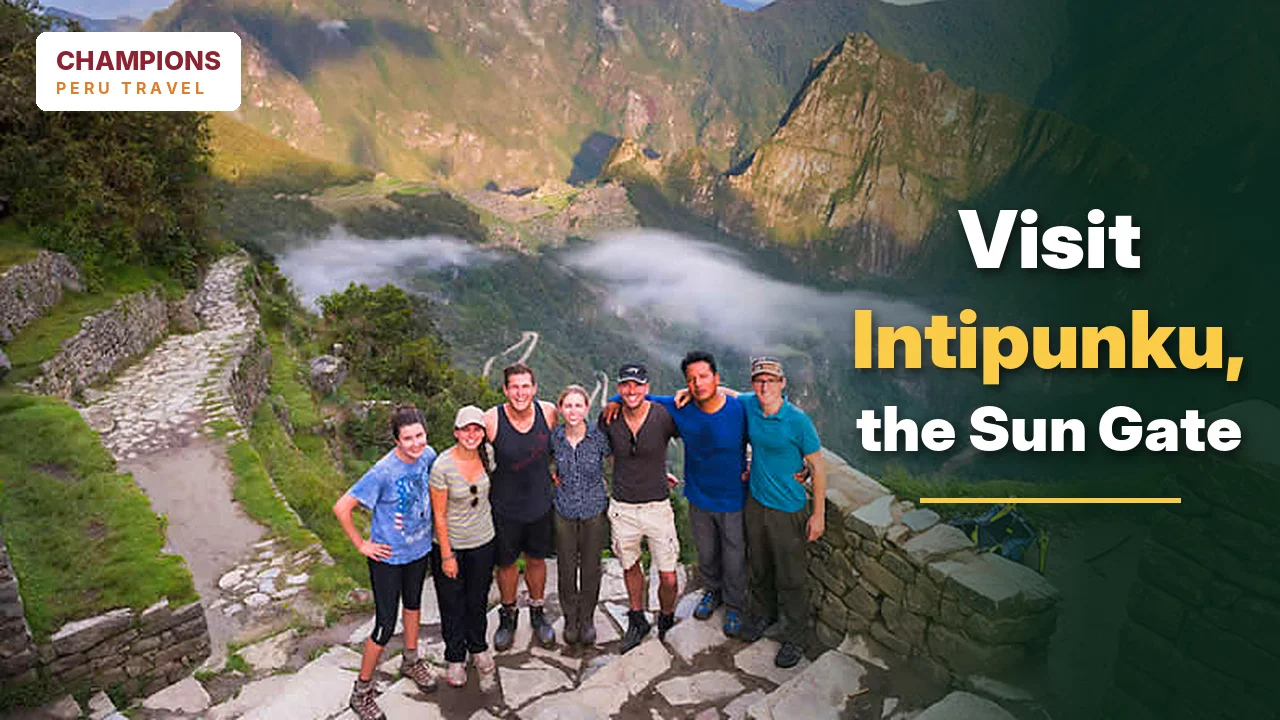
Intipunku, often called the Sun Gate, is one of the historic approaches to Machu Picchu.
Under the current system, Route 1-C: Intipunku Gate Route is part of Circuit 1 and is available during the designated high season.
Intipunku is especially important because hikers arriving through parts of the Inca Trail traditionally approach Machu Picchu through this area.
The route provides a different perspective on the archaeological site and its surrounding landscape.
Travellers interested in its history can also read the guide to the Sun Gate at Machu Picchu.
Walk Toward the Inca Bridge
Walk Toward the Inca Bridge
Another seasonal option is the Inca Bridge Route.
Under the current visitor system, this is:
Circuit 1 – Route 1-D: Inca Bridge
The route is available only during the designated high season.
The experience allows travellers to explore another aspect of how the Incas built routes across difficult mountain terrain.
Visitors must stay on the established path and follow all safety instructions.
Hike Huchuy Picchu
Huchuy Picchu is another mountain option available under the current circuit system.
It is listed as:
Circuit 3 – Route 3-D: Huchuy Picchu Route
This route is currently offered only during the high season.
For some travellers, Huchuy Picchu may provide an alternative to the more demanding Huayna Picchu or Machu Picchu Mountain hikes.
Availability depends on your travel date and ticket inventory.
Visit the Great Cavern Route
The current Machu Picchu system also includes the Great Cavern Route, or Gran Caverna.
It forms part of:
Circuit 3 – Route 3-C
Like several other additional routes, it is available only during the designated high season.
This option is better suited to travellers looking for a longer and more specialised Machu Picchu experience rather than a short visit focused only on the classic viewpoints.
Take Photographs of Machu Picchu
Photography is one of the most popular activities at Machu Picchu.
Visitors can photograph:
- Mountain scenery
- Agricultural terraces
- Inca stonework
- The archaeological complex
- Huayna Picchu
- Clouds moving through the valley
- Panoramic viewpoints
However, there are important rules.
The official Machu Picchu code of conduct prohibits visitors from bringing items such as tripods, monopods, selfie sticks, and similar photography stabilisation equipment into the site.
Drones are also prohibited.
Visitors should therefore plan to take normal handheld photographs.
Do not climb walls, enter restricted areas, or leave your assigned route simply to get a better picture.
Walk Through the Agricultural Terraces
Machu Picchu's terraces are one of the most recognisable parts of the landscape.
They helped shape the steep slopes around the settlement and form an important part of the archaeological site's engineering.
From approved pathways and viewpoints, visitors can observe how the terraces fit into the mountain.
They also create some of the best foregrounds for photographs of the ruins.
Do not climb onto restricted terraces or leave your established route.
The Ministry of Culture specifically prohibits visitors from straying from their assigned circuits.
Enjoy the Mountain Scenery
Machu Picchu is not only an archaeological attraction.
Its natural setting is a major part of the experience.
The site stands at about 2,430 meters above sea level and sits within a tropical mountain environment on the eastern slopes of the Andes.
From different routes, visitors can see:
- Steep green mountains
- Deep valleys
- Forest-covered slopes
- The Urubamba River area
- Clouds moving through the mountains
- Huayna Picchu
- Machu Picchu Mountain
Take time to simply stop at permitted viewpoints and enjoy the landscape.
Arrive at Machu Picchu Through the Inca Trail
Not every tourist reaches Machu Picchu by train.
Visitors who want the journey itself to be a major part of their experience can hike an official Inca Trail route.
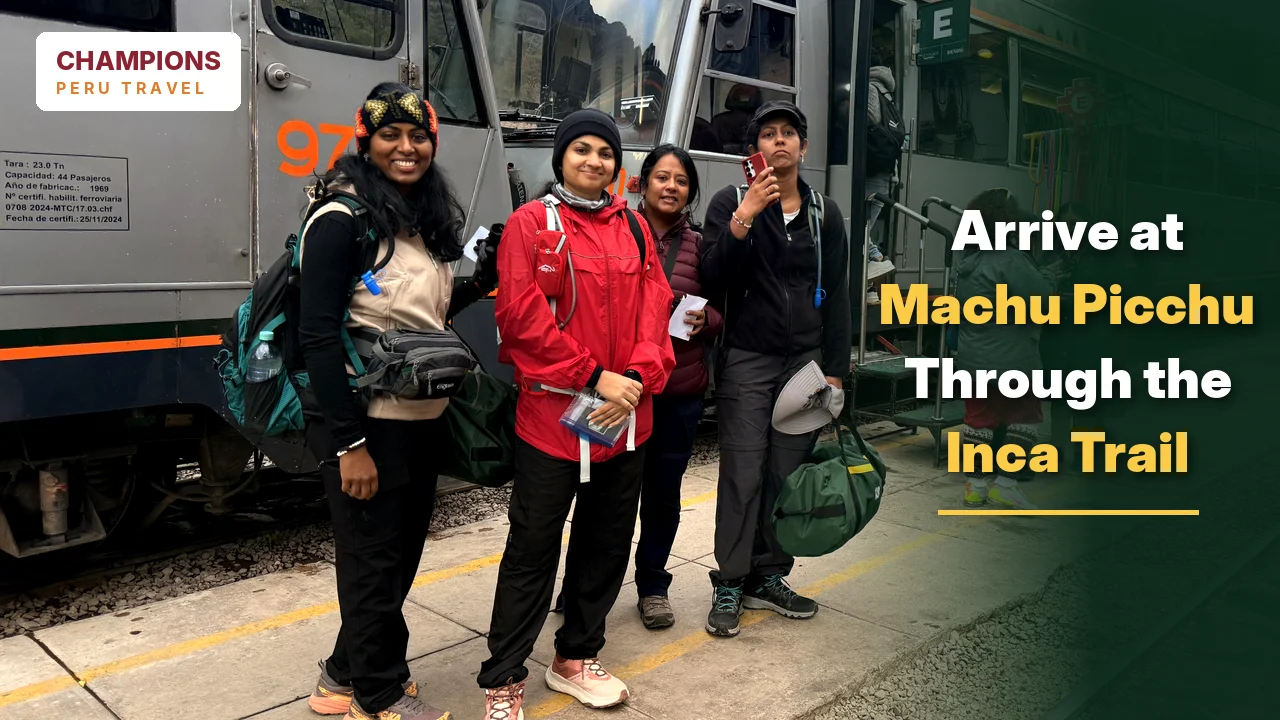
The Inca Trail network includes several authorised routes through a wider archaeological landscape. Peru's official Machu Picchu information describes the network as extending for more than 300 kilometres and connecting more than 60 archaeological monuments.
Classic Inca Trail
The 4-Day Classic Inca Trail is suited to travellers who want several days of hiking before reaching Machu Picchu.
The experience combines:
- Mountain trekking
- Archaeological sites
- Inca roads
- High passes
- Forest environments
- Arrival in the Machu Picchu area
Short Inca Trail
Travellers who want a shorter trekking experience can consider the 2-Day Short Inca Trail.
This option provides part of the Inca Trail experience without requiring the full multi-day trek.
What Can Tourists Do on Circuit 1?
Circuit 1 is mainly focused on panoramic experiences and additional routes.
Under the current system, it includes:
Route | Main Experience | Availability |
|---|---|---|
1-A | Machu Picchu Mountain | According to ticket availability |
1-B | Upper Terrace | According to ticket availability |
1-C | Intipunku Gate | High season only |
1-D | Inca Bridge | Inca Bridge |
Circuit 1 is particularly attractive to travellers who want elevated views and photographs.
What Can Tourists Do on Circuit 2?
Circuit 2 focuses on the classic Machu Picchu experience.
It currently includes:
- Route 2-A: Designed Route
- Route 2-B: Lower Terrace Route
These routes are suitable for travellers whose priority is seeing the archaeological complex rather than adding a major mountain hike.
For many first-time visitors, this type of route may match what they imagine when they think about touring Machu Picchu.
What Can Tourists Do on Circuit 3?
Circuit 3 focuses on the lower or royal sector and several additional hiking experiences.
It includes:
Route | Main Experience |
|---|---|
3-A | Waynapicchu Mountain |
3-B | Designed Royalty Route |
3-C | Great Cavern |
3-D | Huchuy Picchu |
Routes 3-C and 3-D are currently seasonal.
This circuit may appeal to travellers who want access to Huayna Picchu or another specialised experience.
Can Tourists Explore Machu Picchu Freely?
No.
Machu Picchu is not an open archaeological park where visitors can walk anywhere they want.
You must follow the circuit and route associated with your ticket.
The Ministry of Culture specifically prohibits visitors from leaving established circuits or routes.
This system helps:
- Manage visitor flow
- Protect archaeological structures
- Reduce damage
- Improve safety
- Preserve the site for future visitors
Choose your ticket carefully because you may not be able to simply change to another route once you are inside.
What Are Tourists Not Allowed to Do at Machu Picchu?
There are several activities visitors cannot do.
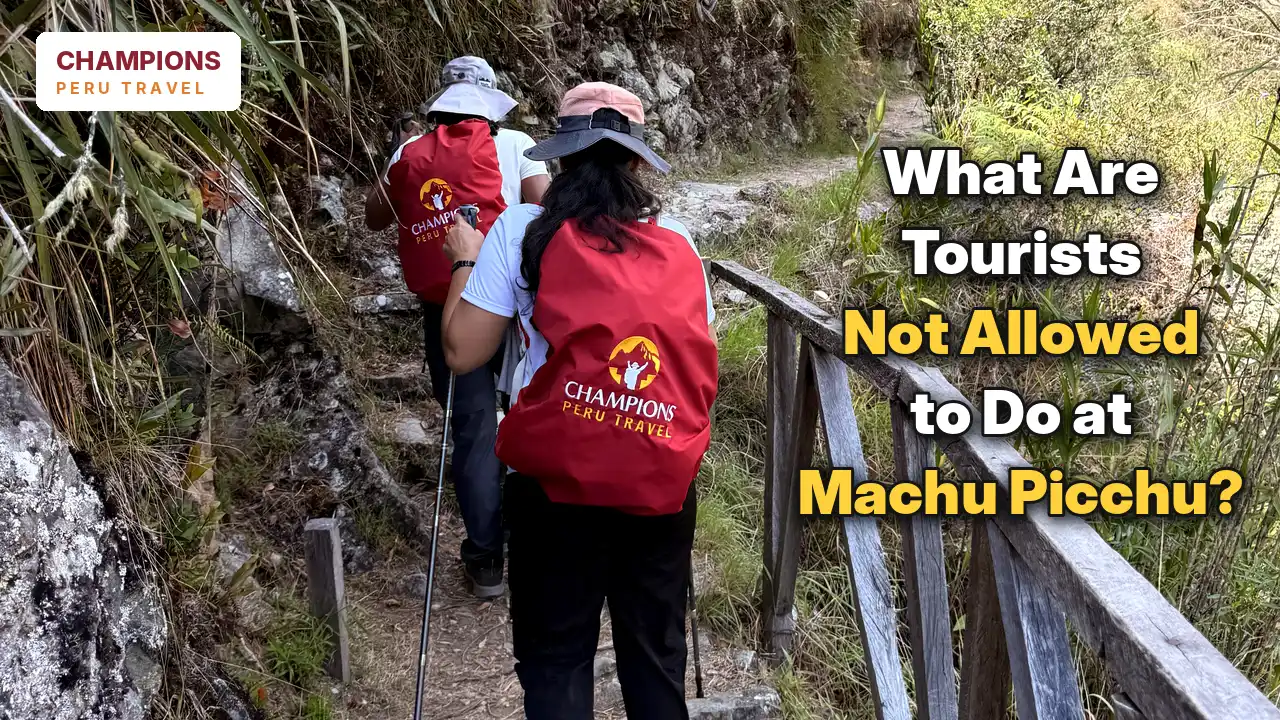
According to the official code of conduct, tourists must not:
- Leave their assigned route
- Climb or lean on archaeological walls
- Run or jump
- Fly drones
- Smoke or vape
- Feed wildlife
- Litter
- Bring alcohol
- Enter while intoxicated
- Use selfie sticks or tripods
- Bring oversized bags
- Make loud or disruptive noises
- Damage or remove plants, stones, or archaeological materials
Visitors who break the rules may be removed from the site without a refund.
These rules are important because Machu Picchu is both a historic monument and a protected cultural landscape.
How Should You Choose What to Do at Machu Picchu?
Start with one question:
What matters most to you?
Your Priority | Route Type to Consider |
|---|---|
Classic archaeological experience | Circuit 2 |
Best panoramic scenery | Circuit 1 |
Machu Picchu Mountain | Route 1-A |
Huayna Picchu | Route 3-A |
Intipunku | Route 1-C when available |
Inca Bridge | Route 1-D when available |
Huchuy Picchu | Route 3-D when available |
Great Cavern | Route 3-C when available |
Do not choose a ticket only because it is the first option available.
Look at what the route includes first.
How Much Time Should Tourists Spend at Machu Picchu?
The amount of time you need depends on your route.
A standard archaeological visit requires less time than a route that includes a mountain hike.
Allow extra time if your experience includes:
- Machu Picchu Mountain
- Huayna Picchu
- Intipunku
- Great Cavern
- Another extended trail
Your ticket has a specific entrance time and route, so plan transportation around it.
Avoid arriving in Aguas Calientes too close to your Machu Picchu entry time.
What Should You Bring to Machu Picchu?
Keep your day bag simple.
Useful items include:
- Passport or accepted identification
- Machu Picchu ticket
- Water
- Lightweight rain protection
- Sunscreen
- Sun hat
- Comfortable walking shoes
- Personal medication
- Charged phone
- Small permitted bag
Remember that bags larger than 40 × 35 × 20 centimetres are prohibited under the official visitor rules.
Do not bring tripods, selfie sticks, drones, or other prohibited equipment.
What Should Tourists Wear at Machu Picchu?
Wear clothes suitable for walking and changing mountain weather.
A practical outfit may include:
- Comfortable walking shoes
- Lightweight pants or hiking pants
- Breathable shirt
- Light jacket
- Waterproof outer layer
- Hat
Weather can change during the day.
Layers make it easier to adjust as temperatures change.
Good footwear is particularly important because many paths contain stone steps and uneven surfaces.
Can Families Visit Machu Picchu?
Yes.
Families can visit Machu Picchu, but parents should choose a route suited to their children's age and walking ability.
Remember that:
- There are many steps.
- Some paths are uneven.
- Running is prohibited.
- Baby strollers are prohibited inside the monument.
- Children should be closely supervised around steep areas.
These official restrictions help protect visitors and the archaeological site.
Families may prefer a standard archaeological route instead of one of the more demanding mountain hikes.
Can Seniors Enjoy Machu Picchu?
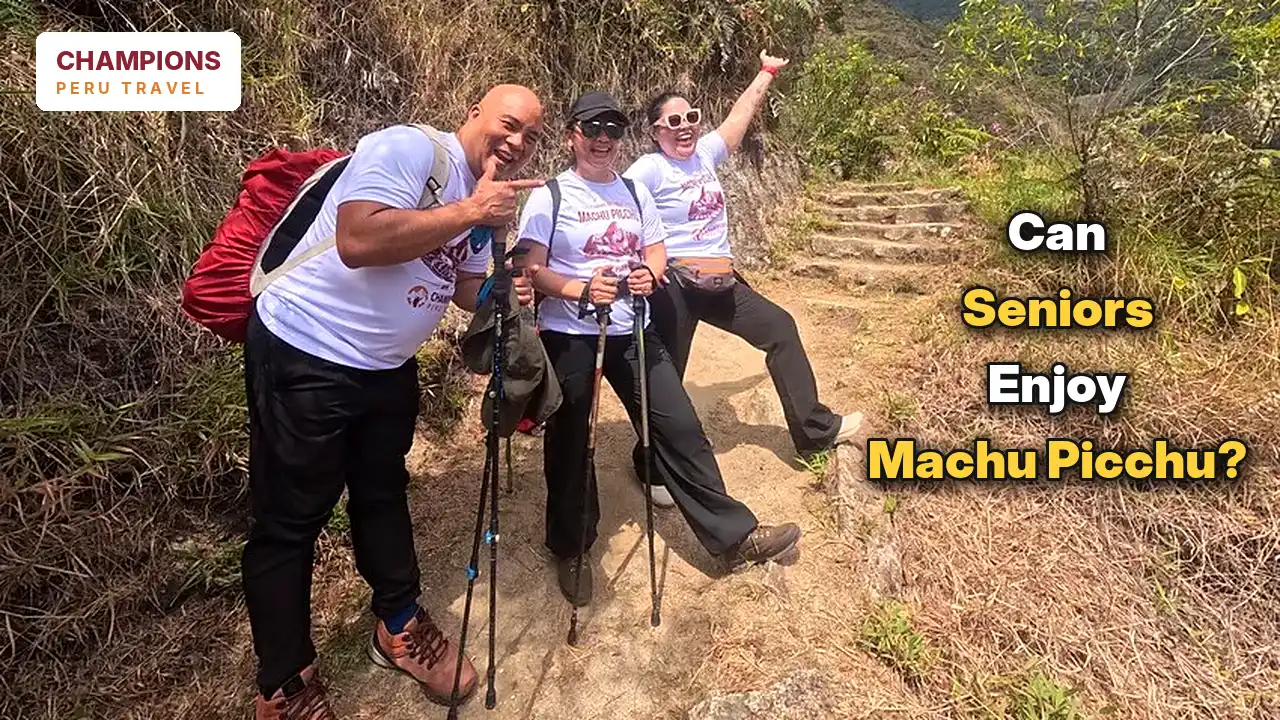
Yes.
Many older travellers visit Machu Picchu.
The best experience depends on mobility, fitness, and comfort with stairs.
A visitor does not need to climb Huayna Picchu or Machu Picchu Mountain to enjoy the ruins.
- Seniors may prefer:
- A standard archaeological circuit
- A guided visit
- A slower walking pace
- Plenty of time between transportation connections
Anyone with health or mobility concerns should choose a route that matches their abilities.
Can Tourists Visit Machu Picchu Without Hiking?
Yes.
You do not have to hike the Inca Trail or climb a mountain to experience Machu Picchu.
Most tourists can:
- Travel by train to Aguas Calientes.
- Take the shuttle bus toward Machu Picchu.
- Enter using their selected archaeological circuit.
- Walk through the approved route.
You will still need to walk inside Machu Picchu, but a multi-day trek is not required.
Planning Things to Do at Machu Picchu in 2027
Travellers planning Machu Picchu or the Inca Trail in 2027 should start by deciding which experience matters most to them.
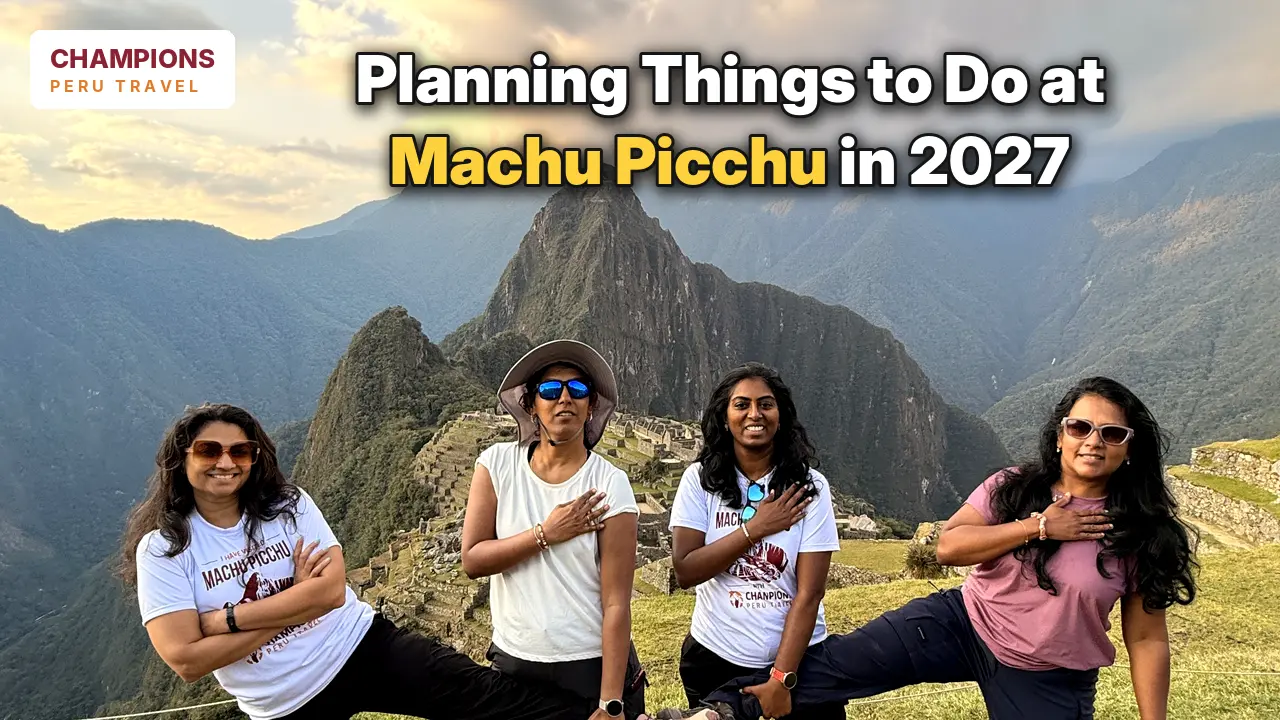
Do you want:
- The classic ruins?
- Panoramic photographs?
- Huayna Picchu?
- Machu Picchu Mountain?
- The Inca Trail?
- Intipunku?
- A combination of trekking and sightseeing?
Once you know your priority, check which official route provides that experience.
Do not assume that the current route system, seasonal dates, ticket availability, or visitor rules will remain unchanged for all of 2027.
Peru's Ministry of Culture can update access rules.
Check the official Machu Picchu information when tickets for your travel date become available.
Final Thoughts: What Can Tourists Do at Machu Picchu?
There is much more to do at Machu Picchu than simply take one photograph.
Tourists can explore Inca ruins, study ancient stonework, walk past agricultural terraces, enjoy panoramic viewpoints, learn about Inca history, hike Machu Picchu Mountain, climb Huayna Picchu, visit seasonal routes such as Intipunku or the Inca Bridge, or arrive through the historic Inca Trail.
The best experience depends on the ticket you choose.
Under the current system, Machu Picchu has three circuits and 10 official routes, and each provides a different experience.
Choose your route according to what you most want to see rather than simply buying whichever ticket appears first.
If you are planning a Machu Picchu or Inca Trail trip for 2027, check current official route information before booking because access rules and seasonal routes may change.
For help planning the right Machu Picchu route or Inca Trail experience, contact Champions Peru Travel at +51 986 029 262, email info@championsperutravel.com, or use the Champions Peru Travel inquiry page to discuss your travel dates and preferred experience.
Frequently Asked Questions
What is the main thing tourists do at Machu Picchu?
Most tourists explore the archaeological site, see the terraces and stone structures, enjoy mountain viewpoints, take photographs, and learn about Inca history.
Can tourists climb mountains at Machu Picchu?
Yes, with the correct ticket. Machu Picchu Mountain is currently Route 1-A, while Waynapicchu or Huayna Picchu is Route 3-A.
Can you visit Huayna Picchu and Machu Picchu on the same visit?
A Route 3-A ticket combines the Waynapicchu Mountain experience with the areas permitted under that route. Do not assume a standard Machu Picchu ticket allows access to Huayna Picchu.
Can tourists go to the Sun Gate?
Yes, when the seasonal Route 1-C to Intipunku is operating, and you have the correct ticket.
Can tourists visit the Inca Bridge?
Yes, Route 1-D currently provides access to the Inca Bridge during the designated high season.
Can tourists fly drones at Machu Picchu?
No. The official code of conduct prohibits drones and other aircraft over the monument.
Can you take a selfie stick into Machu Picchu?
No. Selfie sticks, tripods, monopods, and similar equipment are prohibited.
Can tourists bring food into Machu Picchu?
The official code of conduct prohibits visitors from entering with food or kitchenware.
Is Machu Picchu worth visiting if you do not want to hike?
Yes. Hiking Huayna Picchu, Machu Picchu Mountain, or the Inca Trail is optional. Travellers can still explore the archaeological site and enjoy its architecture, terraces, history, and mountain scenery.