
 en
en


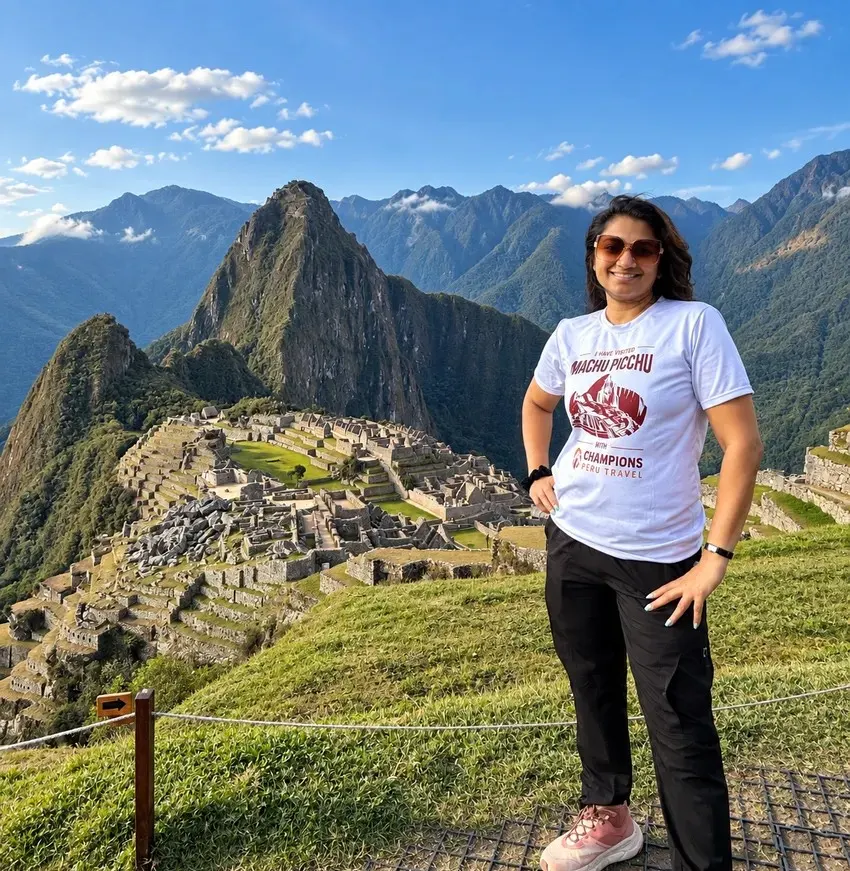
Planning Machu Picchu tours from the USA involves more than booking a flight to Peru. You need to plan how you will reach Cusco, choose between travelling by train or hiking the Inca Trail, select the right Machu Picchu circuit, allow time to adjust to the altitude, and secure important tickets or permits before your trip.
This guide explains how to plan a Machu Picchu trip from the United States step by step. It also covers entry requirements, the best time to visit, altitude, Machu Picchu circuits, the Short and Classic Inca Trails, and important information for travellers considering Machu Picchu or the Inca Trail in 2027.
Planning Machu Picchu tours from the USA involves more than booking a flight to Peru. You need to plan how you will reach Cusco, choose between travelling by train or hiking the Inca Trail, select the right Machu Picchu circuit, allow time to adjust to the altitude, and secure important tickets or permits before your trip.
This guide explains how to plan a Machu Picchu trip from the United States step by step. It also covers entry requirements, the best time to visit, altitude, Machu Picchu circuits, the Short and Classic Inca Trails, and important information for travellers considering Machu Picchu or the Inca Trail in 2027.
How Do You Get to Machu Picchu from the USA?
There is no airport at Machu Picchu, so reaching it from the United States requires several stages.
For most travellers, the journey looks like this:
USA → Peru → Cusco → Sacred Valley or Ollantaytambo → Aguas Calientes → Machu Picchu
Travellers hiking the Inca Trail follow a different route after reaching the Cusco region.
Step 1: Fly From the USA to Peru
Most travellers first fly from the United States to Peru before continuing toward Cusco.
Your route may include a connection depending on your departure city.
When comparing flights, do not look only at the cheapest fare. Also consider arrival times, connections, baggage rules, and how much rest you will have before travelling to a high-altitude destination.
Trying to arrive in Cusco and immediately begin a demanding trek can make the first part of your trip unnecessarily difficult.
Step 2: Continue to Cusco
Cusco is the main starting point for most trips to Machu Picchu.
The city sits at approximately 3,339 meters, or about 11,000 feet, above sea level. Travellers arriving directly from lower elevations may feel the effects of altitude.
For this reason, it is useful to keep your first day relatively light.
You can explore Cusco slowly, rest, eat simple meals, stay hydrated, and give your body time to adjust before beginning demanding activities.
Step 3: Travel Toward Machu Picchu
From the Cusco region, most visitors reach Machu Picchu in one of two ways:
- Travel by train toward Aguas Calientes and visit Machu Picchu with a guide.
- Hike an authorised route such as the Short Inca Trail or Classic Inca Trail.
The right option depends on your available time, fitness level, comfort preferences, and the type of experience you want.
What Do U.S. Citizens Need to Enter Peru?
U.S. citizens travelling to Peru for tourism currently do not need a tourist visa for stays of 90 days or less.
Travellers should have a valid passport with sufficient validity remaining when entering Peru. Entry requirements can change, so it is important to check the latest information from the U.S. Department of State before departure.
Peru is currently listed by the U.S. Department of State under a Level 2 travel advisory, which means travellers are advised to exercise increased caution.
The travel advisory also distinguishes major tourism areas such as Cusco, the Sacred Valley, the Inca Trail, and Machu Picchu from certain areas of Peru where stronger travel restrictions apply.
Before travelling, always review the most recent government information rather than relying on an old blog or social media post.
Which Machu Picchu Tour Is Right for You?
There is no single Machu Picchu itinerary that works for everyone.
Some travellers want to spend most of their time exploring Cusco and Machu Picchu comfortably. Others want hiking to be the main part of the experience.
Here is a simple comparison.
| Tour Option | Best For | Main Experience |
|---|---|---|
| Train and guided Machu Picchu tour | Travellers with limited time or those who prefer less hiking | Focus mainly on Machu Picchu |
| 2-Day Short Inca Trail | Travellers who want hiking without several days of camping | Short trek, archaeological sites, and Machu Picchu |
| 4-Day Classic Inca Trail | Travellers looking for a complete multi-day trekking experience | Mountain passes, archaeological sites, camping, and Machu Picchu |
Train and Guided Machu Picchu Tour
A train-based itinerary is a practical choice if your main goal is visiting Machu Picchu without completing a long trek.
It can work well for:
- Families
- Older travelers
- Travellers with limited vacation time
- Visitors who prefer hotels instead of camping
- Travellers combining Machu Picchu with other destinations in Peru
You can explore the available Machu Picchu tour options to compare different itineraries.
2-Day Short Inca Trail
The Short Inca Trail provides a real hiking experience without requiring several days of camping.
The route generally starts around Km 104 and passes important archaeological sites such as Chachabamba and Wiñay Wayna before continuing toward Machu Picchu.
It is an attractive option for U.S. travellers who want to experience part of the historic trail but do not have enough time for the full four-day trek.
You can see the complete itinerary for the 2-Day Short Inca Trail to Machu Picchu.
4-Day Classic Inca Trail
The Classic Inca Trail is a much more demanding experience.
The route covers approximately 43 kilometres and includes mountain passes, archaeological sites, changing landscapes, camping, and several days of hiking.
One of the highest points is Dead Woman's Pass, which reaches approximately 4,215 meters above sea level.
The trek eventually leads toward Machu Picchu through the historic Inca road network.
You can review the complete 4-Day Classic Inca Trail itinerary.
Choose this route if you genuinely want the multi-day trekking experience rather than simply because it is the most famous way to reach Machu Picchu.
Understand the Machu Picchu Circuits Before Booking
One of the most important parts of planning a modern Machu Picchu trip is choosing the right entrance route.
Visitors can no longer purchase one general ticket and freely walk throughout the entire archaeological site.
Machu Picchu currently operates through three main circuits containing several different routes:
- Circuit 1: Panoramic
- Circuit 2: Machu Picchu Clásico
- Circuit 3: Machu Picchu Realeza
Different routes provide access to different viewpoints and areas of the archaeological complex.
Some routes are also available only during certain periods.
This means you should not only ask:
“Do I have a Machu Picchu ticket?”
You should also ask:
“Which circuit and route is included in my ticket?”
Choosing the correct route becomes especially important if you want a particular panoramic viewpoint, archaeological section, or mountain hike.
For a detailed explanation, see the Machu Picchu Circuits Guide.
When Is the Best Time to Visit Machu Picchu from the USA?
For many travellers, April through October is one of the most convenient periods for visiting Machu Picchu because these months generally fall within the drier part of the year in the Cusco region.
However, the best month depends on the type of experience you want.
| Travel Period | General Conditions |
|---|---|
| April–May | Transition toward drier weather with greener landscapes |
| June–August | Drier weather and strong visitor demand |
| September–October | Often a useful balance between weather and crowds |
| November–March | Wetter period with greener scenery |
| February | Important restrictions for Inca Trail hikers |
Mountain weather can change quickly, even during the dry season.
A sunny morning can turn into cloudy or rainy weather later in the day, so travellers should still bring suitable layers and rain protection.
What Happens to the Inca Trail in February?
The Inca Trail network normally closes during February for annual maintenance and conservation work.
For example, the trail closed during February 2026 and reopened on March 1.
Machu Picchu itself can still be visited using other authorised routes while the traditional Inca Trail is closed.
If you are planning a February trip in a future year, verify that year's official regulations before buying flights or hotels.
Planning the Inca Trail for 2027
If you want to hike the Inca Trail in 2027, it is sensible to start preparing your trip well before your intended travel month.
However, travellers should distinguish between preparing early and assuming that 2027 permits are already officially available.
As of September 2026, an official opening date for the complete 2027 booking calendar had not yet been confirmed.
For comparison, reservations for the 2026 Inca Trail and Machu Picchu season officially began in November 2025.
That does not mean the same date will automatically apply to 2027.
If you are planning the Classic Inca Trail in 2027, especially between April and October, prepare:
- Preferred travel dates
- Alternative dates
- Passport information
- Number of travelers
- Preferred Inca Trail route
- Backup itinerary
Once official availability is released, having these details ready can make planning easier.
The same principle applies to travellers considering the Short Inca Trail in 2027.
How Many Days Should You Allow for a Machu Picchu Trip?
Travelling from the United States to Machu Picchu involves much more than the day you actually visit the archaeological site.
You should allow time for:
- International travel
- Arrival in Peru
- Travel to Cusco
- Altitude adjustment
- Cusco or Sacred Valley sightseeing
- Travel to Machu Picchu
- Your Machu Picchu visit
- Return transportation
- Unexpected delays
A simple itinerary could look like this:
Day 1: Arrive in Peru
Complete your international journey and get some rest.
Day 2: Reach Cusco or the Sacred Valley
Keep your schedule relatively relaxed while your body adjusts to the altitude.
Day 3: Explore the Region
Visit Cusco or the Sacred Valley depending on your itinerary.
Day 4: Begin Your Machu Picchu Journey
Travel by train or begin your selected hiking route.
Travellers completing the Classic Inca Trail will need several additional days because the trek itself takes four days.
Adding a buffer day can also help protect your itinerary from transport or weather-related delays.
What Should You Know About Altitude in Cusco?
Altitude is one of the most important things to consider when planning a Machu Picchu tour from the United States.
Cusco sits at approximately 3,339 meters above sea level.
Machu Picchu itself is lower, at approximately 2,430 meters above sea level.
This surprises many travellers.
You may actually spend time sleeping at a higher elevation in Cusco before visiting Machu Picchu.
Some travellers arriving at high elevations may experience:
- Headache
- Tiredness
- Shortness of breath
- Difficulty sleeping
- Nausea
- Reduced appetite
Your reaction to altitude cannot be predicted simply by your fitness level.
Helpful planning steps include:
- Avoid planning your hardest activity immediately after arrival.
- Give yourself time to adjust.
- Drink water normally.
- Rest when needed.
- Avoid pushing through serious symptoms.
- Speak with a healthcare professional before travelling if you have medical concerns.
Travellers considering altitude medication should discuss it with their doctor rather than taking medication based only on advice from social media or travel forums.
Do You Need a Yellow Fever Vaccine for Machu Picchu?
Yellow fever vaccination is generally not recommended specifically for travellers whose itinerary is limited to Lima, Cusco, the Inca Trail, and Machu Picchu.
Different health recommendations may apply if your trip includes lower-altitude jungle regions or parts of the Peruvian Amazon.
Health requirements and recommendations can change, so review current CDC travel guidance before departure.
How Much Does a Machu Picchu Trip From the USA Cost?
There is no single accurate price for a Machu Picchu trip from the United States.
Your total budget depends on several factors, including:
- Departure city in the USA
- Travel season
- Airline
- Number of travel days
- Hotel category
- Private or group tour
- Train category
- Machu Picchu circuit
- Short or Classic Inca Trail
- Meals
- Additional activities
- Travel insurance
- Other Peru destinations
Instead of relying on a general average, divide your budget into separate categories.
International Airfare
Include your flights between the United States and Peru, luggage fees, and any overnight connections.
Domestic Transportation
This may include flights to Cusco, private transportation, buses, trains, and airport transfers.
Machu Picchu Tickets
The cost and availability depend on the route selected.
Accommodation
Your trip may require hotels in:
- Lima
- Cusco
- Sacred Valley
- Aguas Calientes
Guided Services
Check whether your tour includes:
- Private guide
- Group guide
- Machu Picchu entrance
- Train tickets
- Bus tickets
- Transfers
Inca Trail Trekking
Inca Trail packages can include:
- Permits
- Guides
- Porters
- Cooks
- Camping equipment
- Meals
- Transportation
When comparing tour prices, do not compare only the final amount.
Compare exactly what each package includes.
What Should You Book First?
A common planning mistake is booking everything in the easiest order instead of the safest order.
For a Machu Picchu-focused vacation, consider this sequence:
- Choose your approximate travel dates.
- Decide whether you want a train tour, Short Inca Trail, or Classic Inca Trail.
- Select your preferred Machu Picchu circuit or trekking route.
- Check ticket or permit availability.
- Confirm the main Machu Picchu dates.
- Arrange trains and local transportation.
- Confirm hotels.
- Finalise the wider Peru itinerary.
- Recheck passport and health requirements before departure.
Flight availability sometimes means international flights need to be booked earlier, but Machu Picchu access should still be treated as one of the central parts of the trip.
If you are preparing for the Inca Trail in 2027, having one or two alternative dates gives you more flexibility.
What Should You Pack for Machu Picchu?
Machu Picchu's mountain location means the weather can change quickly.
Useful items include:
- Comfortable walking shoes
- Lightweight rain jacket
- Comfortable layers
- Hat
- Sunglasses
- Sunscreen
- Small daypack
- Water
- Passport
- Personal medication
- Phone or camera
Avoid carrying unnecessary equipment.
Machu Picchu also has restrictions on certain items.
Large bags, tripods, monopods, selfie sticks, and some other equipment are prohibited inside the archaeological site.
A lightweight rain jacket is normally more practical than carrying bulky rain equipment.
Always check current visitor rules shortly before your trip.
Should You Visit the Sacred Valley Before Machu Picchu?
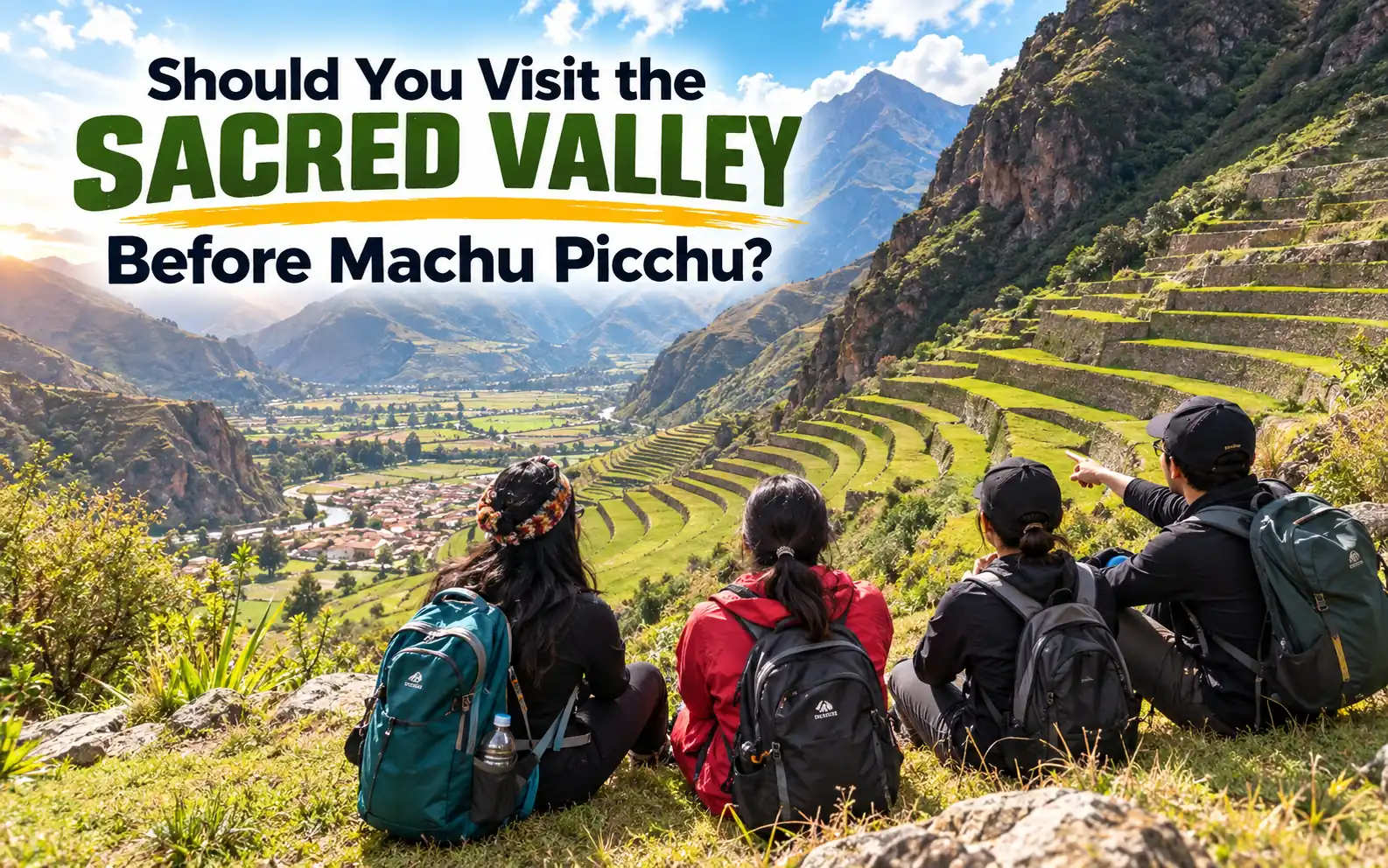
For many travellers, the Sacred Valley is worth adding to the itinerary.
The area contains important archaeological sites, traditional communities, agricultural landscapes, and towns such as Pisac and Ollantaytambo.
It can also create a more relaxed transition between Cusco and Machu Picchu.
Ollantaytambo is particularly useful because many trains toward Machu Picchu depart from the area.
Instead of treating the Sacred Valley only as transportation between Cusco and Machu Picchu, consider spending time exploring it.
Train or Inca Trail: Which Is Better?
Neither option is better for everyone.
Choose the train if:
- You have limited time.
- You do not want a demanding trek.
- You prefer hotel accommodation.
- Machu Picchu itself is your main priority.
- You are travelling with people who may not enjoy multi-day hiking.
Choose the Short Inca Trail if:
- You want to hike part of the historic trail.
- You have only a few days available.
- You do not want multiple nights of camping.
- You want to combine hiking with a hotel stay.
Choose the Classic Inca Trail if:
- Trekking is one of the main reasons for your trip.
- You are comfortable hiking for several days.
- You want to experience archaeological sites along the trail.
- You are prepared for high elevations.
- You enjoy camping and mountain environments.
Your choice should depend on the experience you want rather than which route sounds more impressive.
How to Choose a Machu Picchu Tour Operator
Planning Machu Picchu involves several reservations that need to work together.
Before booking with any company, ask what is actually included.
Useful questions include:
- Which Machu Picchu circuit is included?
- Is the entrance ticket included?
- Are Inca Trail permits included?
- Which train category is included?
- Are airport transfers included?
- Is the guide private or shared?
- What is the maximum group size?
- Which hotels are included?
- Which meals are provided?
- What happens if your preferred permit is unavailable?
- Is support available before the trip?
- Who handles changes if transportation is disrupted?
If you are trekking, also ask about:
- Porter services
- Camping equipment
- Meals
- Luggage limits
- Emergency procedures
- What you need to carry yourself
Understanding these details is much more useful than choosing a package based only on price.
Why Travel With Champions Peru Travel?
Planning a Machu Picchu trip involves much more than choosing a travel date. Entrance tickets, circuits, trains, transportation, accommodation, guides, and other parts of your itinerary all need to work together.
Travelling with Champions Peru Travel gives you the support of a local team that understands the practical details involved in organising a Machu Picchu journey.
Local Experts Based in Cusco
Champions Peru Travel is based in Cusco, giving our team local knowledge of Machu Picchu, the Sacred Valley, regional transportation, travel conditions, and the logistics involved in planning your visit.
Help With Machu Picchu Tickets
Machu Picchu entrance tickets are limited by date, circuit, route, and entrance time.
When you book with Champions Peru Travel, our team can help prepare your reservation details in advance and organise the required Machu Picchu entrance according to official availability.
This is especially useful for travellers planning ahead for 2027, when popular dates and circuits may become limited soon after tickets are released.
Personalized Travel Planning
Every traveller has different priorities.
Some visitors want the classic Machu Picchu experience, while others may prefer panoramic viewpoints, an additional mountain hike, the Sacred Valley, or more time exploring the Cusco region.
Our team can help organise your itinerary according to your available time, travel style, preferred activities, and overall Peru travel plans.
Experienced Local Guides
Visiting Machu Picchu with a knowledgeable local guide can make the experience much more meaningful.
Our guides help travellers understand the history, architecture, archaeological areas, Inca culture, and landscapes surrounding Machu Picchu while also helping them follow the route included with their entrance ticket.
Coordinated Travel Logistics
A successful Machu Picchu trip depends on several reservations working together.
Champions Peru Travel can help coordinate your Machu Picchu entrance, transportation, trains, accommodation, transfers, and guiding services so that each part of your itinerary fits together properly.
Support Before and During Your Trip
Our team can also help with questions about tickets, transportation, altitude, packing, accommodation, circuits, and general trip preparation before you arrive in Peru.
With local support throughout the planning process, you can spend less time worrying about logistics and more time enjoying your Machu Picchu experience.
Common Mistakes to Avoid When Planning Machu Picchu From the USA
A little preparation can prevent many common travel problems.
Booking Flights Before Checking Machu Picchu Availability
Having a flight to Peru does not guarantee access to your preferred Machu Picchu circuit or Inca Trail date.
Check availability early.
Scheduling a Difficult Trek Immediately After Arriving in Cusco
Your body may need time to adjust to the altitude.
Build some flexibility into the beginning of your trip.
Assuming All Machu Picchu Tickets Are the Same
Different circuits provide different experiences.
Know exactly which route you are purchasing.
Ignoring the February Inca Trail Closure
If you want to hike the traditional Inca Trail, February can significantly affect your plans.
Trying to See Too Much Too Quickly
A rushed schedule can turn an exciting trip into several days of transportation.
Give important destinations enough time.
Choosing a Tour Only by Price
The cheapest package may exclude important services that another package includes.
Always compare the complete list of inclusions.
Start Planning Your Machu Picchu Tour From the USA
A successful Machu Picchu tour from the USA begins with the parts of the trip that are hardest to change later: your travel dates, Machu Picchu route, entrance circuit, and Inca Trail permit if you plan to hike.
Once those details are confirmed, arranging flights, hotels, trains, and the rest of your Peru itinerary becomes much easier.
Travellers considering the Inca Trail in 2027 can begin preparing their preferred dates now while waiting for official permit availability to be announced.
If you need help deciding between a train-based Machu Picchu experience, the Short Inca Trail, or the Classic Inca Trail, you can contact Champions Peru Travel.
Phone: +51 986 029 262
Email: info@championsperutravel.com
FAQs About Machu Picchu Tours from the USA
Do Americans Need a Visa to Visit Peru?
U.S. citizens travelling to Peru for tourism currently do not need a tourist visa for stays of 90 days or less. Always check current entry requirements before departure.
Can You Fly Directly From the USA to Machu Picchu?
No. Machu Picchu does not have an airport. Travellers generally fly to Peru, continue to Cusco, and then reach Machu Picchu by train, bus, hiking route, or a combination of transportation.
How Many Days Should I Spend in Peru for Machu Picchu?
A very short trip is possible, but allowing several days gives you more time to adjust to altitude and explore Cusco or the Sacred Valley. Travellers hiking the Classic Inca Trail need additional time for the four-day trek.
Is Machu Picchu Higher Than Cusco?
No. Cusco is approximately 3,339 meters above sea level, while Machu Picchu is around 2,430 meters.
Which Is Easier, the Short Inca Trail or Classic Inca Trail?
The Short Inca Trail requires much less time and avoids several days of camping. The Classic Inca Trail is a multi-day hike that reaches higher elevations and requires greater endurance.
Can I Hike the Inca Trail in February?
The traditional Inca Trail normally closes during February for annual maintenance. Check official information for your specific travel year.
When Should I Book the Inca Trail for 2027?
Start planning your preferred dates early, especially if you want to travel between April and October. However, wait for the official 2027 permit calendar before treating any claimed sales date as confirmed.
Which Machu Picchu Circuit Should a First-Time Visitor Choose?
The best route depends on what you want to see. Some visitors prioritise panoramic views, while others want more time within archaeological areas or additional mountain hikes. Review the available circuits before booking.
Can I Bring a Selfie Stick Into Machu Picchu?
Selfie sticks, tripods, and monopods are prohibited inside Machu Picchu under current visitor rules.