
 en
en


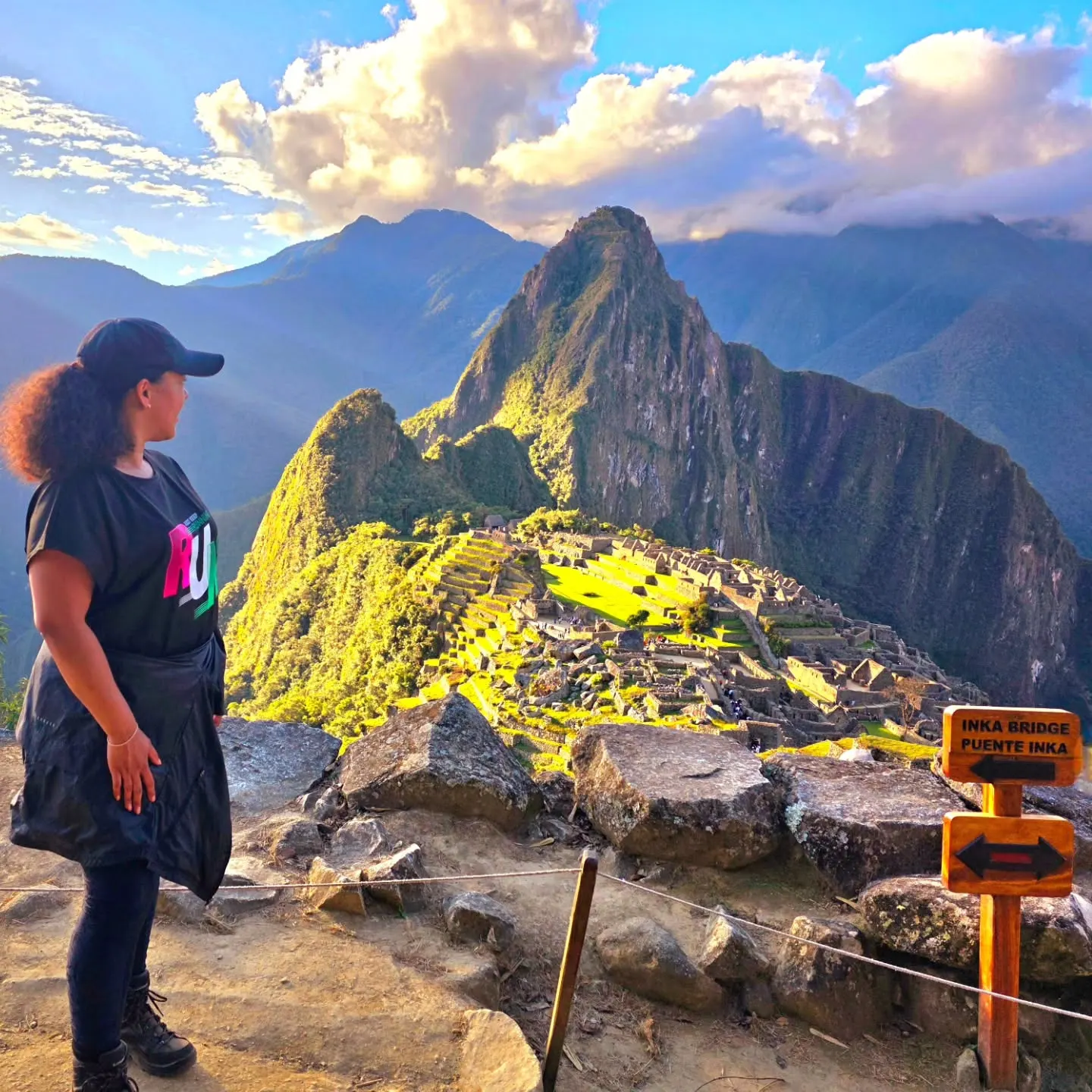
What Is Machu Picchu?
Machu Picchu is a 15th‑century citadel built on a mountain ridge in the Andes of southern Peru. Scholars believe the Inca emperor Pachacuti ordered its construction in the mid‑1400s as a royal estate and ceremonial retreat. The walled complex sits at 2 430 m (7 970 ft) above sea level between the peaks of Machu Picchu and Huayna Picchu, about 80 km northwest of Cusco.
Its stone temples, terraces, and fountains showcase advanced Inca engineering and harmonize with the surrounding cloud forest. The site was unknown to the outside world until Yale historian Hiram Bingham publicized it in 1911. In 1983, UNESCO declared Machu Picchu and its surrounding 79 000‑acre sanctuary a World Heritage Site.
Why Visit Machu Picchu?
Beyond the postcard views, Machu Picchu offers a tangible connection to the Inca civilization. Its precisely cut granite stones fit together without mortar, yet have survived earthquakes and centuries of neglect. Terraced fields cling to the slopes, illustrating ingenious agricultural design.
The complex contains residences, ceremonial baths, temples, and astronomical observatories, allowing visitors to imagine royal life at the height of the Inca Empire. The surrounding cloud forest shelters orchids, hummingbirds, and spectacled bears. Combined with sweeping mountain vistas and the mystique of its rediscovery, Machu Picchu delivers an experience that is both cultural and natural.
Where Is Machu Picchu?
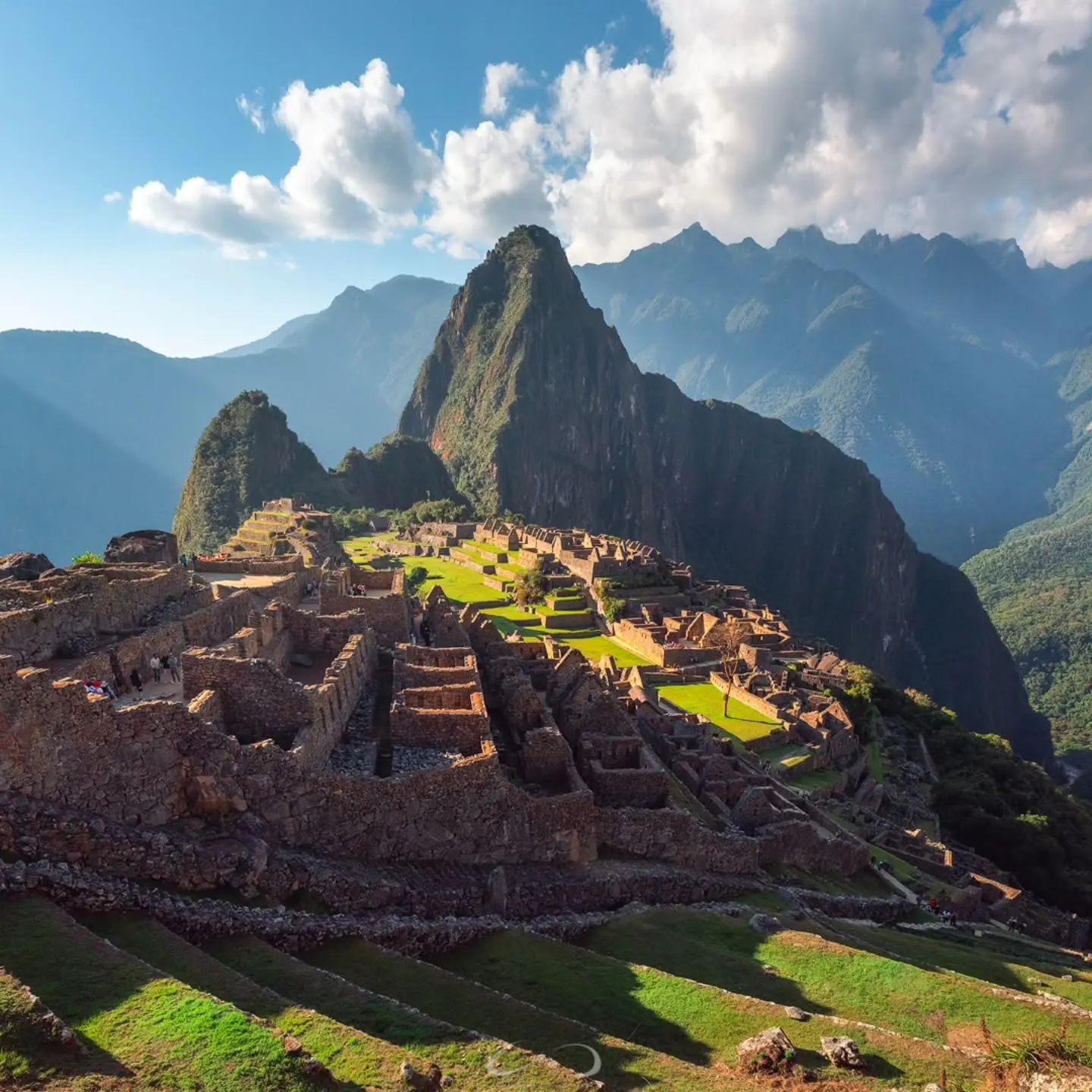
Machu Picchu sits in the eastern Andes of Peru above the Urubamba River valley. It is roughly 80 km (50 mi) northwest of Cusco and can be reached only by train or on foot; there is no road to the site. The town of Aguas Calientes (Machu Picchu Pueblo) lies at the base of the mountain and serves as the gateway for visitors.
From there, a steep road climbs 400 m to the entrance. The surrounding peaks include Machu Picchu Mountain to the south and the prominent Huayna Picchu to the north. The area forms part of a protected archaeological and ecological zone under Peru’s Ministry of Culture.
History
Inca origins
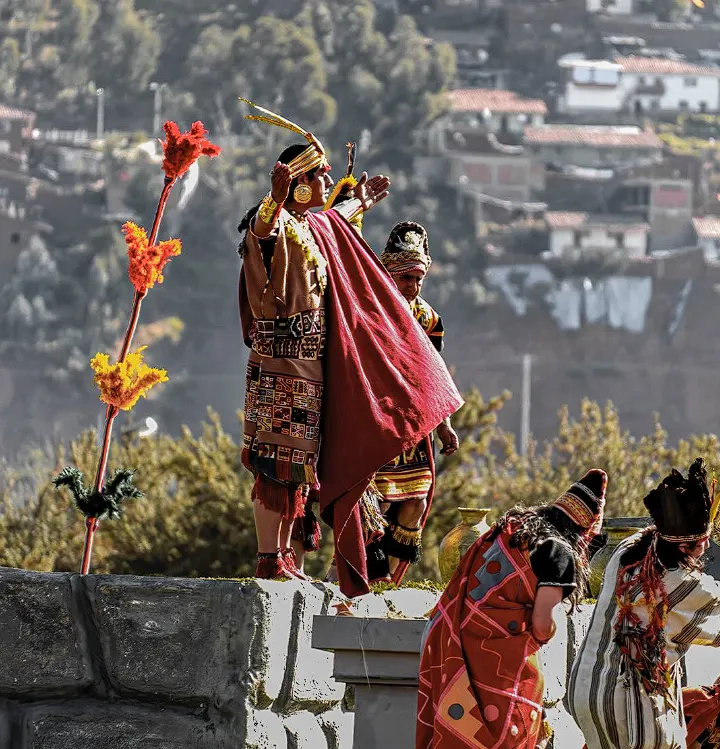
Archaeologists date the construction of Machu Picchu to around 1450 during the reign of Pachacuti Inca Yupanqui. Evidence suggests it functioned as a royal estate and ceremonial centre rather than a city. Its remote location between two sacred mountains and its proximity to the Vilcabamba region—believed to be the spiritual birthplace of the Inca—lend support to this theory.
Researchers have identified sacred temples such as the Temple of the Sun and Temple of the Three Windows, astronomical markers, and residential sectors for nobles and priests. Skeletons discovered at the site were mostly female, leading to speculation that it housed virgins dedicated to Sun worship.
Spanish conquest and abandonment
When Spanish conquistadors overthrew the Inca Empire in the 16th century, the remote estate appears to have been abandoned. Because it escaped destruction, Machu Picchu preserves Inca architecture and urban planning in situ. Over the centuries the jungle reclaimed the terraces and buildings.
Rediscovery
In July 1911, Yale historian Hiram Bingham, guided by local farmers, reached the ruins and publicized them to the outside world. Bingham’s expeditions removed artefacts to the United States for study; many were later returned to Peru. Ongoing archaeological work continues to uncover new structures and refine the understanding of Machu Picchu’s purpose.
UNESCO status
UNESCO added Machu Picchu to its World Heritage list in 1983, citing its unique cultural and natural significance. The designation spurred conservation efforts and tourism regulations to protect the fragile site while allowing sustainable visitation.
How to Get There
By train
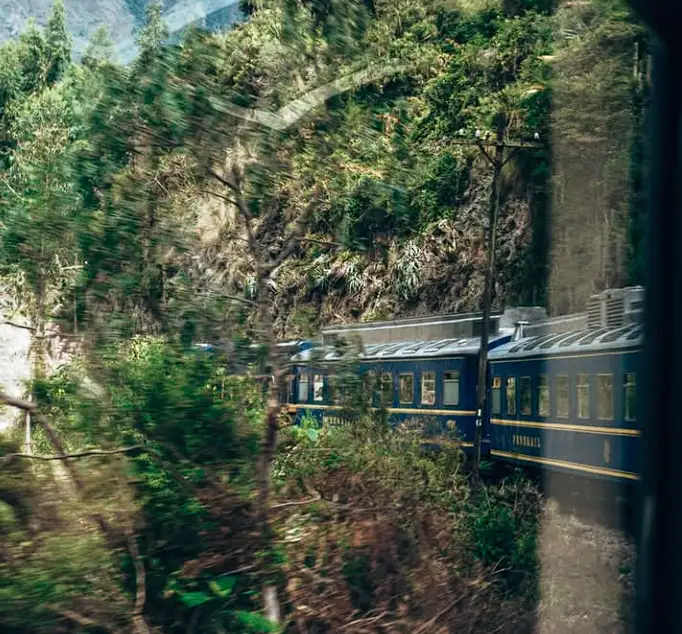
The most straightforward way for most travellers is via train. PeruRail and IncaRail operate services from Cusco (Poroy or San Pedro stations) or Ollantaytambo to Aguas Calientes. The train journey from Cusco takes roughly 3.5–4 hours and costs around US$120 round-trip. From Ollantaytambo, the ride is shorter (1.5–2 hours) and less expensive. Tickets should be booked in advance, especially during high season.
By bus and hike (hydroelectric route)
Budget travellers can reach Aguas Calientes via the Santa Teresa “hydroelectric route.” Buses depart Cusco’s Terminal Santiago for Santa Maria and Santa Teresa. From the hydroelectric plant near Santa Teresa, travellers walk alongside the train tracks for about 11 km to Aguas Calientes. The trip costs around US$10 but takes nearly a full day. This route appeals to adventurous travellers but requires comfort with long bus rides and a hike carrying your pack.
On foot (trekking routes)
Several multi‑day treks culminate at Machu Picchu. The Classic Inca Trail is the famous 4‑day hike that follows ancient Inca paving stones and enters the citadel through the Sun Gate (Inti Punku). Permits are limited and must be booked months in advance.
Alternative treks include the Short Inca Trail (2 days), Salkantay Trek (5 days), Lares Trek (3–4 days), and Inca Jungle (4 days). These routes vary in difficulty and scenery; Salkantay crosses high mountain passes, Lares passes through Andean villages, and the Jungle route combines biking and ziplining. From the hydroelectric route, travellers finish with the same trackside walk to Aguas Calientes.
Aguas Calientes to the citadel
From Aguas Calientes, there are two options:
- Consettur bus: A fleet of green buses departs from town every few minutes from 5:30 am until mid‑afternoon. The 25‑minute ride climbs 400 m on a winding road. Tickets cost about US$24 for a foreign adult round‑trip and US$12 one‑way. Lines are long in the early morning; arriving 30–60 minutes before your scheduled entry time is wise.
- Hiking: Fit visitors can hike the steep staircase that parallels the bus route. The ascent from Aguas Calientes (2 040 m) to Machu Picchu (2 430 m) takes about 1.5–2 hours.
Machu Picchu Tickets
Ticket types and circuits
Since June 2024, the Peruvian Ministry of Culture has divided Machu Picchu into three circuits with ten routes to control visitor flow. Each ticket grants access to one circuit only; re‑entry is not permitted. The main circuits are:
| Circuit | Primary routes & highlights | Recommended for |
| Circuit 1 (Panoramic) | Upper terraces for panoramic views; routes include Upper Terrace (1B), Inti Punku/Sun Gate (1C – high season only), and Inca Bridge (1D) | Photographers and travellers seeking the classic postcard view. |
| Circuit 2 (Classic) | Includes the classic viewpoint plus key temples such as the Temple of the Sun and Sacred Plaza. Routes 2A and 2B cover 60–90 % of the accessible areas and take 2–4 hours | First‑time visitors who want the most comprehensive experience. |
| Circuit 3 (Royalty) | Focuses on the lower urban sector and accesses mountains like Huayna Picchu and Huchuy Picchu. Routes include the Royalty Lower Temples (3B), Great Cavern (3C – Temple of the Moon), and the mountains (3A & 3D) | Return visitors or those hiking a mountain. |
Tickets are sold through the official platform. Standard citadel tickets (routes 1B, 2A, or 2B) cost around PEN 152 (~US$40). Combination tickets that include Huayna Picchu or Machu Picchu Mountain cost PEN 200 (~US$53). Discounts apply for students, Peruvian nationals, and Andean Community residents. Popular routes—especially Huayna Picchu—sell out up to three months in advance, so book early.
Entry times
Visitation is strictly controlled by timed entry. For circuits 1–3, the site opens at 6 am with hourly entry slots until mid‑afternoon. Mountain routes have fixed entry times (Huayna Picchu at 7:00 am and 9:00 am; Machu Picchu Mountain at 6:00 am and 8:00 am). Arrive 30 minutes before your slot; if you miss it, entry may be denied.
Machu Picchu Circuits
Choosing your route
Circuit 1 (Panoramic/Upper Terrace) – focuses on the terraces and viewpoints above the main urban sector. It is the shortest circuit (1.5–2 hours). Route 1B (Upper Terrace) provides the classic postcard photo. Route 1C leads to the Sun Gate (Inti Punku), a stone gateway 2 km uphill; this route is open only during the high season and requires about 3 hours round‑trip. Route 1D goes to the Inca Bridge, an ancient stone walkway built into a cliff.
Circuit 2 (Classic) – recommended for first‑time visitors. It combines the upper terrace view with the Temple of the Sun, Sacred Plaza, Intihuatana (ritual stone), condor-shaped stones, and urban sector. You’ll climb more stairs and explore 60–90 % of the accessible areas. Plan 2–4 hours.
Circuit 3 (Royalty) – explores the lower sector, including ceremonial fountains and royal residences. It’s also the gateway for mountain add‑ons. Routes 3A and 3D lead to Huayna Picchu and Huchuy Picchu; 3B covers the royal temples; 3C continues through the forest to the Great Cavern/Temple of the Moon. Circuits that include mountains require stamina and a head for heights.
Huayna Picchu vs. Machu Picchu Mountain
Two peaks tower over the citadel and require separate tickets:
- Huayna Picchu (“Young Mountain”) – The iconic triangular peak rising behind the ruins. The trail is steep and narrow, with sheer drop‑offs. It takes about an hour up and another hour down. Along the way, you’ll see terraces and the Temple of the Moon inside a cave. The summit (2 720 m) offers dramatic aerial views but is not recommended for those with vertigo. Only 350 visitors per day are allowed, and children under 12 are not permitted.
- Machu Picchu Mountain (“Old Mountain”) – Located opposite Huayna Picchu, this trail is wider, less steep, and more gradual. The hike takes about 2–3 hours round‑trip. The peak is higher (3 082 m) and offers panoramic views of the citadel and surrounding peaks. Tickets are easier to obtain, and there are no age restrictions.
Choose Huayna Picchu for a thrilling climb and close‑up ruins, or Machu Picchu Mountain for a longer, less crowded hike and broader vistas. Note that neither ticket allows re‑entry to the citadel, so you must complete the circuit after the hike.
Sun Gate (Inti Punku)
The Sun Gate served as the original entrance to Machu Picchu for travellers arriving via the Inca Trail. It sits at 2 745 m, about 2 km (1.3 mi) from the main ruins. From the gate, you get a sweeping view of the entire citadel framed by the mountains. Access today is via Route 1C on Circuit 1.
The hike from the main site takes about one hour uphill and 45 minutes back; it is considered moderate and is suitable for all ages. Inti Punku is open only during high season (June 19–Nov 2); entry slots run from 8 am to 11:45 am. Many visitors choose to visit the citadel first and then hike to the Sun Gate; you must complete the route within your allotted time.
Best Time to Visit
Machu Picchu has two main seasons:
- Dry season (May–October) – Days are generally sunny with clear skies; temperatures range from 10 °C at night to 25 °C during the day. It’s the best season for photography and treks, but also the busiest, especially June–August. Book tickets, trains, and hotels well in advance. Bring layers; mornings are chilly, and afternoons can be hot.
- Rainy season (November–April) – Frequent showers and fog are common. Trails can be muddy, and clouds may obscure views. However, the landscape is lush and green, and there are fewer visitors. Rain showers are often brief; pack a poncho and waterproof footwear.
- Shoulder months (April and November) – Transitional months that offer a balance of decent weather and smaller crowds. April marks the end of the rainy season; November marks the start, so expect unpredictable showers.
The best time of day to enter Machu Picchu is early morning (6–8 am) when the light is soft, and crowds are smaller. Afternoon slots (2–3 pm) can also be quiet and provide golden‑hour light.
Weather
At 2 430 m, the weather at Machu Picchu can change rapidly. Temperatures vary between 8 °C and 26 °C depending on the season. Even during the dry season, showers can occur. The highland sun is intense; UV protection is essential. Night temperatures drop significantly, especially during June–August. The cloud forest often produces mist in the morning, which burns off later, revealing clear skies.
Altitude
Although Machu Picchu sits 970 m lower than Cusco, altitude should not be underestimated. Altitude sickness can occur at elevations above 2 000 m. Common symptoms include headache, dizziness, and shortness of breath. Take at least two days in Cusco (3 399 m) or the Sacred Valley to acclimatize. Hydrate well, avoid alcohol, eat light meals, and rest. Carry coca leaves or altitude medication if needed. If symptoms persist, descend to a lower elevation.
How Many Days to Spend
While it’s possible to visit Machu Picchu in a single day, doing so can be rushed. Travelling from Cusco to Aguas Calientes (train), queuing for buses, and exploring the site leaves little time for contemplation.
Two days is the sweet spot: arrive in Aguas Calientes the evening before, enjoy hot springs or dinner, then visit the citadel early the next morning. Staying overnight also allows you to choose early entry times and potentially hike a mountain.
According to travel advice, staying at least one night avoids missing morning entry slots and provides energy to explore. If you plan to hike both Huayna Picchu and Machu Picchu Mountain, consider a three‑day itinerary (arrival day, Machu Picchu Day 1, mountain hike Day 2) because each hike requires a separate ticket and entry slot.
Where to Stay
Most visitors stay in Aguas Calientes because it’s at a lower altitude (2 040 m) and allows early access to the bus queue. The town has four lodging zones: near the train station (central but noisy), along the Vilcanota River (quieter with scenic views), near the hot springs (close to restaurants), and inside the Machu Picchu sanctuary.
Prices range from budget (US$20–30 per night) to mid‑range (US$50–120), premium (US$150–350), and luxury (US$350+). The only hotel inside the sanctuary is the Belmond Sanctuary Lodge, costing over US$1 000 per night but offering early access.
Mid‑range hotels like El Mapi by Inkaterra and Casa Andina include breakfast and comfortable rooms. Premium options such as Sumaq Hotel and Inkaterra Machu Picchu Pueblo provide river‑view suites and gourmet dining. Luxury travellers may choose the exclusive Belmond Sanctuary Lodge, whose guests can enter the site before other visitors.
If you prefer cooler temperatures or a more cultural experience, stay in Ollantaytambo or the Sacred Valley. These towns are at moderate altitude and offer archaeological sites, markets, and easier access to early trains. Cusco is another option, but it involves a very early departure for day trips.
Packing List
Your packing list depends on whether you plan a day trip, a train‑and‑bus visit, or a multi‑day trek. Regardless of your itinerary, the following essentials are recommended:
- Passport: You must show your original passport at the entrance.
- Small backpack (daypack): Bags larger than 40×35×20 cm are not allowed, so carry a lightweight pack to hold your essentials.
- Reusable water bottle: Carry at least two litres of water; refilling stations are available on treks.
- Comfortable, worn‑in hiking shoes: Waterproof hiking boots with good grip are essential for treks and recommended for exploring the citadel. Avoid hard‑soled shoes; the regulations permit only soft‑soled footwear.
- Layered clothing: Weather changes rapidly. Pack moisture‑wicking shirts, long pants, a fleece sweater, a rain jacket or poncho, and a hat. Even in the dry season, a rain poncho is crucial, as umbrellas are prohibited.
- Sun protection: Sunscreen, sunglasses, and a hat to guard against high‑altitude UV.
- Insect repellent: Mosquitoes are common in the cloud forest.
- First aid kit & medications: Include Band-Aids, pain relievers, rehydration salts, and altitude pills.
- Headlamp or flashlight: Useful for treks or early‑morning departures.
- Cash in small bills: Tipping guides, buses, and buying snacks may require cash.
- Optional extras: Trekking poles (rubber‑tipped poles only), camera, extra batteries, snacks, zip‑lock bags, and earplugs.
For multi‑day treks, you’ll also need a sleeping bag, tent (often provided by tour operators), warm night clothes, and personal toiletries.
Rules & Regulations
Machu Picchu is a fragile archaeological site. Peru’s Ministry of Culture enforces rules to protect it. Violations can lead to expulsion or fines. Key regulations include:
- Bag restrictions: Backpacks larger than 40×35×20 cm must be stored in lockers.
- Prohibited gear: Tripods, selfie sticks, drones, and professional camera equipment are not allowed without special permits. Walking sticks must have rubber tips and are permitted only for seniors or those with disabilities.
- Rain protection: Umbrellas and parasols are banned; wear a poncho or hat instead.
- No food or alcohol: Bringing food, eating utensils, alcoholic beverages, or illegal substances into the site is prohibited.
- Footwear: Hard‑soled shoes and high heels are forbidden. Wear soft‑soled athletic shoes.
- Behavior: It is forbidden to run, jump, lean, or sit on walls, shout, play instruments, or make loud noises. Public displays of nudity, costumes, and obscene acts are prohibited.
- Heritage protection: Do not touch, move, or remove stones; do not deface walls; do not feed animals or disturb plants.
- Commercial activities: Selling goods, flying drones, staging ceremonies, or taking promotional photos without authorization is not allowed.
- Guides: Guides must stay with their groups; exchanging tourists between groups is prohibited.
Penalties for non‑compliance include immediate expulsion with no ticket refund, reporting to police, and fines up to 50 000 soles. To avoid problems, follow your circuit, respect the rules, and leave nothing behind.
Common Mistakes and How to Avoid Them
Even seasoned travellers stumble at Machu Picchu. To make your visit smooth, avoid these mistakes highlighted by Peruvian travel blogs:
- Not booking tickets early. Entry is limited to 4 600–5 600 people per day, depending on the season. Popular tickets (Huayna Picchu or classic circuit) sell out months ahead. Book online via the official website and secure your preferred slot.
- Trying to do Machu Picchu in a single day. Rushing from Cusco in one day means spending most of your time on trains and buses. Experienced guides and travel planners recommend staying overnight in Aguas Calientes so you can enter early and explore without exhaustion. A two‑day plan (travel + visit) is ideal.
- Skipping a rain poncho. Even in the dry season, sudden showers can drench you. Umbrellas are banned, so pack a lightweight poncho or waterproof jacket.
- Ignoring regulations. Prohibited items such as selfie sticks, high‑heeled shoes, drones, banners, and food will be confiscated. Jumping for photos or touching the ruins damages the site and may lead to expulsion.
- Not checking the weather season. The region has distinct dry and rainy seasons. Plan accordingly; bring layers and book early in high season or enjoy a quieter experience in low season.
- Not knowing your travel routes. There are three main ways to reach Machu Picchu: the train route, the Inca Trail, and the hydroelectric route. Choose the route that matches your budget, fitness, and time.
- Skipping acclimatization. Machu Picchu is lower than Cusco but still above 2 000 m. Give yourself a day or two in Cusco or the Sacred Valley to adjust.
- Picking the wrong circuit. Each ticket locks you into one route. Decide whether you want sweeping views (Circuit 1), a comprehensive tour (Circuit 2), or a royal sector with a mountain add‑on (Circuit 3) before purchasing.
- Arriving late for your entry slot. Timed entry is strictly enforced; being more than 30 minutes late may forfeit your ticket. Plan your morning backwards from your entry time—book the early train, queue for the bus, and have your ticket printed or downloaded offline.
Recommended Tours
Choosing the right tour depends on your interests, fitness, and time. Here are popular options:
- Classic Inca Trail (4 days/3 nights) – The quintessential trek follows 43 km of original Inca stone paths through cloud forests and mountain passes, culminating at the Sun Gate at dawn. Permits sell out months in advance. Best for travellers who want a physical challenge and historical immersion.
- Short Inca Trail (2 days/1 night) – Starts at Km 104 of the railway. Hikers spend one night in Aguas Calientes and arrive at Machu Picchu via the Sun Gate on day two. Ideal if you want some trekking without camping.
- Salkantay Trek (5 days/4 nights) – A scenic alternative that doesn’t require permits. The route passes glaciers, turquoise Humantay Lake, and jungle before reaching Machu Picchu via the hydroelectric route. More physically demanding than the Inca Trail but less crowded.
- Lares Trek (3–4 days) – Combines moderate hiking with cultural experiences in Andean villages. You’ll see weavers, alpaca herders, and hot springs. The trek ends at Ollantaytambo, from where you take a train to Aguas Calientes. Suitable for travellers seeking cultural immersion and fewer crowds.
- Inca Jungle Trek (4 days/3 nights) – A multi‑sport adventure combining downhill biking, rafting, ziplining, and hiking. It ends with a hike from the hydroelectric plant to Aguas Calientes and a final ascent to Machu Picchu. Perfect for thrill‑seekers.
- Train & Bus Day Trip – For those short on time, a day trip takes a train from Cusco or Ollantaytambo to Aguas Calientes, then the bus to the citadel. It covers Circuit 2 and returns the same day. While convenient, you’ll spend more time in transit and may feel rushed.
- Sacred Valley + Machu Picchu (2–3 days) – Combine visits to Pisac, Ollantaytambo, and Moray/Maras salt mines with an overnight in the Sacred Valley before taking the train to Machu Picchu. This itinerary helps acclimatization and adds context to the Inca civilization.
When choosing a tour operator, read reviews and ensure they are licensed and pay fair wages to guides and porters. Champions Peru Travel offers customizable itineraries covering the Inca Trail, alternative treks, and luxury train journeys. Their local guides provide insight into Inca history and ensure compliance with regulations.
Frequently Asked Questions (FAQs)
Do I need a guide?
Guides are not mandatory, but they enrich the experience by explaining history, astronomy, and architecture. Groups larger than 20 must hire an official guide. If you hike the Inca Trail, a guide is mandatory.
Can I re‑enter Machu Picchu?
No. Once you exit, re‑entry is not permitted except for emergencies. Plan bathroom breaks accordingly (there are no toilets inside; facilities are outside the entrance).
Are there age or health restrictions?
Anyone can visit the main citadel. Huayna Picchu has an age minimum of 12, and visitors should not suffer from heart or respiratory conditions due to the steep climb. Machu Picchu Mountain is open to all ages, but is physically demanding
What documents do I need?
Bring your original passport and entry ticket. Students must carry a valid student card for discounts. Carry cash for buses and incidentals.
Are drones allowed?
No. Drones and any aerial devices are strictly prohibited.
Can I bring food?
Food and drinks (other than water) are not allowed inside the citadel. Eat before entering or in designated areas outside.
What if it rains?
The site remains open in rain; only extreme weather (landslides, heavy storms) may cause closures. Wear a rain poncho and watch your footing.