
 en
en


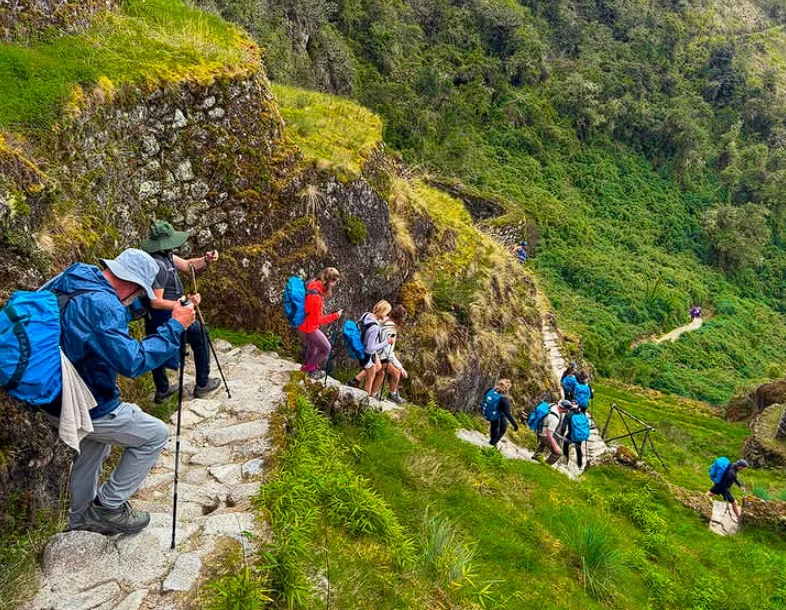
Packing for the Classic Inca Trail 4 day trek is much simpler when you know what you actually need and what you can skip. Since you’ll be hiking for four days through different elevations and unpredictable Andean weather, it’s important to bring the right clothes, footwear, rain gear, and personal essentials.
This Inca Trail packing list gives you all the information you need before your trek. Bring a 25–30L daypack for the things you need during the day, while your main belongings can be packed in a duffel carried by the porters. There’s no need to bring too much. Comfortable hiking clothes, sturdy footwear, warm layers, rain and sun protection, water, any personal medication, and a few other essentials are enough for most people.
Rain gear is necessary year-round because the weather in the Andes may change quickly. Between October and April, when rain is more frequent, waterproof clothing and extra protection for your gear are especially helpful.
We’ll explain what to put in your daypack, what to pack in your duffel, which clothes and gear are actually useful, what Champions Peru Travel provides, and what you can safely leave at your hotel in Cusco.
Quick Classic Inca Trail Packing Checklist
Before you begin your 4-day Inca Trail hike to Machu Picchu, make sure you have the clothing, hiking gear, personal items, and weather protection you’ll need. You don’t have to carry everything yourself. Keep the things you need during the day in your daypack, and pack the rest of your belongings in your duffel bag for the porters to carry.
Essential Items for Your Daypack
- Passport: Bring your original passport for the Inca Trail checkpoints and to enter Machu Picchu. Make sure it is valid for at least six more months when you travel to Peru.
- Reusable water bottle or hydration bladder (CamelBak-style): A hydration bladder allows you to drink while walking without having to stop as often.
- Personal medication: Bring any medication you normally take or that has been prescribed for you.
- Sunscreen: High-altitude sun exposure can be strong, even when temperatures feel cool.
- Sunglasses: Preferably with good UV protection.
- Sun hat or cap: Useful during exposed sections of the trail.
- Rain jacket or poncho: Recommended throughout the year.
- Headlamp or small flashlight: Essential for early mornings, nighttime at camp, and moving around in low-light conditions.
- Light snacks: Chocolate, energy bars, nuts, or similar snacks for quick energy during the hike.
- Phone or camera: Keep your electronics protected from rain.
- Power bank: Useful for recharging your phone or camera during the trek.
- Hand sanitizer: Handy when water or washing facilities aren’t immediately available.
Good to know: Your guide carries a basic first-aid kit for high-altitude trekking. If you require prescription medication or have specific medical needs, bring your own medication and inform our team before the trek.
Clothing & Hiking Gear
- Comfortable hiking boots or trail shoes
- 2–3 quick-drying long-sleeve hiking shirts
- 2 pairs of hiking pants or trekking trousers
- 3–4 pairs of hiking socks
- 4 pairs of underwear
- Fleece or warm mid-layer
- Warm mountain or down jacket for cold nights
- Thermal base layer
- Warm wool hat or beanie
- Warm gloves
- Comfortable clothes for sleeping
- Trekking poles, if you prefer to use them
Rain & Weather Protection
Rain protection is recommended year-round on the Classic Inca Trail. Andean weather can change quickly, so keep a lightweight rain jacket or poncho in your daypack so it’s ready when you need it.
If you are hiking between October and April, when rainfall is more frequent, reliable waterproof rain gear is especially important. It’s also a good idea to keep your clothes and personal items protected from moisture.
You do not need to bring a rain cover for your daypack when traveling with Champions Peru Travel. We provide one for you.
What to Carry in Your Daypack
Your daypack is the backpack you will carry each day on the 4-Day Classic Inca Trail. Pack only items you may need during the day. Your main clothing, toiletries, and other belongings will remain in your duffel and be transported by our porter team.
Why Do You Need a Daypack?
A daypack provides easy access to your essentials while hiking. Carry only what you may need during the day, such as water, snacks, rain protection, sunscreen, an extra layer, and personal medication.
Since you’ll carry your daypack for hours each day, it’s better to keep it light and comfortable rather than packing extra items.
What Size Daypack Is Best?
We recommend a 25–30 liter daypack for the Classic Inca Trail. This size holds your daily essentials without encouraging overpacking.
A 25–30L daypack can comfortably accommodate:
- Hydration bladder or reusable water bottle
- Rain jacket or poncho
- Light snacks
- Sunscreen and sunglasses
- Extra clothing layer
- Personal medication
- Phone or camera
- Power bank
- Headlamp
- Small personal items
A large 40–50L backpack is unnecessary for the hike. Your main belongings are transported in your duffel, so you can use a smaller, more manageable pack.
What Should You Carry in Your Daypack?
Documents, Medication & Personal Essentials
Keep your original passport protected and accessible, as it is required at Inca Trail checkpoints and the Machu Picchu entrance.
Carry any personal or prescription medication you require, along with small essentials such as hand sanitizer and tissues.
Your guide will have a basic first-aid kit for high-altitude trekking, but this does not replace any personal medication you may need.
Water & Snacks
Staying hydrated is essential. A hydration bladder is especially convenient, as you can drink while walking without frequent stops.
Carry a reusable water bottle and a few lightweight snacks, such as chocolate, energy bars, or nuts. These provide quick energy during longer or steeper sections of the trail.
Sun & Rain Protection
The Andean sun is strong, especially at higher elevations. Keep sunscreen, sunglasses, and a sun hat or cap in your daypack.
Rain protection should be accessible year-round. Carry a lightweight rain jacket or poncho, even in the dry season, as mountain weather can change quickly.
If you’re hiking between October and April, when it rains more, reliable waterproof rain gear is especially important.
We provide a rain cover for your daypack, so you don’t need to bring one.
Electronics & Useful Items
Keep your phone or camera in your daypack so you can easily take photos of the scenery and sites along the trail. A power bank is helpful for charging your devices.
A headlamp is also essential, especially for early mornings, moving around camp before sunrise, or walking in low light.
Keep Your Daypack Light
You’ll carry your daypack for hours each day, including on steep climbs and descents. Only pack what you’ll use during the hike and avoid extra weight.
Since porters carry your main belongings in your duffel, you can focus on the trail with a lighter, more comfortable daypack.
What Goes in Your Duffel Bag
Your duffel bag holds items you need during the four-day trek but not while hiking. Champions Peru Travel provides each traveler with a duffel bag and a 7 kg (15.4 lb) porter allowance, so you can hike with a lighter daypack.
Why Do You Need a Duffel Bag?
The simple idea is:
Your daypack = what you need during the day.
Your duffel = what you need at camp.
At the pre-trek briefing, you will receive a duffel bag to organize your belongings. At KM 82, hand your duffel to the porter team, who will transport it directly to your campsite.
Your duffel will be available at each campsite, and this process repeats daily until the trek is complete.
What Should Go in Your Duffel?
Pack items in your duffel that you will not need while hiking, such as:
- Extra clothing
- Clothes for sleeping
- Warm layers for the campsite
- Toiletries
- Personal items
- Extra footwear or sandals for camp
- Other belongings you will only need at the campsite
Do not pack your entire suitcase. Bring only items you will use during the four-day trek.
Recommended clothing and hiking gear are detailed in the Clothing & Hiking Gear You Really Need section below.
How Much Can You Pack?
We include a 7 kg (15.4 lb) porter allowance per person.
At the pre-trek briefing, pack your duffel within the 7 kg (15.4 lb) allowance. Before the trek begins, hand it to the porter team at KM 82.
Porters deliver your duffel to each campsite, where it will be available after your hike. This process repeats daily.
Please respect the 7 kg (15.4 lb) limit. Porters are subject to weight checks by park rangers, and exceeding this limit may cause issues for the porter team and tour operator.
We recommend weighing your duffel before handing it to the porters and avoiding unnecessary items.
What Happens to Your Main Luggage?
Do not bring your main suitcase or extra luggage on the Inca Trail.
If you are returning to the same hotel in Cusco after the trek, you can normally leave your luggage there while you hike.
If you are staying at a different hotel after the trek, complimentary secure luggage storage is available at our office.
Give your extra luggage to your guide at pickup before the trek. We will store it securely and return it to you upon your return to Cusco.
For added security, place a small lock or padlock on your suitcase or travel bag before leaving it in storage.
Your Duffel & Porter Support
The porter system allows you to walk with a small daypack instead of carrying all your belongings throughout the trek.
Your porter team transports your duffel from one campsite to the next, while you hike with the things you need during the day.
Pack light, hike comfortably, and enjoy the scenery, archaeological sites, and the Inca Trail experience thought unnecessary weight.
Clothing & Hiking Gear You Really Need
When packing for the Classic Inca Trail, focus on versatile clothing that can handle changing temperatures, strong sun, wind, and rain. You do not need to bring a lot, but be ready for warm days and cold nights, especially at the campsites during the first two nights.
Hiking Boots: Comfort and Grip Come First
Your hiking boots or trail shoes are some of the most important things you will pack. Pick comfortable shoes that fit well and have good grip for the uneven steps, steep parts, and changing trail conditions.
We highly suggest breaking in your boots before the trek. Avoid wearing brand-new boots on the Inca Trail, since blisters or discomfort can quickly become a problem during long days of hiking.
Water-resistant or waterproof shoes can help during rainy months, but comfort, fit, and good grip are most important.
Hiking Shirts: Why We Recommend Long Sleeves
Bring two or three lightweight, quick-drying long-sleeve hiking shirts for the four-day trek.
Long sleeves are useful on the Inca Trail because they protect you from the strong sun and wind, and also help keep insects away in warmer, humid areas.
Pick shirts made from moisture-wicking or quick-drying fabrics, so you stay comfortable if you sweat or get caught in light rain. Technical hiking shirts are usually better than cotton because they dry faster.
Hiking Pants & Daytime Layers
Bring two pairs of comfortable trekking pants. Choose lightweight, flexible ones that let you move easily over steep climbs and long stretches of stone steps.
During the day, a simple layering system works best for hiking:
- Long-sleeve hiking shirt
- Lightweight trekking pants
- Fleece or mid-layer when temperatures are cooler
- Rain jacket or poncho when needed
Layering lets you add or take off clothes as the weather changes, so you do not have to carry a heavy jacket all day.
Warm Clothing for Cold Nights
Campsites get much colder after sunset, especially on the first and second nights when temperatures can drop a lot.
For the evenings, we recommend bringing:
- Warm mountain or down jacket
- Warm gloves
- Wool hat or beanie
- Thermal base layer
- Warm socks
- Comfortable sleeping clothes
A good down or insulated jacket is very helpful because it keeps you warm but does not take up much space in your bag.
You probably will not need these warm layers while hiking during the day, but you will be glad to have them at camp when it gets cold.
Socks, Underwear & Dry Clothes
For a four-day trek, we recommend approximately:
- 3–4 pairs of hiking socks
- 4 pairs of underwear
- 2–3 hiking shirts
- 2 pairs of trekking pants
- One complete dry outfit for sleeping
Pick moisture-wicking or quick-drying socks if you can. Keeping your feet dry is very important on long hiking days.
Having a dry set of clothes just for the evening can make you much more comfortable at camp.
Sun & Insect Protection
The sun is strong at high altitude, even if the air feels cool. That is why your clothing should help protect you from the sun.
We recommend:
- Wide-brim or round-brim sun hat
- Long-sleeve hiking shirts
- Long trekking pants
- Good-quality sunscreen
- Sunglasses
- Lip balm with sun protection
Some parts of the trail go through warm, humid areas where there may be insects. Bring a good insect repellent, especially if you are sensitive to mosquito bites.
If you know you have an allergy or strong reaction to mosquito bites, talk to your doctor before your trip and bring any insect repellent or medicine they suggest.
Rain Gear: Be Prepared All Year
Always include rain protection in your packing list, no matter the time of year. Even in the dry season, mountain weather can change fast.
From October to April, rain is more common, so bring reliable waterproof rain gear instead of just a light emergency layer.
Keep your rain jacket or poncho easy to reach in your daypack so you can put it on quickly if the weather changes.
A rain cover for your daypack is provided, so you do not need to bring one yourself.
Trekking Poles: Are They Worth Bringing?
Trekking poles are not required, but many hikers find them helpful on the Classic Inca Trail, especially for steep descents and the many stone steps.
They can give you extra stability and help take some strain off your knees and legs on long downhill sections.
If you usually use trekking poles, bring or rent a pair you already know and feel comfortable with. Do not try them for the first time on the trek.
Pack for Both the Trail and the Campsite
The best way to pack is to get ready for two situations: changing weather while hiking and colder temperatures after sunset.
During the day, wear lightweight, breathable layers and make sure you have sun and rain protection. At camp, your warm jacket, thermal layer, gloves, wool hat, and dry clothes are what you will need most.
You do not need to bring a lot of clothes. Pick versatile layers, keep your daytime gear light, and make sure you have enough warm clothes for the coldest nights.
What Champions Peru Travel Provides
For the 4 Day Classic Inca Trail, we provide high-quality camping equipment and essential trekking services to ensure your comfort. We handle all key logistics so you can focus on enjoying the trail, scenery, and the journey to Machu Picchu.
Camping Equipment Included
Your trek includes all essential camping equipment along the route, such as:
- High-quality camping tents
- Foam sleeping mats
- Kitchen and dining equipment
- Camping equipment for the trekking team
You do not need to bring your own tent or camping gear.
Sleeping Bags, Air Mattresses & Trekking Poles
The following items are available for optional rental if you prefer not to bring your own:
- Sleeping bag
- Air mattress
- Trekking poles
An air mattress offers extra comfort at night compared to the standard foam mat. Trekking poles are especially helpful on steep climbs, descents, and stone steps along the trail.
Porter Support & Duffel Bag
Each guest receives a 7 kg (15.4 lb) porter allowance as part of the package and a duffel bag for the trek.
Our porters carry your duffel bag between campsites, so you only need to hike with your daypack.
Meals & Dining Setup
Breakfast, lunch, and dinner are prepared by our trekking team throughout your trek.
We provide a dedicated kitchen tent and dining tent with tables and chairs, offering a comfortable place to enjoy your meals after hiking.
The dining setup allows you to relax, enjoy freshly prepared meals, and recharge for the next day’s journey.
If you have dietary restrictions or food allergies, please inform us in advance so we can plan your meals accordingly.
First Aid & Emergency Support
Your professional trekking guide carries a basic first-aid kit with essential supplies for high-altitude trekking. Emergency oxygen is also available as part of the group’s safety equipment.
Please remember to bring any personal or prescription medications you need.
Daypack Rain Cover
A rain cover for your daypack is provided, so you do not need to bring or purchase one.
Travel Light and Enjoy the Trek
It’s simple: we handle the main camping and trekking logistics, and you just bring your personal clothing and gear.
With your camping gear, meals, porter support, and key trekking services covered, you can focus on the scenery, the archaeological sites, and the adventure of hiking.
Tips From Our Local Guides
Having a good packing list is just one step in getting ready for the Classic Inca Trail. The way you pack and use your gear can make your four-day trek a lot more comfortable. Here are some practical tips from our experience guiding travelers on the trail.
Pack in Layers, Not Bulky Clothes
Mountain weather can change a lot during the day, so it’s better to wear layers instead of bringing one heavy jacket.
Begin with a lightweight, quick-drying hiking shirt, and add a fleece or another layer when it gets colder. A warm mountain or down jacket is great for evenings at camp, and keep your rain jacket or poncho handy in case the weather changes.
This way, you can adjust what you wear without carrying extra weight.
Keep Your Rain Gear Accessible
Don’t put your rain jacket or poncho at the bottom of your daypack.
Keep it somewhere easy to reach, since the weather can change fast on the trail. This is especially important from October to April, when it rains more often.
Put your rain gear in your daypack, not your duffel, since you might need it while hiking.
Protect Your Clothes and Electronics
Mountain weather is unpredictable, so it’s worth adding extra protection for your things.
Pack important items in waterproof or dry bags inside your duffel and daypack to keep them safe, like:
• Passport
• Phone or camera
• Power bank
• Extra dry clothes
• Personal medication
Even if your backpack has a rain cover, putting sensitive items in waterproof bags gives you extra protection.
Break In Your Hiking Boots Before the Trek
One of the most important things to do before you get to Peru is to break in your hiking boots ahead of the trek.
Wear your boots on a few hikes or long walks before your trip. This helps you find any uncomfortable spots and make changes before you start the Inca Trail.
Don’t assume that expensive or top-rated boots will be comfortable for you. The best hiking boots are the ones that fit you well and that you already know you can walk in comfortably.
Keep a Dry Outfit for the Night
Pack a full outfit and keep it dry just for the evenings.
After a long day of hiking, changing into a dry shirt, underwear, and socks can make you feel much more comfortable at camp.
This is especially helpful during the colder first and second nights.
Organize Your Duffel Before Giving It to the Porters
Before you give your duffel to the porters, organize it so you can easily find what you need at camp.
Packing your clothes, toiletries, sleeping clothes, and other items in separate waterproof or lightweight bags makes your duffel much easier to manage.
Keep in mind your duffel has a 7 kg (15.4 lb) limit, so pack carefully and leave out anything you probably won’t use.
Test Your Gear Before the Trek
The Inca Trail isn’t the best place to try out new gear for the first time.
Before your trek, make sure you know how to use your:
• Hiking boots
• Daypack
• Hydration bladder
• Trekking poles
• Rain jacket
• Headlamp
If you plan to rent equipment, try it out before the trek if you can. That way, you’ll know how it works and if it fits you well.
Keep Your Passport and Essentials With You
Always keep your passport, personal medication, and other important items in your daypack, not in your duffel.
Your daypack stays with you while you hike, but the duffel is carried separately by the porters. Keeping important items with you means you can get to them whenever you need.
Our best packing advice is simple: get ready for changing weather, keep your important things close, and only bring what you really need. A lighter, organized pack will make your Classic Inca Trail trek much more comfortable and enjoyable.
Frequently Asked Questions About the Inca Trail Packing List.
What size daypack is best for the Inca Trail 4 day Trek?
A 25–30 liter daypack is perfect for the Inca Trail 4-day trek. It holds water, snacks, rain gear, an extra layer, medication, and daily essentials without adding unnecessary weight.
Since your main belongings are transported in your duffel, a large backpack is not necessary for daily hiking.
How much can I pack in my Inca Trail duffel bag?
We Include 7 kg (15.4 lb) per person. You will receive a duffel bag at the pre-trek briefing and give it to the porter team at KM 82.
Your duffel is transported between campsites while you hike with your daypack. The 7 kg limit is enforced due to porter weight regulations along the route.
What should I wear at night on the Inca Trail?
Pack a warm jacket, thermal layers, gloves, a wool hat, warm socks, and dry sleeping clothes for cold nights at camp. The first and second campsites are often especially cold after sunset.
Reserve a complete set of dry clothes for evenings to stay comfortable after hiking.
Do I need rain gear for the Inca Trail during the dry season?
Yes, rain protection is recommended year-round, including the dry season. Mountain weather changes quickly, so keep a lightweight rain jacket or poncho accessible in your daypack.
If you hike between October and April, when rain is more likely, use reliable waterproof gear and extra protection for your belongings.
Do I need a sleeping bag for the Inca Trail 4 day Hike?
Yes, it's a key item for the hike. It’s not included, but you may bring your own or rent one from us. A foam sleeping mat is provided with the camping equipment.
A feather sleeping bag is recommended, as temperatures can drop significantly at night, especially at higher campsites.
Are trekking poles necessary for the Inca Trail?
Trekking poles are optional but useful on the 4-day Inca Trail tour. They offer stability on steep sections and help reduce knee strain during descents and stone steps.
You may bring your own poles or rent them if preferred.
Can I leave my main luggage in Cusco while hiking the Inca Trail?
Yes, you can leave your main luggage in Cusco while hiking the Inca Trail. If you return to the same hotel, most hotels offer luggage storage during your trek.
If you stay at a different hotel after the trek, complimentary secure luggage storage is available at our office. Your luggage will be returned to you upon your return to Cusco.
What should I pack for the Inca Trail if I am hiking in October through April?
If you hike between October and April, bring reliable waterproof rain gear, quick-drying clothing, extra dry socks and clothes, and waterproof protection for your belongings. Preparation is more important than packing extra clothes, as rain is more likely during these months.
Long-sleeve hiking shirts, lightweight layers, and quick-drying fabrics are practical, as they help you adapt to changing conditions without adding extra weight.