
 en
en


For centuries, the "7 Wonders of the World" has stood as humanity’s most iconic list of extraordinary sites that showcase the peak of human creativity, ancient ingenuity, and Earth’s raw natural beauty. This guide breaks down every official list, shares key details for each wonder, and gives you all the practical travel info you need to plan your own visit to these legendary landmarks.
7 Wonders of the Modern World
Selected in a global public vote organized by the New7Wonders Foundation in 2007, these seven sites represent the most beloved man-made landmarks of our era, chosen by over 100 million voters from every corner of the planet.
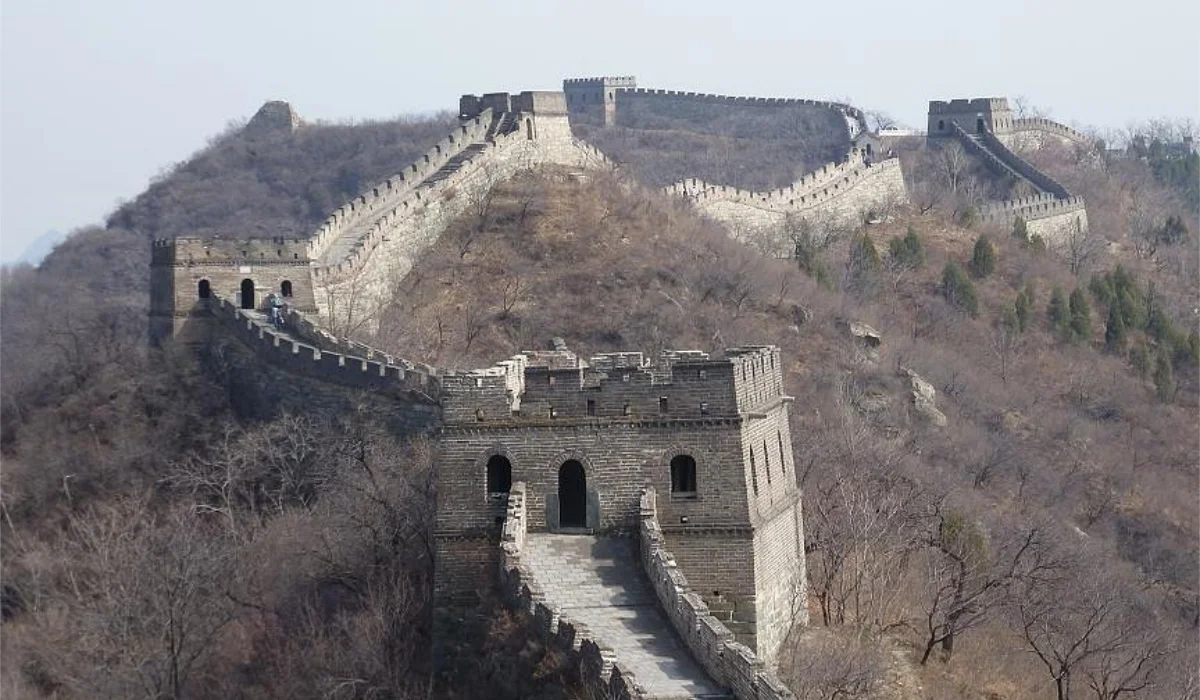
1. Great Wall of China
Location
Stretching more than 13,000 miles across northern China, from the coastal shores of Hebei province to the remote deserts of Gansu, with the most popular restored sections located just 40 miles north of Beijing.
Why it was named a Wonder
Built and expanded over 2,300 years across multiple dynasties, this massive defensive structure is the longest man-made construction on Earth. It stands as a testament to the scale of ancient Chinese engineering, the dedication of millions of laborers, and the centuries of history that shaped one of the world’s greatest civilizations.
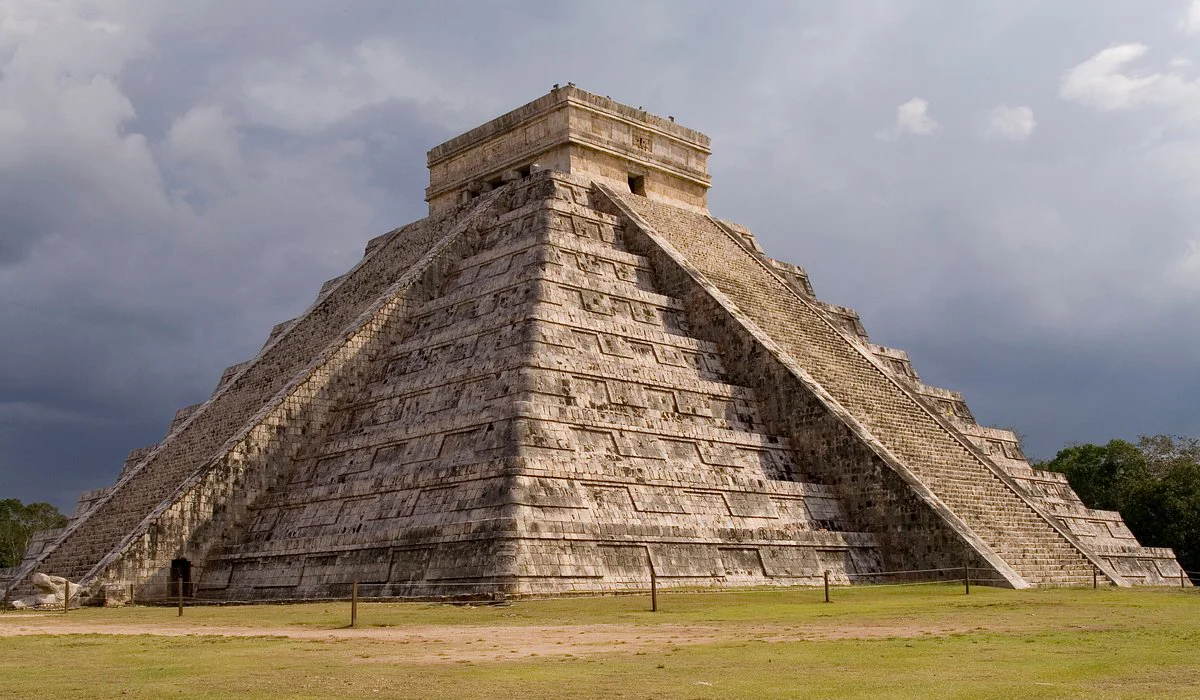
2. Chichén Itzá
Location
Nestled in the heart of Mexico’s Yucatán Peninsula, roughly 2 hours west of the tourist city of Cancún, in the modern state of Yucatán.
Why it was named a Wonder
This step-pyramid city was the political and spiritual capital of the Maya civilization, and its iconic El Castillo pyramid is aligned with astronomical precision to cast a shadow that looks like a slithering serpent during the spring and fall equinoxes. It preserves the genius of pre-Columbian American science, architecture, and cultural tradition.
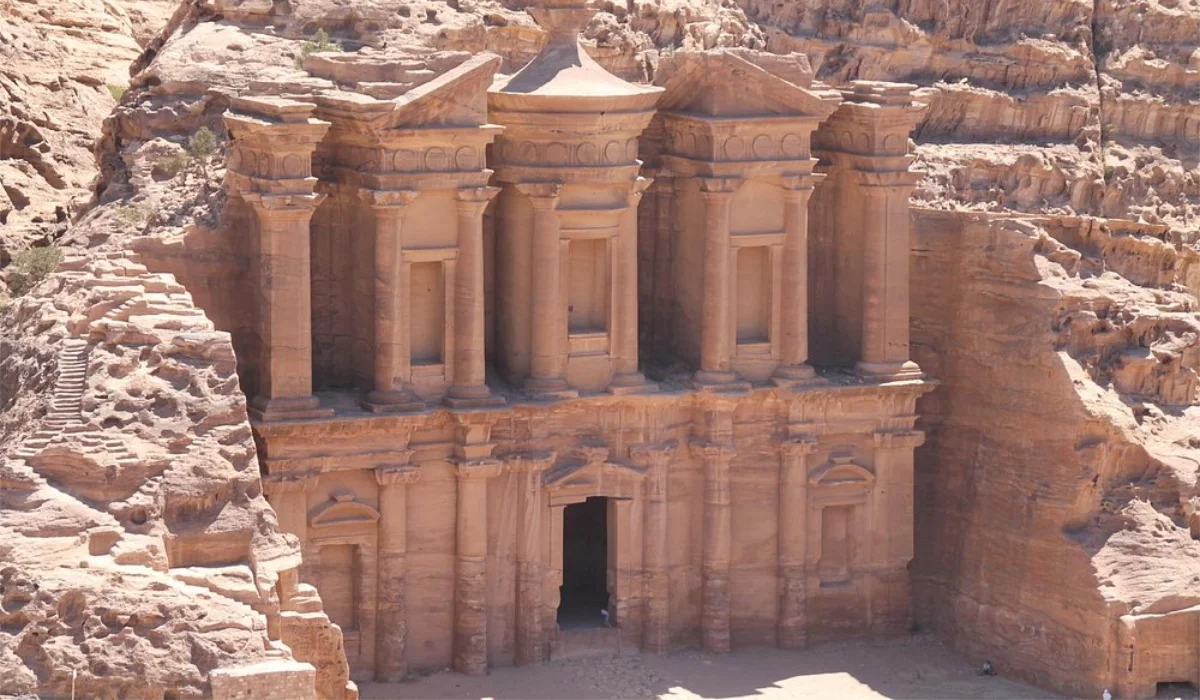
3. Petra
Location
Hidden in the red sandstone canyons of southern Jordan, about 3 hours south of the capital city Amman, accessible through the narrow, winding Siq passage.
Why it was named a Wonder
Carved directly into rose colored rock faces over 2,000 years ago by the Nabataean people, this ancient trading city features elaborate tombs, a sophisticated water management system, and a dramatic desert setting that was lost to the Western world for centuries before its rediscovery in 1812.
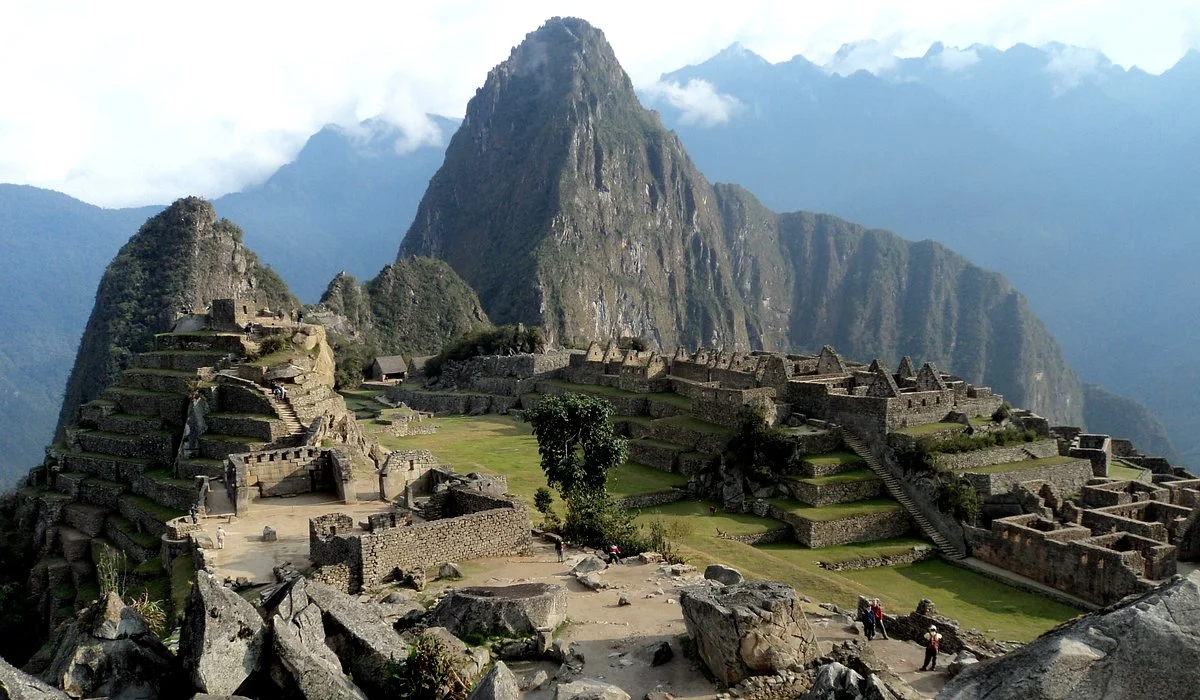
4. Machu Picchu
Location
Perched 7,970 feet above sea level in the Peruvian Andes, overlooking the Sacred Valley of the Incas, 50 miles northwest of the city of Cusco.
Why it was named a Wonder
Built as a royal Inca estate in the 15th century and abandoned before the Spanish conquest, this "Lost City of the Incas" features perfectly cut stonework that fits together without mortar, terraced farms that follow the mountain’s natural slope, and a remote, cloud-shrouded setting that makes it one of the most breathtaking archaeological sites on the planet.
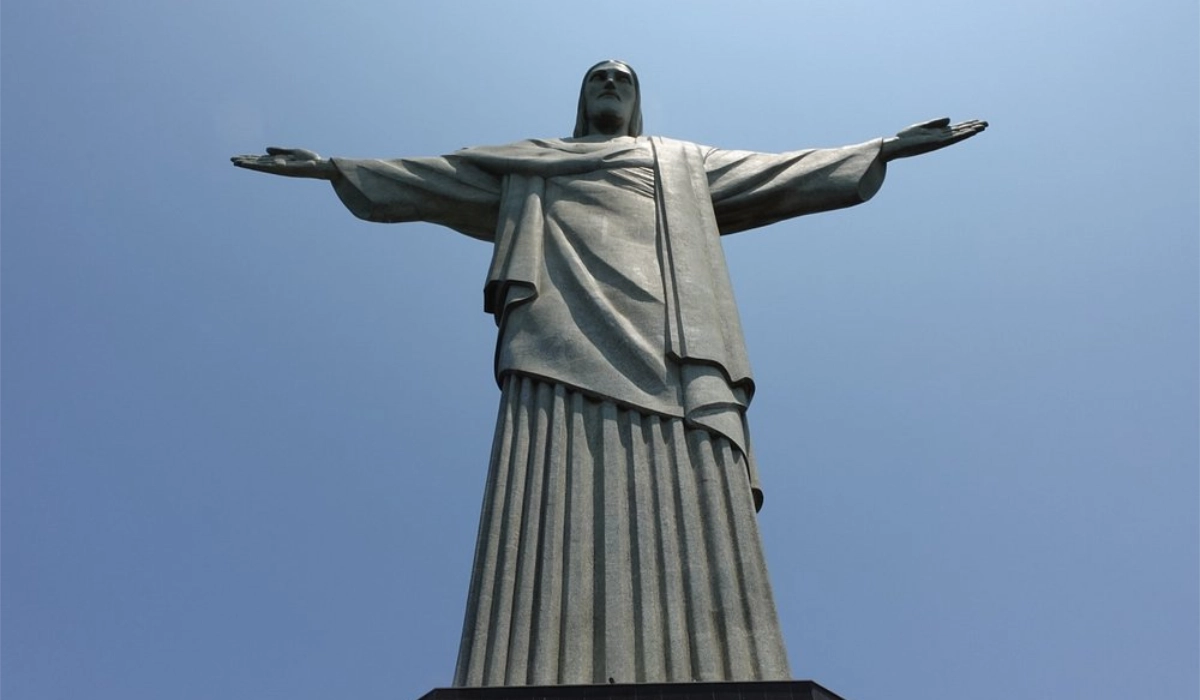
5. Christ the Redeemer
Location
Standing 2,300 feet atop Corcovado Mountain, overlooking the bustling city of Rio de Janeiro, Brazil.
Why it was named a Wonder
This 98-foot tall art deco statue of Jesus Christ, completed in 1931, has become a global symbol of peace, faith, and Brazilian cultural identity. Its sweeping arms that stretch out over the city make it one of the most recognizable and photographed landmarks in the entire Western Hemisphere.
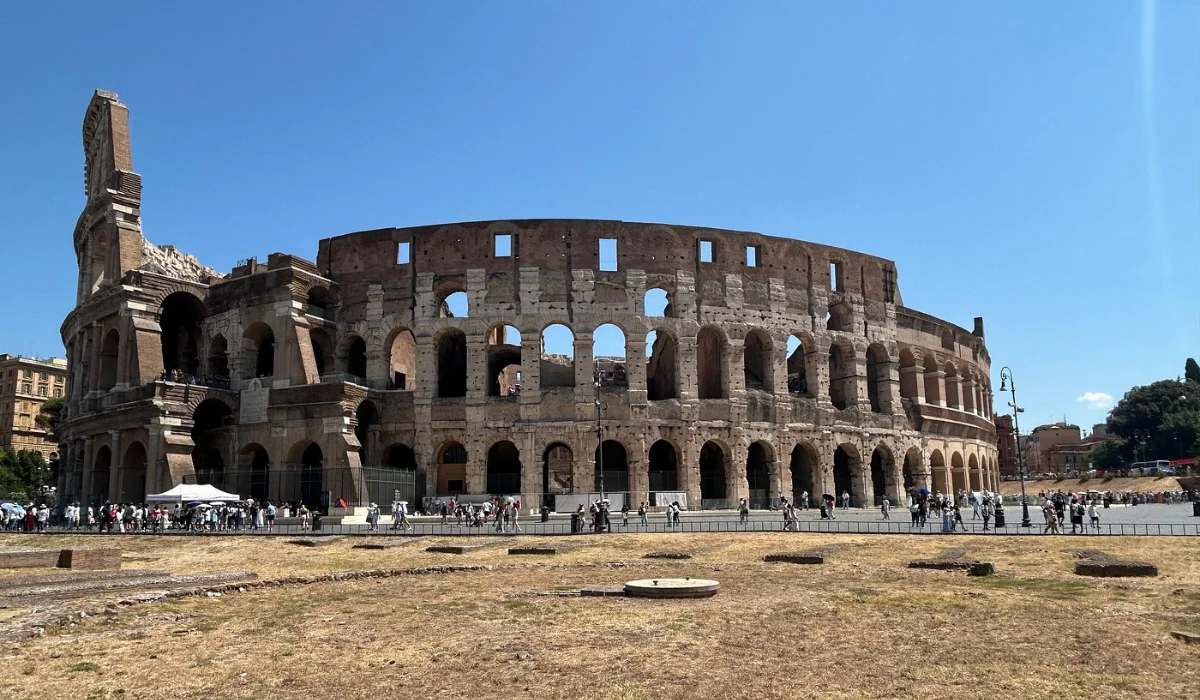
6. Colosseum
Location
Situated in the historic center of Rome, Italy, just a short walk from the Roman Forum and other ancient ruins of the Eternal City.
Why it was named a Wonder
The largest amphitheater ever built in the Roman Empire, completed in 80 AD, could hold more than 50,000 spectators for gladiator battles, public events, and theatrical performances. It is the most well-preserved symbol of Roman engineering, political power, and the cultural legacy that shaped modern Western civilization.
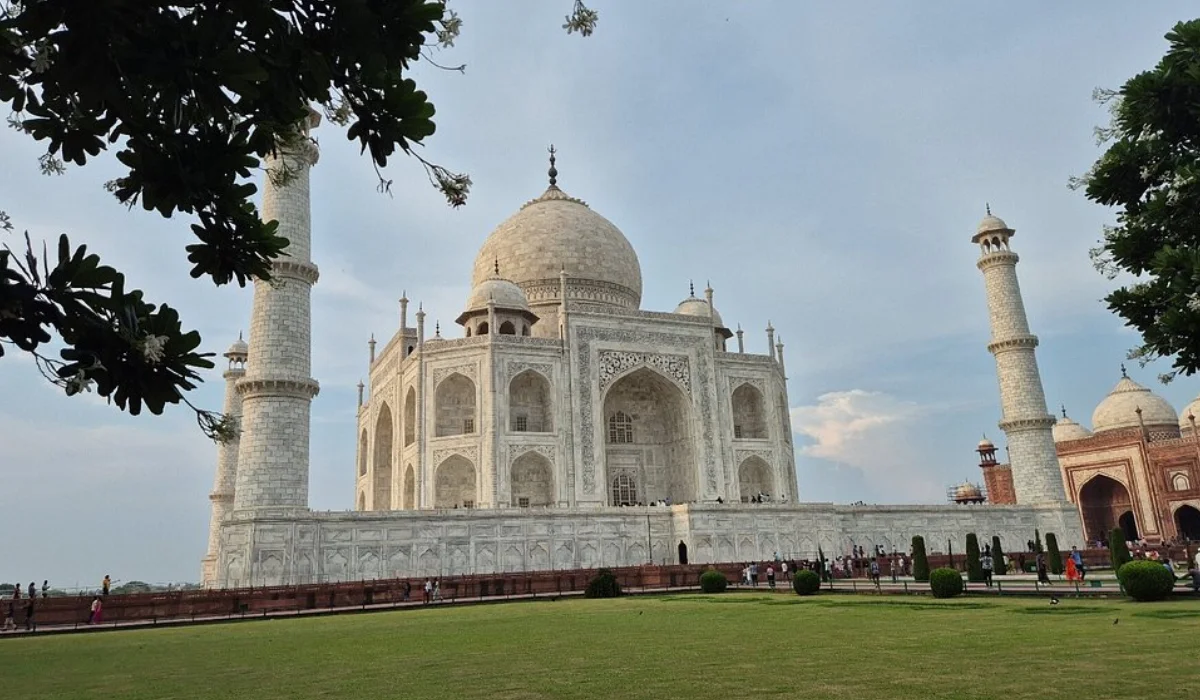
7. Taj Mahal
Location
Set on the banks of the Yamuna River in the northern Indian city of Agra, around 2 hours south of New Delhi.
Why it was named a Wonder
This stunning white marble mausoleum was commissioned in 1632 by Mughal Emperor Shah Jahan as a tribute to his beloved wife Mumtaz Mahal. Decorated with thousands of inlaid semi-precious stones, perfect symmetrical design, and surrounding reflecting gardens, it is widely considered the most beautiful example of Mughal architecture ever created.
7 Wonders of the Ancient World
The original list, compiled by ancient Greek and Roman scholars over 2,000 years ago, represents the most extraordinary man-made sites of the Mediterranean and Near East in classical antiquity.
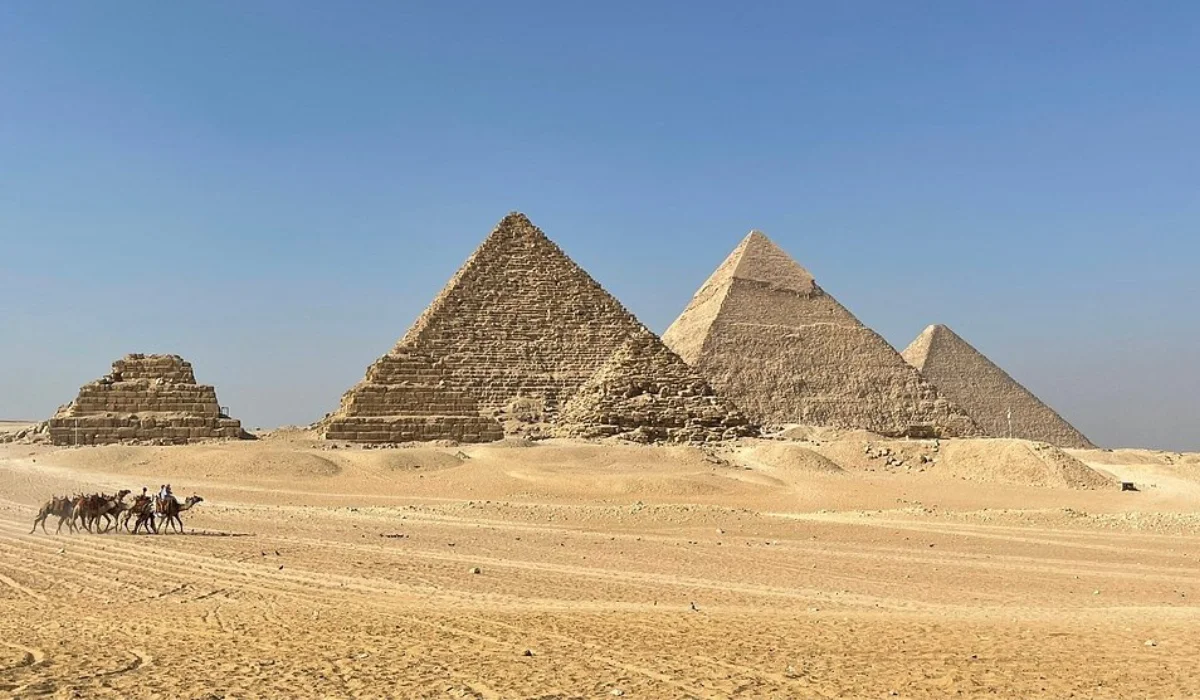
1. Great Pyramid of Giza
Location
On the west bank of the Nile River, just outside the modern city of Cairo, Egypt, on the Giza Plateau.
Why it was named a Wonder
The only surviving wonder of the ancient list, this 4,500-year-old tomb for Pharaoh Khufu was the tallest man-made structure on Earth for more than 3,800 years. Its near-perfect geometric alignment and massive 2.3 million stone blocks, each weighing an average of 2.5 tons, still baffle engineers today who marvel at the precision of its construction.
2. The Hanging Gardens of Babylon
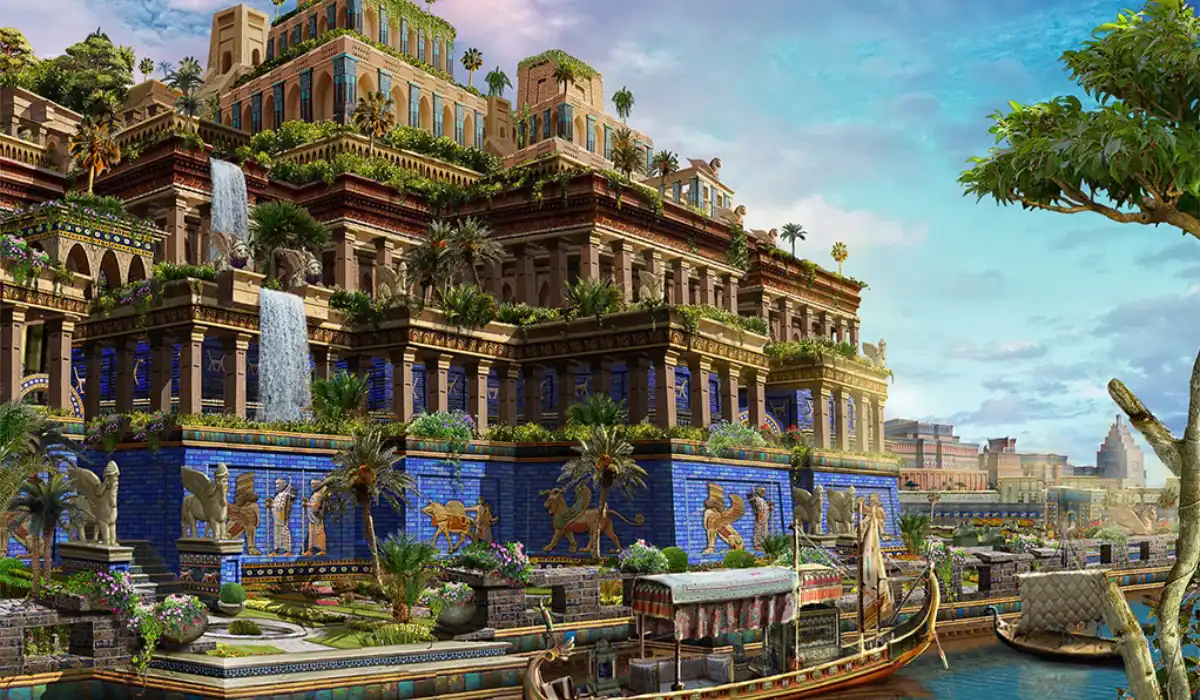
Location
Believed to have stood near the ancient city of Babylon, in what is now central Iraq, south of modern Baghdad.
Why it was named a Wonder
Said to be built by King Nebuchadnezzar II for his homesick wife Amytis, these terraced gardens were filled with exotic plants, flowing waterfalls, and elaborate irrigation systems that created a lush green paradise in the middle of the arid Mesopotamian desert. Even though no definitive archaeological proof has been found, it remains the most famous legendary wonder of the ancient world.
3. The Statue of Zeus at Olympia
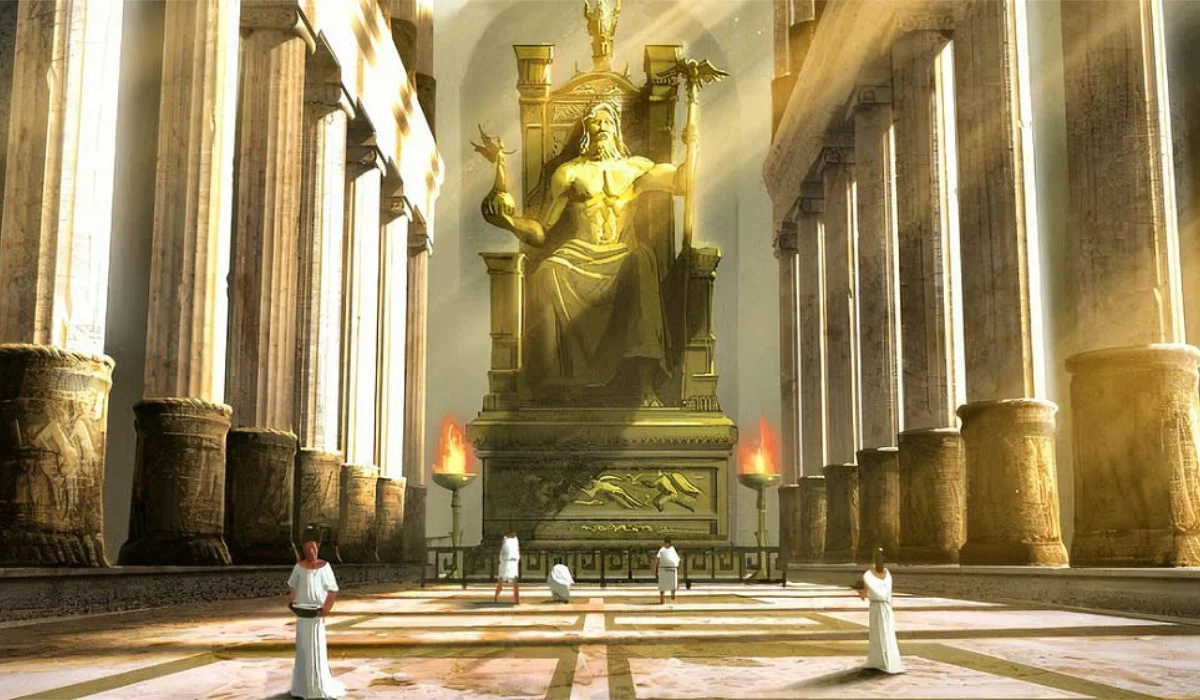
Location
In the ancient sacred site of Olympia, Greece, the birthplace of the original Olympic Games.
Why it was named a Wonder
Carved by the legendary Greek sculptor Phidias around 435 BC, this 40-foot tall statue of the king of the Greek gods was decorated with ivory, gold leaf, ebony, and precious stones. It was the centerpiece of the Olympic Games for over 800 years, and stood as the most iconic artistic representation of classical Greek religion.
4. The Colossus of Rhodes
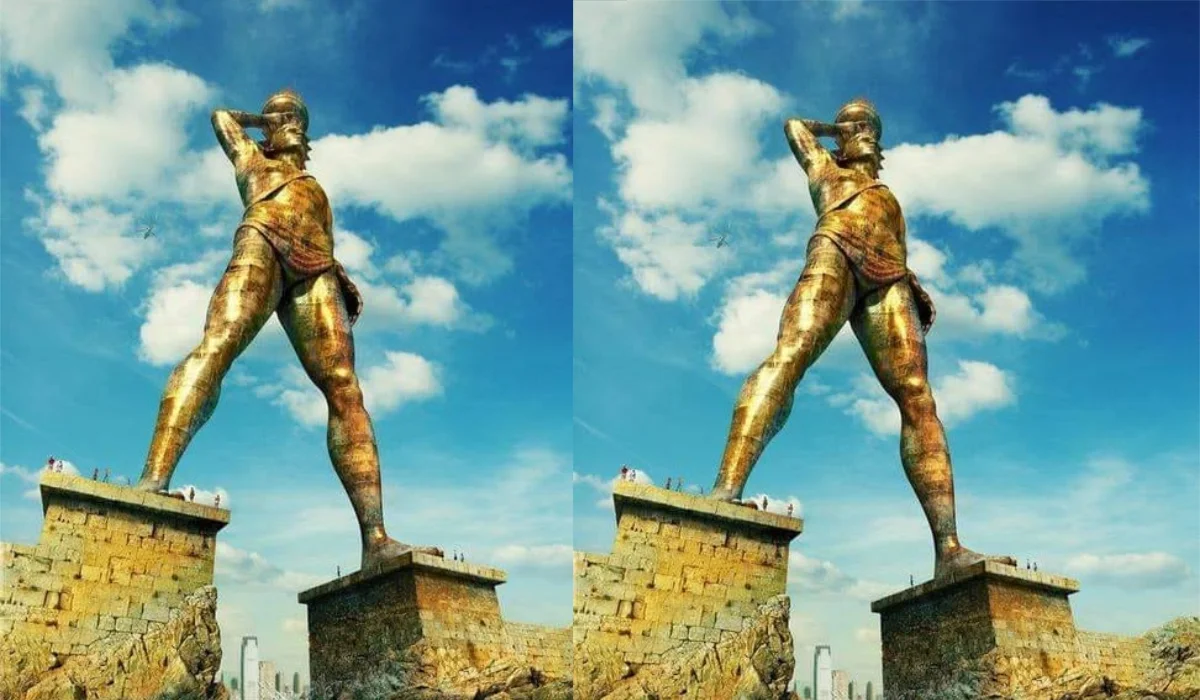
Location
At the entrance to the harbor of the Greek island of Rhodes, in the Aegean Sea.
Why it was named a Wonder
A 108 foot tall bronze statue of the Greek sun god Helios, built in 280 BC to celebrate the island’s victory over a year long Macedonian siege. For over 50 years it stood as one of the tallest statues of the ancient world, before being toppled by a powerful earthquake in 226 BC.
5. The Lighthouse of Alexandria
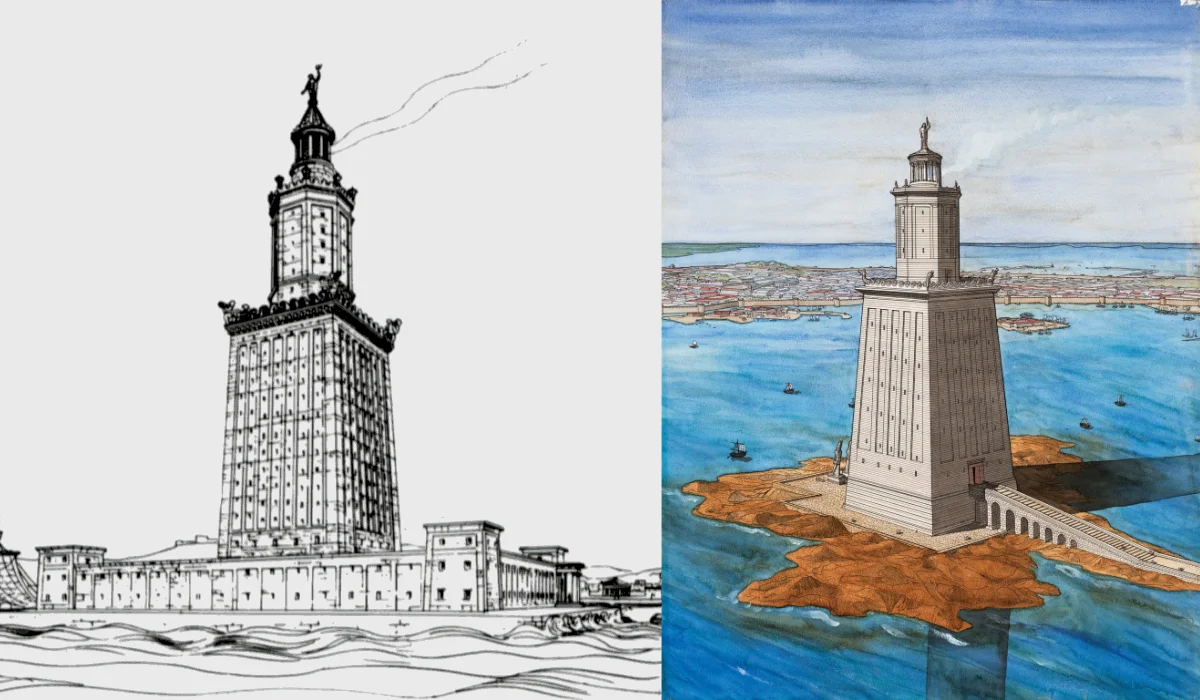
Location
On the small island of Pharos, in the harbor of Alexandria, Egypt.
Why it was named a Wonder
Completed in the 3rd century BC during the reign of Ptolemy II, this 330-foot tall stone lighthouse was the tallest man-made structure of the Hellenistic era. Its fire at the top, reflected through polished metal mirrors, could be seen by sailors more than 35 miles out at sea, guiding ships safely to the busy port of Alexandria for over 1,500 years.
6. The Temple of Artemis at Ephesus
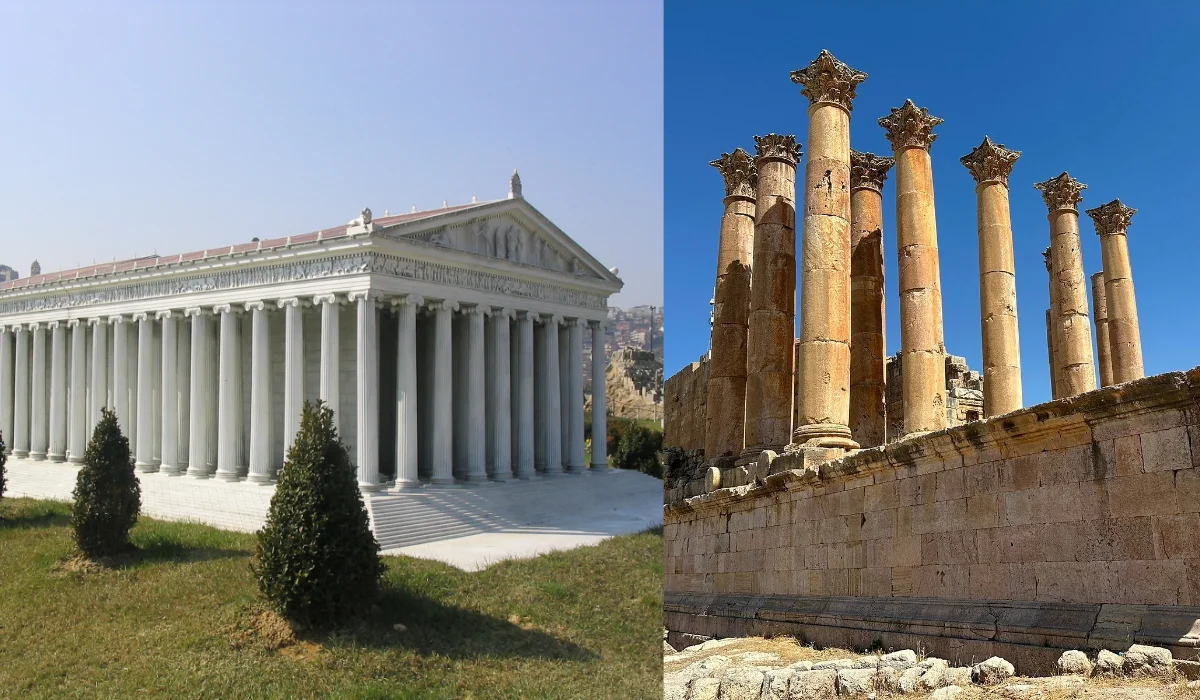
Location
Near the ancient city of Ephesus, in modern-day western Turkey, close to the coastal town of Selçuk.
Why it was named a Wonder
A grand marble temple dedicated to the goddess Artemis, rebuilt multiple times over 500 years, with 127 ornately carved 60-foot columns supporting its massive roof. It was the most important religious pilgrimage site of the ancient Mediterranean, until it was destroyed by a series of fires and invasions.
7. The Mausoleum at Halicarnassus
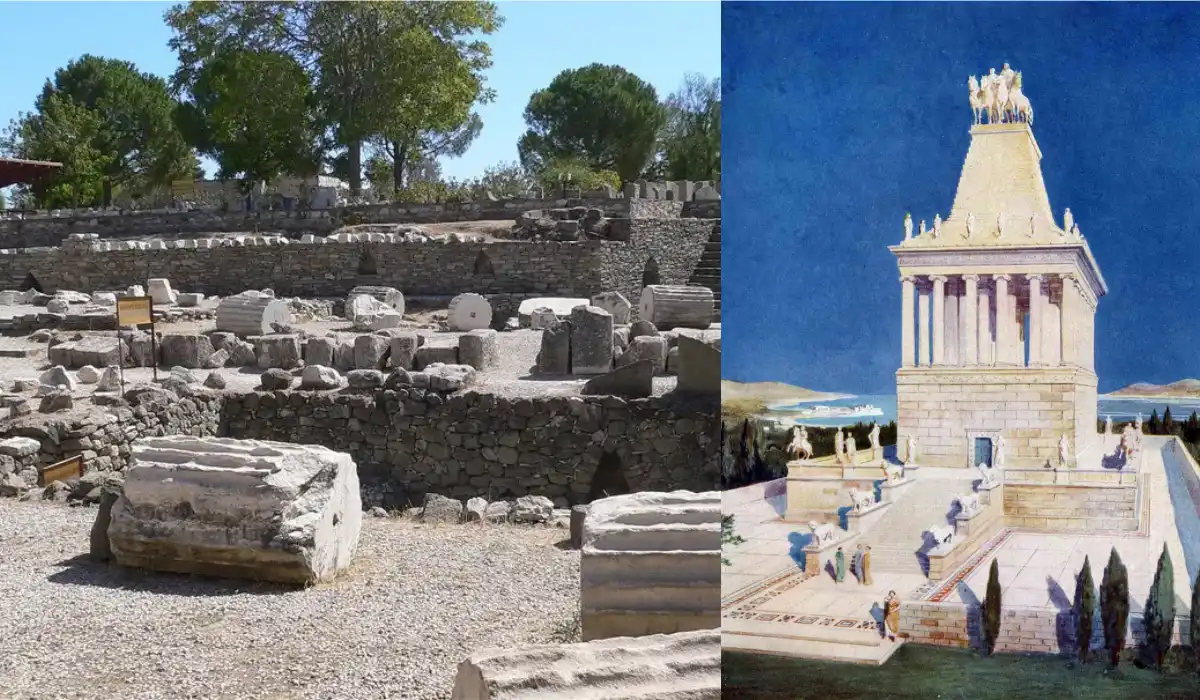
Location
In the center of the ancient city of Halicarnassus, modern-day Bodrum, on the southwest coast of Turkey.
Why it was named a Wonder
A 148 foot tall marble tomb built for Persian ruler Mausolus in 353 BC, decorated with intricate carvings from the greatest Greek artists of the era. Its name became the root of the English word "mausoleum", and its unique mix of Egyptian, Greek, and Persian architectural styles made it one of the most admired monuments of the ancient world.
Future Selection of New Wonders of the World
The official New7Wonders organization has confirmed that a new global voting process will launch in 2027 to select a fresh set of 7 Wonders for the next decade. This new selection will include both cultural heritage sites and underrated natural landmarks from regions that were underrepresented in the 2007 vote, including sites from Africa, the Pacific Islands, and the Arctic Circle.
The public will be able to submit nominations, cast votes, and help shape the next official list that will celebrate the full diversity of our planet’s most extraordinary places.
Frequently Asked Questions
List the 7 wonders of the world with travel company recommendations
For guided trips to all 7 modern wonders, top-rated US-based operators include Abercrombie & Kent (luxury small-group itineraries), G Adventures (affordable, community-focused tours), and Intrepid Travel (responsible, adventure-focused journeys). For regional trips to individual wonders, local operators like Surtrek (South America) and Jordan Tourism Board approved guides offer the most immersive experiences.
What are the official seven new wonders of the world?
The official 2007 New 7 Wonders of the World are the Great Wall of China, Chichén Itzá, Petra, Machu Picchu, Christ the Redeemer, the Colosseum, and the Taj Mahal, verified by the New7Wonders Foundation after a global public vote with over 100 million participants.
Best virtual tours for the 7 wonders of the world
Top free virtual tour options include Google Arts & Culture’s interactive 360° experiences for every wonder, the official Machu Picchu virtual tour from Peru’s Ministry of Tourism, and the Colosseum’s official VR tour that lets you explore the underground tunnels and ancient arena floor.
How to plan a multi-country trip to visit the new wonders?
The most efficient route for a multi-country 7-wonders trip is to start in Rome (Colosseum), then fly to Agra (Taj Mahal), travel south to Jordan (Petra), head east to Beijing (Great Wall of China), fly to Mexico (Chichén Itzá), continue to Peru (Machu Picchu), and finish in Rio de Janeiro (Christ the Redeemer). Most travelers plan this itinerary over 3 to 6 months to avoid rushing between sites.
Which travel agencies offer packages to visit the 7 wonders of the world?
Leading agencies that sell complete 7-wonders packages include Luxury Travel Advisors (custom private itineraries), World Expeditions (adventure-focused overland routes), and National Geographic Expeditions (educational tours with expert historians and local guides).
Best travel protection plans for international trips to major landmarks?
The most recommended travel insurance plans for multi-country wonder trips are World Nomads (covers adventure activities and archaeological site visits), Allianz Global Assistance (comprehensive coverage for trip cancellations and medical emergencies), and Travelex (affordable plans that include lost luggage protection for high-value camera gear).
Top-rated apps for learning about the 7 wonders of the world
Must-have apps include 7 Wonders of the World (AR Edition) (augmented reality that lets you explore each site in 3D), History Vault: 7 Wonders (full documentary content for every landmark), and Maps.me (offline maps with detailed directions to remote wonder sites like Machu Picchu and Petra).
Recommended tour operators for a guided journey to the wonders?
For expert-led guided journeys, top picks are Smithsonian Journeys (tours led by archaeologists and historians), Backroads (active, walking-focused tours around each wonder), and Wild Frontiers (off-the-beaten-path itineraries that include lesser-known nearby ruins alongside the main wonder sites).
Where can I book guided tours for the 7 wonders of the world?
You can book official licensed guided tours directly through each site’s official tourism board, or use trusted platforms like Viator and GetYourGuide to compare thousands of verified local tour options, with free cancellation up to 24 hours before your visit.
Affordable air travel options to destinations near the seven wonders
To save on flights, use budget regional carriers like Volaris (for Chichén Itzá), Sky Airline (for Machu Picchu), and Royal Jordanian (for Petra), and set price alerts on Google Flights 3 to 6 months in advance to catch the lowest fares to major hub cities near each wonder.
Compare prices for flights to destinations of the 7 wonders of the world
Average round-trip fares from a major US hub like New York JFK are: Rome ($450–$800), Agra (Delhi hub, $600–$1,100), Amman ($550–$1,000), Beijing ($500–$950), Cancún ($250–$500), Cusco (Lima hub, $400–$850), and Rio de Janeiro ($500–$900).
What photography equipment is ideal for capturing historical sites at night?
The best gear for night photography at the wonders includes a full-frame mirrorless camera, a wide-angle f/2.8 lens to capture the full scale of landmarks like the Colosseum and Taj Mahal, a sturdy carbon fiber tripod for long exposures, and a portable LED light to illuminate small details without using flash that damages ancient stone.
Best online courses about the history of the 7 wonders of the world
Top rated courses are The 7 Wonders of the Ancient World on Coursera from the University of Pennsylvania, History of New 7 Wonders on MasterClass led by travel historian Simon Schama, and a free short course on Khan Academy that covers the art and architecture of every wonder.