
 en
en


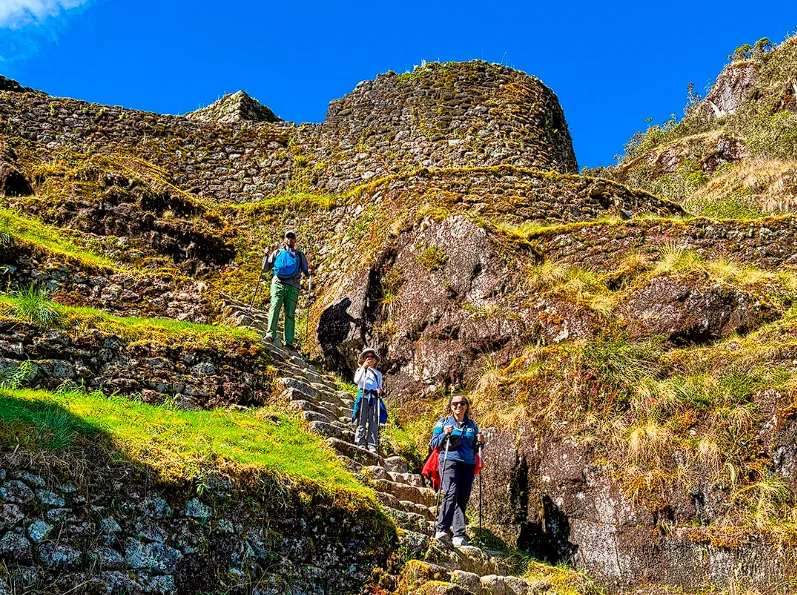
Common mistakes on the Inca Trail include arriving in Cusco without enough time to acclimatize, underestimating the effects of altitude, overpacking, wearing new hiking boots, and choosing the wrong tour operator. Fortunately, with proper preparation, you can avoid these issues before your trek begins.
Every trekking season, local guides see hikers struggle, not because the trail is too difficult, but because small planning mistakes make the journey far more challenging than it needs to be. In many cases, preparing well before arriving in Peru has a greater impact on a successful trek than physical fitness alone.
Whether you're planning the Classic Inca Trail to Machu Picchu (4 Days / 3 Nights) or preparing for your first multi-day hike in Peru, understanding these common mistakes will help you hike with greater confidence, stay safer on the trail, and enjoy one of the world's most iconic trekking experiences.
This guide is based on years of experience leading hikers on the Inca Trail and the real situations our local guides encounter every trekking season. You'll discover the 15 most common mistakes travelers make before and during the trek, along with practical advice to help you avoid them and make the most of your journey to Machu Picchu.
Quick Summary
- Tour: Classic Inca Trail to Machu Picchu – 4 Days / 3 Nights
- Who Is This Guide For?: First-time hikers and anyone getting ready for the Inca Trail.
- Biggest Mistake: Arriving in Cusco without giving yourself enough time to adjust to the altitude.
- Best Preparation: For optimal preparation, spend 4 to 5 days in Cusco or the Sacred Valley before beginning the trek.
- Recommended Fitness: A moderate level of fitness, including regular walking or hiking prior to your trip, is recommended.
- Essential Gear: Broken-in hiking boots, layered clothing, reliable rain gear, and a lightweight daypack.
- Important Documents: Check your passport's expiration date and notify your tour operator if you renew it after booking.
- Key Takeaway: The key to enjoying the Inca Trail to Machu Picchu is thorough preparation rather than speed or strength.
Why Preparation Matters on the Inca Trail
The Classic Inca Trail 4 Day Trek is widely regarded as one of the world's premier hiking adventures. Each year, thousands of travelers of all ages, backgrounds, and fitness levels complete the journey to Machu Picchu. Although the trail poses physical and mental challenges, most hikers can succeed with adequate preparation.
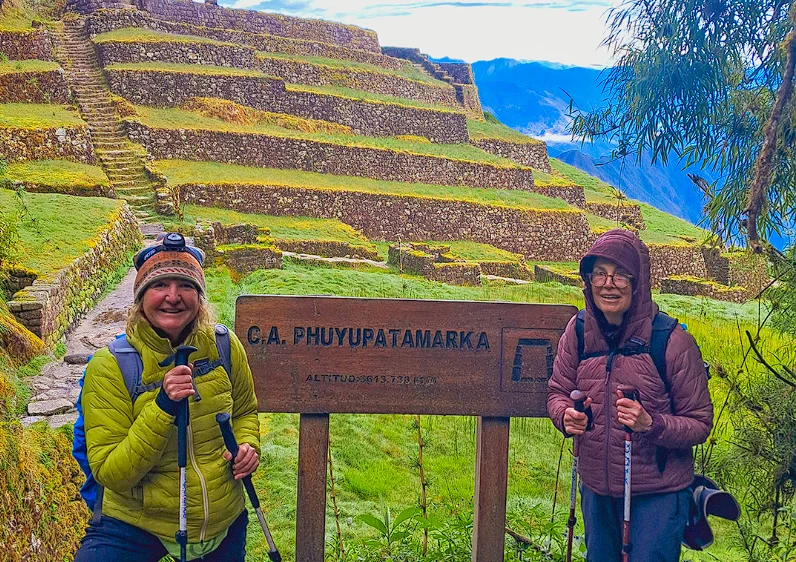
Many first-time trekkers are surprised to find that the hardest parts of the Inca Trail often come from mistakes made before the hike starts. Problems like not adjusting to the altitude, having the wrong gear, not training enough, or forgetting travel documents can make the trek harder than it needs to be.
Fortunately, most of these issues can be prevented with proper planning and realistic expectations. Knowing what to expect before arriving in Peru allows you to enjoy the trek more comfortably and focus on the unique landscapes, archaeological sites, and cultural experiences of the Inca Trail.
Most Inca Trail Problems Are Preventable
Many hikers believe physical fitness is the main challenge on the Inca Trail. While endurance is important, guides often find that preparation is a stronger predictor of success than athletic ability.
For example, travelers who arrive early to acclimatize typically perform better than fit hikers who arrive at the last minute. Likewise, those who pack wisely and use tested gear have a smoother experience than those with new or unnecessary equipment.
In summary, preparation prevents many challenges on the Inca Trail that physical strength alone cannot overcome.
What Local Guides See Every Trekking Season
After years of leading groups on the Inca Trail, local guides start to see the same issues come up again and again.
Each trekking season, some hikers don’t give themselves enough time to get used to the altitude. Others don’t prepare for the mountain weather, forget important documents, or bring backpacks that are much too heavy. Sometimes, travelers renew their passports after booking their permits and forget to tell their tour company, which causes problems before the trek starts.
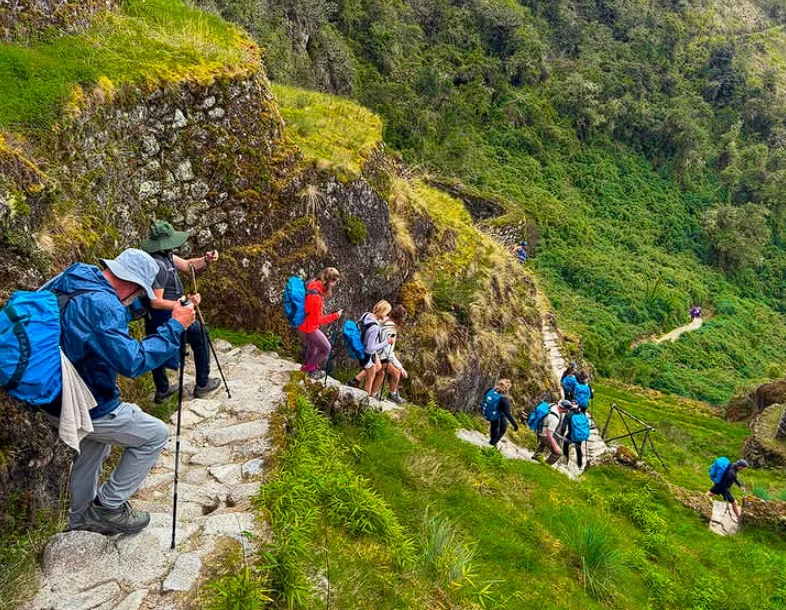
Interestingly, these mistakes don’t usually depend on age or hiking experience. Many first-time hikers finish the trek because they prepare well, while some experienced hikers have trouble because they miss important details.
That’s why guides often stress the importance of preparing well before you even start the trail.
How This Guide Will Help You
This guide isn’t meant to discourage you from hiking the Inca Trail. In fact, it’s here to help you feel ready and excited for the journey.
By learning from what other travelers have experienced, you can avoid many common mistakes that make the trek harder than it needs to be. If you know about things like altitude, packing, shoes, permits, or picking a tour company ahead of time, you’ll feel more prepared and confident when you arrive.
The mistakes listed below are based on what guides see again and again on the Inca Trail to Machu Picchu. If you avoid these, you’ll have a much better chance of enjoying one of the world’s most rewarding treks.
Arriving in Cusco Too Late
A common mistake before the Classic 4 days, 3 nights Inca Trail is arriving in Cusco without sufficient time to acclimatize. Many travelers prepare physically but underestimate the impact of altitude on their performance in Peru.
Cusco is located at about 3,400 m (11,150 ft) above sea level, much higher than most visitors’ home cities. For those from sea level or low-altitude areas, this sudden elevation can stress the body, making even simple activities like climbing stairs or carrying a daypack feel unexpectedly difficult.
Some hikers only give themselves a day in Cusco before starting the Inca Trail. While this might seem like a good way to save time, it doesn’t give your body enough chance to get used to the thinner air. This can make the first days of the trek much harder and less fun.
Why Altitude Affects New Arrivals
A common misconception is that physical fitness alone determines performance at high altitude on the Inca Trail.
In reality, altitude affects individuals differently. Local guides often see even highly active travelers struggle with headaches, fatigue, shortness of breath, or poor sleep after arriving in Cusco. Meanwhile, less athletic travelers may adapt well if they allow enough time to acclimatize.
Altitude is not a fitness issue but an adaptation issue. At higher elevations, lower oxygen levels force the body to work harder, and until it adjusts, many travelers experience symptoms of altitude sickness.
That’s why taking time to acclimatize is one of the most important parts of getting ready for the Inca Trail to Machu Picchu.
How Many Days Should You Acclimatize?
There’s no perfect number of days that works for everyone, since people react to altitude in different ways. Still, most local guides suggest arriving in Cusco at least 3 to 4 days before your trek, based on their years of experience.
If you’re coming straight from sea level, 4 to 5 days is even better. This gives your body more time to adjust and lets you explore Cusco, the Sacred Valley, and other nearby sights at a relaxed pace.
Many hikers find that after a few days at high altitude, their energy, breathing, and comfort improve a lot. In fact, spending extra time acclimatizing often helps more than weeks of extra training.
What Local Guides Recommend
Experienced Inca Trail guides always stress how important it is to acclimatize.
Instead of jumping right into the trek, guides suggest spending your first few days in Peru taking it easy. Go for light walks around Cusco, visit the Sacred Valley, drink plenty of water, eat well, and get enough rest to help your body adjust.
Guides have noticed that hikers who arrive early and give themselves time to adjust usually enjoy the trek more, recover faster after long days, and have fewer problems with the altitude.
Local guides’ most repeated advice is to allow enough time in Cusco before starting the Inca Trail. These extra days can significantly improve your experience and help you enjoy the journey to Machu Picchu with greater comfort and confidence.
Underestimating the Effects of Altitude
Many travelers planning for the Inca Trail prioritize distance, hiking duration, and physical demands. However, altitude often presents an unexpected challenge.
Even after acclimatizing in Cusco, many travelers underestimate the impact of high elevation on energy, breathing, and performance. Altitude is a primary reason the 4 Day Inca Trail Trek is more demanding than expected.
The Inca Trail traverses high mountain environments with significantly reduced oxygen levels. As elevation increases, the body must exert more effort for routine activities. Understanding these effects enables hikers to prepare effectively and avoid unnecessary challenges.
Common Symptoms of Altitude Sickness
Altitude can affect anyone, no matter their age, fitness, or hiking experience.
Some travelers experience mild symptoms, while others struggle more during the initial days at elevation. Common symptoms of altitude sickness include headaches, shortness of breath, fatigue, dizziness, nausea, loss of appetite, and difficulty sleeping.
Many hikers are surprised by how quickly simple tasks become more demanding. Activities that are easy at sea level require much more effort above 3,000 m (9,842 ft).
Most symptoms improve as the body adapts to altitude. Early recognition and appropriate response are essential for a safe and enjoyable trek.
Who Is Most Likely to Struggle?
A common myth is that only people who are not fit have trouble with altitude.
In fact, local guides often see very active hikers struggle with altitude, while some less athletic travelers adjust just fine. Being fit can help with stamina, but it does not stop altitude sickness.
From years of guiding on the Classic Inca Trail Trek, some groups often face more challenges. These include travelers coming straight from sea level, people with little experience at high elevations, those who are not very active, and anyone with breathing problems.
Another group that often struggles is hikers who try to keep their usual pace, even with the altitude. Many people push themselves too much in the first days instead of giving their bodies time to adjust.
How to Reduce the Risk
While altitude sickness cannot be completely prevented, hikers can take steps to reduce risk and improve their chances of enjoying the Inca Trail to Machu Picchu.
The most effective strategy is to allow sufficient time for acclimatization before the trek. Spending several days in Cusco or the Sacred Valley helps the body adapt to lower oxygen levels.
Staying hydrated, eating balanced meals, resting adequately, and avoiding excessive alcohol during the first days at altitude support acclimatization. Experienced hikers recommend maintaining a steady pace and avoiding unnecessary exertion to conserve energy and reduce fatigue.
Most importantly, pay attention to how your body feels. You cannot beat altitude just by trying harder. Respecting the mountain and adjusting your expectations usually leads to a safer and much more enjoyable trek.
If you know what to expect from the altitude before starting the Inca Trail 4 Day Hike, you can prepare better and spend more time enjoying the amazing scenery, archaeological sites, and the unforgettable trip to Machu Picchu.
Overpacking Your Backpack
A common mistake before starting the Inca Trail is packing more gear than necessary. While preparing for every situation may seem wise, excess weight can make the trek more challenging and less enjoyable.
Each extra kilogram becomes more noticeable as the trail ascends into the Andes. A backpack that feels light in your hotel will feel much heavier after hours of uphill hiking, especially on the steep and demanding sections of the Classic Inca Trail.
Many hikers are surprised to find that the things they use most on the trail are usually the simplest, while a lot of what they packed stays untouched in their backpack.
Items You Probably Don't Need
Travelers often overpack because they are unsure of what they will need. Many first-time hikers worry about forgetting something, so they bring extra clothes, duplicates, or gear they probably will not use.
Local guides frequently see hikers carrying:
- Too many changes of clothes.
- Multiple pairs of hiking pants.
- Large toiletry kits.
- Heavy books.
- Excessive snacks.
- Unnecessary electronic devices.
- Large camera equipment that remains unused for most of the trek.
In reality, most hikers need much less than they think. Lightweight, versatile gear is usually more useful than packing lots of things.
Before you pack, ask yourself, "Will I really use this on the trek?" If you are not sure, it probably does not need to go in your backpack.
How Much Weight Should You Carry?
There is no ideal backpack weight for everyone, but most experienced trekkers agree that lighter is better for the 4 Day Inca Trail Trek.
Your daypack should only have the essentials you will need during the day, like:
- Water.
- Rain gear.
- Sunscreen.
- Snacks.
- Camera or phone.
- Personal medications.
- Important travel documents.
Most tour operators offer porter services to carry your camping gear and duffel bags, so you can hike with a lighter daypack. Using this support can make your trek much more comfortable and help you avoid getting too tired.
If your backpack feels heavy before the hike, it will feel much heavier after several hours on the trail.
Why a Lighter Backpack Improves the Experience
The point of hiking the Inca Trail to Machu Picchu is not just to finish, but to enjoy the journey along the way.
A lighter backpack puts less strain on your shoulders, back, hips, and knees. It helps you keep a comfortable pace, save energy, and enjoy the amazing scenery instead of worrying about heavy gear.
Guides often see that hikers with lighter packs move more easily, recover better at camp, and usually have a better time on the trek.
When you get ready for the Inca Trail 4 Day Hike, keep in mind that smart packing means bringing the right things, not more things. If you pack carefully and leave out what you do not need, your trek will be safer, more comfortable, and much more enjoyable from beginning to end.
Mistake 4 Wearing New Hiking Boots
A lot of hikers spend weeks looking for the best footwear for the Inca Trail, but many still make one big mistake: they bring brand-new hiking boots for the trek.
New boots might look good and offer great support, but wearing them for the first time on a long hike can quickly become uncomfortable. The Inca Trail has steep climbs, long downhills, uneven ground, and thousands of stone steps. If your boots aren’t broken in, they can cause friction, sore spots, and blisters that make it hard to enjoy your trek.
Experienced guides often say that having comfortable, well-worn boots matters much more than having the newest or priciest pair.
Why Blisters Can Ruin a Trek
Blisters might not seem like a big deal at first, but on a four-day hike, they can cause a lot of pain.
A small sore spot on the first day can turn into a painful blister after hours of walking. When that happens, every step gets harder, especially on steep downhills where your feet take more pressure.
Guides often see fit, well-acclimatized hikers struggle due to footwear issues. In many cases, the problem is untested boots rather than the trail itself.
It is much easier to prevent blisters than to treat them once they develop.
How to Break In Hiking Footwear
One of the best ways to get ready for the 4-Day Classic Inca Trail Trek is to wear your hiking boots long before you arrive in Peru.
It’s best to use your boots on training walks, day hikes, and even while climbing stairs for a few weeks before your trip. This helps your boots shape to your feet and lets you spot any spots that might cause pain.
If you feel rubbing, sore spots, or discomfort while training, you’ll still have time to change your socks, insoles, or even your boots before the trek starts.
The main goal is simple: your hiking boots should feel comfortable and familiar before you ever set foot on the trail.
Choosing the Right Footwear for the Inca Trail
Heavy mountaineering boots are not necessary for most hikers on the Inca Trail to Machu Picchu.
For most travelers, comfortable hiking boots or lightweight shoes with good grip and ankle support are sufficient. Prioritize comfort, stability, and traction over weight or brand.
When you’re picking out footwear, look for:
- Good grip on wet and uneven surfaces.
- Comfortable cushioning.
- Proper fit without excessive movement.
- Breathable materials.
- Adequate support for long hiking days.
Many experienced hikers prefer lightweight footwear, as it reduces fatigue over long distances while still offering adequate protection.
What Local Guides Recommend
After leading thousands of hikers along the Iconic Inca Trail to Machu Picchu, local guides always give the same advice: never start the trek with boots you haven’t already worn.
Hikers who enjoy the trek most are those who arrive with boots they have worn for weeks or months. They understand how their footwear performs, how their socks fit, and where issues may arise.
A comfortable, broken-in pair of hiking boots may not be as exciting as new gear, but it can greatly improve your experience. When your feet are comfortable, you can fully enjoy the scenery, archaeological sites, and the journey to Machu Picchu.
Starting the Trek Too Fast
Another common mistake on the Inca Trail is beginning at a pace that is unsustainable for the entire day.
Excitement, fresh energy, and scenic views often prompt travelers to walk too quickly at the start. While many feel strong in the first hours, the Inca Trail is a multi-day trek that requires careful energy management.
Local guides often remind hikers that success depends on maintaining consistent energy throughout the trek, not on early speed.
The Importance of Pacing Yourself
On the Inca Trail to Machu Picchu, being patient pays off more than being fast.
This trail isn’t like a regular day hike. You’ll spend several days walking through different types of terrain, climbing up and down, and tackling long stretches of stone steps. If you go too fast at the start, you’ll probably feel much more tired later on.
Keeping a steady pace helps your body get used to the effort and the altitude. It also saves energy for the tougher parts of the trail, like steep climbs and high passes.
Experienced hikers often find that slowing down improves their overall performance on the trek.
Why Slow Hikers Often Finish Stronger
Guides often notice that the people who start out the fastest aren’t always the ones who finish the day the strongest.
Travelers who rush ahead expend much of their energy early, making it harder to maintain their pace as fatigue sets in. Those who start conservatively often feel stronger later because they manage their energy more efficiently.
This is especially clear on long climbs, where controlled breathing and steady movement are more effective than speed. Many successful hikers walk at a pace that allows for comfortable conversation and steady breathing.
By not using up all their energy at once, these hikers usually get to camp feeling much better than those who started out too fast.
Listen to Your Body, Not Other Hikers
Some travelers also make the mistake of comparing themselves to others in the group.
Everyone comes to the trail with different fitness levels, hiking experience, age, and experience with altitude. Trying to keep up with someone else can just make you tired and frustrated.
Guides encourage hikers to focus on their own rhythm rather than their position in the group. The aim is to enjoy the journey and complete the trek safely and comfortably, not to be first to camp.
Remember, the 4 Day Inca Trail Hike is not a competition. Everyone reaches Machu Picchu by the same route, regardless of their daily pace.
What Guides Recommend on the Trail
If you ask an experienced Inca Trail guide for advice, most will tell you the same thing: start out slower than you think you should.
It’s better to keep a comfortable pace, drink water often, take short breaks, and focus on your breathing than to try to go fast. Guides know the trail and the challenges, so they usually tell hikers to save their energy instead of hurrying.
Local guides have seen many travelers enjoy the trek more by slowing down. Maintaining a steady pace helps hikers appreciate the scenery, visit archaeological sites, and arrive at Machu Picchu feeling accomplished rather than exhausted.
The most successful hikers on the 4 Day Inca Trail Trek are rarely the fastest. They are usually those who value endurance, consistency, and enjoying each step of the journey.
Not Drinking Enough Water
Staying hydrated might seem easy, but many hikers on the Inca Trail still overlook dehydration as a real challenge.
In hot deserts, it’s easy to notice when you’re thirsty. On the Inca Trail, though, the cool mornings, cloud forests, and comfortable temperatures can make it harder to realize you need more water. Many hikers think they’re drinking enough, but their bodies actually need much more.
When you add physical effort and high altitude, not drinking enough water can lead to tiredness, headaches, dizziness, muscle cramps, and lower performance during the trek. That’s why experienced guides keep reminding hikers to drink water regularly, even if they don’t feel thirsty.
Why Hydration Matters at High Altitude
A lot of travelers are surprised to find out that your body loses water faster at higher elevations.
As you climb higher, you breathe faster because your body works harder to get enough oxygen. This makes you lose more fluids. Plus, hiking for hours each day means your body needs even more water.
Because of the altitude and all the activity, staying hydrated is especially important on the Inca Trail to Machu Picchu. Even a little dehydration can make altitude symptoms worse and leave you feeling more tired than you should.
Drinking enough water helps your body make energy, recover, keep your blood flowing well, and perform better during the trek.
Signs You May Not Be Drinking Enough
Dehydration symptoms often develop gradually throughout the day rather than appearing suddenly.
Some common warning signs include:
- Persistent headaches.
- Dry mouth.
- Dark-colored urine.
- Unusual fatigue.
- Dizziness.
- Reduced energy levels.
- Difficulty concentrating.
Because many of these symptoms resemble mild altitude sickness, hikers may find it difficult to identify the cause. Guides therefore encourage travelers to drink water consistently instead of waiting until they feel thirsty.
A proactive approach to hydration is more effective than trying to catch up later.
How Much Water Should You Drink?
There is no universal amount for every hiker, as hydration needs vary by body size, weather, pace, and altitude.
Most trekkers on the Classic 4 Day Inca Trail should drink water regularly throughout the day, rather than consuming large amounts only during breaks.
Experienced hikers often carry a reusable water bottle or a hydration pack so they can drink easily while walking. Taking small, frequent sips usually works better than drinking a lot at once.
It’s also important to start your day well-hydrated. If you begin the morning already dehydrated, it’s much harder to keep your energy up during the hike.
What Local Guides Recommend
Guides on the Classic Inca Trail to Machu Picchu consistently observe that well-hydrated hikers feel stronger and recover better at camp.
That’s why guides often remind travelers to drink water before they get thirsty, especially when climbing or during warmer parts of the day. They also suggest combining good hydration with enough food and regular breaks.
Drinking enough water won’t solve every challenge on the trail, but it’s one of the easiest and most effective ways to help your body during the trek.
If you stay well-hydrated, you’re more likely to enjoy the views, keep a steady pace, and really appreciate hiking one of the world’s most famous trails. Sometimes, just remembering to drink enough water can make your Inca Trail experience much better.
Ignoring Your Guide's Advice
Each trekking season, local guides offer plenty of tips to help hikers stay safe, comfortable, and make the most of their journey. Most travelers value this advice, but some ignore simple suggestions that could help them avoid problems on the trail.
The Inca Trail is more than just a hiking path. It is a protected area with ancient sites, changing weather, different elevations, and tough terrain. Guides spend many days each year on the trail and know how hikers react in different situations.
That’s why their advice is almost never random. When guides tell you to slow down, drink more water, put on a rain jacket, or take a break, they are drawing on years of experience helping people reach Machu Picchu.
Why Local Guides Know the Trail Best
Many hikers come with trekking experience from other places. While this is helpful, the Inca Trail has its own challenges that are hard to fully understand until you’ve spent a lot of time on it.
Local guides know how the weather changes during the day, which parts of the trail get slippery after rain, where hikers usually start to feel the altitude, and how each section affects your energy.
They can also spot early signs of tiredness, dehydration, altitude problems, and other issues that hikers might miss.
Since guides spend so much time on the trail, they can often spot problems before they get serious. Their knowledge helps travelers finish the 4-Day Inca Trail Hike safely and comfortably.
Common Warnings Hikers Ignore
Over time, guides have found themselves giving the same advice again and again.
Some of the most common include:
- Slow down and conserve your energy.
- Drink more water.
- Put on your rain gear before the storm arrives.
- Apply sunscreen even when the sky is cloudy.
- Eat enough during meals and breaks.
- Take time to acclimatize properly.
- Use trekking poles on steep descents.
Initially, some hikers may consider these recommendations unnecessary. However, many later realize the advice was well-founded.
For example, a traveler who leaves a rain jacket behind on a sunny morning may face an afternoon storm. Similarly, ignoring hydration reminders can lead to headaches or fatigue later in the day.
Small decisions can have a cumulative impact during a multi-day trek.
Trust the Experience of Your Guide Team
A key advantage of a guided trek is access to people who know the route better than anyone else.
The best guides do more than explain history and lead the way. They monitor the group's pace, assess trail conditions, offer encouragement during difficult sections, and help hikers adapt to unexpected situations.
Experienced guides recognize that every traveler is different. Some need more rest, others need encouragement, and some simply need reminders to slow down and enjoy the experience.
When hiking the 4 Day Inca Trail Trek, keeping an open mind and trusting your guide team's expertise can significantly improve both safety and enjoyment. Their advice is based on years of experience helping thousands of travelers reach Machu Picchu.
Hikers who have the most rewarding experiences are often those who listen carefully, remain flexible, and make use of the knowledge local guides share throughout the journey.
Packing the Wrong Clothing
In the Andes, the weather can shift quickly throughout the day, so choosing the right clothes is more important than many travelers think.
When getting ready for the Inca Trail, many hikers worry about packing enough clothes, but the real challenge is choosing the right ones. Temperatures can change a lot between early mornings, sunny afternoons, mountain passes, cloud forests, and evenings at camp. An outfit that feels good in one place might not work just a few hours later.
The hikers who do best are not the ones who pack the most gear, but those who know how to adjust to changing conditions along the trail.
Understanding Mountain Weather
Many travelers pack the wrong clothes because they don’t realize just how unpredictable mountain weather can be.
Even in the dry season, you might see sunshine, clouds, wind, fog, and light rain all in one day. As you move along the trail, the weather can change quickly with the different elevations and landscapes.
On the trail, you’ll pass through high mountains, cloud forests, and valleys, each with its own weather. A warm, sunny morning can turn cool and wet by the afternoon.
That’s why experienced hikers get ready for all kinds of weather instead of trusting just one forecast before the trek.
Why Layering Is Essential on the Inca Trail
A great way to dress for the Classic Inca Trail is to wear layers.
Instead of wearing just one heavy jacket, layering lets you add or remove clothes as the temperature changes. This keeps you more comfortable and helps you stay at the right temperature whether you’re climbing or taking a break.
A typical layering system usually includes:
- A moisture-wicking base layer.
- An insulating mid-layer for warmth.
- A lightweight fleece or jacket.
- A waterproof outer layer.
With this system, you can put on or take off layers as the weather changes, so you don’t get too hot or too cold.
Experienced trekkers consider layering one of the most effective ways to stay comfortable during the four-day journey to Machu Picchu.
Not Bringing Proper Rain Gear
If you ask local guides about common packing mistakes, most will quickly mention rain protection.
Some hikers think rain is only a problem in the wet season. Others see clear skies on the morning they leave and decide not to bring their rain gear. But mountain weather can surprise you.
The Andes are famous for fast-changing weather, and sudden rain can happen any time of year. Even a short storm can leave you hiking for hours in wet clothes, which gets uncomfortable fast, especially when it gets colder.
Proper rain protection should include:
- A waterproof rain jacket.
- Waterproof pants or rain trousers.
- A backpack rain cover.
- Dry bags or waterproof liners for electronics and spare clothing.
Experienced guides suggest bringing rain gear every day, no matter what the season or forecast says. It’s much better to have a light rain jacket you don’t end up using than to get caught in a mountain storm without any protection.
Dress for Comfort, Not for Photos
Some travelers also make the mistake of choosing looks over comfort and practicality.
Everyone wants great photos on the Inca Trail, but comfort should always come first. Clothes that are tight, don’t keep you warm or cool, or don’t protect you from the weather can make the hike much harder than it needs to be.
The hikers who have the best time are usually the ones who pick practical, comfortable clothes that suit the weather, not just what looks good.
Choosing your clothes carefully helps you stay dry, keep a steady body temperature, save energy, and stay comfortable the whole way. For the Inca Trail 4 Day Hike, picking the right clothes can make a big difference in how much you enjoy the trip.
Not Training Before the Trek
Many travelers spend months organizing flights, hotels, permits, and travel plans, but often forget to get their bodies ready for the hike.
The Inca Trail is doable for most people with average fitness, but it is still a tough challenge. The trek involves several days of hiking, long climbs, steep downhills, uneven stone paths, and high-altitude sections that make it harder on your body.
The good news is you do not have to be an athlete to finish the trek. Still, if you show up without any training, the hike will likely feel much harder than it needs to be.
How Much Fitness Do You Need?
A lot of people wonder if they need to be in top shape before hiking the Inca Trail to Machu Picchu.
The answer is no.
Every year, people of all ages and fitness levels finish the trek. Many are not regular hikers and have little experience with multi-day trips. The most important thing is to have enough endurance to walk for several hours over a few days in a row.
However, guides often see that people who rarely exercise or spend most of their time sitting have a harder time on the trail. The mix of altitude, distance, and climbing can be tough for anyone who comes unprepared.
You do not need to train like a professional athlete. The aim is to be fit enough to enjoy the trek, not just get through it.
Who Typically Finds the Trek More Difficult?
Years of guiding on the Inca Trail reveal clear patterns among hikers.
Travelers from sea level with no high-altitude experience often face extra challenges in the first days. Similarly, those unaccustomed to long walks or regular exercise may find uphill sections much more demanding.
Guides note that hikers with excess body weight often tire more quickly on steep climbs. While this does not prevent completion, additional preparation before traveling to Peru is especially beneficial.
Travelers with asthma or respiratory conditions may find the altitude more challenging and should consult a medical professional before the trip.
Recognizing these factors in advance helps hikers prepare effectively and set realistic expectations.
Simple Ways to Prepare
Fortunately, preparing for the Classic Inca Trail Trek does not require costly training programs or specialized equipment.
Simple activities can make a significant difference:
- Regular walking.
- Hiking local trails.
- Stair climbing.
- Light jogging.
- Cycling.
- Cardiovascular exercise.
- Strengthening the legs and core.
Consistency matters more than intensity. A few months of regular activity can improve endurance, boost confidence, and make the trek much more enjoyable.
If possible, carry a small backpack during training walks to simulate trail conditions. This helps your body adapt to the movements required on the hike.
Training Helps, But Acclimatization Still Matters
Some travelers mistakenly believe that excellent fitness eliminates the effects of altitude.
In fact, fitness and getting used to the altitude are two separate things.
Guides often see highly active hikers struggle with altitude symptoms in the first days in Cusco, while less athletic travelers who acclimatize properly perform well on the trail.
Training can help your endurance, strength, and recovery, but it cannot take the place of your body’s natural adjustment to high altitude.
The hikers who do best on the Inca Trail 4 Day Tour usually do two things: they come with a decent level of fitness and give themselves enough time to get used to the altitude before starting the trek.
By doing this, they are much more likely to enjoy the experience, handle the physical challenges more easily, and really appreciate the amazing journey to Machu Picchu.
Not Checking Your Passport Expiration Date
Some Inca Trail issues arise before travelers even depart, often due to passports that do not meet international entry requirements.
Travelers often prioritize flights, hotels, permits, and packing lists, but overlook verifying their passport’s validity. This simple oversight can disrupt an entire trip.
Many airlines and immigration authorities enforce strict passport requirements. Failure to comply can lead to denied boarding, travel delays, or complications before reaching Peru.
Understanding the Six-Month Passport Rule
Before booking an Inca Trail adventure, travelers should confirm their passport expiration date.
Peru requires passports to be valid for at least six months beyond the travel date. Although regulations vary by nationality and itinerary, this guideline is widely recognized in the travel industry.
Some travelers only realize their passport is near expiration during online check-in, at the airport, or when speaking with airline staff shortly before departure.
Check your passport validity several months in advance to allow time for renewal and avoid last-minute stress.
Problems Travelers Encounter at Airports
Tour operators sometimes receive urgent requests from travelers facing passport issues shortly before departure.
Some travelers face additional questions or delays due to incomplete documents. In more serious cases, they may be denied boarding and forced to postpone their trip.
These situations are especially frustrating when they occur after all travel arrangements have been confirmed.
An expired or soon-to-expire passport can prevent travelers from reaching Peru, regardless of how well they prepared for the trek.
Check Your Passport Before Booking
As an officially licensed local tour operator, we recommend verifying passport details before making major travel reservations.
Take a few minutes to review:
- Passport expiration date.
- Passport number.
- Full name spelling.
- Nationality information.
Ensuring these details are accurate from the start helps prevent issues when booking permits, flights, train tickets, and other travel services.
This is especially important for Inca Trail hikers, as permit information must match official identification documents.
A Simple Check That Can Save Your Trip
Unlike altitude, weather, or trail conditions, travelers have full control over passport validity before leaving home.
A quick passport review takes only minutes but can prevent costly disruptions and unnecessary stress.
For anyone preparing for the 4 Day Machu Picchu Hike, checking passport validity should be a top priority. This simple step can mean the difference between a smooth departure and unexpected complications before your adventure begins.
Renewing Your Passport and Forgetting to Notify Your Tour Operator
Renewing a passport is typically straightforward, but for Inca Trail hikers, failing to inform the tour operator can lead to unexpected complications.
Many hikers book permits months ahead, often during peak season. Some renew their passports in this period due to upcoming expiration or to meet travel validity requirements.
Problems happen when hikers think renewing a passport won’t affect their reservation. In fact, the details used to book your Inca Trail permit must match the ID you show during your trip.
Why Passport Details Matter on the Inca Trail
Access to the Inca Trail is much more tightly controlled than at most other hiking spots around the world.
Permits are linked to the passport details provided at booking. These details are used for permit verification, train reservations, and other travel services.
That’s why it’s so important to get your details right. Even small differences between your reservation and your passport can cause confusion or slow things down during your trip.
That’s why good tour operators always ask for your passport details before getting your permit, and they’ll remind you to double-check everything before you confirm your booking.
What Happens at the Checkpoints?
During your trek, you might need to show your passport for identification at different points.
At checkpoints and during transportation, officials verify traveler information against reservation records. Arriving with a different passport than the one used for booking can raise questions about permits and identification.
These issues are often resolved if proper documentation is provided in advance. Failing to notify the tour operator can cause avoidable complications and stress.
IMPORTANT NOTE: The Government office allows tour operators to update ONLY the passport number until 2 days prior to the start of the hike.
No traveler wants to face document issues before starting one of their most anticipated adventures.
What To Do If You Renew Your Passport
Luckily, it’s usually easy to avoid this mistake.
If you renew your passport after booking your Inca Trail permit, let your tour operator know right away. The sooner you tell them, the easier it is to check your reservation and make any needed updates.
Travelers should provide:
- A copy of the old and new passports.
- The updated passport number.
- The new expiration date.
- Any additional information requested by the operator.
To make it simple, we suggest bringing both your old and new passports on your trip if your permit was issued with your old one.
A Small Detail That Can Prevent Major Problems
Tour operators often see travelers who remember to renew their passports but forget to update their booking details.
Usually, the problem isn’t the passport renewal itself. It’s just that the traveler and the operator didn’t communicate.
If you’re planning a Classic Inca Trail 4 Day Hike, remember this simple rule: if your passport details change after you book, tell your tour operator right away.
Taking a few minutes to update your information can give you peace of mind and help your trip to Machu Picchu go smoothly from the start.
Forgetting Sun Protection
Many hikers preparing for the Classic Inca Trail 4 days and 3 nights prioritize rain gear, hiking boots, and warm clothing, often overlooking sun protection. While cooler temperatures in the Andes may seem less threatening, they do not reduce the intensity of sunlight.
Sun exposure is often one of the most underestimated challenges on the trail. Hiking for several days at high elevations exposes travelers to stronger ultraviolet (UV) radiation than they may experience at home. Without proper protection, hikers risk sunburn, dehydration, eye discomfort, and fatigue.
A few simple precautions can greatly improve comfort and safety during the trek.
Why UV Exposure Is Stronger in the Andes
Many travelers underestimate the sun on the Inca Trail because they associate strong UV exposure only with hot temperatures.
However, conditions in the Andes are different.
At higher elevations, the thinner atmosphere offers less protection from ultraviolet radiation. As a result, hikers may experience stronger UV exposure even on cool or cloudy days.
Many visitors are surprised to develop sunburn after spending the day in mild temperatures. Guides often remind hikers that UV radiation at high altitude remains intense year-round.
Therefore, protecting your skin and eyes is essential when preparing for the Inca Trail to Machu Picchu.
Essential Sun Protection Items
Fortunately, sun protection does not require complicated equipment.
Most experienced hikers carry a few basic items, including:
- High-SPF sunscreen.
- Sunglasses with UV protection.
- A wide-brim hat or cap.
- Lip balm with sun protection.
- Lightweight long-sleeve clothing.
Applying sunscreen once in the morning is usually insufficient. During a multi-day trek, reapply sunscreen regularly, especially after heavy sweating or prolonged sun exposure.
Sunglasses are equally important. Strong sunlight at high altitude can cause eye strain and discomfort, particularly in open areas of the trail.
Cloudy Days Can Be Deceptive
A common mistake hikers make is thinking they do not need sun protection on cloudy days.
But UV rays can go through clouds and still reach your skin. Some travelers let their guard down on cloudy days because they do not feel the sun’s heat, so they end up hiking for hours without sunscreen or protective clothing.
Guides often see hikers notice sunburn only after arriving at camp, when the damage has already occurred.
For this reason, experienced trekkers make sun protection a daily routine, not just for sunny weather.
Small Habits That Improve the Trek
Consider sun protection an essential part of your overall trail strategy.
Applying sunscreen before leaving camp, wearing sunglasses in exposed areas, and keeping a hat accessible require little effort. These small habits can prevent discomfort and help maintain energy throughout the journey.
When preparing for the Classic Inca Trail to Machu Picchu, travelers often focus on challenges like altitude and physical fitness. While important, neglecting basic sun protection can lead to avoidable problems that impact the experience.
By taking a few simple precautions, hikers can stay comfortable, protect their health, and fully enjoy the scenery, archaeological sites, and memorable moments that make the Classic Inca Trail Trek one of the world's most iconic hiking adventures.
Expecting Luxury Conditions
The Inca Trail is one of the world’s most rewarding treks, but it’s still a mountain adventure. Some travelers arrive expecting hotel-like comfort, only to find that life on the trail is quite different.
Modern tour operators offer great support, meals, camping gear, and logistics. Still, hikers need to be ready for several days in remote mountains. Knowing what to expect before you go helps you enjoy the trek and avoid disappointment.
The Inca Trail isn’t about traditional luxury. The real reward is the scenery, the ancient sites, and the special feeling of reaching Machu Picchu on foot.
What Camping on the Inca Trail Is Really Like
For many travelers, the Inca Trail is their first multi-day camping experience.
Trail accommodations prioritize comfort while protecting the natural and archaeological environment. Campsites are in designated areas, and facilities vary by location.
Hikers should expect:
- Early wake-up times.
- Shared campsite environments.
- Limited facilities.
- Basic restroom services.
- Changing weather conditions.
- Cooler nighttime temperatures.
Many travelers are pleasantly surprised by the comfort provided. Professional cooks prepare fresh meals, porters carry equipment, and guides ensure the journey runs smoothly.
Most hikers find that the simplicity of trail life enhances the adventure.
Comfort and Luxury Are Not the Same Thing
Many people think comfort and luxury are the same, but they’re not.
Standard Inca Trail tours can be very comfortable, even if they don’t offer luxury services. Good tents, healthy meals, organized campsites, experienced guides, and porter support all help make the trek enjoyable.
Travelers shouldn’t expect things like private bathrooms, room service, climate control, or lots of personal space like you’d find in a city hotel.
If you start the trek with realistic expectations, you’ll likely appreciate everything the trail offers even more.
What Luxury Inca Trail Tours Include
If you want more comfort and privacy, some companies offer a premium or luxury version of the Inca Trail to Machu Picchu.
Depending on the company, these tours may include:
- Larger tents & beds.
- Premium sleeping equipment.
- Private camping setups.
- Gourmet meals.
- Additional porter support.
- Portable toilets.
- Luxury Train service.
- Enhanced transportation services.
Luxury Inca Trail Tours can make the journey more comfortable, but the journey itself remains the same. You’ll still walk the same trail, climb the same mountain passes, and see the same amazing views.
No matter if you pick a standard or premium tour, the heart of the Inca Trail experience stays the same.
Focus on the Experience, Not the Amenities
Many of the best memories from the Inca Trail aren’t about comfort at all.
Watching the sunrise over the Andes, swapping stories with other hikers, exploring ancient sites, and reaching the Sun Gate for your first view of Machu Picchu are the moments most people remember long after the trek.
The hikers who enjoy the journey most are usually those who accept the adventure as it is, instead of comparing it to a regular vacation.
When you know what to expect before starting the Inca Trail 4 Day Hike, you can focus on what really makes the trek special. The mountains, history, culture, and sense of achievement are worth much more than any luxury amenity.
Focusing Only on Machu Picchu
Machu Picchu is widely regarded as the highlight of the journey and stands among the world’s most extraordinary archaeological sites. For many travelers, visiting the Lost City of the Incas is the main reason for booking the trek.
However, some hikers focus solely on reaching Machu Picchu and overlook the experiences that make the Inca Trail unique. While the destination is remarkable, it is the journey that defines this trek as one of the world’s most iconic hiking adventures.
The 4 Day Classic Inca Trail trek is more than a route to Machu Picchu. It is a historic pathway through the Andes, connecting ancient sites, mountain landscapes, cloud forests, and centuries of Inca history.
The Hidden Highlights of the Trail
Many first-time hikers are surprised by the variety of sights along the trail before reaching Machu Picchu.
Along the route, travelers encounter impressive archaeological sites accessible only to those hiking the trail. Depending on the itinerary, these may include:
- Llactapata.
- Runkurakay.
- Sayacmarca.
- Phuyupatamarca.
- Inti Pata
- Wiñay Wayna.
Each site provides a unique perspective on Inca engineering, architecture, and history. Some are perched on mountain ridges, while others are set within cloud forests and striking scenery.
For many hikers, these lesser-known sites become among the most memorable parts of the trek.
The Sun Gate Experience Is Part of the Reward
One of the most special parts of hiking the Classic Inca Trail is arriving at Machu Picchu through Intipunku, also called the Sun Gate.
Unlike those who come by train or bus, hikers get their first look at Machu Picchu after days of walking through the Andes. Many travelers say that seeing the citadel appear in the distance is unforgettable.
Because of this, arriving at Machu Picchu often feels just as meaningful as visiting the site itself.
The feeling of accomplishment, excitement, and emotion that comes with reaching the Sun Gate is hard to match on any other route.
Why the Journey Matters
The most rewarding trekking experiences are rarely defined by a single destination alone.
During the 4 Day Inca Trail Trek, hikers experience landscapes that change dramatically along the route. They cross mountain passes, walk through cloud forests, encounter diverse flora and fauna, and gain insight into one of South America’s most fascinating civilizations.
These experiences foster a deeper connection with the region and help travelers appreciate Machu Picchu within its broader historical and geographical context.
Viewed this way, the trek becomes more than a hike; it is a journey through the heart of the ancient Inca world.
Slow Down and Appreciate the Experience
Experienced guides often encourage hikers to pause, observe their surroundings, and appreciate their location.
Some travelers focus on distances, campsites, or reaching the next checkpoint and miss opportunities to enjoy the surroundings. Taking time to observe the mountains, listen to the cloud forest, or learn about the trail’s history can greatly enrich the experience.
The hikers who create the strongest memories are often those who embrace every part of the adventure, not just those who reach Machu Picchu the fastest.
When hikers see the Inca Trail to Machu Picchu as a journey instead of just a destination, they often come away with a much deeper appreciation for the route, its history, and the amazing landscapes that make it one of the world’s most celebrated treks.
Choosing the Wrong Inca Trail Tour Operator
The tour operator you select affects every aspect of your Inca Trail experience, including permits, logistics, food, equipment, safety, and guide quality.
Many travelers compare prices, itineraries, and reviews, but often overlook key differences between tour operators. While most Inca Trail tours follow the same route and visit the same sites, the overall experience can differ greatly depending on the company.
Choosing the right operator isn’t just about getting the lowest price. It’s about finding a company with reliable logistics, skilled guides, good equipment, and solid support from start to finish.
Local Operator vs Reseller
One of the first things to know is that not every company selling Inca Trail tours actually runs them.
Some companies are authorized local operators who organize and manage their own treks. Others are resellers who market tours online and then pass your booking to another company.
Reseller agencies do not necessarily provide poor service, but extra layers of communication can make it harder to address special requests, last-minute changes, permit questions, or travel updates.
For this reason, many travelers prefer to book directly with a local operator that manages its own guides, logistics, equipment, and operations.
Knowing who operates the trek helps travelers make more informed booking decisions.
Questions to Ask Before Booking
Before booking an Inca Trail tour, take time to ask a few key questions.
For example:
- Is the company an authorized Inca Trail operator?
- Do they operate their own tours or work through another provider?
- What equipment is included?
- How many hikers are typically in each group?
- What experience do the guides have?
- Are guides trained in first aid and mountain safety?
- What meals and accommodations are included?
- How are emergencies handled on the trail?
The answers to these questions usually tell you much more about a company than just the price.
A reputable operator is transparent about its services and willing to explain what travelers can expect during the trek.
Why Safety and Logistics Matter
A lot of what makes a trek successful happens behind the scenes.
Permit management, transportation, campsite reservations, food preparation, porter logistics, safety procedures, and guide training all contribute to the overall experience. When these elements are well managed, hikers rarely notice them because everything runs smoothly.
Weaknesses in planning or operations can quickly cause unnecessary stress during the trek.
For this reason, experienced travelers often prioritize reliability and professionalism over minor price differences. A well-organized trek lets hikers focus on the scenery, history, and adventure instead of logistical concerns.
Value Matters More Than Price
Comparing prices is natural when researching Inca Trail tours, but the cheapest option is not always the best value.
Two tours may look similar online but offer different levels of service, equipment quality, guide experience, group size, and support. A slightly higher price may provide better equipment, more experienced guides, smaller groups, improved meals, or extra safety resources.
Instead of asking only, "Which tour is the cheapest?" travelers benefit from asking, "Which tour offers the best overall experience?"
That question often leads to a better trek and a more memorable trip.
The Right Operator Can Make a Big Difference
The Inca Trail to Machu Picchu is usually a once-in-a-lifetime adventure. Most people only do it once, so picking the right company really matters.
A skilled guide team, good planning, quality equipment, and strong support can turn a tough hike into an enjoyable and rewarding trip.
If you take time to research operators and look beyond just the price, you’ll have a much better chance of enjoying a safe, comfortable, and unforgettable 4 Day Inca Trail Trek.
After all, every operator uses the same trail, but not every company gives you the same experience.
Final Thoughts How to Avoid Common Mistakes and Enjoy the Inca Trail
The Inca Trail offers much more than just a hike to Machu Picchu. Along the way, you’ll pass through stunning mountain scenery, ancient ruins, cloud forests, and experience the rich history of the Incas. For many, it’s one of the most unforgettable adventures they ever have.
The good news is that most challenges on the trail can be avoided. If you arrive in Cusco early to acclimate, train before your trip, pack carefully, drink plenty of water, bring rain gear, and keep your travel documents ready, you’ll set yourself up for a much better experience.
Local guides have found that successful hikers are usually those who prepare thoroughly, follow advice, and set realistic expectations, rather than those who are the youngest or most experienced.
At Champions Peru Travel, we have guided hikers worldwide on the Inca Trail. Many arrive concerned about altitude, fitness, or weather. In most cases, thorough planning and support have a greater impact than expected.
Our local guides are trained in first aid, high-altitude safety, and emergency response. They offer guidance, encouragement, and support throughout the trek, helping you enjoy the journey safely and confidently. Their goal is to lead you to Machu Picchu while ensuring you appreciate the entire experience.
Our final advice is simple: prepare early and focus on the experience, not just the challenges. The Inca Trail has inspired generations, and with proper preparation, it can be one of your most rewarding adventures.
Avoid common mistakes, trust the process, and enjoy every step of your journey to Machu Picchu.
Frequently Asked Questions
What Is the Biggest Mistake Hikers Make on the Inca Trail?
Not every traveler makes the same mistake, but local guides often say that not acclimatizing properly is a common issue. If you arrive in Cusco too close to your trek, especially from sea level, the hike can feel much harder. Allowing your body time to get used to the altitude is one of the best ways to have a better experience on the Inca Trail.
How Many Days Should I Acclimatize Before the Inca Trail?
We highly suggest staying in Cusco or the Sacred Valley for at least 3 to 4 days before you start the trek. If you are coming from sea level, 4 to 5 days is even better. This gives your body time to adjust to the altitude and helps lower the chance of feeling sick during the hike.
How Much Weight Should I Carry on the Inca Trail?
You should only bring what you need for the day, like water, snacks, rain gear, sunscreen, any medicine you need, and important documents. Most tour companies offer porter support, so carrying extra weight just makes the trek harder without any real advantage.
What Shoes Are Best for the Inca Trail?
The best choice is comfortable hiking boots or shoes with good grip and support. It matters more that your footwear is broken in than what brand you choose. New boots are a common reason for blisters and sore feet on the trail.
Can I Hike the Inca Trail Without Training?
Many travelers complete the trek without prior hiking experience, but some physical preparation is highly recommended. Regular walking, stair climbing, hiking, and cardiovascular exercise can make the trek more enjoyable and manageable.
What Happens If I Renew My Passport After Booking the Inca Trail?
If you renew your passport after booking your permit, contact your tour operator immediately. Permits are issued with the passport details provided at reservation, so your operator may need updated information. If your permit was issued with your old passport, carry both the old and new passports when traveling.
Is the Inca Trail Harder Than Most Day Hikes?
Yes. The Inca Trail is more demanding than most day hikes due to multiple days of trekking, steep ascents and descents, uneven stone paths, and high altitude. With proper preparation, acclimatization, and pacing, most reasonably fit travelers can complete the trek successfully
Should I Book with a Local Operator or a Reseller?
Many travelers prefer booking directly with a local operator for clearer communication and direct management of guides, logistics, and equipment. Regardless of your choice, always verify who operates the trek and what services are included before booking.