
 en
en


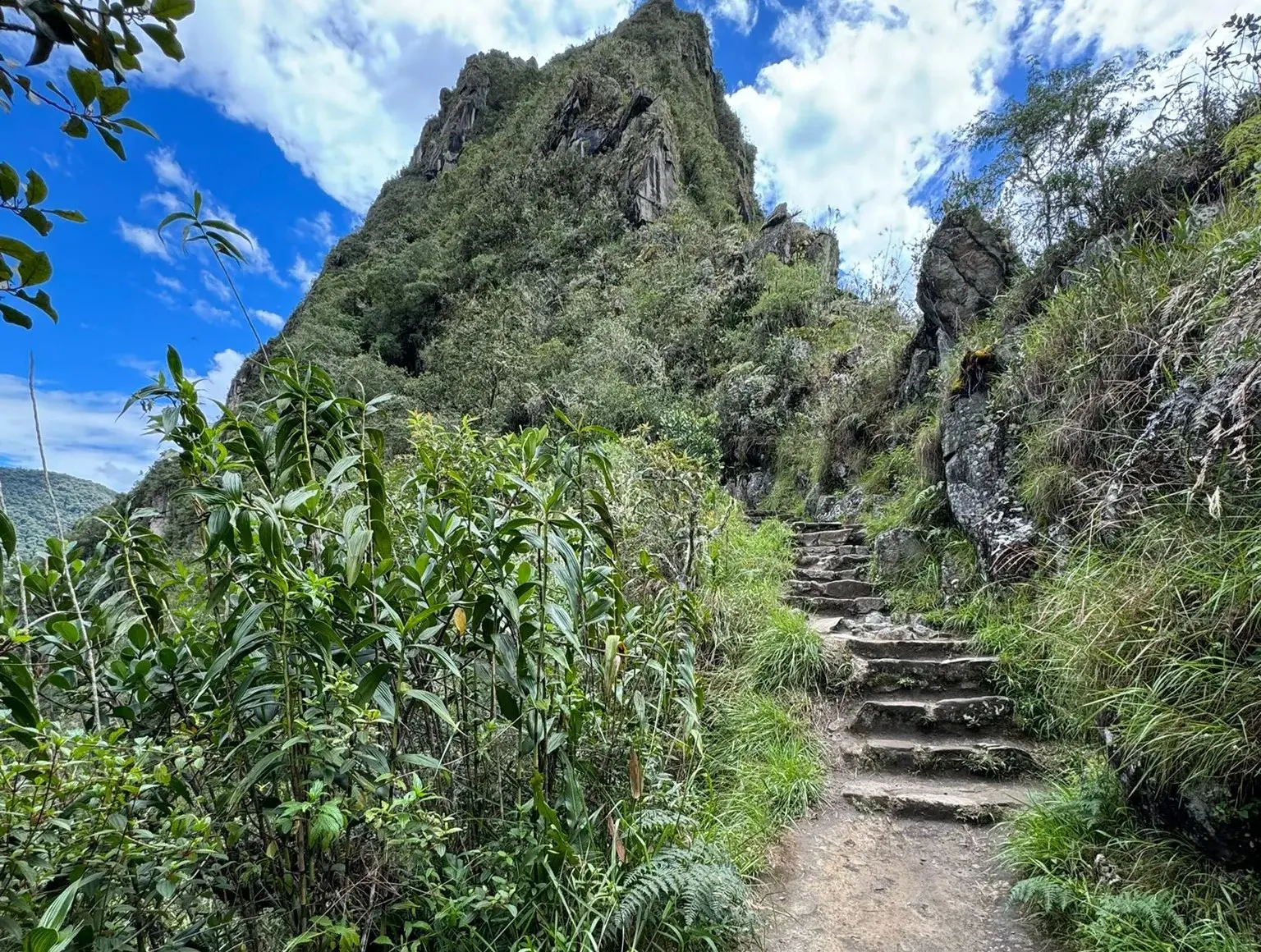
Embark on the Inca Trail 4 Days to Machu Picchu, a journey along an original Inca pathway spanning 43 km (27 miles), starting at Km 82. This classic trek winds through deep valleys, high Andean passes, cloud forests, and areas of unique endemic biodiversity, offering an unparalleled blend of nature, history, and adventure.
Hikers follow ancient stone paths built over 500 years ago, crossing stairways, terraces, and notable archaeological sites such as Llactapata, Sayacmarca, Phuyupatamarca, and Wiñay Wayna. This combination of Inca engineering, diverse ecosystems, and breathtaking scenery makes the Classic Inca Trail one of the world’s most iconic trekking experiences.
The most unforgettable moment comes on the final day, as you approach Machu Picchu through the Sun Gate (Inti Punku), witnessing the citadel at sunrise, just as the Incas did centuries ago. Many travelers describe this moment as the highlight of their entire trip to Peru.
If you are planning to hike the Classic Inca Trail, this guide will provide you with everything you need to know:
- A complete 4-day itinerary with a detailed day-by-day breakdown
- The true difficulty of the trail and recommended fitness levels
- Updated costs for 2026, including what’s included and optional extras
- How to secure Inca Trail permits months in advance before they sell out
- The best time to hike based on weather, seasons, and crowd levels
- Expert tips for preparation, from packing essentials to altitude acclimatization
This guide is designed to help you plan your trek with confidence, maximize your experience, and ensure that your journey on the Inca Trail 4 Days becomes truly unforgettable.
Check availability & book the Classic Inca Trail 4 Days tour here.
What is the Inca Trail 4 Days to Machu Picchu?
The Classic Inca Trail 4 Days to Machu Picchu is an original section of the ancient Inca road system, constructed over 500 years ago as part of the Qhapaq Ñan, a network that connected the Inca Empire.
This route covers about 43 kilometers (27 miles). It starts at Km 82 in the Sacred Valley and passes through valleys, high mountain passes, and cloud forests. Along the way, the trail links several archaeological sites that were once active Inca settlements used for farming, control, and ceremonies.
The Classic Inca Trail is unique because you are not just visiting ruins. You are walking along a path that was carefully designed and used for a purpose. Every staircase, stone path, and site along the way was part of a larger system that guided travelers to Machu Picchu.
Knowing this can change your whole experience. The Inca Trail is not only about reaching Machu Picchu. It is about following the same path the Incas once used, ending at the Sun Gate (Inti Punku), which was the original entrance to the citadel.
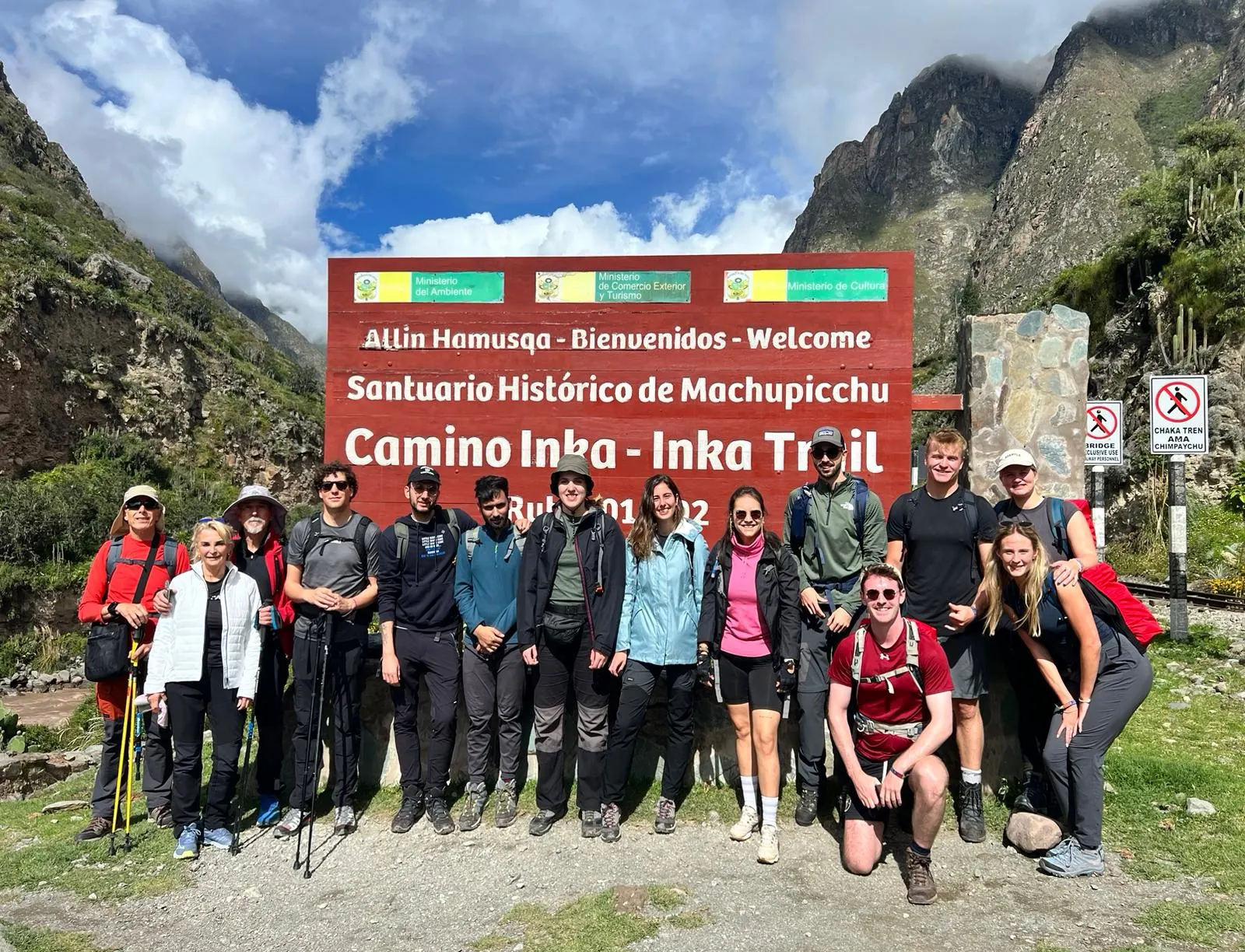
Overview of the Classic Inca Trail
The Classic Inca Trail 4 Days is one of the most famous and well-preserved parts of the ancient Inca Road system, called the Qhapaq Ñan. This huge network once linked the whole Inca Empire across South America. Today, this 43-45 km (26-28 miles) route is its most well-known and meaningful section.
The trail starts at Km 82 in the Sacred Valley near Ollantaytambo and takes hikers through a landscape that changes every day. Over four days, the route moves from dry valleys to high mountain passes and finally into green cloud forests as you get closer to Machu Picchu.
This trek is special because much of the original Inca stonework is still there. Hikers walk on the same paths built more than 500 years ago, including stone staircases, tunnels, and terraces that have lasted through the centuries.
Key characteristics of the Inca Trail:
- Total distance: 43 km (27 miles)
- Duration: 4 days / 3 nights
- Starting point: Km 82 (Sacred Valley)
- Maximum altitude: Dead Woman’s Pass (4,215 m / 13,828 ft)
- Ending point: Machu Picchu via the Sun Gate (Inti Punku)
What Makes This Trek Unique?
Unlike other routes to Machu Picchu, this trek is not only about reaching the end. It is about experiencing history along the way. The trail gives you special access to original Inca paths and archaeological sites that you cannot visit on your own.
A unique part of this experience is how history and nature blend together. As you hike, you pass through places that were once part of a living civilization, where every path and structure served a purpose.
What makes this trek stand out:
- Walk on original Inca stone roads
- Access to restricted archaeological sites
- Experience a gradual and immersive journey
- Enter Machu Picchu through the historic Sun Gate
- Limited permits mean the trail is less crowded and feels more authentic
Archaeological Sites Along the Route
The trail features numerous archaeological sites, each strategically built by the Incas for agricultural, ceremonial, or administrative purposes.
Many of these sites are accessible only to hikers on this route, offering a more exclusive and immersive experience than Machu Picchu alone.
Main archaeological sites include:
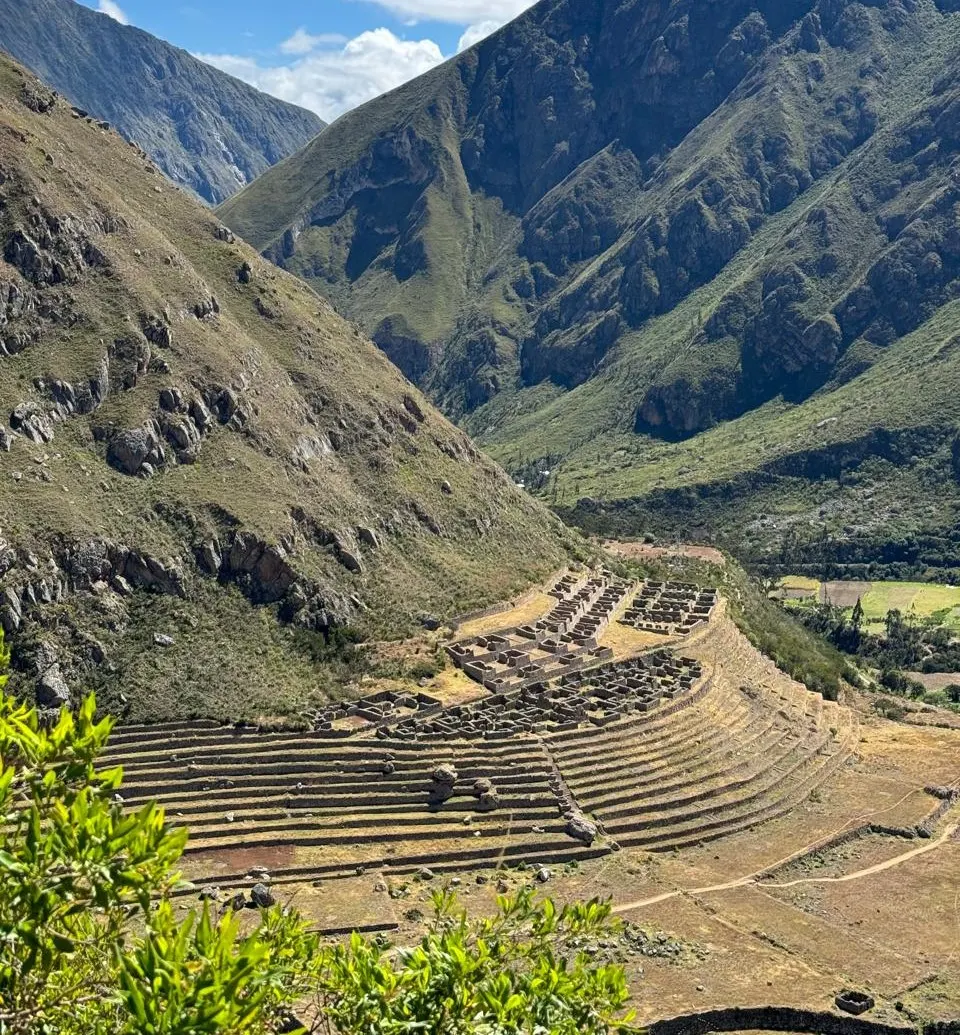
- Llactapata: an early agricultural and administrative center
- Runkurakay: a circular structure believed to be a control point
- Sayacmarca: a complex site perched on a mountain ridge
- Phuyupatamarca: known as the “City Above the Clouds.”
- Wiñay Wayna: one of the most impressive and well-preserved sites
Landscape, Ecosystems, and Biodiversity
The Inca Trail offers both cultural and natural experiences. Hikers encounter a diverse range of ecosystems, each with distinct climates, vegetation, and wildlife.
This diversity results from significant altitude changes along the route, which create multiple ecological zones within a short distance.
Ecosystems you will encounter:
- High Andean mountains with rugged terrain
- Cloud forests with dense vegetation and mist
- Subtropical zones near Machu Picchu
Biodiversity highlights:
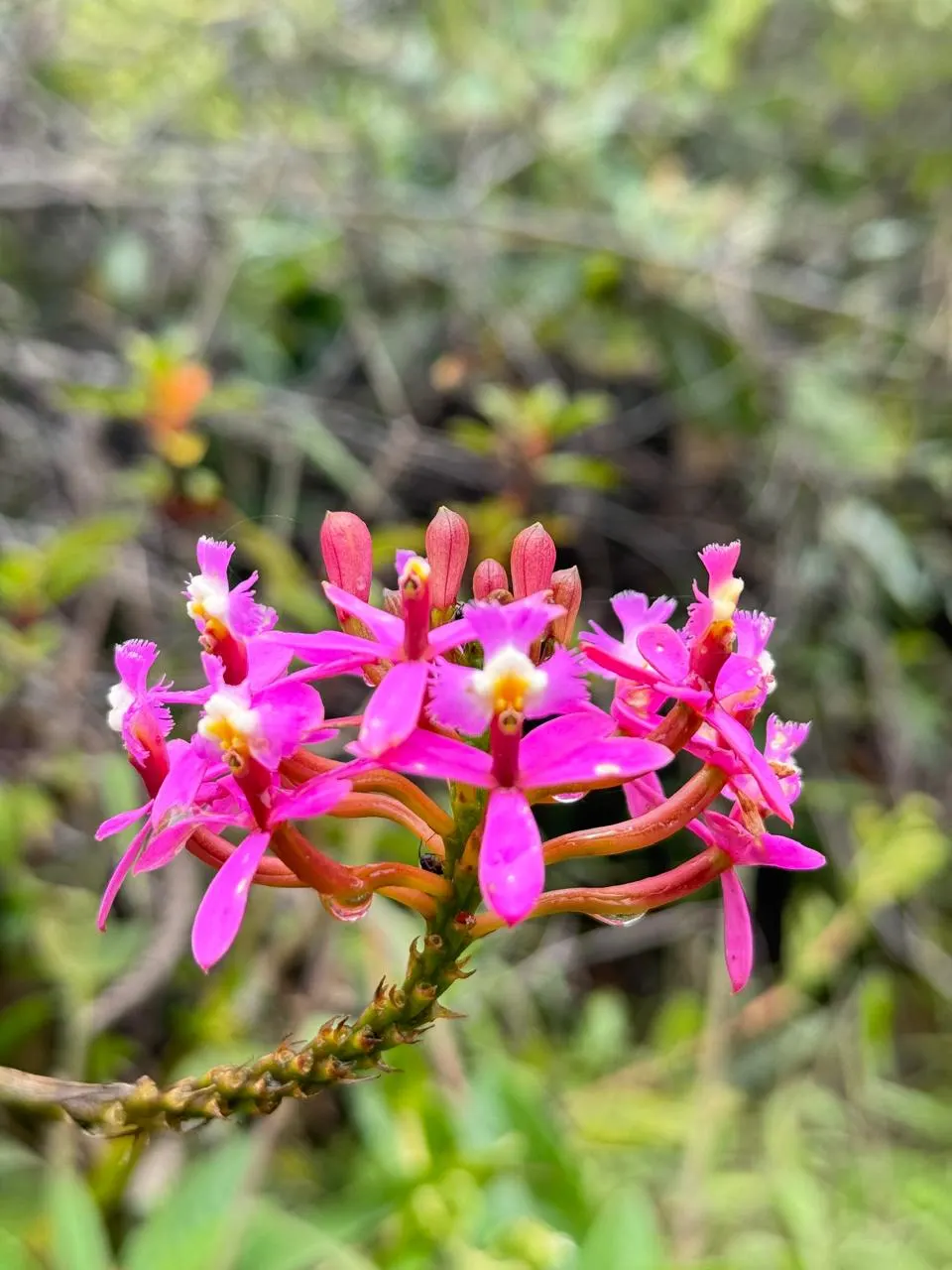
- Native orchids and exotic plants
- Bird species such as hummingbirds and Andean birds
- Unique endemic flora and fauna
Why the Inca Trail 4-Day Route is the Most Complete Experience
The Inca Trail 4-day trek is widely regarded as the most comprehensive way to experience the Inca Trail. It allows hikers to immerse themselves in the journey at a comfortable pace, balancing physical challenge with cultural exploration.
Each day offers a unique environment and varying levels of difficulty, making the experience dynamic and rewarding.
Why choose the Inca Trail 4-day trek:
- Full experience of the entire route
- Better acclimatization to altitude
- More time to explore archaeological sites
- Progressive and well-paced itinerary
Permit System and Controlled Access
To protect the trail and preserve its historical value, the Peruvian government strictly regulates access. A limited number of permits are issued daily, and all hikers must be accompanied by a licensed guide.
This system maintains the authenticity of the experience and prevents overcrowding.
Key regulations:
- Limited daily permits (500 per day) (sell out months in advance)
- Mandatory booking through authorized operators
- Licensed guides required
- Strict environmental protection rules
- February is closed due to the maintenance and rainy season.
The Final Arrival Through the Sun Gate
The most exciting part of the trek is reaching Machu Picchu at the end. On the fourth day, hikers arrive at the Sun Gate, which was the original entrance the Incas used.
From here, you get your first wide view of Machu Picchu, often as the sun rises. It's one of the most unforgettable moments of the trek.
Why this moment is unique:
- First view of Machu Picchu from above
- Arrival on foot through a historic route
- Experience not available on other treks
- Emotional and rewarding finale
Who Discovered the Inca Trail?
Although the Incas built the trail over 500 years ago, it remained largely unknown outside the region until the early 20th century. The route gained international recognition after American explorer Hiram Bingham led an expedition in 1911.
Bingham arrived in Cusco in July 1911 and, guided by local farmers and indigenous communities, began exploring the Urubamba Valley for ancient Inca sites. On July 24, 1911, he reached Machu Picchu, which was then largely overgrown. However, he did not truly “discover” it, as local people already lived in the area and knew of the site.
Unlike modern trekkers, Bingham did not follow the current 4-day Classic Inca Trail. He approached Machu Picchu from the valley floor, ascending through what is now Aguas Calientes. The route visitors hike today was later reconstructed and popularized using sections of the original Inca road system (Qhapaq Ñan).
Bingham returned to the region several times in the following years to conduct further expeditions and archaeological studies. His work brought global attention to Machu Picchu and the Inca trails, leading to their protection and recognition.
Key historical facts:
- Expedition year: 1911
- Arrival date at Machu Picchu: July 24, 1911
- Explorer: Hiram Bingham
- Guided by: local farmers from the region
- Original access route: via the Urubamba Valley (not the modern trail)
Why Choose the Classic Inca Trail Over Other Treks?
There are many treks to Machu Picchu, but the Classic Inca Trail 4 Days stands out for its unique mix of history, culture, and natural beauty that other routes just can’t match.
Here, you’ll see how the Inca Trail compares to other popular treks, what makes it special, and why so many people choose this famous route, even though it can be tough.
Classic Inca Trail vs Salkantay Trek
Both trails reach Machu Picchu, but the experiences are quite different:
Inca Trail 4 Days:
- The trail takes you past ancient Inca ruins such as Runkuracay and Wiñaywayna.
- You’ll face moderate to challenging climbs at high altitude, including the famous Dead Woman’s Pass.
- The journey ends with a sunrise arrival at the Sun Gate, following a historic Inca path.
Salkantay Trek:
- The trek typically takes 5 to 7 days and includes high-altitude passes reaching up to 4,650 meters
- People know the Salkantay Trek for its stunning views of mountains and glaciers.
- Most people arrive at Machu Picchu by train or bus instead of walking the original Inca trail.
Choose the Inca Trail for history, archaeology, and the original route. Salkantay is best for adventure, mountain scenery, and solitude.
Classic Inca Trail vs Lares Trek
The Lares Trek focuses on cultural immersion in Andean villages rather than Inca ruins:
Inca Trail 4 Days:
- The Inca Trail highlights several archaeological sites along the route.
- The trail is moderately challenging, with some steep climbs and descents.
- You finish the trek at the famous Sun Gate.
Lares Trek:
- The Lares Trek lets you meet local communities and see traditional weaving and farming.
- This trek is moderately difficult and less steep than the Inca Trail.
- You arrive at Machu Picchu by train and bus at the end.
The Inca Trail is famous for its history, while the Lares Trek is quieter and gives you a deeper look at local culture.
Unique Advantage: Arrival Through Sun Gate
A highlight of the Inca Trail is entering Inti Punku, the Sun Gate, at sunrise.
- This experience offers the iconic, world-renowned first view of Machu Picchu.
- It also retraces the historic path taken by the Inca civilization 500 years ago.
- The Sun Gate provides exceptional photo opportunities and a memorable emotional experience.
Arrive early to witness the sunrise, and bring a snack and water to stay energized after the final ascent.
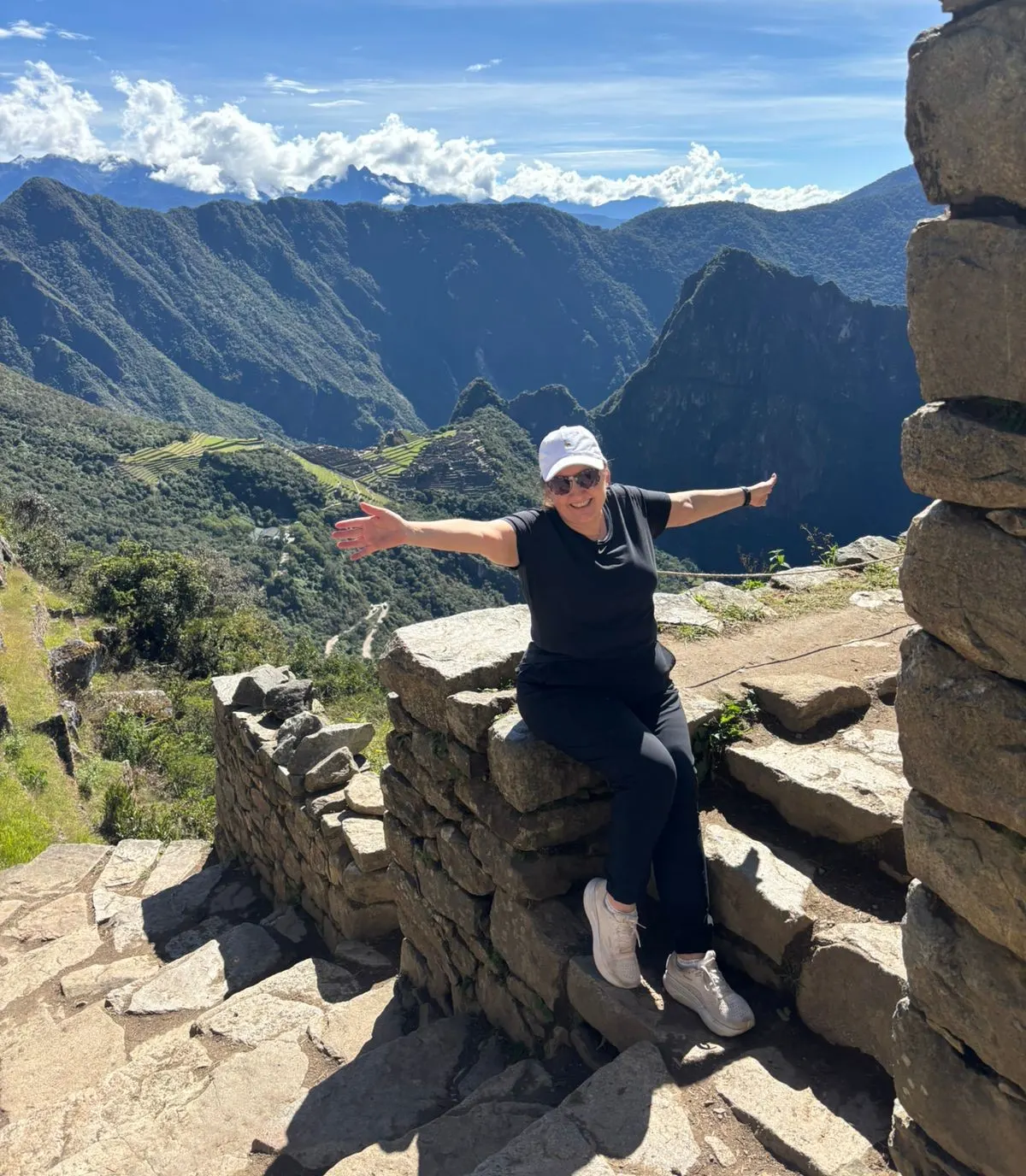
Scenic Diversity Comparison
The Inca Trail takes you through mountains, cloud forests, rivers, and valleys, giving you:
- High mountain passes with wide, sweeping views
- Lush cloud forests filled with unique plants and animals
- Rivers and waterfalls running through the lower valleys
- A variety of landscapes you won’t find on Salkantay or Lares in the same distance
Cultural vs Adventure Experience
- Inca Trail: Offers a strong historical and archaeological focus, combining moderate to challenging adventure with cultural learning.
- Salkantay and Lares: Salkantay emphasizes adventure, while Lares highlights local community engagement. Both provide less access to original Inca engineering and ruins.
The Classic Inca Trail stands out by combining archaeology, adventure, and historical context, making it a sought-after experience for many travelers.
Classic Inca Trail 4 Days Itinerary (Complete Day-by-Day Breakdown)
The Inca Trail 4 Days itinerary offers more than a hiking plan. It is a physical and cultural journey through one of the Andes' most historic routes. Each day brings new challenges, from gradual starts in the Sacred Valley to high-altitude climbs and some of Peru’s most scenic landscapes.
Understanding the daily experience is essential. Success depends not only on distance or duration, but also on how your body adapts to altitude, changing terrain, and the progression toward Machu Picchu.
Day 1: Cusco | Km 82 to Wayllabamba
Most organized tours and licensed operators depart Cusco early, typically between 4:30 and 5:00 AM, traveling to the Sacred Valley and the trail’s starting point at Km 82. This schedule allows hikers to begin in cooler conditions and avoid midday sun.
After passing the official checkpoint and presenting permits and passports, the trek follows the Urubamba River. The terrain is gradual, but altitude and continuous walking make this stage important for acclimatization.
Deeper into the valley, the Inca Trail’s distinct features emerge. Dry Andean valleys, steep mountains, and agricultural terraces still used by local communities define the landscape. Days are generally warm, especially under direct sun, while temperatures drop in the late afternoon.
Along the trail, native vegetation such as cacti, shrubs, and Andean grasses becomes visible. Birdlife includes small Andean species and occasional hawks. This ecological transition introduces the diversity found throughout the route.
A highlight of the day is visiting Llactapata, an archaeological site that provides an early insight into Inca agricultural and strategic planning. The trail then continues to Wayllabamba, the first campsite.
The first day is often underestimated but is crucial for preparing both body and mind for the more demanding stages ahead.
Key Details:
- Departure from Cusco: 4:30 to 5:00 AM
- Distance: 12 km (7.5 miles)
- Hiking time: 5–6 hours
- Difficulty: Moderate; acclimatization required
- Climate: Warm days, cool evenings
- Flora: Cactus, Andean shrubs, native grasses. Orchids
- Fauna: Andean birds, hawks
- First site: Llactapata
- Campsite: Wayllabamba (3,000 m / 9,842 ft)
Day 2: Wayllabamba to Pacaymayo (Dead Woman’s Pass)
Day 2 of the Inca Trail is considered the most challenging stage of the trek. Unlike Day 1’s gradual terrain, this segment features a continuous, steep ascent to Dead Woman’s Pass (Warmiwañusca) at 4,215 meters (13,828 ft).
The day begins early, around 5:30 to 6:00 AM, as hikers prepare for a long, demanding climb. The trail ascends immediately from camp through the narrow Wayllabamba valley, becoming progressively steeper and more rugged.
As altitude increases, the environment shifts noticeably. Vegetation thins, transitioning from green valleys to high Andean ecosystems with ichu grass and alpine plants. The thinner air makes movement more strenuous, and symptoms such as shortness of breath and fatigue are common.
The final ascent to Dead Woman’s Pass is the most difficult section. This stretch consists of steep, uneven stone steps, often called “Inca stairs,” which can seem endless. The altitude and incline make this a significant physical challenge.
Reaching the summit is among the most rewarding moments of the trek. The top offers panoramic views of the Andes, with valleys and peaks in every direction. This sense of achievement often stays with hikers long after the journey ends.
After a brief rest at the summit, the trail descends steeply toward Pacaymayo, the second campsite. The descent is demanding on the knees, so careful footing is important.
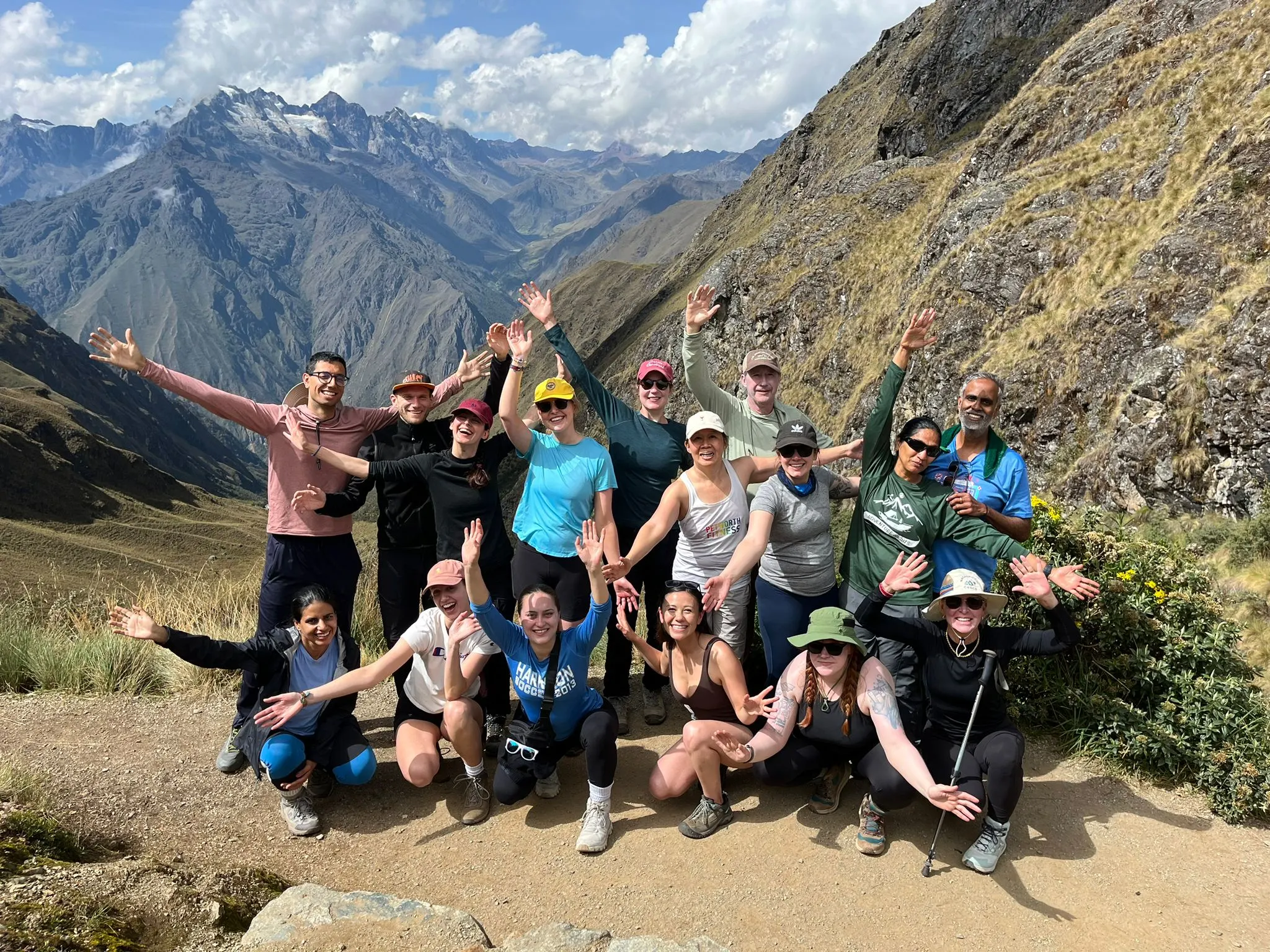
Key Information
- Start time: around 5:30–6:00 AM
- Distance: 10 km (6.2 miles)
- Hiking time: 7–8 hours
- Difficulty: Challenging; this is the most difficult day of the trek.
- Highest point: Dead Woman’s Pass – 4,215 m (13,828 ft)
Trail Conditions
- Long and continuous uphill ascent
- Steep Inca stone steps
- Thin air due to high altitude
- Steep descent after the pass
Environment and Ecosystem
- Transition to high Andean landscape
- Dominant vegetation: ichu grass and alpine plants
- Temperatures are cooler, particularly at higher elevations.
- Fog, wind, or sudden weather changes may occur.
Physical and Mental Challenges
- Altitude has a significant impact.
- Steady pacing and endurance are required.
- Mental resilience is essential for reaching the summit.
- This is the most demanding day of the trek.
Day 3: Pacaymayo to Wiñay Wayna
Following the previous day's physical challenge, Day 3 of the Inca Trail provides a different experience. It combines moderate effort with some of the route's most impressive scenery and archaeological sites.
The day usually begins around 6:00 AM with a steady ascent to Runkurakay, a circular structure thought to have served as a control or resting point along the Inca road system. The trail then continues uphill to the second pass at approximately 3,950 meters (12,959 ft).
After crossing the pass, the trail descends along well-preserved Inca stone pathways. Soon after, you reach Sayacmarca, an impressive site built on a narrow ridge overlooking deep valleys. Its strategic location and intricate stonework highlight Inca engineering and provide one of the day's first panoramic viewpoints.
As you continue, the environment changes dramatically. The dry mountain landscape gives way to a lush cloud forest, with higher humidity, dense vegetation, and a noticeable drop in temperature. This section is rich in biodiversity, featuring orchids, moss-covered trees, and diverse birdlife along the path.
Further along, you reach Phuyupatamarca, known as the “City Above the Clouds.” This is one of the trek's most scenic points, often shrouded in mist and offering expansive views of the surrounding valleys. The site includes terraces, water channels, and ceremonial structures that demonstrate the sophistication of Inca architecture.
From here, the trail descends mostly downhill along a series of stone staircases toward the final campsite. This section can be physically demanding on the knees, especially after several hours of hiking.
The day concludes at Wiñay Wayna, one of the most impressive and well-preserved archaeological sites on the Inca Trail. Built into a steep mountainside, its agricultural terraces and ceremonial areas provide insight into Inca life and engineering.
Day 3 is often considered the most complete day of the trek, combining history, landscape, biodiversity, and a clear sense of progress toward Machu Picchu.
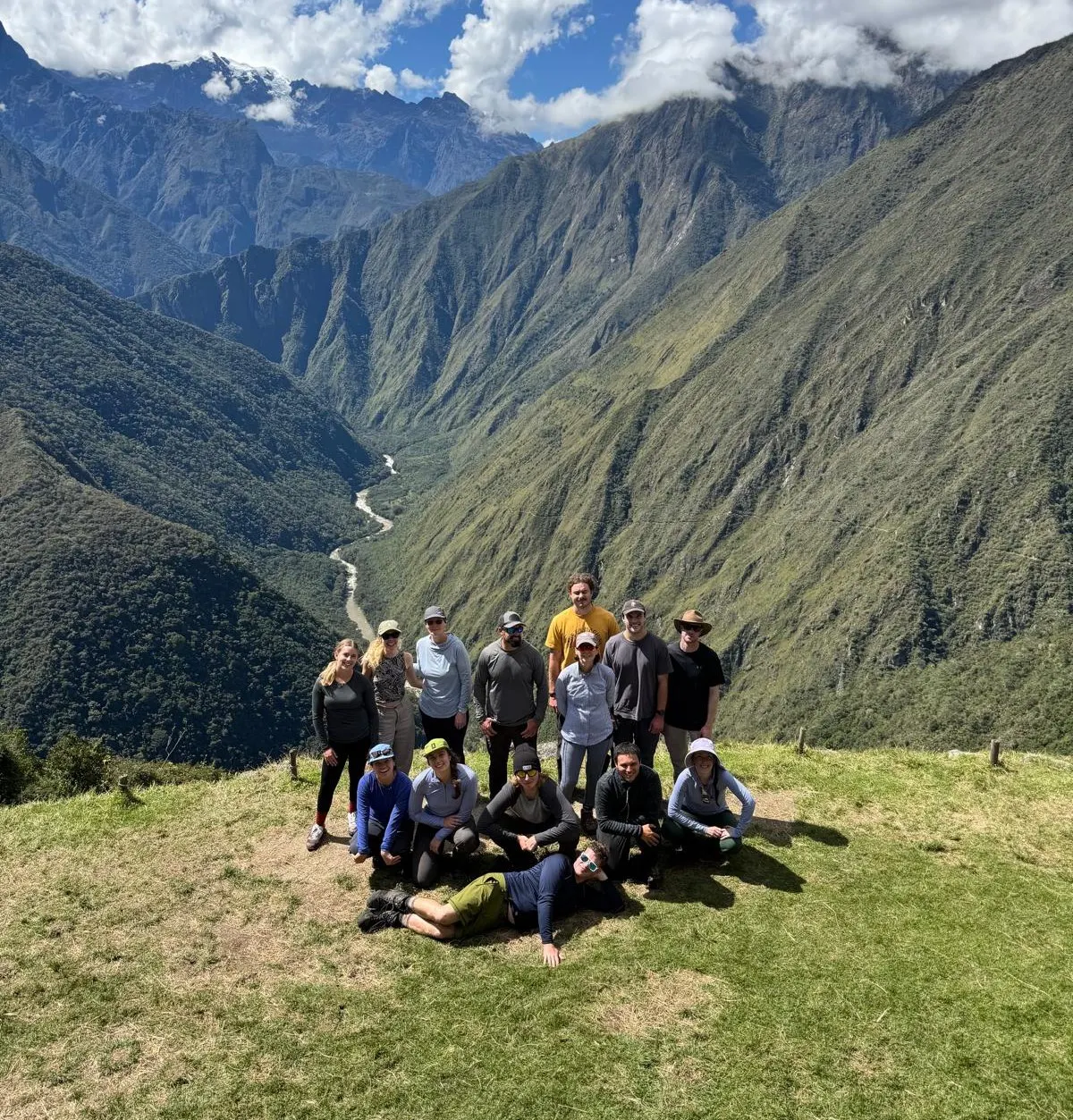
Key Details:
- Start time: 6:00 AM
- Distance: 16 km (10 miles)
- Hiking time: 8–9 hours
- Difficulty: Moderate. The route is long but rewarding.
- Second pass: 3,950 m (12,959 ft)
- Campsite: Wiñay Wayna (2,650 m / 8,694 ft)
Trail Conditions:
- The trail features a combination of ascents and extended descents.
- Sections include well-preserved Inca stone paths.
- Some portions consist of narrow mountain trails.
- There are also long staircases, particularly in the downhill sections.
Environment and ecosystem:
- The trail transitions from the high Andes to the cloud forest.
- Humidity increases and temperatures become cooler.
- The area features dense vegetation and misty landscapes.
- This is considered one of the most scenic sections of the trail.
Key flora and fauna:
- Orchids and native plant species
- Ferns, bromeliads, and trees covered in moss
- Hummingbirds and other Andean bird species
- Butterflies and small wildlife
Key archaeological sites, listed in order:
- Runkurakay
- Sayacmarca
- Phuyupatamarca
- Intipáta
- Wiñay Wayna
Day 4: Wiñay Wayna to Machu Picchu (Sun Gate)
The final day of the Inca Trail starts early, usually between 3:30 and 4:00 AM, as hikers prepare for the last segment. After a quick breakfast, groups line up at the final checkpoint, which opens at 5:30 AM, to continue toward Machu Picchu.
Hiking in the early morning darkness, often with headlamps, creates a unique and ceremonial atmosphere. The narrow trail features gentle ascents, flat sections, and occasional short, steep climbs.
One of the most challenging sections is the “Monkey Steps,” a steep set of stone stairs that sometimes require the use of both hands. Although brief, this climb is physically demanding, especially after several days of trekking.
Anticipation builds as you approach the final stretch. After about 1 to 2 hours of hiking, you reach Inti Punku (Sun Gate), the original Inca entrance.
From here, you see your first panoramic view of Machu Picchu, often as morning light illuminates the citadel. This moment is considered the highlight of the trek, both for the view and for completing the journey on foot as it was done centuries ago.
From the Sun Gate, the trail descends gradually toward Machu Picchu. Entering the citadel on foot after four days of hiking offers an experience that feels earned, immersive, and deeply rewarding compared to arriving by train.
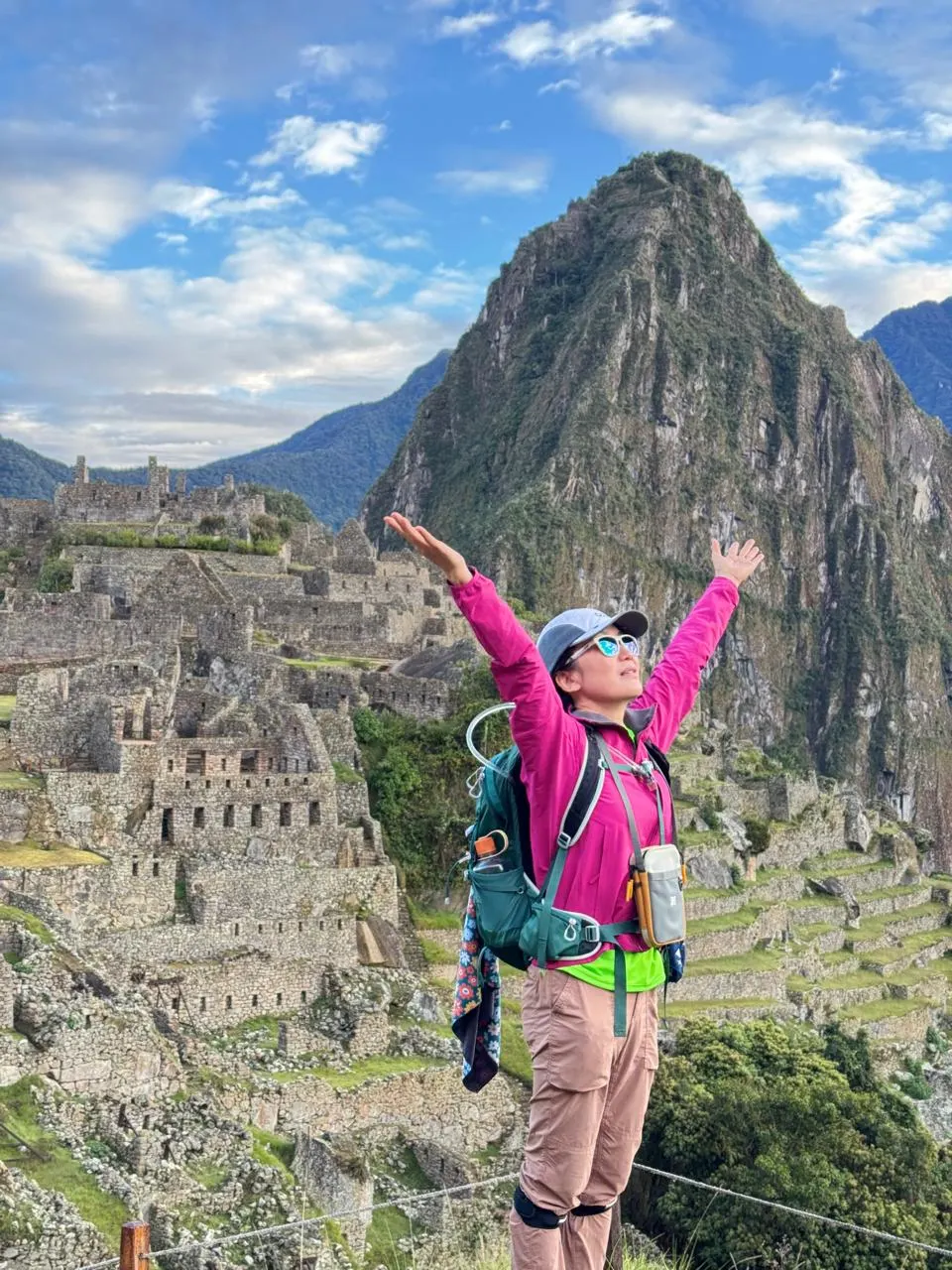
Key Details
- Wake-up time is approximately 3:30 to 4:00 AM.
- The checkpoint opens at approximately 5:30 AM.
- The distance is approximately 5 kilometers, or 3 miles.
- The hike typically takes 2 to 3 hours.
- The difficulty level ranges from easy to moderate.
- A key highlight is the first view from the Sun Gate.
Trail Conditions
- The hike begins early in the morning, often in low-light conditions.
- The trail includes narrow paths and several steep sections.
- There are short, challenging stone staircases known as Monkey Steps.
- The route concludes with a gradual descent toward Machu Picchu.
Environment and atmosphere
- Early mornings are typically cool and humid.
- Mist and clouds are common near the Sun Gate.
- Sunrise illuminates the mountains and citadel.
- The atmosphere is quiet and reflective before arrival.
Summary of the final experience
- Enjoy the first panoramic view of Machu Picchu.
- Arrive on foot through the original Inca entrance.
- Experience a strong sense of accomplishment upon completing the trek.
- This is a unique experience not available on alternative routes.
Classic Inca Trail Distance, Altitude & Route Map
The Classic Inca Trail 4 Days / 3 nights is more than a hike; it is a journey along one of the world’s most iconic trekking routes, featuring steep mountain passes, ancient Inca ruins, lush cloud forests, and scenic river valleys. Understanding the distance, altitude, and trail layout is essential for physical preparation, effective pacing, and a safe, enjoyable trek.
This guide breaks down the distance, elevation, terrain, and includes maps to help you get ready for the trail. With these details, you can plan for challenges, schedule your breaks, and enjoy the journey to the Sun Gate of Machu Picchu, just like the Incas did centuries ago.
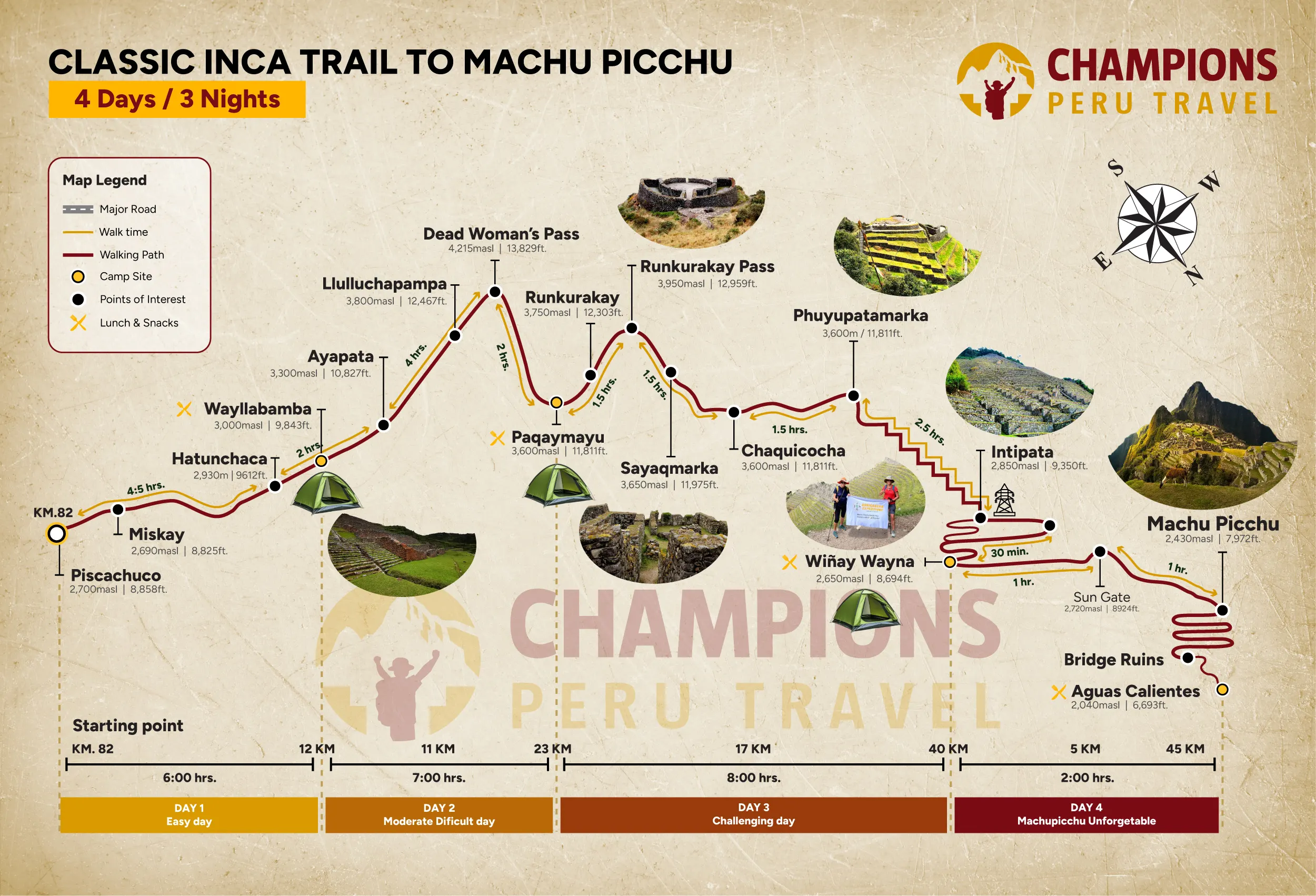
Total Distance of the Inca Trail
The classic Inca Trail covers about 43 kilometers, or 27 miles, beginning at kilometer 82 on the Cusco to Machu Picchu railway.
Key Insights:
- Each day combines hiking with visits to archaeological sites such as Runkuracay, Sayacmarca, Phuyupatamarca, and Wiñaywayna.
- The trail offers both gentle valley walks and demanding mountain ascents.
- Completing the trek in four days gives you time for endurance, exploring, and taking breaks.
Even though the total distance might look easy, Days 2 and 3 have the toughest climbs. Be sure to pace yourself and prepare physically.
Altitude Profile Breakdown
Altitude is the primary factor affecting trek difficulty. The route starts at 2,600 m (8,530 ft), ascends to 4,215 m (13,828 ft) at Dead Woman’s Pass, and descends to Machu Picchu at 2,430 m (7,972 ft).
Elevation by Day:
Day 1: Start at 2,600 meters and climb to 3,200 meters. The climb is moderate, and this is when you begin to acclimatize.
Day 2: Hike from 3,200 meters up to 4,215 meters at Dead Woman’s Pass, the toughest part of the trek, then descend to 3,600 meters.
Day 3: Walk from 3,600 meters down to 2,650 meters along rolling paths, passing several archaeological sites.
Day 4: Descend from 2,650 meters to 2,430 meters and finish at Machu Picchu.
Recommendation: Spend 1–2 days in Cusco before trekking to acclimatize and reduce the risk of altitude sickness.
Terrain and Trail Conditions
The trail includes different types of terrain, which can affect how hard the hike feels and how fast you can go.
- Stone stairways: Steep and uneven, particularly near high passes.
- Earth trails and dirt paths: Predominant in valley sections.
- Narrow mountain paths: Require careful footing, especially in wet conditions.
- Rivers and suspension bridges: Crossings occur on Days 1 and 3.
Use trekking poles and sturdy boots to navigate uneven terrain safely and minimize strain on knees and joints.
Classic Inca Trail Map: Overview and Tips
Before you start, take time to look over a detailed map of the Inca Trail.
- The trail begins at kilometer 82.
- You’ll pass several important archaeological sites along the way.
- Maps show where you’ll camp each night and the distances between stops.
- Pay attention to elevation changes and the high mountain passes you’ll cross.
Looking over the map helps you picture the trek, prepare for steep sections, and plan when to rest and hydrate.
Elevation Gain Per Day
Knowing how much you’ll climb each day helps you get ready both physically and mentally.
Day 1: Climb 600 meters. The trail is moderate with a steady, gradual ascent.
Day 2: Gain 1,015 meters, then descend 615 meters. This is the hardest day, as you cross Dead Woman’s Pass.
Day 3: Climb 200 meters and descend 1,150 meters. The route has rolling hills and passes several ruins.
Day 4: Descend 220 meters to reach Machu Picchu. This is the final stretch down.
By keeping track of elevation changes, you can pace yourself, remember to drink water, and save energy for the hardest parts.
How Difficult is the Inca Trail 4 Days?
The Inca Trail 4 Days to Machu Picchu is challenging but achievable. While some travelers call it “moderate,” the actual difficulty depends on your preparation, fitness, and ability to adapt to high altitude. The route includes steep climbs, long descents, uneven stone paths, and several days of hiking, making it both physically and mentally demanding.
Understanding the difficulty before booking is essential. This helps ensure your safety and allows you to fully enjoy the scenery and archaeological sites.
Is the Inca Trail 4 Days Hard?
Yes, the Inca Trail 4 Days is challenging. Experienced hikers may find it moderate, but first-time or intermediate trekkers will likely find it demanding, particularly from Day 2 to Machu Picchu. The route features steep ascents and descents, many stone steps, and uneven paths, making it both physically and mentally demanding.
Key factors that make it demanding:
- High altitude, reaching up to 4,215 meters (13,828 feet) at Dead Woman’s Pass
- Long daily hikes covering 10 to 16 kilometers on varied terrain
- Steep ascents and descents, including uneven Inca stone steps
- Limited recovery time between hiking days
- Variable trail conditions, such as mud, narrow paths, and stone staircases
Even physically fit travelers may experience fatigue, shortness of breath, or mild headaches. Proper preparation, pacing, and acclimatization are essential for a comfortable trek. Spending two to three days in Cusco or the Sacred Valley beforehand can significantly improve your experience
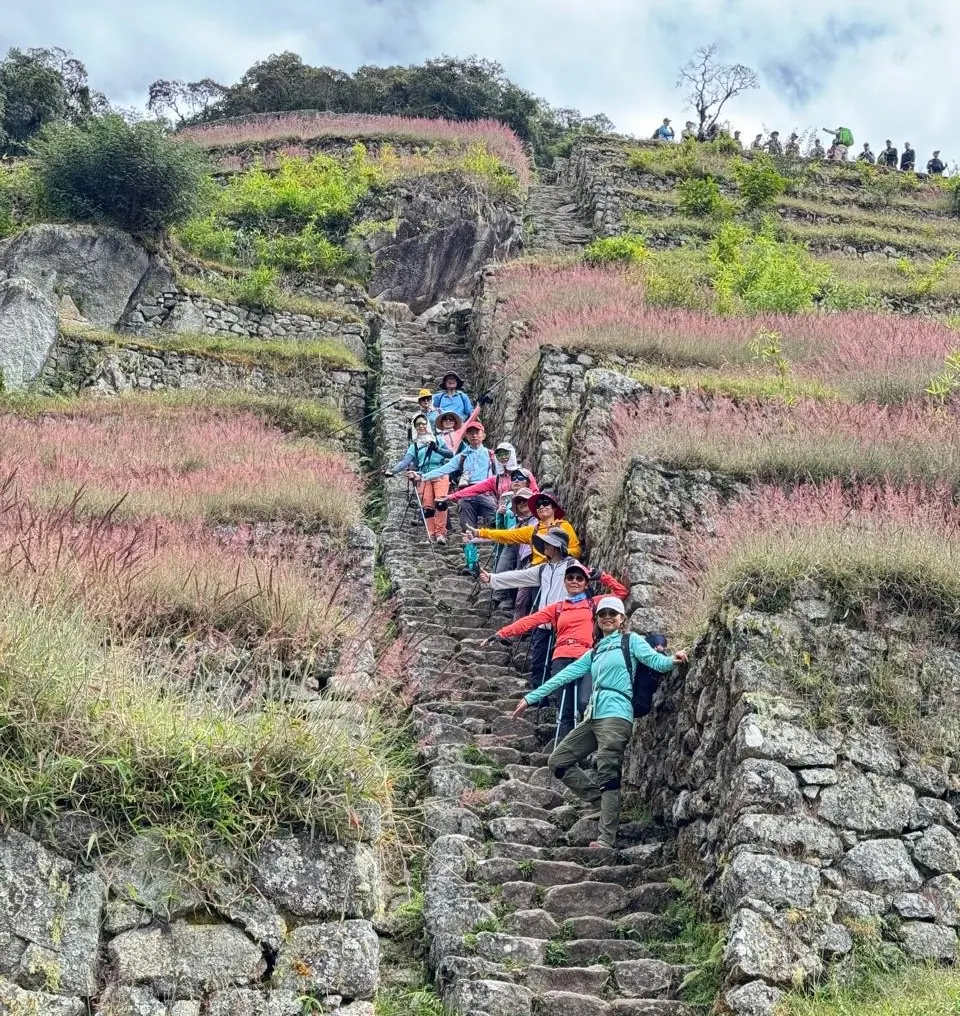
The Role of Altitude on the Inca Trail
Altitude is often underestimated as a factor influencing the difficulty of the Inca Trail. Even well-conditioned trekkers may experience fatigue, shortness of breath, or mild headaches at higher elevations.
- Dead Woman’s Pass, at 4,215 meters (13,828 feet), is the highest point on the Inca trail, where oxygen levels are approximately 60 percent of those at sea level.
- On Day 3, the trail descends into the cloud forest. Although the altitude decreases, increased humidity can still challenge endurance.
Altitude affects hikers in different ways. Some may feel strong, while others experience dizziness or fatigue. For this reason, maintaining a steady pace is more important than speed. Most beginners struggle due to altitude rather than distance.
Common effects of altitude:
- Shortness of breath
- Faster fatigue
- Headaches
- Lower energy levels
Tips for managing altitude:
Stay hydrated, move at a slow and steady pace, and allow time for acclimatization. Spending at least two to three days in Cusco or the Sacred Valley can significantly reduce symptoms and enhance your trek.
Which Day is the Hardest?
Day 2 is widely considered the most challenging part of the Inca Trail, as the ascent to Dead Woman’s Pass tests both physical and mental endurance.
At this point, altitude, steep terrain, and distance make this the trek’s most demanding segment.
Day 2 is considered the ultimate test on the Inca Trail for the following reasons:
- Expect a steep, continuous ascent to Dead Woman’s Pass.
- The route reaches a high altitude of 4,215 meters (13,828 feet).
- Hiking this section typically takes 4 to 5 hours.
- The uneven Inca stone steps require endurance and careful footing.
While some guides describe this day as “moderate,” hikers often find it to be a significant endurance challenge. The trail is primarily uphill with continuous uneven stone steps. Completing Day 2 builds confidence and prepares trekkers for the days ahead, making the experience both rewarding and memorable.
Do You Need to be fit for the Inca Trail?
While you do not need to be an athlete, a basic level of fitness is necessary. The trek requires:
- Walk 10 to 16 kilometers daily on uneven terrain.
- Navigate both uphill and downhill sections.
- Sustain endurance over multiple days without full recovery.
Fitness involves more than leg strength; cardiovascular endurance and core stability are equally important. Many hikers underestimate the strain downhill sections place on knees and ankles.
Recommended preparation:
- Engage in regular hikes or extended walks.
- Incorporate cardiovascular activities such as running or cycling.
- Focus on strengthening your legs.
- Practice hiking on uneven terrain to become familiar with trail conditions.
People who train and get used to the conditions ahead of time often feel less tired and enjoy the scenery and historical sites along the trail even more.
Can Beginners hike the Inca Trail?
Yes, beginners can complete the Inca Trail with proper preparation and by maintaining a steady pace.
Common mistakes among beginners include:
- Underestimating the effects of altitude
- Ascending too quickly
- Failing to maintain a consistent pace throughout the four-day trek
Tips for beginners:
- Maintain a comfortable pace, particularly on steep sections.
- Take regular breaks to conserve energy.
- Stay hydrated
- Pay attention to your body and avoid exceeding your comfort level.
- Use trekking poles, especially when descending.
Success depends on strategy, not speed. Walk at your own pace, take regular breaks, stay hydrated, and pay attention to your body. First-time hikers who follow these guidelines often find the trek life-changing rather than exhausting.
Beginners should train, acclimatize, and prepare mentally. The trail is challenging but highly rewarding when approached with proper preparation.
Real Experience vs Expectation
Many travelers anticipate that the Inca Trail will be an easy, scenic walk. However, it demands endurance, patience, and mental resilience.
• Uphill sections are a necessary part of the trail.
• Day 2 is particularly demanding, both physically and mentally.
• Altitude impacts each hiker differently.
This challenge makes the trek unforgettable. Those who prepare and set realistic expectations benefit from the experience.
• Arriving at Machu Picchu on foot requires significant effort.
• The trail holds considerable historical and cultural significance.
• The route features breathtaking scenery throughout the journey.
With proper preparation, pacing, and acclimatization, the Inca Trail 4 Days offers a rewarding journey that combines challenge, adventure, and historical discovery.
Classic Inca Trail 4 Days Cost (2026 Prices Explained)
Planning your Machu Picchu 4 Days trek involves more than booking a trip. You need to understand all associated costs, including permits, guides, transportation, and optional extras. With 2026 price changes, a detailed cost breakdown helps you budget accurately, avoid unexpected expenses, and make informed choices.
This section provides a clear overview of Inca Trail costs, including mandatory fees, optional services, and current prices from leading operators. You will know what to expect before beginning this iconic journey.
Permits and Mandatory Entry Fees
The Peruvian government strictly regulates the Inca Trail. Trekkers must book in advance through a local tour operator, who will secure the required permits.
- Trail Permit 2026: 292 Peruvian soles per person ($90 per person).
- Machu Picchu entry fee: 152 Peruvian soles ($45 USD). This additional fee applies starting in 2026.
Permits are limited and often sell out fast, especially from May to September. Booking early helps you secure your spot and enjoy a hassle-free trek.
Tips for travelers:
- Reserve your permit at least 5 to 6 months in advance, especially for travel between May and July.
- Book your trek only through authorized operators.
- Stay away from last-minute offers or deals that seem suspicious.
These fees are mandatory and non-negotiable. Failing to pay them is illegal and may result in being barred from the trail.
Guide, Porter, and Staff Costs
A licensed guide is required for all tours. Most packages also include porters and cooks, which are highly recommended for your comfort and safety.
- Guide fees are typically included in most packages. The average salary for tour guides ranges from $70 to $80 USD per day, depending on their experience and English proficiency.
- Porter fees are usually included in most packages. According to the latest regulations, porters receive a minimum of 400 soles per trip. Most tour operators pay between 400 and 550 soles per trip.
- Tips for staff are not included in tour packages. On the Inca Trail, it is customary for groups to thank their porters and chef on the third evening after dinner. Groups typically pool tips, giving around 80 to 100 soles to each porter and about double that amount to the chef. Guides also receive a personal tip. Bringing approximately 500 soles per hiker is recommended to cover tips and additional expenses. Tips can be given in soles or USD.
Why it matters:
- Guides offer historical and cultural insights while ensuring the group receives proper direction.
- Porters transport all camping equipment and meals, allowing you to enjoy a more comfortable trek.
- Cooks prepare meals along the trail to maintain energy levels and accommodate any dietary restrictions.
Selecting a tour with guides and porters is a valuable investment for both safety and overall experience.
Inca Trail 4-Day Tour Pricing by Top 10 Operators for 2026
Here are the real prices for 2026 from the top Inca Trail tour operators to help you plan your trip.
IT Operator | Price USD | Includes | Notes |
| G Adenture | $929 | Guide, porter, meals, train, transportation | Regular Group Tour |
| Alpaca Expeditions | $830 | Guide, porter, meals, train, transportation | Popular choice |
| Qoricancha Expeditions | $820 | Guide, porter, meals, train, transportation, extra porter | Premium service- small group |
| Sam Travel | $787 | Guide, porter, meals, train, transportation | Regular Group Tour |
| AB Expeditions | $795 | Guide, porter, meals, train, transportation | Regular Group Tour |
| Champions Peru Travel | $820 | Guide, porter, meals, train, transportation, All Inclusive | High-end experience, Small group |
| Machu Picchu reservations | $650 | Guide, meals, train, transportation | Budget tour |
| Trexperience | $798 | Guide, porter, meals, train, transportation | Regular Group Tour |
| Llama Path | $850 | Guide, porter, meals, train, transportation | Regular Group Tour |
| Evolution treks | $990 | Guide, porter, meals, train, transportation | Premium Service |
These prices reflect expected 2026 rates and include required permits, guides, porters, and meals. Actual costs may vary depending on the season, inclusions, and tour type.
Optional Costs and Gear (Rentals and Upgrades)
Most Inca Trail tour operators provide optional rentals and upgrades for an additional fee. Confirm with your operator what is included and what requires extra payment. See the breakdown below:
Rentals:
- Sleeping bag rental costs between $15 and $25 USD.
- Trekking poles are available to rent for $15 to $20 USD.
- Air mattress rental is $15 to $20 USD.
- An extra porter for up to 8 kg costs $90 to $100 USD.
Optional Upgrades:
- Huayna Picchu Hike: This well-known mountain next to Machu Picchu is a favorite among hikers. The permit is $75 USD per person and should be booked at least 4 to 5 months ahead, since only 200 permits are available each day.
- Vistadome Train Upgrade: Most Inca Trail packages come with the standard expedition or tourist-class train. Many tour operators offer an upgrade to the Vistadome observatory train for $75 to $85 USD per person, which gives you panoramic views and a more comfortable ride.
Confirm with your tour operator which extras are included in your package and which require additional payment. Planning ahead helps prevent unexpected costs and ensures a smoother, more enjoyable trek.
How to Book the Inca Trail 4 days (Permits & Availability)
Booking the 4-day Inca Trail involves more than obtaining a permit. Careful planning is essential to enhance your experience, meet regulations, and ensure a safe, memorable trek.
Given high demand and strict regulations, it is important to understand the permit system, booking timeline, tour operator options, and legal requirements. This guide offers a step-by-step process, insider tips, and recommended operators for 2026.
Why Permits are Limited
The Inca Trail 4 Days to Machu Picchu runs through the Historic Sanctuary of Machu Picchu, a protected area managed by the Peruvian government. The Ministry of Culture and SERNANP (Servicio Nacional de Áreas Naturales Protegidas) oversee this national park. Their careful management helps protect the trail, its archaeological sites, and the natural environment, making sure both preservation and sustainable tourism are possible.
Here are the main reasons why permits are so limited:
1. Licensed Tour Operators
- Only companies with a license can run tours on the Inca Trail.
- To get a license, companies have to meet strict standards for safety, service, pay taxes and protecting the environment.
- This requirement ensures that only experienced and responsible operators guide trekkers, reducing risk and environmental impact.
2. Daily Permit Limits
- The Ministry of Culture issues a maximum of 500 permits per day, which includes guides and porters.
- This limit keeps the number of people on the trail manageable and helps protect the ruins, wildlife, and plants.
- The limit also preserves the quality of the trekking experience by preventing overcrowding on narrow paths.
3. Group Operation Rules
- Group sizes are regulated, and all groups must adhere to designated schedules and trail sections.
- Operators must maintain order, ensure campsites are clean, and respect cultural sites.
4. Conservation of Archaeological Sites & Nature
- The Inca Trail passes through many ancient ruins, some of which are over 500 years old.
- SERNANP monitors the trail for erosion, deforestation, and wildlife protection.
- Porters and trekkers must remove all trash, avoid harming flora, and comply with strict campsite regulations.
5. Porter Regulations
- Licensed operators provide porters with training, meals, and health insurance. Each porter may carry up to 20 kilograms for clients, plus approximately 5 kilograms of personal belongings.
- Government oversight helps maintain fair working conditions and minimizes the environmental impact of trekking.
The permit system supports tourism, cultural preservation, and environmental protection. Booking early with a licensed operator ensures regulatory compliance and a responsible trekking experience.
When to Book (Months Ahead)
Booking the 4-day Machu Picchu hike requires advance planning, as permits are strictly regulated by the Peruvian Ministry of Culture. Understanding the official timeline and seasons will help you secure your permit, choose preferred campsites, and avoid missing out.
Booking Information
1. Permit Release Schedule
- The Ministry of Culture releases Inca Trail permits every October for treks taking place from March 1st to January 31st of the following year.
- Licensed tour operators may purchase permits beginning in October for treks scheduled the following year.
- Please note that permits are non-transferable and non-refundable. Once purchased, the trek date cannot be changed.
2. Booking Window:
- Book 5 to 6 months in advance to increase your chances of securing your preferred dates and campsites.
- Booking early helps you secure top campsites like Wiñaywayna, which have better comfort and views.
3. Season Considerations:
- High Season (May to September): These are the most popular months, so permits sell out quickly. The weather is usually clear, but you need to book early.
- Low Season (February to March): This is the wet season, so there are fewer tourists and the trail can be muddy. However, it’s easier to find available permits.
- Shoulder Season (April and October): The weather is moderate and there are fewer crowds, but permits are still limited.
Select your trek dates carefully. Once permits are purchased by a licensed operator, they cannot be changed. Consider weather, crowd levels, and your personal schedule to ensure a smooth and enjoyable experience.
Choosing the Right Tour Operator
It’s important to choose a reliable, licensed tour operator because only authorized agencies can sell permits.
Here are some things to look for:
- Make sure the company is officially licensed and has experience with the Inca Trail.
- Look for packages that include permits, meals, porters, guides, and equipment.
- Smaller group sizes help prevent overcrowding on the trail.
- Check the company’s safety record and read customer reviews.
A reputable operator will offer valuable insights, such as acclimatization advice, recommendations for optional hikes, and guidance on necessary gear.
Top 6 Inca Trail Tour Companies & Operators (2026)
These operators are recommended for 2026 based on their experience, reliability, and quality of service:
- Champions Peru Travel: Recognized for excellent service, Small group, knowledgeable guides, and flexible itineraries. see their top reviews.
- Alpaca Expeditions: Noted for personalized tours and commitment to sustainability.
- Trexperience: Provides competitive packages, professional guides, and porter services.
- Qoricancha Expeditions: Delivers premium experiences, small group sizes, and access to exclusive campsites. read their excellent reviews
- Sam Travel: A reliable, established operator with strong customer support.
- Gadventures: Caters to adventure travelers and offers optional additional treks.
Contact several operators early, compare services, and confirm permit availability and package details.
Passport Requirements
- Bring your original passport, the same one used for your booking. If you have renewed your passport, please bring both the old and new passports.
- Your name must match exactly as it appears on your permit.
- Carry both physical and digital copies of your documents in a waterproof pouch.
Government Regulations
- Do not bring plastic, do not smoke, and camp only in approved areas.
- Respect archaeological sites and wildlife at all times.
- Follow the Inca Trail Code of Conduct to help protect the environment.
- Do not climb Inca walls.
- Do not remove plants or wildlife.
- Do not throw garbage
Availability Calendar
- Permits are released six months in advance through authorized operators.
- Permits for peak season are often booked within days, so please act quickly.
- The shoulder season offers more flexibility, but early booking is still recommended.
We recommend preparing alternative dates in case your preferred trek window is unavailable.
Best Time to Hike the Inca Trail 4 Days
Choosing the right time to hike the Classic Inca Trail 4 Days to Machu Picchu is essential for your safety, comfort, and overall experience. The trail passes through high altitudes, cloud forests, and exposed mountain passes, where weather can change quickly.
The Inca Trail is open year-round except in February. However, rainfall, temperature, trail conditions, and crowd levels vary by month, making some periods more favorable. Selecting the right season lets you enjoy the scenery, Inca ruins, and sunrise at Machu Picchu while minimizing risk.
Choosing the appropriate time also helps with acclimatization, energy management for challenging sections like Dead Woman’s Pass, and avoiding unnecessary strain. This is especially important for first-time or moderate-level trekkers.
This guide explains the dry season, wet season, and shoulder months, offering objective insights, real conditions, and practical tips to help you choose the timing that best fits your fitness, preferences, and expectations.
Dry Season (May – September = best season)
The dry season is the most popular time for trekking the Inca Trail because of stable weather and safer trail conditions, though demand is high.
Key Details:
- Weather: Mostly sunny, minimal rainfall
- Trail Conditions: Dry, firm, and easier to navigate
- Temperature: Daytime 12–24°C, nighttime 0–10°C at high passes
- Crowds: High; permits often sell out months in advance.
Pros:
- Clear skies provide exceptional panoramic views of mountains, valleys, and cloud forests.
- Steep sections, such as Dead Woman’s Pass, are easier to hike.
- Conditions are ideal for photography and viewing the sunrise at Machu Picchu.
Cons:
- There is significant tourist traffic along the trail and at Machu Picchu.
- Tour and accommodation prices are higher.
Recommendation: Book permits and tours at least six months in advance to secure availability during the dry season.
Wet Season (November – March)
The wet season usually has fewer visitors, but you can expect rain, mud, and tougher hiking conditions.
Key Details:
- Weather: There are frequent showers, especially from January to February.
- Trail Conditions: Trails are slippery and muddy, so extra caution is needed on stone steps.
- Temperature: Days are a bit warmer, while nights can feel cool.
- Crowds: Low, making it easier to obtain permits.
Pros:
- Trails and landscapes are especially lush and vibrant.
- Waterfalls and rivers reach peak flow and visual appeal.
- There are lower prices and fewer trekkers on the trails.
Cons:
- There is an increased risk of landslides or trail closures during heavy rain.
- Camping and hiking comfort may be reduced.
- Steep sections, such as Dead Woman’s Pass, can be more physically demanding.
Recommendation: Invest in quality waterproof gear, sturdy boots, and trekking poles. Plan your pace to minimize fatigue in wet conditions.
Shoulder Seasons (April & October)
Shoulder months combine the advantages of both dry and wet seasons, providing moderate weather and reduced crowds.
Key Details:
- Weather: Generally stable with occasional rain.
- Trail Conditions: Mostly firm, with some minor muddy areas.
- Crowds: Moderate, with permits generally easier to obtain than during peak season.
- Temperature: Comfortable for hiking and manageable at higher altitudes.
Pros:
- There are fewer tourists compared to the dry season.
- The landscapes are scenic, featuring green valleys and clear skies.
- Tours and train fares are often more affordable.
Cons:
- Occasional rainfall is possible, so rain protection is recommended.
The shoulder season is ideal for travelers who want favorable weather, fewer crowds, and better value, while still enjoying full trail access.
Key Considerations for Choosing the Best Time
When planning your hike, consider the following factors:
- Physical preparation: Cooler nights and high-altitude passes require appropriate clothing and a good level of fitness.
- Permit availability: The dry season is highly competitive, so it is important to book your permit early.
- Crowds & experience: Consider whether you value photography, clear weather, and sunrise views, or prefer a quieter trek with fewer tourists.
Conclusion: Selecting the appropriate season helps maximize safety, comfort, and enjoyment, ensuring an unforgettable Inca Trail experience.
Is the Inca Trail 4 Days Worth It?
The 4-day Inca Trail to Machu Picchu offers a journey through history, culture, and remarkable scenery. For many, it is a once-in-a-lifetime experience. However, is it worth choosing over other routes to Machu Picchu?
This guide outlines the advantages, disadvantages, and key comparisons to help you make an informed decision. It highlights what makes the Inca Trail unique, challenging, and memorable.
Pros of the Classic Inca Trail
The Inca Trail provides unique experiences that are rarely found on other treks.
- Iconic Arrival at Machu Picchu: Enter through the Sun Gate, following the same path as the Incas centuries ago.
- Rich Archaeological Sites: Explore sites such as Runkuracay, Sayacmarca, Phuyupatamarca, Wiñaywayna, and others.
- Breathtaking Scenery: Experience snow-capped peaks, cloud forests, and rivers.
- Endemic Flora and Fauna: Observe orchids, bromeliads, hummingbirds, spectacled bears, and Andean condors.
- Cultural Immersion: Gain firsthand insight into Inca history, engineering, and traditions.
Take time to appreciate the smaller ruins along the route. Each provides a glimpse into the ingenuity of the Inca civilization.
Cons and Challenges
Although rewarding, the Inca Trail presents significant physical and logistical challenges.
- Altitude and steep climbs: Dead Woman’s Pass, at 4,215 meters, is challenging even for experienced hikers.
- Crowds: Limited permits result in high visitor numbers during the peak dry season.
- Permit restrictions: Reservations must be made 4 to 6 months in advance, as only 500 permits are available each day.
- Weather variability: Rain, mud, and temperature fluctuations can increase the difficulty of the trek.
Prepare by completing training hikes, bringing appropriate gear, and spending at least one to two days acclimatizing in Cusco.
Comparison vs Alternative Treks (Salkantay, Lares)
The Inca Trail is frequently compared to other routes to Machu Picchu, such as Salkantay and Lares.
| Trek | Duration | Difficulty | Highlights | Arrival at Machu Picchu | Crowds |
| Classic Inca Trail | 4 Days / 3 Night | Moderate - Challenging | Archaeological sites, cloud forests, unique biodiversity | Sun Gate, original Inca Path | High |
| Salkantay Trek | 5 Days / 4 Night | Challenging | snowy peaks, tropical valley, local jungle families, coffe farming areas | walking until Aguas calientes, then by bus | moderate & high |
| Lares Trek | 4 Days / 3 Night | Moderate | Andean Families & Villages, Cultural inmersion, Lifestyle in the Andes of Cusco | Train to Aguas calientes, then take bus up to machu picchu. | Low |
If your main interest is history and following the original Inca path, the Inca Trail offers a unique experience. For greater solitude or different scenery, consider the Salkantay or Lares treks.
Unique Experience: Arrival at the Sun Gate
A key highlight of the Inca Trail is arriving at Inti Punku (Sun Gate) at sunrise. This moment reveals Machu Picchu as the Incas intended, following four days of trekking through varied landscapes and archaeological sites.
Crowds and Exclusivity
Limited daily permits ensure exclusivity, though peak months can still be crowded. Scheduling your trek during the shoulder seasons of April or October offers fewer visitors and favorable weather.
For a more private and immersive experience, try starting your hike early in the morning and consider hiring an experienced guide.
What to Pack for the Classic Inca Trail 4 Days
Packing for the Inca Trail 4-day adventure involves more than gathering gear. You are preparing for a multi-day, high-altitude trek with rapidly changing weather, terrain, and physical demands.
Each day brings new challenges, from steep mountain passes to cloud forests and archaeological sites. A strategic packing plan keeps you comfortable, safe, and energized, so you can enjoy the scenery and historical sites without unnecessary weight or stress.
This guide gives you clear packing tips to help you hike comfortably on your Inca Trail adventure. It covers:
- Must-have essentials you should always pack
- Clothing to help you handle quick weather changes
- Gear to keep your trek safe and comfortable
- What to pack in your daypack and what to give to porters
- Things to leave at home so you avoid extra weight and risk
Essential Packing List
Essentials for hydration, nutrition, safety, and documentation are critical for a successful trek.
Key items include:
• Passport and permits: Required for trail access. Carry both physical and digital copies.
• Cash: Bring small bills for tips, snacks, and souvenirs.
• Water bottle or hydration system: Carry at least 1–2 liters. Refills are available at camps.
• High-energy snacks: Pack things like nuts, chocolate, energy bars, or dried fruit.
• Personal hygiene items: Bring biodegradable soap, a toothbrush, hand sanitizer, and wet wipes.
• First aid kit: Include blister pads, painkillers, altitude sickness tablets, and insect repellent.
• Lightweight towel and quick-dry clothing: Important for rainy conditions and campsite showers.
Store all essentials in a waterproof pouch within your daypack to protect them from rain or spills.
Clothing for Different Weather
Weather on the Inca Trail can shift rapidly, ranging from intense sun in the valleys to freezing winds at high passes. Layering is essential.
Recommended clothing layers:
- Base layer: Moisture-wicking shirts and underwear
- Mid layer: Fleece or light insulated jacket for warmth
- Outer layer: Waterproof jacket and pants for rain and wind
- Convertible pants or shorts: Suitable for both hot afternoons and cool mornings
- Hat, gloves, and buff or scarf: Provide warmth during high-altitude mornings
- Sun protection: Wide-brim hat, sunglasses, SPF 50+ sunscreen
Extra Tips:
- Bring extra socks and underwear, as wet feet can quickly lead to blisters.
- Include a lightweight sleeping hat or liner for added warmth on cold nights.
Layering enables quick adaptation to changing conditions, helping you maintain energy and comfort throughout the trek.
Trekking Gear Checklist
Selecting appropriate gear is essential for a successful trek.
- Trekking boots: Make sure they’re broken in, waterproof, and offer good ankle support.
- Trekking poles: Help reduce knee strain on steep ascents and descents
- Sleeping bag: choose one rated for 0 to -5°C to ensure warmth during cold high-altitude nights.
- Headlamp with extra batteries: Useful for early departures and campsite activities
- Rain cover for backpack: Essential in wet conditions or during unexpected showers
- Optional: Bring a camera with a protective case, lightweight binoculars, or a small journal if you like.
Recommendation: Prioritize high-quality boots and a sleeping bag, as comfort in these items significantly affects your performance and overall experience.
Daypack Essentials
Bring only what you need for the day on the trail, and try to keep your daypack under 7 kg.
- Water and high-energy snacks
- Rain jacket or poncho
- Extra layers for warmth
- Sunscreen, lip balm, sunglasses
- Camera or smartphone
- Small personal first aid kit
Keep your daypack light and organized. This will help you feel less tired, especially on steep climbs.
What Porters Carry
If you hire porters, they can carry the following items for you:
- A large duffel bag with your clothes, sleeping bag, and personal belongings.
- Porters also transport all camping equipment, such as sleeping tents, dining tents, chairs, tables, and cooking supplies.
- If your tour operator provides an extra porter, they will supply a duffel bag for any additional weight, which the porters will carry for you.
- You may pack clothing, sandals, and extra hiking shoes in your duffel bag for the hike. Items needed during the day should be kept in your daypack. You will have access to your duffel bag at the campsite.
Important: Most tour operators include a 7 kg weight limit per hiker in their packages. Be sure to pack wisely and split your items between your daypack and the porter’s bag.
What NOT to Bring
Do not pack heavy, bulky, or unnecessary items.
- Leave extra electronics and large cameras at your Hotel in Cusco.
- Skip non-essential books or anything bulky for entertainment.
- Do not bring expensive jewelry or valuables.
- Avoid single-use plastics. Bring reusable bottles and containers instead.
Pack light so you have more energy for tough hikes and exploring ruins.
Classic Inca Trail Rules, Permits & Regulations
The Classic 4-day Inca Trail trek is a protected cultural and natural heritage site, regulated to safeguard its archaeological sites and ecosystem. Familiarity with rules, permits, and regulations is essential for a safe and legal experience.
This section outlines the reasons independent hiking is prohibited, licensed guide requirements, group size limits, and environmental protections. It provides an overview of trail management and the importance of compliance.
Independent Hiking Restrictions
• The Inca Trail takes you through ancient ruins, protected forests, and high mountain areas.
• Independent hiking is not allowed because of safety, conservation, and management concerns.
• Everyone who wants to hike the trail needs to book with a licensed tour operator. They arrange your permits, guides, and porters.
• This system follows government rules, helps protect the trail, and makes sure you have expert help if there’s an emergency.
Attempting to hike independently is illegal and may result in fines or removal from the trail. Please ensure you book through authorized operators.
Licensed Guides Requirement
1• All groups hiking the Inca Trail need to be accompanied by officially licensed guides.
2• Guides receive training in several important areas:
- Archaeological site interpretation
- High-altitude safety
- Emergency protocols and first aid
- Environmental conservation practices
3• Licensed guides help visitors follow trail rules, protect historical sites and wildlife, and share insights that make the journey more meaningful.
Please verify your guide’s credentials before your trek. Licensed guides carry official identification issued by the Ministry of Culture.
Group Size Limits
- Group sizes on the Inca Trail are strictly regulated to minimize environmental impact and maintain the quality of the trail experience.
- The maximum group size is 16 trekkers accompanied by 2 tour guides, though this may vary slightly by operator.
- Smaller groups help prevent overcrowding at ruins, campsites, and narrow trail sections, while also enhancing safety and comfort.
- The minimum group size is one hiker. Groups of 1 to 8 hikers require one guide, while groups of 9 to 16 require two guides.
- The number of porters typically exceeds the number of hikers, often by nearly double.
For example.
- 1 hiker is supported by 6 porters.
- 2 hikers are supported by 8 porters.
- 3 hikers with 9 porters
...… - 10 hikers are supported by 18 porters.
- 16 hikers are supported by 24 porters.
Smaller groups receive more personalized attention from guides and enjoy a more peaceful trekking experience.
Environmental Protection Rules
• Take all your trash with you and do not litter.
• Do not bring single-use plastics, glass bottles, or anything that will not break down naturally.
• Set up your camp only in areas that are marked as official campsites.
• Respect the local plants and animals. Do not pick any plants or feed the wildlife.
By following these rules, you help preserve the trail’s ecosystem and beauty for future trekkers.
Park Regulations
- The Historic Sanctuary of Machu Picchu enforces regulations to protect its ruins, wildlife, and natural landscapes.
Rules include:
- No camping outside designated areas
- No open fires
- No smoking
- No loud music or disruptive conduct
- Violations may result in fines or removal from the trail.
Tip: Review SERNANP’s official Inca Trail Code of Conduct to ensure a safe and responsible trek.
Tips for Hiking the Inca Trail 4 Days
The 4-day guided Inca Trail hike is both rewarding and physically tough. Getting ready ahead of time can turn a difficult trek into an amazing adventure. Here are some tips on acclimatizing, eating well, staying positive, and managing your energy so you can enjoy the trail safely and make the most of your experience.
Acclimatization in Cusco
- Plan to spend two or three days in Cusco before your trek. This gives your body time to adjust to the 3,400 meter (11,200 foot) altitude.
- Engage in light activities such as walking, visiting nearby ruins, or taking gentle Cusco city tours, Sacred Valley full day tour, Moray Maras, South Valley to support acclimatization.
- Avoid alcohol and heavy meals during this period, as they may increase the risk of altitude-related symptoms.
Consider coca tea, a traditional remedy commonly used by locals to help prevent altitude sickness.
Hydration and Nutrition Tips
- Aim to drink 2 to 3 liters of water each day while hiking. Staying hydrated helps prevent extra fatigue at higher altitudes.
- Choose high-energy snacks like nuts, dried fruit, energy bars, and electrolyte powders to keep your energy up.
- Start your day with a breakfast full of carbohydrates. For lunch and dinner, mix protein with complex carbs to keep your energy steady.
Tip: Carry small, portable snacks in your daypack to maintain energy during uphill sections.
Mental Preparation
- Mentally prepare for extended uphill climbs, uneven terrain, and changing weather conditions.
- Divide the trek into manageable segments and acknowledge each achievement, such as reaching a landmark or viewpoint.
- Visualization and mindfulness techniques can help you remain calm, focused, and positive during the trek.
Trekkers who set realistic expectations and pace themselves often report a more enjoyable and memorable experience.
How to Avoid Altitude Sickness
Symptoms: headache, nausea, fatigue, dizziness
Tips to prevent:
- Spend time acclimatizing in Cusco before beginning your ascent.
- Ascend gradually and maintain a consistent pace.
- Stay well hydrated and avoid overexertion.
- Consult a doctor regarding altitude medication if needed.
Recommendation: Do not ignore early symptoms. Resting and hydrating promptly can help prevent serious complications.
Hiking Pace Strategy
- Begin your hike at a relaxed pace, paying extra attention to going slowly on uphill parts.
- Use trekking poles to help distribute weight and minimize leg strain.
- Take brief breaks every 30 to 45 minutes to maintain endurance.
Taking steep ascents one step at a time is more effective than rushing, which can lead to exhaustion.
Energy Management
- Bring snacks that are both light and full of nutrients in your daypack.
- Alternate water and food intake throughout the day to maintain steady energy levels.
- Save some extra energy for Day 2 and Day 3, since those are the toughest parts of the trail.
Helpful Tip: Balance effort and recovery. Planning for energy reserves will help you enjoy the final Sun Gate and Machu Picchu reveal with strength.
Frequently Asked Questions About Classic Inca Trail 4 day
Here you'll find answers to the most common questions about the Inca Trail 4 Days. We aim to give you clear and helpful tips to make planning your trek easier.
How long is the Inca Trail 4 Days?
- The classic route is 43 to 45 km (27 to 28 miles) long and takes 4 days. You'll walk through mountains, valleys, and cloud forests along the way.
- The difficulty changes each day. Day 2 is the hardest and includes the well-known Dead Woman’s Pass.
How difficult is the Inca Trail 4 Days?
- The trek ranges from moderate to challenging, depending on your fitness level and hiking experience.
- Experienced hikers may find the trail manageable. If you are new to trekking, you will likely notice the steep climbs, especially from Day 2 until you reach Machu Picchu.
How much does the Inca Trail cost?
- Costs depend on the tour operator, package inclusions, and season.
- A standard 4-day package typically costs between $750 and $900 USD and includes permits, guides, meals, porters, and camping equipment.
- Optional extras such as the Huayna Picchu hike, upgraded train service, or additional porters may add $75 to $150 USD per item.
Can beginners do the Inca Trail 4 Days?
Yes, beginners can complete the trek, but proper preparation is essential:
- Spend time in Cusco to acclimate to the altitude.
- Train for uphill hikes to build endurance.
- Ensure both mental and physical readiness.
We strongly recommend hiring a licensed tour operator for support
When should I book the Classic Inca Trail 4 Days?
- Permits become available each October for the following season, which runs from March 1 to January 31.
- We recommend booking 5 to 6 months in advance to secure your preferred dates and campsites.
- Peak season from May to September sells out quickly. Shoulder months in April and October offer more availability, though options may be limited.
What permits do I need for the Inca Trail?
- A government-issued permit is required to hike the Inca Trail.
- Only licensed tour operators are authorized to obtain permits on your behalf.
- Permits are non-transferable and non-refundable, so please plan your trip carefully.
What is the best time to hike the Inca Trail 4 Days?
- The high season runs from May to September, offering clear weather but also the largest crowds.
- The shoulder season in April and October features moderate crowds and occasional rain.
- The low season, from February to March, typically has muddy trails and fewer tourists.
How fit do I need to be for the Inca Trail?
- Trekkers should have a moderate level of fitness and be able to hike for 3 to 6 hours each day, including uphill sections.
- Recommended training includes stair climbing, cardiovascular exercise, and hiking with a weighted backpack.
- Maintaining a steady pace and preparing mentally are also important for a successful trek.
What should I pack for the Inca Trail 4 Days?
- Essential items include trekking shoes, layered clothing, rain gear, sun protection, water bottles, and snacks.
- Optional items are trekking poles, sleeping bag rental, and extra porter services.
- Please avoid bringing heavy luggage, non-biodegradable plastics, and valuables.
How many people hike the Inca Trail daily?
- A maximum of 500 permits are issued each day, which includes trekkers, guides, and porters.
- Tour operators limit group sizes to a maximum of 16 trekkers per group, with 2 tour guides, to minimize environmental impact and ensure safety.
Are there medical facilities along the Inca Trail?
- There are no permanent medical stations along the Inca Trail, but guides are equipped with first aid kits.
- Licensed tour operators provide porter support and can arrange emergency evacuation if necessary.
- If you have a medical condition, it’s best to talk to your doctor before booking the trek.
What makes the Inca Trail unique compared to other treks?
- The trail follows original Inca paths and passes significant ruins such as Wiñaywayna and Runkuracay.
- Trekkers arrive at Machu Picchu through the Sun Gate, just as the Incas did 500 years ago.
- The Inca Trail offers a unique combination of archaeology, adventure, cloud forests, and high mountain scenery.
Final Thoughts: Is the Inca Trail 4 Days Right for You?
The Classic Inca Trail 4 Days offers a transformative journey that combines adventure, history, and nature. Over four days, trekkers cross mountain passes, cloud forests, rivers, and ancient Inca ruins, culminating in the unique experience of arriving at Machu Picchu through the Sun Gate, a perspective exclusive to the original trail.
This trek ranges from moderate to challenging, testing both physical stamina and mental endurance, particularly on Day 2 and in high-altitude areas. However, with proper preparation through acclimatization, fitness, and planning, the rewards are exceptional: breathtaking scenery, cultural immersion, and a strong sense of achievement.
The Inca Trail is a great choice for:
• Adventure seekers who want a bucket-list trek with real historical meaning
• History and culture lovers hoping to experience the Inca civilization up close
• Hikers who are ready for steep climbs, changing weather, and long days on the trail
With proper preparation, a licensed tour operator, and adherence to the trail’s rules and regulations, the Inca Trail 4 Days becomes an unforgettable journey that offers challenge, discovery, and reward.
In summary, this trek is more than a hike. It is an immersive adventure through time and nature, offering experiences that will stay with you long after you leave the Andes