
 en
en


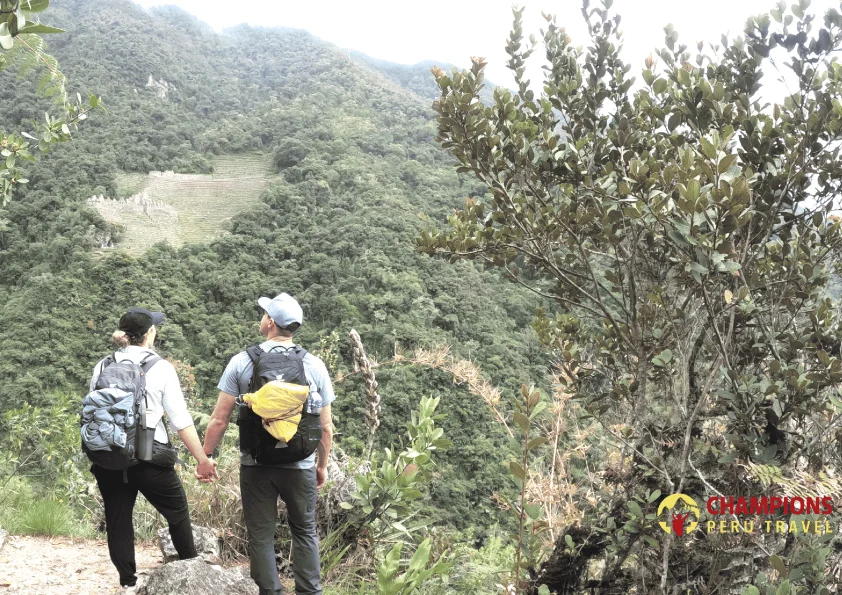
The Inca Trail, stretching through the Andes near Cusco, is among the world’s most historically significant routes. Built by the Inca Empire, the Qhapaq Ñan network connected regions across South America and was vital for communication, trade, and cultural integration. Today, it remains a symbol of advanced engineering and spiritual significance.
The Inca Trail offers a journey through history, culture, and striking landscapes. Its most iconic route leads to Machu Picchu, providing travelers with a unique blend of natural beauty and archaeological importance. The trail demonstrates the Incas’ adaptability to challenging environments and their enduring connection to nature and spiritual beliefs.
In this blog, you will discover:
- The origins and development of the Inca Trail within the Inca Empire
- The structure and significance of the Qhapaq Ñan road system throughout South America
- How the Inca Trail was engineered and used for communication, culture, and religion
- The route to Machu Picchu and what makes this journey unique
- The impact of the Spanish conquest and the decline of the trail
- The modern history of tourism, permits, and preservation of the Inca Trail
Origins and Development of the Inca Trail
The Inca Trail began as part of the Inca Empire’s growth and organization. The Incas built one of the most advanced road systems in pre-Columbian times, called the Qhapaq Ñan. This network linked the empire’s mountains, valleys, and forests.
As time passed, the road system grew from basic local paths into a well-organized network used for government, communication, trade, and religion. The part of the trail leading to Machu Picchu is a great example of this progress, showing both skilled engineering and cultural importance.
Understanding the Inca Trail’s origins and development is key to appreciating its complexity, its role in the empire, and its enduring legacy as a major achievement in ancient infrastructure.
Origins of the Inca Trail
The Inca Trail started with the rise and growth of the Inca Empire, which was one of the strongest civilizations in pre-Columbian America. The trail we know today was built gradually as part of the larger Qhapaq Ñan road system.
Earlier Andean cultures started this network, but it grew much larger and better during Pachacuti’s rule in the 1400s. He led the Incas as they turned a small kingdom into a huge empire, so they needed good roads to link far-off places in the mountains, valleys, and jungles.
Knowing how the Inca Trail and the Qhapaq Ñan road system began helps us understand how the Incas brought together their politics, economy, and culture so successfully.
Early Andean Road Systems Before the Incas
Prior to the Inca Empire, Andean civilizations such as the Wari and Tiwanaku developed road systems that connected communities and supported trade and communication.
The Incas did not create roads from scratch. They inherited earlier routes and improved them, building a much larger and more efficient network.
This ongoing development shows that Andean road networks began before the Incas, which helps explain how advanced the final Inca system became.
Expansion Under Pachacuti and Imperial Growth
The Inca Trail really started to grow during Pachacuti’s rule, when he reorganized the state and began major building projects.
As the empire grew, new roads were built to link the four regions of Tawantinsuyu. These roads helped the government stay in control, share resources, and bring different groups together.
The Qhapaq Ñan as the Backbone of the Empire
The Qhapaq Ñan, which means “Royal Road” in Quechua, became the main route of the Inca Empire. It stretched over 40,000 kilometers and linked areas that are now Peru, Ecuador, Bolivia, Chile, and Argentina.
This network had main highways, smaller roads, and local paths, all connected in one system. It made communication faster, travel easier, and helped the government stay organized.
Learning about the Qhapaq Ñan helps us see how impressive Inca engineering really was.
Types of Inca Roads and Their Functions
The Inca Road system served many purposes, making it both useful and flexible. There were three main types of roads:
- Commercial roads: used by the population for trade and daily movement
- Military roads: used by the army for rapid deployment and defense
- Religious or ceremonial roads: used for pilgrimages and connections to sacred sites
One of the most important ceremonial roads led to Machu Picchu, showing how some paths had special spiritual meaning.
This shows that the Inca Trail had many uses, which is an important detail that is often missed.
Construction Timeline and Labor System
The Inca Trail was built using a labor system called “mit’a,” where people worked on state projects as part of their community duties.
Instead of paying with money, the Incas gathered large groups to build and take care of roads, bridges, and other structures. Working together made it possible to expand quickly and keep everything in good shape.
This way of organizing labor explains how the Incas built such a huge network without modern tools.
Integration of Geography and Strategic Planning
The Incas planned their roads to fit the tough landscape of the Andes. They followed the land’s shape, avoided dangers, and made sure to connect important places.
This careful planning made the roads useful and long-lasting, even in harsh conditions.
Political and Administrative Importance
The Inca Trail was important for more than just travel. It helped officials move around, collect taxes, and make sure laws were followed in faraway areas.
Tambos, or rest stops, were built along the roads to help travelers and keep communication going across the empire.
This shows how the Inca Trail helped run the empire, which was a big reason for its success.
Legacy of the Original Inca Trail System
Even though much of the original network has been lost over time and because of nature, important parts are still preserved today.
One of the most famous sections is the trail to Machu Picchu. It still draws thousands of visitors every year and is protected by the Peruvian government.
The fact that these trails still exist shows the lasting legacy of the Inca Trail, linking the past to the present.
The Qhapaq Ñan Road System
The Qhapaq Ñan, which means “Royal Road” in Quechua, was the main road system of the Inca Empire and one of the largest and most advanced in the ancient world. Instead of just one road, it was a huge network that covered thousands of kilometers and connected many different regions, cultures, and environments across South America.
This road system was vital for the empire, making communication, trade, military movement, and cultural exchange possible across areas that are now several different countries. Learning about the Qhapaq Ñan helps us understand how the Incas were able to rule such a large and challenging region.
What Does Qhapaq Ñan Mean and Why is It Important?
The name “Qhapaq Ñan” means “Main Road” or “Royal Road,” showing how important it was to the empire. It was more than just a road; it also stood for unity and the power of the state.
The network linked big cities, government centers, farms, and sacred places, helping information and resources move easily. Its real importance was in bringing far-off regions together into one political and cultural system.
Geographic Extension Across South America
The Qhapaq Ñan stretched for about 40,000 kilometers, making it one of the biggest road systems ever built. It linked areas that today are in Peru, Ecuador, Bolivia, Chile, Argentina, and Colombia.
This huge network crossed deserts, mountains, valleys, and jungles. Its size shows how organized and ambitious the Inca civilization was.
Main Routes and Secondary Roads
The Qhapaq Ñan had main highways and smaller roads that covered the whole empire. Two main routes ran along the coast and the Andes mountains, and many side roads connected them.
These roads made it possible to reach even the most distant places, so no area was left out. This setup made the network very efficient and flexible.
Infrastructure Along the Road Network
The Qhapaq Ñan was more than just roads. It also had other structures that made travel and communication possible.
Key elements included:
- Tambos (rest stations): places where travelers could rest and resupply
- Bridges: including suspension bridges made from natural fibers
- Storehouses (qullqas): used to store food and goods
- Watch points: for control and security
These structures show how advanced the Inca Road system was and why it worked so well.
Communication System and the Role of Chasquis
One of the most impressive parts of the Qhapaq Ñan was its communication system, run by messengers called chasquis. These runners worked in teams, passing messages quickly over long distances.
Thanks to this system, information could travel across the empire in just a few days, even though the land was tough to cross.
This shows how the Inca used chasquis for communication, which was a key part of controlling the empire.
Economic and Trade Functions
The road system was very important for the Inca economy. It made it easier to move things like food, textiles, and tools between areas with different resources.
With this network, the Incas could share resources efficiently, which helped keep things stable and reduced shortages.
The phrase “economic role of the Qhapaq Ñan road system” shows that it was important for more than just travel.
Military Control and Territorial Integration
The Qhapaq Ñan let the Inca army move quickly across the empire, so they could respond to threats and keep order more easily.
It also helped bring new regions into the empire by linking them to the main government. This made political control stronger and helped unite the culture.
This shows how important the Inca road network was for both the military and politics.
UNESCO Recognition and Global Heritage Value
Today, the Qhapaq Ñan is a UNESCO World Heritage Site, showing how important it is as a shared cultural treasure for many countries.
This recognition shows its historical value and reminds us that it should be protected for future generations.
Surviving Sections and Modern Relevance
Even though much of the Qhapaq Ñan has disappeared over time, some important parts are still preserved. The most famous is the path to Machu Picchu, now called the Inca Trail.
People still use these remaining paths for tourism, learning, and keeping culture alive, linking today’s world with ancient history.
This shows why the Qhapaq Ñan and the Inca Trail are still important today.
Engineering and Construction of the Inca Trail
The Inca Trail is one of the most impressive engineering feats from ancient times. The Incas built this network of roads without iron tools, wheels, or modern machines, showing a deep knowledge of architecture, geography, and sustainability.
The trail crosses some of the toughest parts of the Andes and was built to handle harsh weather, earthquakes, and erosion. Instead of trying to control nature, the Incas worked with it, creating a system that still works today.
Learning how the Inca Trail was built in the Andes shows just how advanced and creative the Incas were with their engineering.
Materials Used in the Construction of the Inca Trail
The Incas mostly used materials they found around them, like stone, soil, and plants. They cut and fit stones together so well that they didn’t need mortar, making the structures both strong and flexible.
Different materials were used depending on the region:
- In mountainous areas: stone paving and staircases
- In flat regions: compacted earth paths
- In jungle areas: reinforced trails with drainage systems
This shows how the Incas chose materials that fit each environment along the trail.
Advanced Stonework and Construction Techniques
The Incas’ stonework is one of their most impressive achievements. They learned to cut and fit stones so precisely that the stones locked together tightly without any cement.
This method made the structures flexible and able to withstand earthquakes. That’s why many parts of the trail have lasted for hundreds of years.
Staircases, Tunnels, and Mountain Adaptation
To cross the steep and rough Andes, the Incas built long staircases right into the mountains. These steps made it safer to travel through high places.
In some places, they carved tunnels through rock to keep the path going. These features show how the Incas adjusted their building methods to fit the land.
This is a great example of how the Incas adapted the trail to the mountains, which was a major engineering success.
Drainage Systems and Erosion Control
The Incas created smart drainage systems to protect the trail from heavy rain and erosion. They used channels, layers of stone, and slopes to guide water away from the path.
This stopped flooding and helped keep the roads stable for a long time.
Suspension Bridges and River Crossings
One of the most innovative elements of the Inca Road system was the use of suspension bridges made from natural fibers such as ichu grass.
These bridges let the Incas cross deep valleys and rivers that would have been impossible to pass otherwise. They made sure to maintain and rebuild the bridges often to keep them safe.
This shows how the Inca suspension bridges were a smart solution to difficult geographic challenges.
Labor Organization and the Mit’a System
The Incas built the trail using a labor system called “mit’a,” where people worked as a kind of tax.
They organized large groups of workers to build and take care of roads, bridges, and other structures. Working together like this helped the empire grow its network quickly.
The idea of the Inca labor system helps explain how they managed to complete such a huge project.
Sustainability and Harmony with Nature
The Inca Trail was built with sustainability in mind, unlike many modern projects. The Incas respected nature and tried to limit their impact when building roads.
They followed the shape of the land, avoided needless damage, and used local materials. This helped the trail last and kept the environment balanced.
This shows the Inca Trail’s sustainable engineering, which is still important today.
Durability and Preservation Over Time
The Inca Trail’s durability is truly impressive. Even after centuries of weather and wear, many parts are still in good shape and can be used.
This long-lasting quality proves how effective Inca engineering was and how well they understood their environment.
Comparison with Modern Engineering
Compared to modern engineering, the Inca Trail is impressive for its efficiency and sustainability. The Incas built a system that still works and inspires engineers today, all without advanced technology.
Their skill in solving tough problems with few resources teaches us important lessons for building things today.
This comparison between Inca and modern engineering adds more depth and perspective to the topic.
The Role of the Chasquis in the Inca Communication System
The Inca Empire’s communication system was highly efficient, relying on a network of messengers called chasquis. Without written language or modern technology, the Incas transmitted information rapidly across thousands of kilometers.
Chasquis were essential for political control, economic organization, and social cohesion. Using the Qhapaq Ñan road network, they ensured efficient movement of messages, goods, and information between distant regions.
The chasqui and road network system demonstrates how the Inca Empire remained unified and organized despite significant geographic challenges.
Who Were the Chasquis?
Chasquis were highly trained runners selected for endurance, speed, and reliability. Usually young men from various regions, they were trained to operate in extreme conditions, including high altitudes and challenging terrain.
They carried messages, small goods, and important information throughout the empire, serving a crucial role in a society dependent on oral communication.
How the Relay System Worked
The chasquis’ efficiency relied on a relay system, with runners stationed at regular intervals along the road network rather than traveling long distances alone.
Each chasqui ran a short distance before passing the message to the next runner, enabling continuous and rapid information transfer.
This system allowed messages to travel vast distances quickly, demonstrating the efficiency of Inca relay communication.
Speed and Efficiency Across the Empire
Without modern transportation, the chasqui system remained remarkably fast. Messages traveled hundreds of kilometers in only a few days.
This speed enabled the central government to respond rapidly, maintain control over distant territories, and coordinate activities across the empire.
Types of Messages and Goods Transported
Chasquis transported a range of items, including:
• Verbal messages memorized with precision
• Quipus (knotted cords used for recording information)
• Small goods such as food, medicinal plants, or tools
This system ensured efficient distribution of both information and essential resources.
The Role of Tambos in Supporting Chasquis
Along the road network, the Incas built tambos, which were rest stations providing shelter, food, and supplies for travelers, including chasquis.
These facilities were strategically located to support the relay system and maintain continuous communication across the empire.
This underscores the importance of tambos as a key support structure within the Inca road system.
Communication Without a Written Language
A notable aspect of the chasqui system is its operation without a formal written language. The Incas relied on memory, oral tradition, and quipus to transmit information.
This required exceptional discipline and accuracy, as errors could have serious consequences.
Inca communication without writing systems highlights their unique approach to information management.
Strategic Importance for the Empire
Chasquis were essential for maintaining the empire’s stability and unity. They enabled rulers to send orders, receive updates, and coordinate activities across vast distances.
Without this system, managing such a large and diverse territory would have been impossible.
This demonstrates the strategic importance of chasquis as a crucial element of Inca governance.
Symbolic and Cultural Significance
Beyond their practical role, chasquis held symbolic importance, representing speed, discipline, and service to the state.
Their work reflected the values of cooperation and collective responsibility that defined Inca society.
This symbolism adds a cultural dimension to the role of chasquis in Inca society.
Legacy of the Chasqui System Today
Today, the legacy of the chasquis inspires modern communication systems and cultural identity in the Andes. In some regions, traditional relay running events recreate their routes and honor their role.
Their story remains an important part of the history of the Inca Trail and the Qhapaq Ñan.
Spiritual and Cultural Significance of the Inca Trail
The Inca Trail served not only as a physical route across the empire but also as a spiritual pathway reflecting the Inca worldview, beliefs, and cultural identity. Each section held significance, connecting geographic locations with sacred landscapes and religious practices.
For the Incas, nature was sacred and inseparable from daily life. Mountains, rivers, and the earth were viewed as living entities with spiritual power. Traveling the Inca Trail was often a symbolic journey, especially toward ceremonial sites such as Machu Picchu.
Recognizing the spiritual meaning of the Inca Trail reveals it as more than infrastructure; it is a sacred link between people, nature, and the divine.
The Inca Worldview and Connection to Nature
The Incas held a holistic worldview, seeing humans, nature, and the spiritual world as interconnected. This perspective shaped the construction of their cities, roads, and sacred sites.
The Inca Trail was intentionally aligned with natural features such as mountains, rivers, and valleys, demonstrating deep respect for the environment.
Sacred Mountains (Apus) and Their Importance
Mountains, called “Apus,” were seen as powerful gods who protected people and affected nature. Each area had its own sacred mountains, honored with rituals and offerings.
Many parts of the Inca Trail go near or through these sacred mountains, which adds to the spiritual feeling of the journey.
This shows how important Apus were in Inca religion and along the Inca Trail.
The Inca Trail as a Pilgrimage Route
Some parts of the Inca Trail were used just for religious pilgrimages. Only elites, priests, or special people made these journeys.
The path to Machu Picchu is thought to be one of these special routes, where the journey itself was spiritually important.
Rituals and Ceremonies Along the Trail
As people walked the Inca Trail, they did rituals to honor the gods and ask for protection. They gave offerings like food, coca leaves, and small items to the earth (Pachamama) and the Apus.
These ceremonies helped travelers feel more connected to nature and the spiritual world.
This shows how important rituals were on the Inca Trail and in Inca culture.
Machu Picchu as a Sacred Destination
Machu Picchu was more than a city. It was a sacred place with astronomical, religious, and political importance.
Arriving at Machu Picchu by the Inca Trail, especially through the Sun Gate (Inti Punku), was a powerful and symbolic experience. Seeing the city appear slowly was part of a planned spiritual journey.
This shows how important Machu Picchu was spiritually for those traveling the Inca Trail.
Symbolism of the Journey Itself
In Inca culture, journeys often symbolized transformation. Walking the Inca Trail could represent a transition both physically and spiritually.
The challenges of altitude, distance, and terrain enhanced the trail’s meaning as a test of endurance and devotion.
Integration of Religion and Daily Life
Unlike modern societies, where religion and daily life are often separate, the Incas integrated spirituality into every aspect of life. Roads, agriculture, governance, and architecture were all shaped by religious beliefs.
The Inca Trail reflects this integration, serving both practical and sacred purposes.
This demonstrates the role of religion in Inca daily life and infrastructure.
Cultural Identity and Social Unity
The shared use of the Inca Trail for ceremonies, communication, and travel unified diverse groups within the empire and reinforced a common identity and cultural values.
The trail became a symbol of connection, linking not only places but also people and traditions.
This highlights the Inca Trail’s cultural importance in unifying the empire.
Lasting Spiritual Legacy Today
The spiritual significance of the Inca Trail endures today, as many local communities maintain traditional beliefs and practices connected to the land.
Modern travelers often describe the experience as transformative, reflecting the enduring power of the trail’s spiritual legacy.
The Inca Trail to Machu Picchu: Route and Experience
The Inca Trail to Machu Picchu is one of the world’s most iconic trekking routes, combining ancient history with a memorable travel experience. As the best-preserved and most visited section of the Qhapaq Ñan network, it offers a unique opportunity to walk the original paths of the Inca Empire.
The trail is about 45 kilometers (27 miles) long and leads travelers through a mix of landscapes, ancient sites, and stunning mountain views. It’s more than a hike; it’s a journey that links the challenge of the Andes with the culture and spirit of the Incas.
Understanding the Inca Trail route and trekking experience helps explain why this path remains one of the world’s most sought-after adventures.
Top Inca Trail Itineraries and Trekking Options
The Inca Trail to Machu Picchu offers several trekking options tailored to time, fitness level, and preferred experience. Each route follows ancient Inca paths and provides a unique perspective on the Andes and its history.
The following are the most popular Inca Trail trekking itineraries to Machu Picchu:
4-Day Classic Inca Trail (Most Popular Option)
The 4-day Classic Inca Trail is the most popular and well-known route. It follows the original Inca path, featuring archaeological sites, mountain passes, and the iconic entrance through the Sun Gate (Inti Punku).
This itinerary is ideal for travelers seeking a comprehensive historical and cultural experience combined with adventure.
5-Day Inca Trail (Slow and Immersive Experience)
The 5-day Inca Trail offers a slower, less crowded alternative to the classic route. It allows more time to explore, appreciate the scenery, and acclimate to the altitude.
This option is suited for travelers who prefer a relaxed pace and a deeper connection with the environment and history.
7-Day Salkantay and Inca Trail Combination
The 7-day Salkantay and Inca Trail combination is an extended trek that combines two of Peru’s most spectacular routes.
This itinerary features the dramatic landscapes of the Salkantay trek, including glaciers and high mountain passes, before joining the Inca Trail to Machu Picchu.
It is ideal for experienced hikers seeking a more challenging and varied trek.
Starting Point at Km 82 (Piskacucho): Gateway to the Ancient Inca Path
The Inca Trail to Machu Picchu officially begins at Km 82, or Piskacucho, in the Sacred Valley near Cusco. This site serves as both the physical starting point and a symbolic gateway to the ancient Inca world.
At this point, travelers leave modern infrastructure behind and follow original stone pathways built over five centuries ago. The trail initially follows the Urubamba River, then gradually ascends into the Andes, passing traditional Andean landscapes and rural communities.
Total Distance and Duration: Understanding the Full Inca Trail Journey
The Classic Inca Trail is approximately 45 kilometers (27 miles) long and typically takes four days and three nights to complete. However, the journey is defined not only by distance but also by its varied terrain, altitude, and rich cultural context.
Each section of the trail presents unique physical demands, ranging from gradual valley walks to steep ascents. Altitude, uneven stone steps, and changing climates make the trek both challenging and rewarding.
Understanding the total distance and duration of the Inca Trail is essential for preparation and setting realistic expectations.
Detailed 4-Day Inca Trail Itinerary and Route Highlights
The Inca Trail is divided into four main stages, each offering distinct scenery and highlights:
- Day 1: A moderate introduction through the Sacred Valley, following the river and visiting the first archaeological sites
- Day 2: The most physically demanding day, including the ascent to Warmiwañusca (Dead Woman’s Pass) at 4,215 meters
- Day 3: A scenic and culturally rich section with cloud forests and multiple Inca ruins
- Day 4: A pre-dawn hike leading to Inti Punku (Sun Gate) and the first view of Machu Picchu
This overview gives you a clear idea of what to expect each day on the 4-day Inca Trail, which is something many travelers want to know.
Archaeological Sites Along the Inca Trail: Living History on the Route
A special part of the Inca Trail is the many archaeological sites along the way. These aren’t just scattered ruin, they’re part of the original Inca road system.
Key sites include:
- Llactapata: an agricultural and administrative center
- Runkurakay: a circular structure likely used as a control point
- Sayacmarca: a complex built on a mountain ridge
- Phuyupatamarca: known as “the town above the clouds”
- Wiñay Wayna: one of the most impressive sites before reaching Machu Picchu
These sites give you a glimpse into Inca architecture, organization, and daily life, turning the trek into a real open-air museum.
Inti Punku (Sun Gate): The Most Iconic Arrival to Machu Picchu
Arriving at Inti Punku, or the Sun Gate, is one of the journey’s most iconic moments. This was the original entrance the Incas used to access Machu Picchu.
Arriving here at sunrise gives you an amazing view of Machu Picchu appearing through the clouds. It’s a mix of physical achievement, emotion, and history.
Many people say that seeing Machu Picchu from the Sun Gate is one of the most rewarding moments in trekking anywhere in the world.
Diverse Ecosystems and Biodiversity Along the Trail
The Inca Trail traverses a remarkable range of ecosystems, from high-altitude mountains to cloud forests and subtropical zones.
This ecological diversity allows hikers to encounter unique plants, orchids, birds, and native Andean wildlife. The changing landscapes also demonstrate the Incas’ adaptability to varied environments.
The biodiversity along the Inca Trail adds a vital natural dimension to the historical experience.
Physical Difficulty, Altitude, and Acclimatization
The Inca Trail is considered a moderate-to-challenging trek, mainly due to its altitude and steep ascents. Its highest point, Warmiwañusca (Dead Woman’s Pass), exceeds 4,200 meters above sea level.
Altitude sickness is a concern, so acclimatization in Cusco is essential before starting the trek. Physical preparation, hydration, and pacing are also important for a successful experience.
Recognizing the trail’s difficulty and altitude challenges is crucial for safety and enjoyment.
Inca Trail Permits, Regulations, and Conservation Efforts
To preserve its historical and environmental value, the Inca Trail is strictly regulated by the Peruvian government through the Ministry of Culture and SERNANP.
How Many permits are released per day?
The Inca Trail is governed by specific regulations regarding permits, preservation, and group operations.
- For the Classic Inca Trail 4-day trek, 500 permits are issued per day from March 1 to January 31. These permits cover tourists, guides, chefs, and porters, which is why they sell out quickly.
- For the Short Inca Trail, 250 permits are issued per day, including tourists, guides, chefs, and porters.
The Inca Trail permit system and conservation regulations are essential for sustainable tourism in Peru.
Why the Inca Trail Is a Unique Trekking Experience in the World
Unlike other trekking routes, the Inca Trail uniquely combines history, culture, and direct access to Machu Picchu along the original Inca pathway.
It is more than a hike; each step connects travelers with the past.
This distinction makes the Inca Trail one of the world’s most unique trekking experiences.
Global Tourism Impact and Cultural Significance Today
Today, the Inca Trail is one of the world’s most recognized trekking routes, attracting thousands of visitors annually. It plays a key role in Peru’s tourism industry and serves as a platform for cultural education and heritage preservation.
Despite its popularity, ongoing efforts aim to balance tourism and conservation, ensuring future generations can experience this historic route.
The global popularity and cultural significance of the Inca Trail continue to grow in both academic and travel contexts.
Spanish Conquest and the Decline of the Inca Trail
The fall of the Inca Empire in the 16th century marked a major disruption in pre-Columbian American history. Central to this change was the collapse of the Qhapaq Ñan, the extensive road system that had unified the empire.
The Spanish conquest of the Inca Empire did more than change political leadership; it dismantled the systems that supported communication, labor, and cultural integration. Consequently, the Inca Trail began to fragment, was abandoned, and underwent significant transformation.
Understanding the decline of the Inca Trail requires examining both the physical destruction of the network and the collapse of the social, political, and ideological systems that sustained it.
Conquest, Epidemics, and Systemic Collapse of the Inca State
The fall of the Inca Empire was not just a result of military defeat. Even before the Spanish took full control, diseases like smallpox had already devastated the population, killed leaders, weakened succession, and caused internal conflict.
This biological shock led to political fragmentation, reduced labor, and loss of centralized coordination. By the time Spanish control advanced, the empire’s structural integrity was already severely compromised.
So, the decline of the Inca Trail happened because of both disease and colonial invasion, not just because the roads themselves failed.
Collapse of the Mit’a System and the End of Infrastructure Sustainability
The Qhapaq Ñan could not maintain itself. It relied on the mit’a system, an organized labor structure that kept roads, bridges, drainage, and tambos in good condition.
When Inca rule ended, the mit’a system was used by colonizers mainly for mining, so it no longer supported public infrastructure. As a result, the road network lost the support it needed for upkeep.
Suspension bridges fell apart, stone paths wore away, and key points disappeared. This shift from state care to neglect explains why even the best parts of the trail quickly fell into ruin.
Colonial Economic Priorities and the Reconfiguration of Mobility
The Spanish colonial system brought a new way of moving goods, focused on extracting resources like silver and minerals. This needed roads for animals, wheeled carts, and new routes from mines to ports.
In contrast, the Inca system was designed for people traveling on foot, moving goods between different environments, and keeping the empire connected. As colonial needs grew, many Inca routes lost their economic importance.
This change led to a complete overhaul of travel in the Andes. The Qhapaq Ñan was not just abandoned, but replaced by new colonial transport networks.
Environmental Forces and the Gradual Erasure of the Trail
After it was abandoned, the Inca Trail became vulnerable to the environment. Without upkeep, even its advanced engineering could not stand up to nature.
- In cloud forests: rapid vegetation overgrowth concealed entire segments
- In the high Andes: freeze-thaw cycles fractured stonework
- In steep terrain, landslides and erosion destabilized pathways
Over many years, large parts of the trail vanished from sight. This made people think they were “lost,” but in reality, they had just blended back into the landscape.
Cultural Suppression and the Disappearance of Technical Knowledge
The Spanish colonial system worked to suppress indigenous beliefs, social structures, and the passing down of knowledge. This affected not just religion, but also skills in engineering, building, and adapting to the environment.
The Incas built strong roads without modern tools by using knowledge handed down over generations. When this chain was broken, much of their expertise disappeared.
This reflects a deeper decline: not only physical destruction, but also the loss of intellectual and technological continuity in Andean societies.
Geographic Isolation as a Mechanism of Preservation
Ironically, the geography that once made things hard for Inca engineers helped protect some areas after the conquest. Remote, high mountain regions were mostly ignored by colonial rulers.
Because of this, some parts of the trail, like the route to Machu Picchu, stayed untouched. These preserved sections give us a rare look at how the network originally was.
This shows how isolation unintentionally preserved fragments of the Inca legacy.
Machu Picchu and the Preservation of an Intact Cultural Landscape
Machu Picchu survived because nearby parts of the Inca Trail were also preserved. Since the Spanish never took over or changed the site, its roads and structures stayed mostly untouched.
This gives us a unique chance to study how roads, sacred places, and the natural landscape were connected in their original form.
So, Machu Picchu is more than just a tourist spot. It is a living record of the Inca Trail system, preserving its layout and meaning.
From Functional Infrastructure to Forgotten Landscape
After the empire fell, the Inca Trail stopped being used as a network and slowly disappeared from daily life. Over time, it changed from a working system to a broken and often hidden part of the landscape.
For centuries, many parts of the trail survived only in local stories or oral traditions, no longer serving their original purpose.
This change shows a bigger historical trend: turning useful infrastructure into archaeological remains, marking the end of its practical use.
Scientific Rediscovery and the Reconstruction of Knowledge
Starting in the late 1800s and early 1900s, explorers, historians, and archaeologists began to carefully study what was left of the Inca road system.
When Machu Picchu became known worldwide, it played a key role in this process and sparked global interest in the Inca civilization and its roads.
Through mapping, digging, and research, scholars have reconstructed parts of the Qhapaq Ñan, turning it from a forgotten network into a topic of worldwide academic interest.
Enduring Legacy: From Collapse to Cultural Revalorization
Even though the Inca Trail declined, it has been revalued in modern times. What was once left behind is now seen as a symbol of cultural identity, history, and human creativity.
Today, the trail is more than just a piece of the past. It connects ancient knowledge with modern appreciation.
This shows how the Inca Trail changed over time, going from collapse to becoming a part of global cultural heritage and completing its historical journey.
Modern History of the Inca Trail: Tourism, Permits and Regulation
The Inca Trail was once part of the Inca Empire’s large road network, but it only became a famous trekking route in recent times. After the Spanish conquest, much of the 45 km path to Machu Picchu was left unused, overgrown, and separated from its original purpose.
In the 20th century, archaeological research, exploration, and the growth of adventure tourism helped bring the ancient path back into use as a trekking route. As more travelers began to visit, often without any rules, the trail became more popular, which led to environmental problems and a growing need for regulation.
To fully appreciate how the Inca Trail became one of the world’s most protected and carefully managed trekking routes, it is important to understand its journey from open access to a tightly controlled permit system.
Rediscovery and Early Exploration in the 20th Century
Parts of the Inca Trail were always known to local Andean communities, but the full 45 km route was systematically rediscovered in the early 20th century as international interest in Machu Picchu grew. Scientific expeditions and archaeological studies led researchers to identify and map the ancient paths that were part of the larger Qhapaq Ñan network.
At this stage, the trail was seen mainly as something for academic study and exploration, not as a trekking route. Early records showed that the trail was continuous and featured impressive architecture, such as stone paving, drainage systems, and careful alignment with the landscape.
This period helped people see the trail as a single historical route, turning scattered ruins into a connected and meaningful path.
Opening of the Inca Trail to Tourism (1970s–1990s)
Between the 1970s and 1990s, the trail slowly shifted from an archaeological site to a trekking destination as adventurous travelers, mountaineers, and early tour operators began exploring it independently.
During this period, there were no permits, official controls, or much infrastructure. Hikers could use the trail freely, often without guides, signs, or set campsites. The experience was mostly unregulated and depended on local knowledge and personal navigation.
This freedom gave a sense of exploration and authenticity, but it also meant the trail had no real protection. As more people around the world visited Machu Picchu, the Inca Trail attracted more visitors, leading to fast and uncontrolled growth.
Rapid Growth of Tourism and Environmental Impact
In the 1980s and 1990s, many more people started visiting the Inca Trail because adventure tourism was becoming popular and Machu Picchu was gaining attention worldwide.
This increase happened without proper rules, which caused growing environmental and cultural problems. The trails became worn down from heavy use, campsites spread without control, and waste management became a serious problem.
Archaeological sites along the trail were especially at risk because open access led to physical damage and gradual deterioration. Without proper management, the visitor experience also suffered, making the trail feel less authentic and less safe.
This period was a key turning point, as the Inca Trail changed from a little-known path to an overused and threatened heritage site.
First Regulations and Introduction of Permit Systems (Early 2000s)
When it became clear the trail was being damaged, the Peruvian government brought in new rules in the early 2000s. This started a new era of management for the Inca Trail.
In 2001 and 2002, a formal permit system was set up, which changed how people could access the trail. For the first time, there was a daily visitor limit, and independent trekking was no longer allowed. All hikers now had to go with licensed tour operators, which provided better oversight and accountability.
This change marked a move from open tourism to a controlled, sustainability-focused system. The goal was to protect the trail itself and make sure visitors had a good experience.
Implementation of Carrying Capacity Limits
A major part of the new rules was setting carrying capacity limits. This means only a certain number of people can use the trail each day without causing long-term harm.
Officials set a strict daily limit that counts not just tourists, but also guides, porters, and support staff. This approach recognizes that everyone on the trail, not just visitors, affects the environment.
Enforcing these limits has helped reduce erosion, control campsite use, and protect archaeological sites. It has also made the experience more exclusive, so getting a permit is now very competitive.
This system shows a thoughtful approach to managing tourism in fragile heritage areas.
Role of Licensed Tour Operators and Guides
The new rules for the Inca Trail created a system where licensed tour operators and certified guides are very important. They handle logistics and safety, and also help visitors understand the culture.
Guides share historical information, explain why archaeological sites matter, and make sure visitors follow environmental rules. Because of them, the trek becomes more than just a hike, it is an educational and cultural experience.
Making tour operations more official has raised standards for equipment, food safety, and porter welfare, though these areas are still being improved and regulated.
Closure for Maintenance and Long-Term Preservation
A unique management strategy is closing the Inca Trail every February. This time is set aside for maintenance, repairs, and helping the environment recover.
During this closure, teams fix damaged stone paths, strengthen drainage systems, and manage plant growth. The break also gives local ecosystems a chance to recover from tourism.
This proactive approach shows a long-term commitment to preservation, understanding that it takes both rules and regular maintenance to protect the trail.
The Inca Trail Today: A Model of Regulated Tourism
Today, the Inca Trail is known as one of the best-managed trekking routes in the world. Its management combines conservation, tourism, and cultural preservation in one system.
The move from open access in the late 1900s to strict controls today shows a wider change in how heritage sites are managed around the world.
By balancing access and protection, the Inca Trail has become a model for sustainable tourism. It shows that it is possible to protect history while still letting people enjoy and learn from it.
Preservation, Tourism, and Modern Importance of the Inca Trail
Today, the Inca Trail is one of the most important cultural and historical legacies of the Inca Empire. Once a vast network for communication and integration, it is now a world-famous heritage route that draws thousands of travelers every year.
The trail is much more than a tourist attraction. It represents a careful balance between preservation, sustainable tourism, and cultural identity. The part leading to Machu Picchu is especially well protected, showing its importance to both Peru and the world.
To appreciate how the Inca Trail still shapes culture and the economy today, it is important to understand its modern role, conservation efforts, and the effects of tourism.
UNESCO Recognition and Global Heritage Status
When the Qhapaq Ñan, which includes the Inca Trail, was added to the UNESCO World Heritage List, it marked a turning point in global recognition. This honor recognizes not only its physical scale but also its role in connecting different cultures, ecosystems, and economies across South America during the Inca Empire.
Unlike single archaeological sites, the Inca Trail is a living network within a larger cultural landscape. Being recognized as shared heritage by several countries highlights its role as a symbol of pre-Columbian innovation and regional unity.
This status also brings international responsibility. It calls for coordinated conservation, ongoing research, and careful tourism management to protect the trail for future generations.
Conservation Efforts and Environmental Protection
Preserving the Inca Trail is about more than just keeping the visible structures intact. It also means protecting the complex relationship between the built pathways and the fragile Andean ecosystems. Conservation efforts focus on stabilizing the original stonework, preventing erosion, and managing the environmental impact of thousands of visitors each year.
Specialized teams are always working to restore damaged parts of the trail using traditional Inca methods. This keeps the trail authentic and strong. Meanwhile, ecological monitoring tracks plant growth, soil health, and water flow to prevent long-term harm.
These efforts show that preserving the Inca Trail is an ongoing process. It needs constant adaptation to both environmental and human pressures.
Permit System and Controlled Tourism
The permit system on the Inca Trail is one of the best examples of controlled tourism in the world. By strictly limiting daily visitors, authorities reduce environmental stress and keep the experience high quality.
This system also requires all visitors to travel with licensed guides, making sure tourism supports conservation goals. Controlling the number of trekkers helps prevent overcrowding, reduces waste, and protects archaeological sites from too much wear.
Because of these measures, the Inca Trail is now a model for sustainable tourism. It shows how popular destinations can balance visitor access with long-term preservation.
Economic Impact on Local Communities
Tourism on the Inca Trail has brought many economic opportunities to communities near Cusco. Its impact goes beyond just income, creating a local economy based on guiding, portering, transportation, and hospitality.
For many families, working in tourism provides steady income that helps pay for education, healthcare, and community projects. It also encourages the preservation of cultural traditions, as local knowledge becomes a key part of the tourist experience.
However, this economic model needs careful management to make sure workers are treated fairly and benefits are shared equally. This shows that tourism is both an opportunity and a responsibility.
Cultural Preservation and Identity
The Inca Trail is a living cultural corridor where history is always being shared and preserved. Local communities keep ancestral practices, languages, and their connection to the land alive, reflecting the Inca Empire’s legacy.
By interacting with the trail every day as guides, caretakers, or residents, these communities help pass on cultural knowledge. This includes farming methods, spiritual beliefs, and ecological understanding built over centuries.
The Inca Trail is not just a relic of the past. It is a dynamic place where cultural identity is strengthened and adapted for today.
Challenges of Mass Tourism and Sustainability
Even with strict rules, more people wanting to visit the Inca Trail brings new challenges. More visitors put pressure on fragile ecosystems, causing problems like soil erosion, more waste, and harm to local plants and animals.
Climate change also brings new risks, such as unpredictable weather, heavier rainfall, and landslides that threaten the trail and nearby areas.
To face these challenges, there must be ongoing monitoring, flexible policies, and teamwork between governments, local communities, and international groups. The Inca Trail is a key example of the challenges and duties of sustainable tourism.
The Inca Trail as a Global Trekking Icon
In recent decades, the Inca Trail has become one of the world’s most famous trekking routes. Its reputation comes from both its beautiful scenery and its deep historical and cultural importance.
Unlike many modern trekking spots, the Inca Trail connects travelers directly with an ancient civilization. This mix of authenticity and challenge makes it more than just another adventure route.
Its worldwide fame shows a bigger change in tourism, as more travelers look for meaningful and immersive experiences instead of just sightseeing.
Educational and Scientific Importance
The Inca Trail offers a special chance for research across different fields. It gives insights into ancient engineering, how people adapted to the environment, and social organization. Scholars study its construction, route planning, and how it fits into the landscape to learn more about Inca innovation.
The trail is also like an open-air classroom, where visitors can learn about history, archaeology, and ecology through direct experience. This mix of academic and educational roles adds to its value beyond tourism.
As research goes on, the trail helps us better understand how ancient societies built complex infrastructure without modern technology.
Transformation into a Symbol of Human Achievement
The Inca Trail has changed from a working transportation network into a symbol of human creativity and resilience. Its survival over the centuries, despite many challenges, shows how effective Inca engineering and planning were.
Today, the trail shows how ancient civilizations could build sustainable systems that worked with nature. This symbolic value has made the trail famous worldwide, not just as a historical site but as a lasting example of human creativity.
The Inca Trail Experience in the 21st Century
Today, many people say that walking the Inca Trail is a life-changing experience. The journey mixes physical effort with emotional and cultural discovery, helping travelers feel deeply connected to the landscape.
Reaching Machu Picchu by the original Inca route makes the experience even more special, giving a sense of connection with the past that few places can offer.
For many people, the trail is more than just a hike. It becomes a personal achievement and a meaningful way to connect with history, nature, and culture.
Frequently Asked Questions About the Inca Trail
What is the Inca Trail, and how did it originate?
The Inca Trail is one section of the Qhapaq Ñan, the vast road system built by the Inca Empire. As the empire grew, it brought together local paths to create a single network linking important places for government, trade, and religion.
The path leading to Machu Picchu is one of the most impressive parts of the trail. It served both practical needs and held special meaning for ceremonies.
How was the Inca Trail connected to the Qhapaq Ñan?
The Inca Trail was just one part of a huge network that linked many regions of the empire across South America. This system made it easier for people, goods, and messages to travel through all kinds of landscapes.
Instead of being a single, separate path, it was an important part of a well-organized system.
Why was the Inca Trail important for the Inca Empire?
The trail was vital for keeping the empire together. Messengers used it to send news, traders moved goods along it, and it linked key government and religious places.
Because it served so many purposes, the trail was crucial for running the empire and bringing its people together.
What happened to the Inca Trail after the Spanish conquest?
After the Spanish took over the Inca Empire, the trail slowly became less important. Many parts were left unused as new colonial roads took their place.
Over the years, some sections became overgrown or vanished completely.
When did the Inca Trail become a tourist route?
In the 20th century, more people started visiting the trail as Machu Picchu became popular. At first, there were no rules, so hikers could use the trail without restrictions.
This change turned the trail from a historic route into a popular place for trekking today.
Why is the Inca Trail now regulated?
Rules were put in place because tourism was having a big impact. More visitors meant more harm to the environment and stress on ancient sites.
To fix this, the Peruvian government started a permit system to limit access and help protect the trail.
What makes the Inca Trail unique compared to other routes?
The Inca Trail is special because it uses the original Inca paths and takes you straight to Machu Picchu through its ancient entrance.
It brings together history, culture, and beautiful scenery, making the journey more meaningful than an ordinary hike.
What is the significance of the Inca Trail today?
Today, the Inca Trail stands as a symbol of history and a good example of sustainable tourism. It shows what the Inca Empire accomplished and how people now work to protect cultural heritage.
Conclusion: The Timeless Legacy of the Inca Trail
The Inca Trail is more than a trekking route. It is a living reminder of the Inca Empire’s creativity, vision, and strength. From its beginnings in the wide Qhapaq Ñan network to its end at Machu Picchu, the trail shows how a complex system once united a whole civilization across tough and changing landscapes.
Over time, the trail has changed a lot. It started as an important route for communication and control, became forgotten after the Spanish conquered the Inca Empire, and is now known around the world as a cultural and tourist icon. Even after centuries of change, its core remains the same. The trail keeps not only its physical paths but also the cultural and spiritual heritage of the Andes.
Today, walking the Inca Trail is more than a physical journey. It connects the past and the present. Each step reveals history, impressive engineering, and rich cultural meaning. As people continue to protect this heritage, the Inca Trail shows us that the greatest human achievements are those that last, inspire, and unite people across generations.