
 en
en


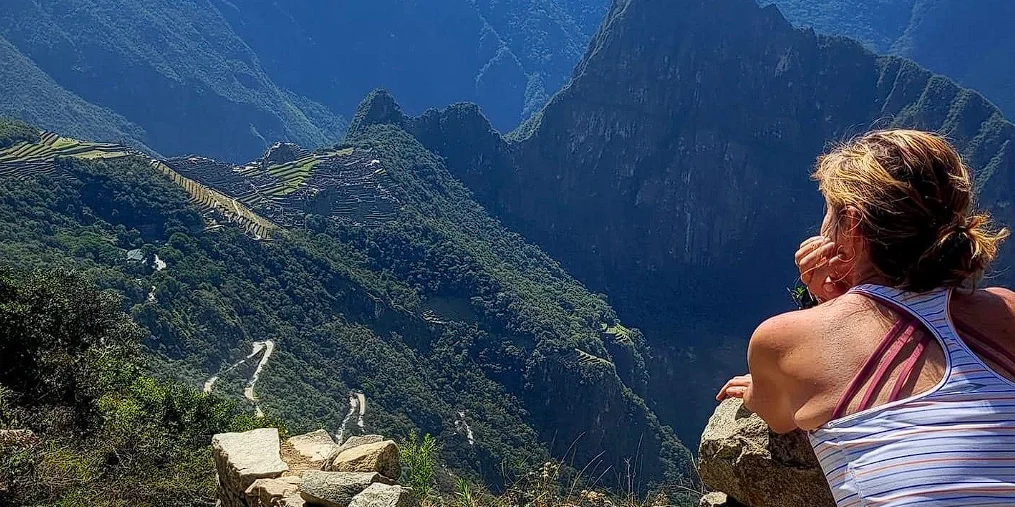
The Inca Trail to Machu Picchu is one of the most iconic trekking routes in the world, following a section of the ancient Qhapaq Ñan through the Peruvian Andes. But before choosing a tour, one key question comes up: how much does the Inca Trail in Peru cost in 2027? The answer is more complex than it may appear.

Many tour operators advertise similar starting prices, but the actual Inca Trail cost in Peru can range widely, from around $550 to well over $950 per person, depending on the experience you choose.
Whether you opt for the classic 4-day Inca Trail or the shorter 2-day hike, the final Inca Trail price will depend on the type of tour, including whether it is a group experience, a private service or a luxury option, as well as what is included.
More importantly, the advertised price is not always the final price.
This guide offers a clear and honest breakdown of Inca Trail prices, including:
- Realistic price ranges for different types of tours
- What the cost includes, and what it does not
- The Inca Trail permit cost and how it fits into your total
- Hidden fees that can increase your total budget
- Practical tips to help you choose the best option for your travel style
By the end, you will fully understand the real cost of the Inca Trail to Machu Picchu in Peru, so you can plan confidently and get the best value for your experience.
How Much Does the Inca Trail Cost in 2027?
The cost of hiking the Inca Trail to Machu Picchu in Peru is not a single set price. Many travelers expect a fixed rate, but Inca Trail costs change based on things like the type of tour, the level of service and how many permits are still available.
In 2027, most travelers booking a trek in Peru will pay between $500 and $1,200 per person, with luxury programs sitting well above that.
Average Inca Trail Price Per Person in Peru
The Inca Trail cost per person usually fits into three main categories:
- Budget tours: $550 to $690
- Mid-range tours: $700 to $900
- Luxury experiences: $1,250 to $3,550 or more, depending on route length
While these price ranges appear similar across companies, few operators charge the same amount for comparable itineraries. Differences in services, group sizes and comfort levels account for this variation.

Travelers should consider not only the price, but also what is included in the cost of the Inca Trail.
Inca Trail Trek Cost 2027: Prices at a Glance
Here is what licensed operators in Peru are quoting for 2027, by route:
- Short Inca Trail, 2 days: $450 to $650 per person
- Classic Inca Trail, 4 days and 3 nights: $600 to $950 per person
- Slow-paced Inca Trail, 5 days: $850 to $1,050 or more per person
- Short Luxury Inca Trail, 2 days: $1,250 to $1,850 or more per person
- Luxury Inca Trail, 4 days: $2,250 to $3,550 or more per person
- Luxury Inca Trail, 5 days: $2,650 to $3,550 or more per person
Anything far below the bottom of these ranges usually means a very large group, older equipment or services quietly removed from the itinerary.
Machu Picchu Hike Cost vs Inca Trail Cost
Plenty of travelers search for the Machu Picchu hike cost in Peru rather than the Inca Trail cost, and the two are closely linked. Hiking to Machu Picchu on the original route means paying for the Inca Trail, because that is the only trail that walks you into the citadel through the Sun Gate.

So when people ask how much it costs to hike Machu Picchu, the honest answer depends on the route:
- Inca Trail to Machu Picchu cost: $450 to $950 for standard group tours, $1,250 and up for luxury
- Salkantay Trek cost: $250 to $600
- Lares Trek cost: $300 to $700
The Machu Picchu 4 day hike cost, meaning the classic 4-day Inca Trail, generally lands between $600 and $950 per person with a licensed operator. The cost to climb Machu Picchu Mountain or Huayna Picchu is separate again, since those two summit circuits are add-ons inside the site rather than part of the trail itself.
One point worth clearing up: the cost of hiking Machu Picchu is higher than the cost of simply visiting it. A traveler who takes the train to Aguas Calientes and joins a Machu Picchu guided tour pays far less than a trekker, because they are not paying for permits, porters, cooks, camping gear and four days of logistics.
The Machu Picchu trek price covers a supported multi-day expedition, not a day visit. If a day visit is what you had in mind, our Machu Picchu tours sit in a completely different price bracket.
Cost Differences Between the 2-Day and 4-Day Inca Trail
The Inca Trail hike cost depends largely on the length of the trek.
- The classic 4-day Inca Trail price covers the full route, including several archaeological sites and mountain passes.
- The 2-day Inca Trail price covers a quicker alternative that includes entry through the Sun Gate but omits most of the route.
The short Inca Trail price is not always significantly lower, because train tickets and logistics increase operational costs. As a result, travelers often find the gap between 2 day Inca Trail prices and 4-day Inca Trail prices is smaller than expected. A 2-day trek at $550 and a 4-day trek at $700 are not unusual on the same operator's price list.
If you are weighing the two, our short vs classic Inca Trail comparison covers the difference in distance, difficulty and what you actually see on each route.
Do Inca Trail Prices Stay the Same All Year?
Many people mistakenly believe that Inca Trail prices in Peru vary significantly by season.
In fact, most operators keep a fixed base price year-round. However, your total cost may still change due to the following factors:
- Permit availability, since there are only a limited number and they often sell out months ahead
- High demand during the busy season from May to September
- Booking at the last minute, which usually costs more
So while the official price is stable, what you actually pay may shift based on timing and demand. You can check current Inca Trail permit availability before you settle on dates.
Inca Trail Permit Cost in Peru 2027
The permit is the part of the Inca Trail cost that no operator can discount, so it is worth understanding on its own.
How Much Is the Inca Trail Permit?
For 2027, the government entrance fee for the classic Inca Trail in Peru sits at roughly $90 per adult. The fee is set in Peruvian soles, so the dollar figure moves slightly with the exchange rate. It covers trail access and entry to Machu Picchu at the end of the trek.
A few things travelers are often surprised by:
- The Inca Trail permit price is fixed by the Ministry of Culture, not by tour operators.
- You cannot buy a permit yourself. Only licensed operators can issue them, and they must do it in your name using your passport details.
- Permits are non-transferable. If your name is wrong, you do not walk.
- Only 500 people per day are allowed on the trail, and that number includes guides, porters and cooks.
The Inca Trail permit cost is already built into every legitimate tour package. If an operator lists it as an extra on top of the quoted price, ask why.
Why the Permit Is Included in the Price
Because the government controls both the number of permits and who can sell them, the permit is not something you can shop around for.
Every licensed company pays the same fee. This is a big reason the Inca Trail costs more than unregulated treks in the same region, and it is also why booking early matters more than negotiating.
Travelers already looking ahead can see how the release calendar works in our guide to planning an Inca Trail hike for 2027.
Is There an Inca Trail Senior Discount?
This comes up often, and the answer is straightforward. There is no official Inca Trail senior discount on the government permit. The reduced permit rate applies to two groups only:
- Students under 25 with a valid international student card, who pay roughly half the adult rate
- Travelers under 18, who also pay a reduced rate
Some operators do offer their own concessions that older travelers can use, and they are worth asking about directly:
- Group discounts for families or friends booking together
- Returning traveler rates
- Reduced rates on private departures during quieter months
If a comfortable pace matters more than the discount, the 5-day itinerary is usually the better spend for senior travelers. The daily hiking distance drops noticeably for a modest increase in the Inca Trail trek cost. Our honest assessment of how difficult the Inca Trail is will help you decide which pace suits you.
What Factors Influence the Inca Trail Price in Peru?
A few main factors affect how much you will pay for the Inca Trail in Peru, even when two tours look almost identical online.
Tour operator quality. Cheaper companies usually offer only the basics. Paying more generally buys better gear, better food and a stronger support team. Our guide to choosing an Inca Trail tour operator in Peru explains what to check before you pay a deposit.

Group size. Smaller groups cost more per person, but the experience is more personal and the pace is easier to manage.
Included services. Some tours add extras such as hotel nights before or after the trek, upgraded train services, or premium camping equipment.
Booking time. Booking early gives you better choices at standard prices. Booking late means fewer options and, in peak season, sometimes no options at all.
The Inca Trail tour cost reflects the overall experience you select. Two tours at similar prices may deliver very different levels of comfort, service and value. Recognising these differences helps you avoid focusing only on the lowest price.
Inca Trail Tour Options and Price Breakdown in Peru
Many travelers focus on the overall cost of the Inca Trail in Peru, but prices vary based on the experience selected. Itinerary, comfort level and service standards all influence the total price of hiking to Machu Picchu.
The following breakdown outlines common Inca Trail tour options, their average prices and what each experience includes.
Classic Inca Trail 4 Days / 3 Nights
The classic 4-day Inca Trail is the most popular choice, and it is the option most travelers have in mind when they check the standard Inca Trail price.
- Average cost: $600 to $950 per person
- Experience: Complete route featuring archaeological sites, mountain passes and varied landscapes.
- Best for: Travelers seeking an authentic and comprehensive trek

This option provides the best balance of price and experience, and it is the benchmark most people use when comparing 4 day Inca Trail prices between companies. If you want the full route context first, read about the history and route of the Inca Trail to Machu Picchu.
Inca Trail 5 Days (Slow-Paced Trek)
The 5-day Inca Trail suits travelers who want a relaxed pace and shorter hiking days.
- Average price: $850 to $1,050 or more
- Experience: Follows the classic route with shorter daily hikes
- Best for: Beginners, older travelers, or anyone who prefers a comfortable pace
Slightly more expensive, but the extra day makes a real difference to comfort and enjoyment. First-time trekkers often ask whether the route is realistic for them, and we answer that in can beginners hike the Inca Trail.
Short Inca Trail 2 Days
The Short Inca Trail works well for travelers with limited time who still want to walk part of the historic route.
- Typical cost: $450 to $650 per person
- Experience: Entry through the Sun Gate and a guided tour of Machu Picchu
- Best for: Short trips or travelers who want a less demanding hike
Short Inca Trail with Hotel. Includes an overnight hotel stay in Aguas Calientes for added comfort.
Short Inca Trail with Camping. Less common, but closer to the traditional trekking experience.
Although the route is shorter, the price difference against the 4-day trek is often small because of train tickets and logistical costs. Some travelers pair the short trail with another Cusco highlight, such as our Short Inca Trail and Rainbow Mountain combination, which spreads the fixed costs across a longer trip.
Luxury Inca Trail Tours
Luxury Inca Trail tours provide upgraded services and exclusive features for travelers who value maximum comfort. Expect high-end camping, gourmet meals, private guides, premium equipment, hot showers on the trail and extras such as massage service.

4-Day Luxury Inca Trail: from $2,250 to $3,550 or more per person. A premium version of the classic route with enhanced services throughout.
5-Day Luxury Trek: from $2,650 to $3,550 or more per person. A slower pace combined with luxury-level comfort.
Short Luxury Inca Trail: from $1,250 to $1,850 or more per person. A condensed experience with high-end logistics and accommodation.
Before you commit to the premium tier, our side-by-side look at the luxury Inca Trail vs the standard Inca Trail sets out exactly what the extra money buys.
Many tours follow the same route, yet the Inca Trail price changes because each experience is different. Two tours can look alike at first glance while differing in group size, food quality, equipment and guide expertise. Those four things affect both the price and what you take away from the trip.
What Are the Costs Included in the Inca Trail Price?
When comparing Inca Trail tour prices in Peru, it helps to know exactly what each package includes. Operators may quote similar rates while including very different levels of service.

Most packages cover the essentials needed for the trek, though quality and comfort vary.
Permits and Entry Tickets
The official permit is one of the main costs when hiking the Inca Trail.
- You must have a permit to hike the trail, and only a limited number are available each day
- The Peruvian government issues these permits
- The permit covers entry to both the Inca Trail and Machu Picchu
Since availability is capped, permits often sell out months ahead. This is one of the main reasons the Inca Trail costs more than other treks in the region. Your permit also determines which route you follow inside the citadel, which our Machu Picchu circuits guide explains in detail.
Professional Guides and Support Team
Every authorized tour includes a licensed guide, and most include a full support team.
- A certified bilingual guide leads your group
- Porters carry camping equipment and food
- Cooks prepare your meals during the trek
The experience level of that team differs from one operator to another, and it is one of the clearest reasons Inca Trail prices vary. It is also a large part of why travelers choose Champions Perú Travel over cheaper alternatives.
Meals and Camping Equipment
Most tours include all meals during the trek and provide basic camping gear:
- Breakfast, lunch and dinner
- Dining tent and cooking equipment
- Shared tents for sleeping
Premium operators may add upgraded tents, more varied menus and better overall comfort. You can see how we handle this on our page about food on our treks.
Transportation and Logistics
Transportation makes up a large share of the Inca Trail tour cost and usually covers:
- Transfer from Cusco to the start of the trail
- Return transport, usually by train and bus
- All logistics managed for you during the trek
Choosing between standard and upgraded train service also affects the total price, and the two operators differ more than most travelers expect. Our comparison of IncaRail vs PeruRail breaks down the classes and what each one costs.
Even when two tours are priced the same, the included services may differ significantly. Cheaper tours often leave services out or provide only the basics, while spending slightly more can improve the whole experience.
Hidden Costs of the Inca Trail in Peru
Most travelers look at the advertised tour price when checking the cost of the Inca Trail to Machu Picchu in Peru. But extra expenses are common, and they are not always listed up front.
Knowing about these helps you avoid surprises and budget accurately. Underestimating them is one of the most common mistakes travelers make on the Inca Trail.

Tips for Guides, Porters and Staff
Tipping is not included in the standard Inca Trail price, but it is customary.
Typical guidelines:
- Porters: $10 to $20 per trek
- Cooks: $15 to $25
- Guide: $20 to $50 or more
Tipping remains optional, but it is strongly encouraged and belongs in your overall Inca Trail budget.
Equipment Rental Costs
Most packages provide basic gear, though some items are rented separately. Common rentals for the full hike:
- Sleeping bag: $20 to $40
- Trekking poles: $15 to $25
- Inflatable mattress: $15 to $20
- Extra porter carrying 8kg: $100
- Single tent, which solo travelers often prefer: $50
These rentals can raise the cost of hiking the Inca Trail noticeably for travelers without their own equipment.
Additional Expenses at Machu Picchu
After the trek, a few more costs can appear at the citadel:
- Bus ticket from Machu Picchu down to Aguas Calientes
- Entrance fees for extra circuits or mountains such as Huayna Picchu or Machu Picchu Mountain, around $75 per ticket
- Upgrading to a private guide inside the site
These optional extras add up quickly. Our complete Machu Picchu travel guide covers what is worth paying for once you arrive.
Train Upgrades and Extra Comfort Options
Most Inca Trail packages include an Expedition tourist class train ticket for the return trip. Many travelers still choose to upgrade.
- Vistadome train: around $75 per person, with panoramic windows and improved service
- Hiram Bingham luxury train: from around $520 per person, including gourmet dining and onboard entertainment
Both options offer better seating, better views and a more comfortable journey back.
Once you add tips, rentals and optional upgrades, the real Inca Trail cost per person can sit $150 to $300 above the advertised figure. That is the number worth budgeting for.
Why Is the Inca Trail So Expensive?
Many travelers find the Inca Trail to Machu Picchu more expensive than other trekking routes in Peru. The higher cost comes from specific factors that set this trail apart.
Limited Permits and Government Regulations
The permit system is the single biggest factor behind the Inca Trail cost.
- Access to the trail is strictly regulated
- A limited number of permits are issued each day
- Permits must be obtained through licensed tour operators
These restrictions protect the trail and preserve its historical significance. They also concentrate demand, which keeps prices firm.
Complex Logistics and Support System
The Inca Trail requires a full support team, and that raises the cost against self-guided alternatives:
- Professional guides
- Porters carrying equipment and supplies
- Cooks preparing meals throughout the trek
- Quality camping equipment
Every group depends on a coordinated team to run smoothly.
Environmental Protection and Conservation
The trail sits inside a protected area with real historical and natural value.
- Strict environmental rules apply to everyone
- Campsites are limited and carefully managed
- Waste management and sustainability practices are mandatory
These efforts protect the trail for future generations, and they form part of the cost of hiking the Inca Trail. Our own approach is set out under sustainable tourism.
Exclusive Access to Machu Picchu via the Sun Gate
A key feature of the Inca Trail is direct arrival at Machu Picchu through the Sun Gate, or Inti Punku. Unlike other routes, the Inca Trail offers passage along the original Inca pathway, a gradual and scenic approach to the citadel, and a more immersive historical experience.
That access is a large part of why many travelers consider the price justified.
Is Hiking Machu Picchu Expensive?
Compared with other treks in Peru, yes. Compared with multi-day guided treks elsewhere in the world, the Inca Trail is fairly average.
A four-day supported trek with permits, guides, porters, cooks, all meals, camping equipment and train transport for $700 works out to roughly $175 per day. Similar guided treks in Nepal, Patagonia or Tanzania often cost more per day for comparable support.
Where the cost feels high is against the alternatives right next door. The Salkantay Trek covers similar terrain for $250 to $600 because it needs no permits. So the fair way to frame it is this: hiking Machu Picchu on the Inca Trail is not expensive for what it delivers, but there are cheaper ways to reach the same destination if the original route is not your priority.
Inca Trail Cost by Month in 2027 (Best Time to Save Money)
Most operators in Peru set a standard base price for the Inca Trail to Machu Picchu, but your final cost can still change with the time of year. Seasonal shifts affect availability, demand and travel costs. For a month-by-month view of conditions, see the best time to hike the Inca Trail.
High Season vs Low Season Prices
The Inca Trail is open from March to January. It closes every February for maintenance.
High season runs from May to September:
- Best weather conditions of the year
- Highest demand
- Permits sell out quickly
Low and shoulder season runs March to April and October to January:
- Fewer crowds
- More availability for permits and tours
- Better deals on related services
The official Inca Trail price stays roughly the same, but total trip costs tend to rise in high season because everything else around the trek is in demand too.
Cheapest Months to Hike the Inca Trail in Peru
If you want to keep the cost of hiking the Inca Trail down, some months work better than others.
- March and April strike a good balance between cost and decent weather
- October and November bring fewer tourists and more scheduling flexibility
- December and January see the lowest demand, with less predictable weather
During these months travelers often benefit from better availability with leading operators, more flexible scheduling and occasional promotions.
Weather vs Price: What Is the Trade-Off?
Choosing when to hike means weighing weather against overall cost. The dry season brings higher demand and clearer views. The rainy season brings lower demand and less predictable conditions.
Some travelers want the best possible weather. Others accept a bit of rain in exchange for smaller crowds and better value. The Inca Trail price stays fairly stable either way, but the value you get for it does not.
Cheapest Way to Do the Inca Trail in Peru
The Inca Trail is not the most affordable trek in Peru, though you can lower your costs without giving up the quality of the experience.
Rather than chasing the lowest number, experienced travelers look for value while keeping spending under control.
Is There Such a Thing as a Cheap Inca Trail Tour in Peru?
Not really, and this is worth being clear about. Because the permit fee, minimum porter wages and guide licensing are fixed, no licensed operator can run the trail at a genuinely low price. When you see the cheapest Inca Trail tour on the market, the saving almost always comes from somewhere:
- Groups of 14 to 16 people instead of 8 to 10
- Older tents and thinner sleeping mats
- Simpler food with fewer options for dietary needs
- Less experienced guides
- Porters carrying heavier loads for less pay
An Inca Trail cheap enough to look suspicious usually is. The realistic floor for a properly run 4-day trek in Peru in 2027 is around $550 to $600 per person, and the cheapest way to hike the Inca Trail is not to find a cheaper operator but to book a good one early and skip the extras you do not need. Our best Inca Trail package page shows where the value sits at each price level.
Book Early to Secure the Best Price
Booking well ahead is the most effective way to control the Inca Trail cost per person.
- Permits are limited and sell out months in advance
- Early booking gives you a wider choice of operators and dates
- You avoid last-minute scrambling and inflated alternatives
Our booking information page explains deposits, deadlines and what we need from you to lock in a permit.
Choose Group Tours Instead of Private Options
Most people choose group tours because they are affordable and widely available:
- Lower price per person
- Shared logistics and resources
- A standard experience that works for most travelers
Private tours give you more flexibility, but they raise the total cost of the Inca Trail significantly.
Compare Operators by Value, Not Just Price
Budget tours vary a lot in quality. When comparing Inca Trail companies, look at group size, food and equipment quality, guide experience, and reviews alongside the price. Paying a little more often buys a much better trip. It also helps to know the field, which is why we published our list of the 10 best travel agencies in Cusco, Peru.
Avoid Unnecessary Upgrades and Extras
Optional services add up. Premium train upgrades, high-end equipment rentals, extra porter service and additional hotel nights are all easy to say yes to. Sticking to what you actually need keeps your budget intact.
Travel During Shoulder Season
Quieter periods bring better availability for permits and accommodation, less competition for your preferred dates, and occasional added value from operators. The base price may not change, but the trip is usually better value.
The lowest price rarely delivers the best experience. Aim for the balance between cost and quality that suits you.
Inca Trail vs Alternative Treks in Peru (Cost Comparison)
The Inca Trail is the best-known route to Machu Picchu in Peru, but it is not the only one. Travelers often compare options on price, experience and accessibility.

Inca Trail vs Salkantay Trek Price
The Salkantay Trek is the most popular alternative.
- Inca Trail cost: $600 to $900 or more
- Salkantay Trek cost: $250 to $600
Key differences:
- The Salkantay Trek does not require permits
- Booking is far more flexible
- Groups are often larger, with fewer restrictions
Salkantay is more affordable, but it does not follow the original Inca path and does not offer the same historical immersion. Our full comparison of Salkantay Trek vs Inca Trail weighs both routes on cost, difficulty and scenery. Travelers who cannot decide sometimes book the combined Salkantay Trek and Classic Inca Trail itinerary instead.
Inca Trail vs Lares Trek Cost
The Lares Trek stands out for its focus on local culture.
The Inca Trail costs more because of permit fees and strict regulation.
The Lares Trek typically costs $300 to $700
Main differences:
- Lares offers more interaction with local communities
- It is less crowded and more flexible
- It does not provide direct hiking access to Machu Picchu
A strong choice for travelers more interested in cultural experiences than the classic route.
Which Trek Offers Better Value for Money?
It depends on what you want from the trek.
- The Inca Trail suits travelers who want history, exclusivity and the iconic route
- The Salkantay Trek suits budget-conscious travelers looking for adventure
- The Lares Trek suits cultural immersion and flexibility
Best value is not the lowest price. It is the option that matches your expectations.
Key insight: the Inca Trail commands a higher price because it is a regulated, historic and unique route that other treks cannot replicate. Alternative routes offer excellent experiences for less, which makes them strong options for travelers with different priorities.
Inca Trail Cost in Peru for Different Types of Travelers
What you pay depends on your travel style, your expectations and how much comfort you want. Instead of looking for one set price, it helps to see how the Inca Trail cost in Peru changes across traveler types.
Budget Travelers
- Typical price: $450 to $690
- Larger group sizes
- Basic camping equipment
- Standard meals
Best for backpackers and cost-conscious travelers who are comfortable with simple services.
Mid-Range Travelers
- Average price: $690 to $900
- Smaller group sizes
- Better food and equipment
- More experienced guides
The strongest overall value, and the most popular choice for a reason. Best for travelers who want comfort without overspending, and the tier our best Inca Trail tour is built around.
Luxury Travelers
- Price range: $1,250 to $3,550 or more
- Premium camping accommodation
- Gourmet meals
- Private or small-group experiences
Best for travelers who prioritise comfort, service and attention to detail. The same standard runs through our wider luxury Machu Picchu tours.
Choosing the Right Option for Your Budget
A lower price usually means a more basic experience. Paying more usually brings comfort and better service. There is no single best option, only the one that fits your travel style, budget and expectations.
Inca Trail Prices for International Travelers
Travelers booking from Europe often search in their own language, looking for the Inca Trail prijs or the Inca Trail kosten, and then find that Peruvian operators quote everything in US dollars. That is standard practice across the industry, and it is worth knowing before you compare quotes.
A few practical points:
- Almost all licensed Peruvian operators price in USD, including the permit fee
- A $700 tour has recently worked out at roughly €600 to €650, though the rate moves
- European agencies reselling Peruvian treks often quote in euros with a markup built in
- Booking directly with a licensed local operator usually gives you the clearer price
If you are comparing a euro quote from home against a dollar quote from Cusco, check what each one includes before assuming one is cheaper. Train class, hotel nights and porter allowance are the three items that most often explain the gap. Our travel information page covers payment, currency and what to bring with you.
Is the Inca Trail Worth the Cost?
For many travelers the real question is not just the price of the Inca Trail to Machu Picchu in Peru, but whether the experience justifies it.

What Makes the Inca Trail Unique?
The Inca Trail is a journey through Peru’s history rather than only a hike.
- You walk the same paths once used by the Incas
- The trail passes through ancient archaeological sites
- It brings you to Machu Picchu gradually, on foot, through the Sun Gate
Few treks combine history, nature and culture this closely, which is why it ranks among the seven wonders of the world as one of the most recognised approaches to a wonder anywhere.
Pros and Cons of the Inca Trail
Pros:
- Direct access to Machu Picchu via the Sun Gate
- Highly regulated, which means a well-organised experience
- A rare mix of natural landscapes and historical sites
Cons:
- More expensive than alternative trekking routes
- Permits are limited and booking rules are strict
- Regulation reduces flexibility
Who Should Choose the Inca Trail?
Good fit for travelers who:
- Want the classic and most famous route
- Value the history and authenticity of the trail
- Prefer an organised, guided trek
Less suited to travelers who:
- Are on a tight budget
- Prefer flexible or independent trekking
Value vs Price: What Are You Really Paying For?
You are paying for access to a protected historical route, a fully supported and organised experience, and a distinctive arrival at Machu Picchu.
Key insight: the Inca Trail is not the cheapest option, but it offers one of the most distinctive experiences in Peru. For travelers who want history, exclusivity and a once-in-a-lifetime journey, the cost is usually justified.
Tips to Save Money on the Inca Trail in Peru
You can lower your Inca Trail costs in Peru without giving up quality. Saving money is less about picking the cheapest tour and more about making good decisions before and during the trip.
Book Permits Early to Lock In Standard Prices
- Permits are limited and often sell out several months ahead
- Early booking gives you access to the better operators
- You avoid last-minute price pressure and limited availability
Check permit availability for your dates before you book flights.
Travel During Shoulder Season for Better Value
- Permits are easier to secure
- Less competition for reputable operators
- Fewer crowds on the trail itself
Compare Tour Operators in Peru Carefully
Different companies in Peru charge similar prices with very different service standards. Established operators such as Champions Perú Travel provide better organisation, experienced guides and more consistent quality. When comparing Inca Trail tour costs, weigh group size, guide experience, food and equipment quality, and past customer reviews.
Paying slightly more for a well-reviewed operator often makes the whole trip better. You can read more about our company and how we work before you decide.
Avoid Unnecessary Extras and Upgrades
Premium train upgrades, extra hotel nights, high-end equipment rentals and additional porters all add to the total. Prioritise what you genuinely need.
Bring Your Own Gear When Possible
If you already own a sleeping bag, trekking poles or other personal gear, bring it and skip the rental fees.
Saving money on the Inca Trail is not about cutting corners. With decent planning you can spend less and still have an excellent trek.
Inca Trail Cost in Peru: FAQs
How much is the Inca Trail in Peru in 2027?
Most travelers pay $600 to $950 per person for the classic 4-day Inca Trail with a licensed operator. The short 2-day Inca Trail runs $450 to $650, and luxury programs start around $1,250 and go well past $3,000. Those figures include the permit, guide, porters, meals, camping equipment and return transport.
How much does it cost to hike to Machu Picchu?
Hiking to Machu Picchu costs $250 to $950 for a standard group trek, depending on the route. The Inca Trail sits at the higher end because of its permit system, while Salkantay and Lares cost less.
Add $150 to $300 for tips, gear rental and optional extras. Our Machu Picchu hiking tour page lists current departures and prices.
How much is the Inca Trail permit in Peru?
Around $90 per adult for the classic route in 2027, set by the Peruvian government in soles. Students under 25 with a valid card and travelers under 18 pay roughly half. Your operator buys it in your name and includes it in the tour price.
Is there an Inca Trail senior discount?
No. The reduced permit rate applies only to students under 25 and travelers under 18. Some operators offer group or returning-traveler discounts that senior travelers can use, so it is worth asking when you enquire.
Can you hike the Inca Trail without a guide?
No. Every hiker must book through a licensed tour operator and be accompanied by an authorized guide. This rule is part of why the Inca Trail costs what it does, since the price covers permits and organised logistics.
Is it cheaper to book the Inca Trail in Peru?
Not usually. Permit costs are fixed and authorized operators price similarly, so walking into an agency in Cusco rarely saves money. Booking early secures a spot rather than a discount, and last-minute permits are often unavailable altogether.
What is the cheapest way to hike the Inca Trail?
Book a group departure with a licensed mid-range operator during shoulder season, bring your own sleeping bag and poles, skip the train upgrade and stick with the standard 4-day itinerary. That combination keeps you close to the realistic floor of $550 to $650 without cutting service quality.
How far in advance should you book?
Three to six months ahead as a minimum, and six to nine months for May through September. Permits for 2027 are released in October 2026, and the popular dates go first.
Is the Inca Trail worth the price compared to other treks?
For most travelers, yes. You get a historic route, exclusive access and a unique arrival at Machu Picchu. On a tight budget, Salkantay or Lares offer better value. More questions are answered on our FAQs page.
Final Thoughts on Inca Trail Cost
Working out how much the Inca Trail to Machu Picchu in Peru costs takes more than checking a few prices online. The total depends on the tour you choose, the level of service, when you travel and the extras you add along the way.
Summary of Inca Trail Pricing
- Budget tours: $550 to $690
- Mid-range tours: $700 to $900
- Luxury experiences: $1,250 to $3,550 or more
- Government permit: around $90 per adult, included in your package
- Realistic extras: $150 to $300 for tips, rentals and optional upgrades
These figures give you a working budget. Actual Inca Trail prices per person in Peru will vary based on inclusions and the quality of the experience.
Choosing the Best Option for Your Budget
The best option is rarely the cheapest. It is the one with the right mix of price and experience.
- Budget options mean lower prices and more basic services
- Mid-range choices offer the best value for most travelers
- Luxury options deliver the most comfort and the most personal service
Plan Smart and Get the Best Value
Book early so you actually get a permit. Compare operators on overall value rather than price alone. Account for the hidden costs and optional extras before you commit.
Final insight: the Inca Trail is a unique and carefully regulated journey to one of the world's most famous destinations. The cost can look high at first, but the experience, the history and the exclusivity make it worthwhile for anyone after a once-in-a-lifetime adventure.
Plan your 2027 Inca Trail trek in Peru with confidence. Secure your permit with a reliable local operator like Champions Perú Travel and prepare for a trek you will remember.
Explore our 4-day Classic Inca Trail and 2-day Short Inca Trail departures, or browse the full range of Inca Trail and Machu Picchu tours, and choose the option that fits your travel style and budget.