
 en
en


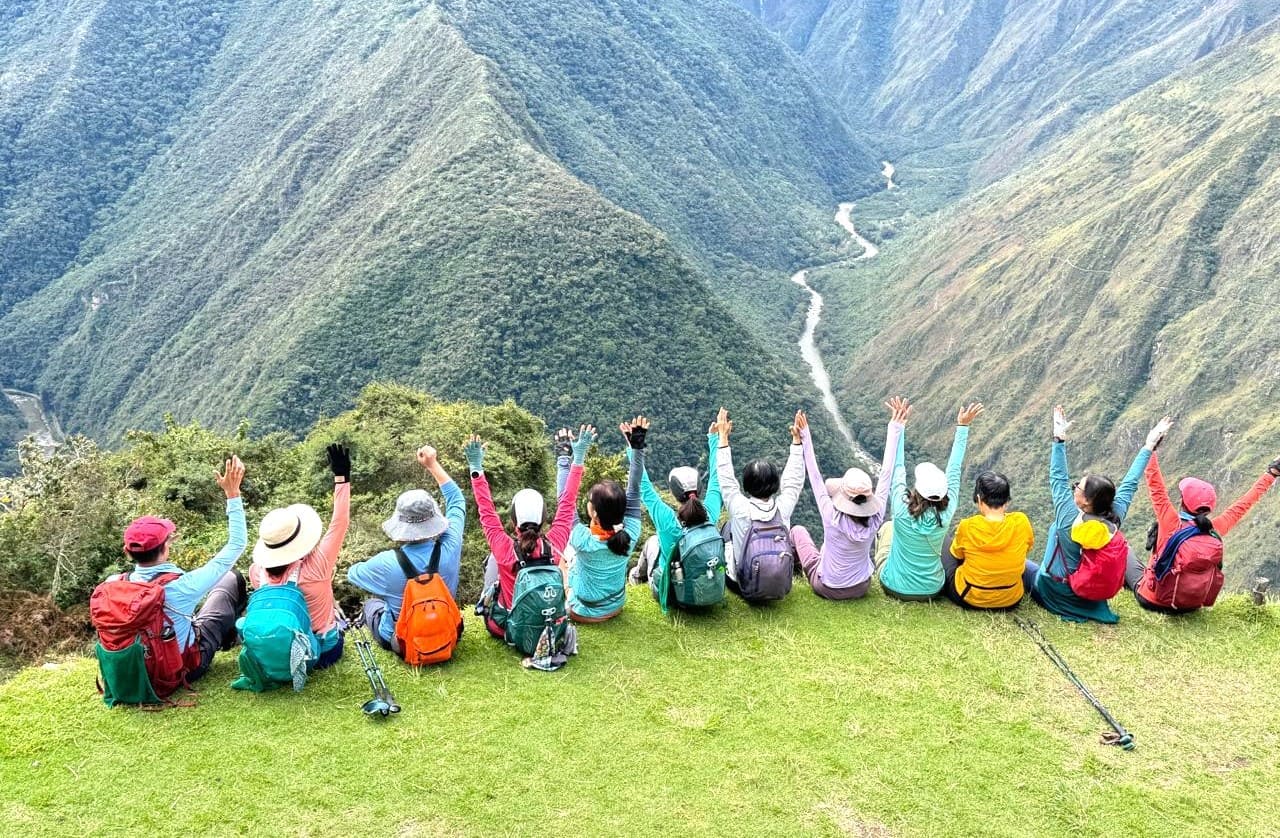
Hiking the Inca Trail to Machu Picchu is one of South America's most exciting adventures. Because the route is strictly controlled and permits are limited, choosing the right tour operator is an important step in planning your trip.
With so many agencies offering similar packages, finding the best Inca Trail tour operator in Peru can feel overwhelming. Prices vary a lot, services can differ, and not every company meets the same standards.
Many travelers don’t realize that only a few licensed companies are allowed to run tours on the Inca Trail. That’s why picking the right operator matters even more.
This full 2026 guide will help you with:
- The top Inca Trail tour companies, chosen for their experience, reputation, and quality of service
- Tips on comparing operators and avoiding common booking mistakes
- What sets budget, premium, and luxury Inca Trail tours apart
- Important regulations and permits you should know about before booking
Whether you’re looking for an affordable trek, a luxury trip, or a reliable local company, this guide will help you choose with confidence.
Now, let’s look at the top Inca Trail operators and what makes each one unique.
Best Inca Trail Tour Operators in Peru (Top Picks for 2026)
Looking for the best Inca Trail tour companies? Here’s a carefully chosen list of Peru’s most reliable and top-rated operators, selected for their experience, quality of service, and traveler reviews.
Choosing the right Inca Trail operator is an important part of planning your trek to Machu Picchu. While many companies offer similar routes, your experience can vary depending on how they run their trips, the quality of their guides, group sizes, and their ethical standards.
Here is a list of some of the best Inca Trail tour operators in Peru, featuring both well-known international companies and trusted local experts.

What makes an Inca Trail tour operator the best?
Selecting an Inca Trail tour operator requires more than comparing itineraries or prices. Because the Inca Trail is a regulated, high-altitude trek, the operator’s quality directly impacts your comfort, safety, and overall experience.
A reliable company demonstrates transparency, professionalism, and operational expertise. Understanding what to assess before booking helps you avoid issues and ensures your trek to Machu Picchu is well organized from start to finish.
A trustworthy Inca Trail company should provide:
1.- Official license and permits
The most important factor is confirming the company is a licensed Inca Trail operator authorized to obtain government-issued permits.

You should verify:
- Official registration and authorization
- Direct permit access
- Clear confirmation of your permit details
- Transparent booking policies
2.- Experienced and professional guides
Your guide is central to your Inca Trail experience. In addition to leading the route, they interpret archaeological sites, explain Inca history, and coordinate the group.

Look for operators that provide:
- Certified bilingual guides
- High-altitude trekking experience
- Knowledge of archaeology and local culture
- Emergency training
3.- Ethical porter treatment
The treatment of porters and support staff is equally important. Ethical labor practices and proper equipment reflect the operator’s professionalism.
Responsible companies pay fair wages, provide proper gear for porters, and make sure they work in good conditions. This is important for sustainable tourism.
4.- High-quality logistics
A reputable Inca Trail operator manages logistical details that travelers may not notice but always experience.
This includes:
- Quality camping tents
- Sleeping gear ( sleeping bag, mattrasses )
- Dining tents and meal planning
- Organized campsite reservations
- Structured daily pacing
Effective logistics ensure smoother transitions, less stress, and a more enjoyable trek.
5.- Clear Communication and Pre-Trek Support
A professional operator provides detailed pre-trek information ( briefing section, usually at 6pm at your hotel or their office), such as:
- Packing lists
- Acclimatization recommendations
- Travel coordination advice
- Permit and passport guidance
- extra porter weight ( for that they will give you duffle bag) in Champions Peru Travel is included 7k extra porter.
Clear communication before arrival often indicates how organized your trek will be.
Before booking your Inca Trail adventure, carefully evaluate these factors. Choosing a licensed and experienced operator ensures your journey to Machu Picchu is safe, organized, and culturally enriching.
6.- Strong and recent reviews
If travelers keep leaving positive reviews, it’s a good sign the company is reliable.
Top Inca Trail Tour Companies (2026 Ranking)
Here are some of the best tour operators, picked for their strong reputations, reliable service, and great experiences.
1.- Alpaca Expeditions
This company is known for treating its porters well and providing excellent service. Travelers often choose them for their good organization, tasty food, and knowledgeable guides.
2.- Llama Path
They were among the first to promote sustainable tourism on the Inca Trail and are known for being reliable and well-organized.
3.- Intrepid Travel
This global travel company offers well-planned tours and is a good choice if you want a trip organized by an international team.
4.- G Adventures
This company is popular with travelers who want good prices and quality. Their treks are well-organized and led by experienced guides.
5.- Champions Peru Travel (Local Expert Operator)
Champions Peru Travel is a leading local tour operator based in Cusco, specializing in personalized Inca Trail experiences designed for small groups. The company focuses on tailor-made itineraries, flexible service, and strong local expertise, creating a more customized and traveler-focused experience.
Their attention to detail and deep knowledge of the region make them an excellent choice for those seeking an authentic, less commercial, and well-organized journey to Machu Picchu.
6.- Qoricancha Expeditions (Recommended)
Qoricancha Expeditions is a top-rated Peruvian tour operator based in Cusco, known for its premium service, small group sizes, and authentic Inca Trail experiences. Their indigenous-led management brings a unique cultural perspective, creating a more authentic and meaningful journey.
Travelers consistently highlight their attention to detail, personalized service, and high-quality organization, making them a reliable choice for those seeking a memorable and well-managed trek to Machu Picchu.
7.- SAM Travel
SAM Travel is a reputable Cusco-based tour operator, offering reliable Inca Trail tours with strong organization and competitive pricing. They are a good choice for travelers seeking both quality and affordability.
8.- AB Expeditions
AB Expeditions is a respected local operator in Cusco, known for prioritizing customer experience and professional service. They are popular with travelers who value well-organized treks and consistently positive feedback.
9.- Evolution Treks
Evolution Treks is a trusted Cusco-based operator, providing personalized Inca Trail experiences with attention to detail and flexible service. Their approach suits travelers seeking a customized and authentic adventure.
10.- Inca Trail Reservations
Inca Trail Reservations is a recognized Cusco tour operator, offering a range of Inca Trail tours with accessible and straightforward booking. They are a strong option for travelers seeking simple, well-structured treks.
Why Comparing Inca Trail Operators is Essential
Many travelers assume all Inca Trail tours are alike, but they actually differ in important ways.
The itineraries may seem similar, but what really sets tours apart are details such as:
- The quality of guides
- Group size and organization
- Food and equipment standards
- Overall customer experience
Choosing the right operator can turn your trek into a smooth, memorable experience rather than a stressful or uncomfortable one.
Quick Tips for Choosing from This List
Before booking, keep these points in mind:
- What type of experience do you prefer: budget, mid-range, or premium?
- Do you prefer a small group or a larger, more social setting?
- How important are ethics and sustainability to you?
- Are you booking directly or through an agency?
Considering these factors will help you choose the operator that best fits your travel style.
How to Choose the Best Inca Trail Tour Operator: A Complete Guide
Not sure which Inca Trail operator to choose? This step-by-step guide will help you compare your options, avoid common mistakes, and make a confident decision.
Finding the right Inca Trail tour operator is not just about getting the cheapest deal. It is also about your safety, comfort, and making sure you have a great experience on this famous trek.
Because many companies have similar itineraries, it is important to look beyond the marketing and focus on what really matters.
How Many Inca Trail Tour Operators Are Officially Licensed?
A lot of travelers wonder how many Inca Trail tour operators are officially licensed to run this famous trek. The Peruvian government has strict rules for the Inca Trail, so not every company you find online is allowed to operate it.
There are 240 officially licensed Inca Trail tour companies for 2026. Out of these, only about 50 run trips on the trail regularly, with groups leaving every day or several times a week or month. The others only organize a few groups each month, so you rarely see them on the trail.
Understanding how licensing works and why it matters can help you avoid confusion, get your permits properly, and make sure your trek is legal and well organized.
Make Sure the Operator is Officially Licensed
Make sure the company you choose is allowed to operate on the Inca Trail.
The Peruvian government decides who can use the trail, so only licensed tour operators can organize treks.
If you book with a company that isn’t authorized, you might face:
- Cancelled tours
- Loss of money
- Serious disruptions to your travel plans
- terrible vacation experience
Always check that the operator is registered and has the right permits.
Compare Group Size and Experience
Group size can make a big difference to your trip.
- Small groups (2 to 8 people): More personalized attention, better pace, and a more intimate experience
- Large groups (10 or more people): Lower cost, but less flexibility and more crowded campsites
If comfort and a better experience matter to you, smaller groups are usually the best choice.
Evaluate the Quality of the Guides
Your guide will be with you for the entire trek, so their experience really matters.
A great guide should:
- Have deep knowledge of Inca history and culture
- Communicate clearly in your language
- Be trained in first aid and altitude management
- Create a positive and supportive group environment
An experienced guide can significantly enhance your trekking experience.
Analyze What’s Included in the Tour
Not all Inca Trail tours offer the same services, even if they look similar at first.
Always check:
- Entrance permits to the Inca Trail and Machu Picchu
- Transportation & train tickets (pickup and return)
- Camping equipment (tents, sleeping mats)
- Meals and food quality ( if they take care any food restrictions)
- Extra Porter services, private toilet.
Lower-priced tours may exclude essential features or use inferior equipment.
Check Reviews and Reputation
Reviewing recent traveler feedback is an effective way to assess a company.
Look for:
- Consistency in positive feedback
- Detailed experiences (not just ratings)
- Comments about guides, food, and organization
Watch out for:
- Only perfect reviews (may seem unnatural)
- Very few reviews or outdated feedback
Understand Pricing Differences
Inca Trail tour prices vary widely, and lower cost does not always indicate better value.
Lower prices may reflect:
- Larger group sizes ( 14 to 16 people per group)
- Lower-quality equipment ( as they have large groups they often use old quality equipment )
- Poor porter conditions ( do not provide uniform, enough food and poor salary which ends in unhappy staff.
- Cheapest tour operators usually hire less experience tour guide, only training chef who will not be able to take care any food restrictions.
- current Inca Trail 4days/ night Cost: $ 600 to $700
Higher prices often include:
- Better service: Experienced tour guide, a certified chef, highly trained porters
- Smaller groups: 6 to 12 people average
- Higher comfort levels: top quality equipment, extra porters per person, private toilet.
- Primiums Experiences & happy clients
- Current Inca Trail 4d3n Cost: $750 to $850
Prioritize overall value rather than price alone.
Decide Between Local Operators and Agencies
Decide whether to book directly with a local operator or through an reseller Agency.
Local operators often offer:
- Better pricing: you talk and negociate directly with the operator, No comitions fees
- Direct communication: mades your trip clear in tour requirements, food restrictions, rentals.
- More personalized service: means you will have great time and experience on the hike
Reseller Agencies or platforms may provide:
- Easier planning:
- Bundled travel services.
Your choice depends on how much control and flexibility you want when booking your Inca Trail tour.
If you book through a reseller agency or platform such as Viator, Booking or GetYourGuide, be aware that these platforms charge high commission fees and work with local tour operators who run the tours. This often increases costs and may lead to communication gaps.
These platforms often lack real-time availability, so travelers may be notified after booking that their chosen dates are unavailable. Important details may also be missed, leading to misunderstandings and a less satisfactory experience.
We recommend booking directly with a local Inca Trail tour operator for better communication, greater flexibility, and a more personalized experience.
Booking locally also supports the local economy. Many tour operators contribute to their communities through social and sustainable tourism programs.
Common Mistakes to Avoid When Choosing an Operator
Travelers often make avoidable mistakes when booking an Inca Trail tour:
- Choosing based only on price, lower better
- Not checking if the company is licensed
- Ignoring porter welfare
- Booking too late and missing permits
- Not reading recent reviews
Avoiding these mistakes can greatly improve your overall experience.
Quick Checklist before Booking
Before making your final decision, consider the following questions:
- Is the operator licensed and authorized?
- Are reviews recent and consistent?
- Does the tour include everything you need?
- Are group sizes reasonable?
- Do they follow ethical practices?
If you answered yes to all, you are likely making a sound decision.
Who Regulates the Inca Trail in Peru?
Have you ever wondered who manages access to the Inca Trail and why the rules are so strict? Knowing how the system works can help you choose the right tour operator.
The Inca Trail is not just a hiking route. It is a protected place with historical and natural importance. Because it is so valuable and delicate, the Peruvian government controls access through specific organizations.
Knowing who is in charge of the Inca Trail helps you:
- Avoid scams or unauthorized operators
- Understand why permits are limited
- Make informed and responsible booking decisions
The Main Authorities That Control the Inca Trail
Two main government organizations are in charge of regulating and protecting the Inca Trail:
1.- Ministerio de Cultura del Perú ( Ministry Culture of Peru)
This group protects Peru’s archaeological sites, including the Inca Trail and Machu Picchu.
Its main responsibilities include:
- Preserving archaeological sites along the trail
- Regulating visitor access to protect historical structures
- Issuing and controlling Inca Trail permits
- Ensuring compliance with cultural preservation laws
Simply put, their job is to make sure tourism does not damage the Inca civilization’s historical legacy.
2.- SERNANP (National Service of Natural Protected Areas)
SERNANP looks after the environment along the Inca Trail, which goes through sensitive ecosystems in protected areas.
Their responsibilities include:
- Protecting biodiversity along the trail
- Monitoring environmental impact from tourism
- Enforcing conservation policies
- Supporting sustainable tourism practices
They help protect nature along the trail so future generations can enjoy it as well.
Why the Inca Trail is so strictly Controlled
The Inca Trail has stricter rules than other hiking routes in Peru because it is unique for its culture and nature.
Key reasons include:
- Preservation of archaeological sites: The trail has ancient Inca ruins that are very fragile and need to be protected.
- Environmental conservation: The trail goes through different ecosystems that can be easily harmed if too many people visit.
- Visitor safety and organization: By limiting access, the authorities make the trail safer, more organized, and easier to manage for everyone.
Daily Visitor Limits and Permit System
One of the main rules is that only a certain number of people can enter the Inca Trail each day.
- Only a fixed number of permits are issued daily ( 500 permits for the Classic Inca Trail 4D3N nad 250 permits for the Short Inca Trail)
- This number includes tourists, guides, and porters
- Permits are tied to licensed tour operators: only they have acces to see the real number of permits available remains per day
This is why there are only a few spots each day, so it’s important to book in advance and with authorized local tour operator.
How Regulations affect Tour Operators
Not all travel companies are allowed to operate Inca Trail tours.
To operate legally, companies must:
- Be officially registered and authorized by SERNANP and Ministry of Culture
- Comply with strict regulations
- Work within the permit system
That’s why you need to choose a licensed operator. It’s required by law.
What This Means for Travelers
Understanding how the Inca Trail is regulated can really help you plan your trip.
You will be able to:
- Identify legitimate tour operators
- Understand pricing differences
- Avoid unreliable or illegal companies
- Plan your booking timeline more effectively
In the end, knowing this helps you make safer and smarter choices.
How Tour Companies Become Official Inca Trail Operators
Not all travel companies can offer Inca Trail tours. Here’s what it takes to become an authorized operator in Peru.
Many travelers assume any tour agency can organize an Inca Trail trek, but in fact, becoming an official operator is a complex process that is tightly regulated by the Peruvian government.
Only a few companies meet all the legal, operational, and logistical requirements needed to operate on the Inca Trail.
Understanding this process helps you:
- Recognize legitimate companies
- Avoid unauthorized agencies
- Understand why prices and availability vary
Legal Registration and Business Requirements
Before even applying to operate on the Inca Trail, a company must be legally established in Peru.
This includes:
- Formal registration as a tourism business given by GERCETUR (regionally) under the oversight of MINCETUR, Peru's national tourism ministry.
- Compliance with national tourism regulations
- Tax registration and legal documentation (SUNAT)
Without these basics, a company cannot move forward with the authorization process.
Authorization from Government Institutions
To run tours on the Inca Trail, companies have to follow strict rules set by:
- Ministerio de Cultura del Perú
- SERNANP
These organizations make sure the company can operate responsibly in protected cultural and natural areas.
Requirements may include:
- Demonstrating operational capacity ( they require and verify your camping equipment, office, list of staff- Guides, Chefs, porters )
- Meeting environmental and cultural protection standards
- Following strict tourism guidelines
Access to the Inca Trail Permit System
One of the most important steps is getting access to the official permit system.
Only authorized operators can:
- Reserve Inca Trail permits: for all inca trail versions: 4 days, 5 days, 7 days or 2 days.
- Assign permits to travelers: on any available date
- Organize trekking groups
This is why travelers cannot book the Inca Trail on their own. You have to go through a licensed operator.
Operational Capacity and Logistics
Tour operators have to prove they can handle all the logistics of the trek.
This includes:
- Hiring trained and certified guides
- Employing porters under regulated conditions
- Providing proper camping equipment
- Managing transportation and food services
Authorities expect agencies to always provide safe and well-organized trips.
Compliance with Ethical and Safety Standards
Operators also have to follow ethical and safety guidelines, such as:
- Fair wages and working conditions for porters
- Weight limits for porter loads. according Porters law regulation, they may carry 20k belong to the company and 5k of their belongings.
- Proper equipment and uniforms & enough food for the entire hike
- Emergency preparedness and first aid training
These standards are becoming more important in modern tourism and are closely monitored.
Limited Number of Authorized Operators
Not every company that applies is approved.
The number of operators is limited due to:
- Environmental protection policies
- Permit restrictions
- Infrastructure limitations on the trail
This is one reason why competition is high and spots are limited.
What This Means for Travelers
Knowing how tour operators get authorized helps you make a better choice when picking a company.
It means:
- You should only trust licensed operators
- Prices reflect real operational costs and regulations
- Not all companies have equal access or experience
In the end, booking with an authorized operator means your trip will be safer, more reliable, and meet all legal requirements.
Why Only Licensed Companies Are Allowed on the Inca Trail
Have you ever wondered why you can’t hike the Inca Trail on your own? Here’s what’s really behind these strict rules.
Many travelers ask why it isn’t possible to hike the Inca Trail alone or book it without going through a tour operator.
The Inca Trail is different from most other trekking routes because it is highly protected and access is tightly controlled. That’s why only licensed tour operators can organize and manage trekking groups.
These rules aren’t just to limit travelers. They’re there to protect the trail, keep everyone safe, and help preserve one of the world’s most important cultural sites.
Protection of a World Heritage Site
The Inca Trail is part of a protected archaeological network that leads to Machu Picchu.
Authorities like the Ministry of Peruvian Culture (Ministerio de Cultura del Perú) work to preserve these ancient structures, many of which are fragile and cannot be replaced.
Allowing unrestricted access would lead to:
- Damage to archaeological remains
- Loss of historical integrity
- Irreversible deterioration of the site
By controlling who can visit, authorities help make sure the site stays protected for years to come.
Environmental Conservation
The trail goes through sensitive areas, like cloud forests and protected natural zones.
SERNANP keeps an eye on the environmental impact and makes sure conservation rules are followed.
Without strict control, mass tourism could result in:
- Soil erosion
- Damage to native flora and fauna
- Increased pollution and waste
Limiting access helps protect the area’s plants and animals and keeps nature in balance.
Safety and Organization of the Trek
The Inca Trail is more than just a scenic walk. It involves:
- High-altitude trekking
- Remote locations
- Changing weather conditions
Licensed tour operators take care of:
- Managing logistics and routes
- Providing trained guides
- Handling emergencies
Without this system, travelers would be at much higher risk.
Control of Visitor Numbers
Only 500 permits are allowed on the Classic Inca Trail each day, and 250 for the short Inca Trail
This includes:
- Tourists
- Guides
- Chef & Porters
By letting only licensed operators manage access, authorities can:
- Prevent overcrowding
- Maintain trail conditions
- Ensure a better overall experience.
This is why permits often sell out months in advance. book at least 4-6 months in advance in order to get your permits for the best departure date.
Accountability and Regulation
Licensed operators are responsible for how they run their tours.
They must:
- Follow strict regulations
- Respect porter welfare laws
- Maintain safety standards
- Operate within legal frameworks.
If a company doesn’t follow the rules, it can lose its license.
This system helps ensure accountability and quality control.
Why Independent Hiking is Not Allowed
Unlike other treks in Peru, you can’t access the Inca Trail on your own.
This is because:
- There are no open entry points for solo hikers.
- Permits are issued only through operators.
- Checkpoints verify authorized access.
If you try to enter without permission, you could be fined or turned away.
What This Means for Travelers
For travelers, this system means:
- A safer trekking experience
- Better organization and logistics
- Protection of the trail for future visitors
These rules might seem strict at first, but they actually make your experience better and help protect the Inca Trail for future generations.
Ethical Inca Trail Tour Companies: What Responsible Travel Really Means
Not all Inca Trail tours are the same. Choosing an ethical operator supports local communities and helps protect the environment.
More travelers now prioritize responsible travel over price or convenience. This is especially important on the Inca Trail, where tourism affects local workers, communities, and fragile ecosystems.
Ethical Inca Trail operators aim to provide an excellent experience while treating porters fairly, protecting the environment, and respecting local culture.
Why Ethical Tourism Matters on the Inca Trail
The Inca Trail is one of the world’s most popular trekking routes. Without responsible management, tourism can do real harm here.
Ethical tourism helps to:
- Protect the environment and natural ecosystems.
- Preserve cultural heritage
- Support local communities economically.
- Improve working conditions for porters.
When you choose the right operator, your trip can make a positive difference instead of causing harm.
Porter Welfare: A Key Factor to Consider
Porters are vital to every Inca Trail trek. they are the backbone of the tour operators, They carry gear, cook meals, and make sure everything goes smoothly. without them is not possible to hike the trail.
Unfortunately, some companies don’t treat porters fairly.
A responsible operator should ensure:
- Fair wages and timely payments
- Reasonable weight limits for loads
- Proper equipment and clothing
- Access to good food, shelter, and medical support
The way a company treats its porters is one of the best signs of a quality operator. once you are on the Inca Trail is easy to recognize these diferences.
Environmental Responsibility and Sustainability
The Inca Trail passes through protected natural areas, so taking care of the environment is very important.
Ethical operators follow practices such as:
- Minimizing waste and plastic use
- Proper waste disposal and cleanup
- Respecting wildlife and vegetation
- Using sustainable camping practices
These actions help keep the trail beautiful and healthy for future generations.
Supporting Local Communities
Choosing a local agency often means you directly support communities in the Cusco region. Avoid booking throuhg Platforms or Reseller Agencies.
Responsible companies:
- Hire local staff
- Source food and supplies locally
- Contribute to community development.
- do many social proyects, like tree planting, school supplies, Health campaens, etc
This supports the local economy and helps keep local culture strong.
How to Identify an Ethical Tour Operator
Before booking, look for clear signs that a company acts responsibly:
- Transparent information about porter conditions
- Commitment to sustainability practices
- Certifications or ethical policies
- Positive reviews mentioning staff treatment, you may find it in travel forums.
- Clear communication about their practices. If a company doesn’t mention these things, it’s smart to ask about their practices.ctices.
The Difference Between Ethical and Cheap Operators
Cheaper tours often cut costs in ways that affect:
- Porter wages
- Equipment quality
- Food standards
- Overall experience
Not every budget operator is unethical, but very low prices may indicate potential issues.
Paying slightly more often ensures better staff treatment and a higher-quality experience.
Why Many Travelers Prefer Ethical Operators Today
Today, more travelers value:
- Authentic experiences
- Responsible tourism
- Meaningful travel impact
Choosing an ethical operator aligns with these values and enhances your overall trek.
Example of a Responsible Local Operator
Many local companies in Cusco now follow responsible tourism practices and focus on providing travelers with more personalized experiences.
Companies like Champions Peru Travel emphasize:
- Small group sizes
- Fair porter treatment
- Local expertise and cultural connection
This approach creates a more authentic, respectful, and memorable Inca Trail experience.
Cheapest Inca Trail Tour Companies: Pros, Cons & Hidden Risks
If you are considering the cheapest Inca Trail tour, review these key factors before booking.
Many travelers seek affordable Inca Trail tours, and prices can vary significantly between operators. Choosing the lowest price may seem appealing.
However, not all budget Inca Trail tours provide equal value. The lowest price often involves important trade-offs.
Understanding what influences price can help you make an informed decision.
Why Some Inca Trail Tours Cost Less
Several factors contribute to lower prices among operators:
- Larger group sizes (more people, lower cost per person)
- Basic or lower-quality camping equipment
- Simpler meals or limited menu options
- Less experienced guides
- Reduced operational costs
Lower prices do not always indicate poor quality, but they usually mean a more basic experience.
Benefits of Choosing a Budget Inca Trail Operator
Budget options can be suitable for certain travelers.
Advantages include:
- Lower overall travel cost
- Access to the Inca Trail experience at a more affordable price
- Suitable for travelers who prioritize adventure over comfort
With realistic expectations, a budget tour can still be enjoyable.
Drawbacks and Limitations of Budget Tours
Lower-cost tours often involve specific compromises:
- Larger and less personalized groups
- Basic or worn-out equipment
- Less variety and quality in meals
- Limited flexibility during the trek
- More crowded campsites
These factors may impact your comfort and overall experience.
Hidden Risks to Consider
Many travelers encounter issues with very low-cost operators.
Some very cheap operators may:
- Cut costs on porter wages and working conditions.
- Use lower-quality or insufficient equipment.
- Lacks proper organization or logistics.
- Have less experienced staff.
Extremely low prices may signal poor practices.
How to Identify a Good Budget Operator
How to Identify a Reliable Budget Operator: Some Tips to Help You Choose Wisely:
- Check recent and detailed reviews.
- Confirm what is included in the price.
- Verify the operator is licensed.
- Look for transparency in their services.
- Avoid prices that seem unrealistically low.
A reputable budget tour should meet essential quality and ethical standards.
Price Versus Value: Key Considerations
Do not focus solely on price; consider the overall value of the experience.
Ask yourself:
- What level of comfort do I expect?
- How important is food quality and equipment?
- Do I prefer a small group or a larger one?
In some cases, paying slightly more can result in a significantly better experience.
When a Budget Tour May Be Appropriate
A lower-cost Inca Trail operator may be suitable if:
- You are an experienced trekker.
- You don’t mind basic conditions.
- You are traveling on a tight budget.
- Comfort is not your top priority.
When to Avoid the Cheapest Option
Consider alternatives to the lowest-priced option if:
- You want a more comfortable experience.
- You value high-quality service.
- You prefer smaller groups
- Ethical practices are important to you.
Premium vs Luxury Inca Trail Tour Operators: What’s the Difference?
If you are seeking a more comfortable or exclusive Inca Trail experience, this guide compares premium and luxury tours to help you determine which best fits your needs.
Not all Inca Trail tours are alike. While some travelers look for budget options, others want a more comfortable, personalized, or high-end experience.
Premium and luxury Inca Trail tour operators address these preferences.
Both options provide higher-quality services than standard tours, but they differ in comfort, exclusivity, and overall experience.
What Defines a Premium Inca Trail Tour?
Premium tours are designed for travelers seeking enhanced comfort without the full luxury experience.
Typically, premium operators offer:
- Smaller group sizes (more personalized experience)
- Better quality camping equipment
- More diverse and higher-quality meals
- Experienced and highly trained guides
- Well-organized logistics
Premium tours offer a balance of comfort, quality, and value.
What Defines a Luxury Inca Trail Tour?
Luxury tours provide an elevated experience, emphasizing exclusivity and maximum comfort.
Luxury operators may include:
- Private or very small group treks
- High-end camping equipment (spacious tents, upgraded bedding)
- Gourmet meals prepared by professional chefs
- Additional staff for personalized service
- Extra amenities (portable toilets, showers, etc.)
These tours are ideal for travelers seeking the highest level of comfort and service.
Key Differences Between Premium and Luxury Tours
Understanding these differences can help you select the most suitable option:
Premium Tours:
- Comfortable but still adventurous
- Small groups
- High-quality service
- More affordable than luxury
Luxury Tours:
- Maximum comfort and exclusivity
- Private or near-private experience
- High-end services and amenities
- Significantly higher cost
The primary distinction is the level of comfort and personalization offered.
Is a Luxury Inca Trail Tour Worth It?
For some travelers, a luxury tour is well worth the investment.
Luxury tours are ideal if:
- You want a once-in-a-lifetime experience.
- Comfort is a top priority.
- You prefer privacy and exclusivity
- Budget is not a major concern.
However, for many travelers, a premium tour provides an excellent balance of comfort and cost.
Who Should Choose a Premium Tour?
A premium tour is an excellent choice if:
- You want better comfort than budget tours
- You value good food and organization.
- You prefer smaller groups.
- You want quality without paying luxury prices.
This option is often the most popular among experienced travelers.
The Role of Local Operators in Premium Experiences
Many local companies in Cusco now provide premium services with a personalized approach.
Companies like Champions Peru Travel provide:
- Small group experiences
- Strong local knowledge
- Flexible services tailored to travelers’ needs
This makes them a strong alternative to larger international premium operators.
How to Choose Between Premium and Luxury
Before making a decision, consider the following:
- Your budget
- Desired comfort level
- Group size preference
- Importance of exclusivity
Selecting the right option ensures your Inca Trail experience aligns with your expectations.
Inca Trail Permits Explained (Availability, Rules & Booking Tips)
If you plan to hike the Inca Trail, understanding the permit system is essential to securing your place.
A critical aspect of booking an Inca Trail tour is understanding the permit system. The Peruvian government strictly limits and controls access to the Inca Trail, unlike other treks.
As a result, every trekker requires a permit, which often sells out months in advance.
By understanding the system, you can plan effectively, avoid common mistakes, and secure your place on this renowned route.
Why Are Inca Trail Permits Limited?
The daily number of permits is restricted to protect the environment and archaeological sites along the trail.
Authorities such as the Ministerio de Cultura del Perú and SERNANP regulate access to ensure:
- Preservation of ancient Inca ruins
- Protection of natural ecosystems
- Control of tourism impact
- Better overall experience for visitors
For these reasons, the Inca Trail cannot accommodate unlimited visitors.
How Many Permits are Available per Day?
According to Inca Trail to Machu Picchu regulations, the Inca Trail is open from March 1 to January 31 of the following year. Permits are released each October for the upcoming year, with the Ministry of Culture announcing the sale dates.
500 permits are available for the Classic Inca Trail and 250 for the short 2 day route. These cover hikers, guides, chefs, and porters, with more permits allocated to porters than hikers. For example, a group of 10 hikers requires 2 guides, 1 chef, and 18 porters. As many permits go to trekking staff, permits sell out quickly, especially from May to September.
This controlled system ensures:
- Preservation of the original stone pathways
- Protection of archaeological complexes
- Sustainable tourism management
- Safer trekking conditions
Due to these limits, permits often sell out quickly, especially during peak travel months.
When Should You Book Your Inca Trail Tour?
Timing is crucial when planning your trip.
High season (May to September):
- Book 4 to 6 months in advance
- Popular dates sell out very quickly
Shoulder and low season:
- Book 2 to 4 months in advance
If you wait too long, permits may not be available for your preferred dates.
How the Permit System Works
The permit system operates through licensed tour operators.
Important things to know:
- Permits are issued in your name and under your passport.
- They are non-transferable and non-refundable
- Only authorised operators can secure permits
You cannot purchase a permit independently; it must be included with your tour booking.
What Happens if Permits are Sold Out?
If permits are no longer available, you still have options:
- Change your travel dates.
- Book further in advance for another time
- Consider alternative treks such as Salkantay or Lares.
Flexibility can help ensure you do not miss out on the experience.
Common Mistakes When Booking Permits
Many travellers miss out due to avoidable mistakes:
- Waiting too long to book
- Not checking availability in advance
- Assuming permits are always available
- Booking flights before securing permits
Advance planning is essential.
Tips to Secure Your Inca Trail Permit
To improve your chances of obtaining a permit:
- Book as early as possible
- Travel during less busy months if your schedule allows
- Choose a reliable and responsive operator.
- Confirm availability before finalising travel plans.
Early planning is key to securing your permit.
Why Permits Affect Tour Prices
The limited number of permits directly affects tour pricing.
Because access is restricted:
- Demand is high
- Availability is limited
- Operators must plan logistics carefully.
This is one reason Inca Trail tours are not considered “cheap” compared to other treks.
Before finalizing your trip, check permit availability with a licensed Inca Trail tour operator and book as early as possible. Early planning ensures your preferred dates and proper registration.
For more information about Inca Trail permit availability, please check here.
Direct Tour Operator or Travel Agency: Which Is Right for You?
Deciding between a local operator and a travel agency can impact your costs and overall travel experience. Understanding the differences will help you make an informed choice.
When planning an Inca Trail trek, a key decision is how to book your tour. There are two primary booking methods:
- Booking directly with a local tour operator
- Booking through an intermediary travel agency or platform
Both options will take you to Machu Picchu, but they differ in terms of experience, pricing, and the level of control you have over your trip.
If you want to suppoort local economi, highly recomedn you book directly with Local operator and skip resellers Agencies or platforms as they work for huge comition fee.
What is a Direct Inca Trail Tour Operator?
A direct operator is a licensed Peruvian company authorized to conduct Inca Trail tours.
These companies:
- Manage permits directly
- Employ their own guides and porters.
- Organize logistics (transport, food, equipment)
- Operate the trek themselves.
In summary, these companies are responsible for operating your tour.
What is a Travel Agency or platform?
A travel agency acts as an intermediary between you and the tour operator.
They typically:
- Sell tour packages
- Handle communication and booking.
- Work with local operators behind the scenes.
In most cases, the agency does not operate the trek directly.
Advantages of Booking Directly with an Operator
Booking directly with a local operator offers several advantages:
Better pricing: Without intermediary fees, you often receive better value for your money.
Direct communication: You communicate directly with the company organizing your trek, making it easier to ask questions and customize your experience.
Greater flexibility: Local operators can more easily accommodate your specific needs, including:
- Dietary requirements
- Group preferences
- Travel adjustments
More transparency: You have clear information about who is operating your tour and what to expect.
Advantages of Booking Through an Agency
Travel agencies may be preferable in certain situations.
Easier planning: This option is ideal if you prefer comprehensive planning, especially when visiting multiple destinations.
Bundled services: Some agencies provide packages that include:
- Flights
- Hotels
- Additional tours
Convenience: All arrangements are managed in one place, which can save you time.
Key Differences Between Licensed Operators vs. Reseller Agencies
Many travel agencies offer Inca Trail packages, but there is an important difference between two types of companies.
- Licensed Inca Trail tour operators
- Reseller or intermediary agencies
Licensed operators:
- Purchase permits directly from the government
- Operate their own trekking groups
- Employ certified guides and trained porters
- Manage logistics internally
Reseller agencies:
- Buy spaces from licensed operators
- Do not directly manage daily operations
- Act as intermediaries between the traveler and the operator
You can book with either type of company, but booking directly with a licensed operator usually means better communication and more accountability.
feature | Licensed Inca Trail tour operator | reseller Agency |
Purchases permits directly | yes | no |
Operates own trekking groups | yes | no |
employs guides & porters directly | yes | no |
direct control over logistics | full control | limited control |
communication flow | direct & clear | may involve intermediaries |
accountability | direct responsability | sahreresponsability |
This table highlights why understanding a company's business model is important before booking.
Why Working with a Licensed Operator Protects You
Choosing a licensed Inca Trail tour operator helps lower risks like these:
- Permit mismanagement
- Overbooking
- Lack of accountability
- Inconsistent service standards
Permits are limited and often sell out months in advance, so it’s important to make sure your operator has direct access to government-issued permits.
Before booking, travelers can ask:
- Are you an officially licensed Inca Trail operator?
- Do you operate your own trekking groups?
- Can you confirm my permit registration?
Asking these simple questions can help you avoid problems later and make planning your trip easier.
Before you book, make sure the company you choose is a licensed Inca Trail tour operator with direct access to permits and control over the trek. Clear rules and transparency help make your trek safe and successful.
Why Many Travelers Prefer Local Operators Today
An increasing number of travelers are choosing to book directly with local companies.
This shift reflects travelers’ growing preference for:
- Authentic experiences
- Direct support for local businesses
- Better communication and transparency
Companies such as Champions Peru Travel exemplify this trend by providing personalized services and a direct connection with travelers.
Final Recommendation Before Booking
Before making your decision, consider the following:
- Do you want flexibility or convenience?
- Are you comfortable organizing parts of your trip?
- Is price an important factor?
Reflecting on these questions will help you select the booking option that best matches your travel preferences.
Why Champions Peru Travel Stands Out as an Inca Trail Tour Operator
If you are looking for a reliable, authentic, and personalized Inca Trail experience, consider these reasons why many travelers choose local operators like Champions Peru Travel.
Many travelers find that working directly with a trusted local company offers the most rewarding Inca Trail experience.
Champions Peru Travel is 100% Peruvian Tour Operator based in Cusco that delivers personalized trekking experiences with a strong commitment to service, safety, and responsible tourism. The company prioritizes quality, flexibility, and a deeper connection to the region rather than mass-market tours.
Licensed and Directly Operated Inca Trail Treks
Champions Peru Travel is a licensed Inca Trail operator with direct access to government-issued permits. As a result:
- Permits are secured directly
- Groups are internally managed
- Guides and porters are coordinated by the company
- Communication remains clear and centralized
Direct operational control minimizes confusion and ensures every aspect of the trek meets established standards.
Experienced Local Guides and Cultural Interpretation
A key factor in a memorable Inca Trail experience is the quality of interpretation along the route.
Champions Peru Travel works with experienced bilingual guides who explain:
- The history of the Inca civilization
- The purpose of archaeological sites along the trail
- The astronomical and cultural significance of Machu Picchu
- The environmental importance of the Andean ecosystem
This educational approach transforms the trek from a simple hike into a meaningful cultural journey.
Local Expertise and Deep Knowledge of the Inca Trail
Based in Cusco, Champions Peru Travel has direct access to the region, its culture, and the logistics of each trek.
This allows the team to:
- Provide accurate and up-to-date information.
- Adapt quickly to changes or special requests.
- Offer deeper insights into Inca history and local traditions.
This expertise leads to a more meaningful and informed experience.
Small Group Sizes for a more Personal Experience
Champions Peru Travel emphasizes smaller group sizes, unlike larger operators.
Benefits include:
- More personalized attention from guides
- A more flexible pace during the trek
- Better group dynamics
- Less crowded and more enjoyable experience
This approach greatly enhances comfort and enjoyment.
Commitment to Ethical and Responsible Tourism
Responsible tourism is a core part of the company’s approach.
Champions Peru Travel emphasizes:
- Fair treatment and proper working conditions for porters
- Respect for environmental regulations
- Sustainable practices during the trek
This ensures your trip has a positive impact on both staff & hikers and the environment.
Flexible and Personalized Service
The company adapts to individual traveler needs whenever possible to ensure a tailored experience.
This includes:
- Dietary preferences
- Travel schedules
- Group arrangements
- Special requests
This en unavailable with larger, more rigid operators.
Strong Focus on Customer Experience
From initial contact to the end of the trek, the company is dedicated to providing a seamless and enjoyable experience.
This includes:
- Clear communication before booking
- Well-organized logistics
- 24/7 Customer support throughout the journey
Attention to detail is essential for a stress-free adventure.
A Balanced Alternative to Large Tour Companies
Champions Peru Travel provides a balanced alternative for travelers evaluating their options:
- Budget operators (lower cost but basic experience)
- Large international companies (reliable but less personal)
The company combines local authenticity with high-quality service.
Is Champions Peru Travel the Right Choice for You?
This type of operator is ideal for those seeking:
- A more authentic and local experience
- Smaller groups and personalized service
- Ethical and responsible tourism practices
- A balance between quality and value
Final Thoughts on Choosing a Local Operator
Choosing the right Inca Trail tour operator involves more than price; it is about the experience you seek.
Working with a local company like Champions Peru Travel allows you to:
- Connect more deeply with the destination.
- Enjoy a more flexible and personalized trek.
- Support local communities directly.
For many travelers, this results in a more memorable and meaningful journey to Machu Picchu.
Frequently Asked Questions About Inca Trail Tour Operators (2026 Guide)
If you have questions before booking your Inca Trail tour, below are clear answers to the most common traveler concerns.
Choosing the right Inca Trail tour operator can be challenging, especially for first-time visitors to Peru. The following answers to frequently asked questions will help you make an informed decision.
Do I need to book the Inca Trail with a licensed tour operator?
Yes. The Inca Trail is regulated by the Peruvian government, and permits can only be purchased by licensed Inca Trail tour operators. Independent hiking is not allowed.
How far in advance should I book an Inca Trail tour?
Book your tour at least 4 to 6 months in advance, particularly if you plan to travel during the peak season from May to September.
Permits are limited and sell out quickly, so early booking is essential.
Can I hike the Inca Trail without a tour operator?
No. Independent trekking on the Inca Trail is not allowed.
You must book with a licensed tour operator, as only authorized companies can obtain permits.
How much does an Inca Trail tour cost?
Tour prices vary based on the type of experience you select:
- Budget tours: lower cost, more basic experience
- Mid-range / premium tours: better comfort and service
- Luxury tours: high-end experience with added amenities
Final pricing also depends on group size, inclusions, and overall tour quality.
What is included in most Inca Trail tours?
Most tours usually include:
- Inca Trail permits
- Professional guide
- Meals during the trek
- Camping equipment
- Porter services
- Transportation
However, inclusions may vary, so confirm details before booking.
How difficult is the Inca Trail?
The Inca Trail is typically rated as moderate to challenging.
It involves:
- High altitudes
- Long hiking days
- Steep ascents and descents
It is strongly recommended to prepare thoroughly and spend time acclimatizing in Cusco before your trek.
Is altitude sickness a concern?
Yes, altitude impacts many travelers.
To reduce the risk:
- Spend at least 2–3 days acclimatizing in Cusco.
- Stay hydrated
- Avoid strenuous activity upon arrival.
Are porters treated fairly on all tours?
Not always.
This varies by tour company. Responsible operators ensure porters receive:
- Fair wages
- Proper equipment
- Safe working conditions
Choosing a responsible operator is essential.
What happens if I can’t get a permit?
If permits are unavailable, consider the following options:
- Change your travel dates.
- Book well in advance for a future date.
- Consider alternative treks like Salkantay.
Is it better to book directly or through an agency?
Booking directly with a local operator often provides:
- Better prices
- More flexibility
- Direct communication
However, booking through an agency may be more convenient if you prefer a fully organized experience.
Why Choosing the Right Inca Trail Tour Operator Matters
Hiking the Inca Trail is not like booking a regular tour. The route is a protected heritage site with limited permits, strict rules, and complex logistics. Choosing the right tour operator directly affects your safety, comfort, permit security, and overall experience.
Many travelers focus only on price, but the true value of a licensed and experienced operator becomes clear when you are hiking through high mountain passes, remote campsites, and ancient sites.
If you choose carefully, your trip will be managed professionally from start to finish.
Are all Inca Trail Companies the Same?
Many Inca Trail companies may seem similar, offering comparable itineraries, pricing, and the same destination: Machu Picchu. However, key operational differences can significantly impact your experience.
Companies vary in their level of control, responsibility, and transparency. Recognizing these differences enables you to make a more informed and confident booking decision.
Are Inca Trail permits refundable or transferable?
No. Once permits are issued, they can’t be refunded or transferred. Names and dates can’t be changed, so make sure your passport details are correct when you book.
How many people are allowed per day on the Inca Trail?
The government limits how many people can use the trail each day to help protect it and the archaeological sites. This total includes trekkers, guides, and porters.
Last Tips Before You Book Your Inca Trail Tour
As you prepare to book your Inca Trail adventure, consider these final tips to help you make an informed decision and avoid common mistakes.
Planning your Inca Trail trek requires careful preparation, particularly when selecting a tour operator and securing permits. Review these key points before booking to ensure a smooth experience.
Book Early to Secure Your Spot
One common mistake is delaying your booking.
Permits are limited, so consider the following:
- Popular dates sell out months in advance.
- Last-minute availability is very rare.
Booking early provides greater choice and flexibility.
Don’t Choose based on price Alone
While budget is important, the lowest price does not always offer the best value.
Lower prices can mean:
- Larger groups
- Lower-quality equipment
- Less experienced guides
Evaluate the overall value, not just the cost.
Prioritize Licensed and Reputable Operators
Ensure you select a company that is:
- Officially authorized
- Well-reviewed
- Transparent about its services
This approach ensures a safer and more reliable trip.
Check What’s Included Before Booking
Tour packages may vary in the services they include.
Before confirming your booking, verify whether the following are included:
- Permits
- Meals and equipment
- Transportation
- Additional costs
This helps prevent unexpected costs or issues later.
Consider Your Travel Style
Travel preferences vary, so choose an operator that aligns with your needs:
- Budget → basic and affordable
- Premium → balanced comfort and value
- Luxury → high-end experience
Select the option that best matches your priorities.
Allow Time to Acclimatize
High altitude presents a significant challenge on the Inca Trail.
Before you start your trek:
- Spend at least 2–3 days in Cusco.
- Stay hydrated
- Take it easy on your first days.
Proper acclimatization will enhance your overall experience.
Read Recent Reviews Carefully
Reviews provide valuable insight into what to expect.
Look for:
- Detailed feedback
- Recent experiences
- Comments about guides, food, and organization
This helps you avoid unreliable companies.
Choose an Operator That Matches Your Values
For many travelers, the trek itself is important, but the quality of the experience is equally significant.
Consider:
- Ethical treatment of porters
- Environmental responsibility
- Support for local communities
Choosing a responsible operator enhances your trip and benefits others as well.
Final Recommendation
Investing time in researching and comparing Inca Trail tour operators will significantly improve your overall experience.
By selecting a licensed, reliable, and responsible company, you ensure your journey to Machu Picchu is safe, well-organized, and memorable.
Whether you prioritize affordability, comfort, or authenticity, the right operator will help you make the most of this once-in-a-lifetime adventure.
Conclusion: Choosing the Best Inca Trail Tour Operator in 2026
Hiking the Inca Trail to Machu Picchu is a unique experience that demands careful planning and professional support. Due to strict regulations and limited permits, selecting a top Inca Trail tour operator in 2026 is essential.
Understanding permit requirements, confirming your operator’s license, and choosing a company with strong organization and local management can turn a stressful trip into a seamless adventure.
Leading Inca Trail tour operators go beyond logistics. They prioritize your safety, offer cultural insights, treat porters ethically, and deliver a well-organized journey through the Andes.
Choosing the right operator ensures your trek to Machu Picchu is legal, safe, and truly rewarding.
If you are planning your Inca Trail hike, select a licensed, experienced, and responsible tour operator that values quality, transparency, and sustainable tourism.